Time to Decide Europe Summit 2025: Notes on Ukraine, Bosnia, Kosovo, Trump, and EU’s future.
Last update, 19 December 2025 (some ideas to be refined in a Socratic manner after further inquiry)
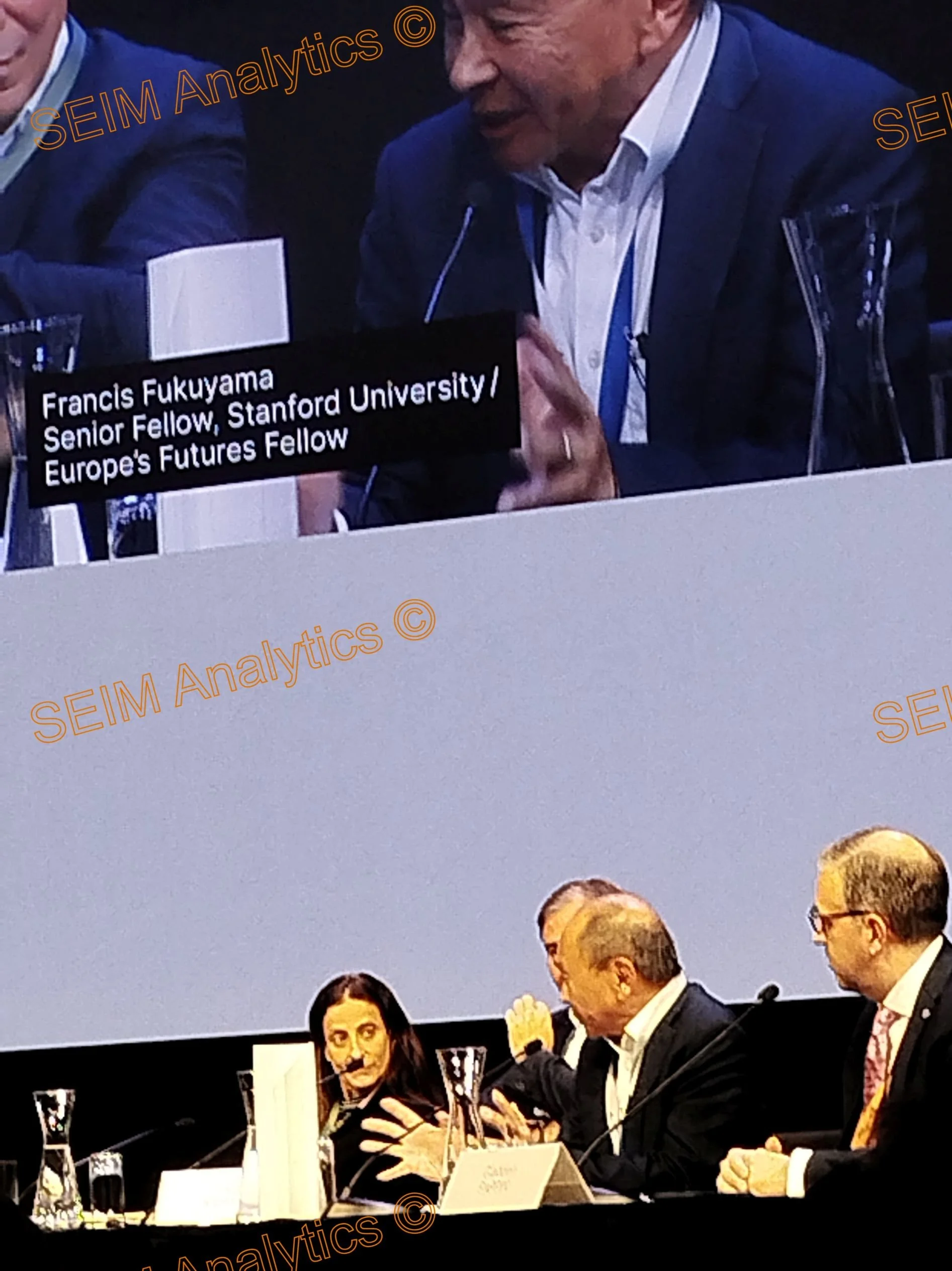
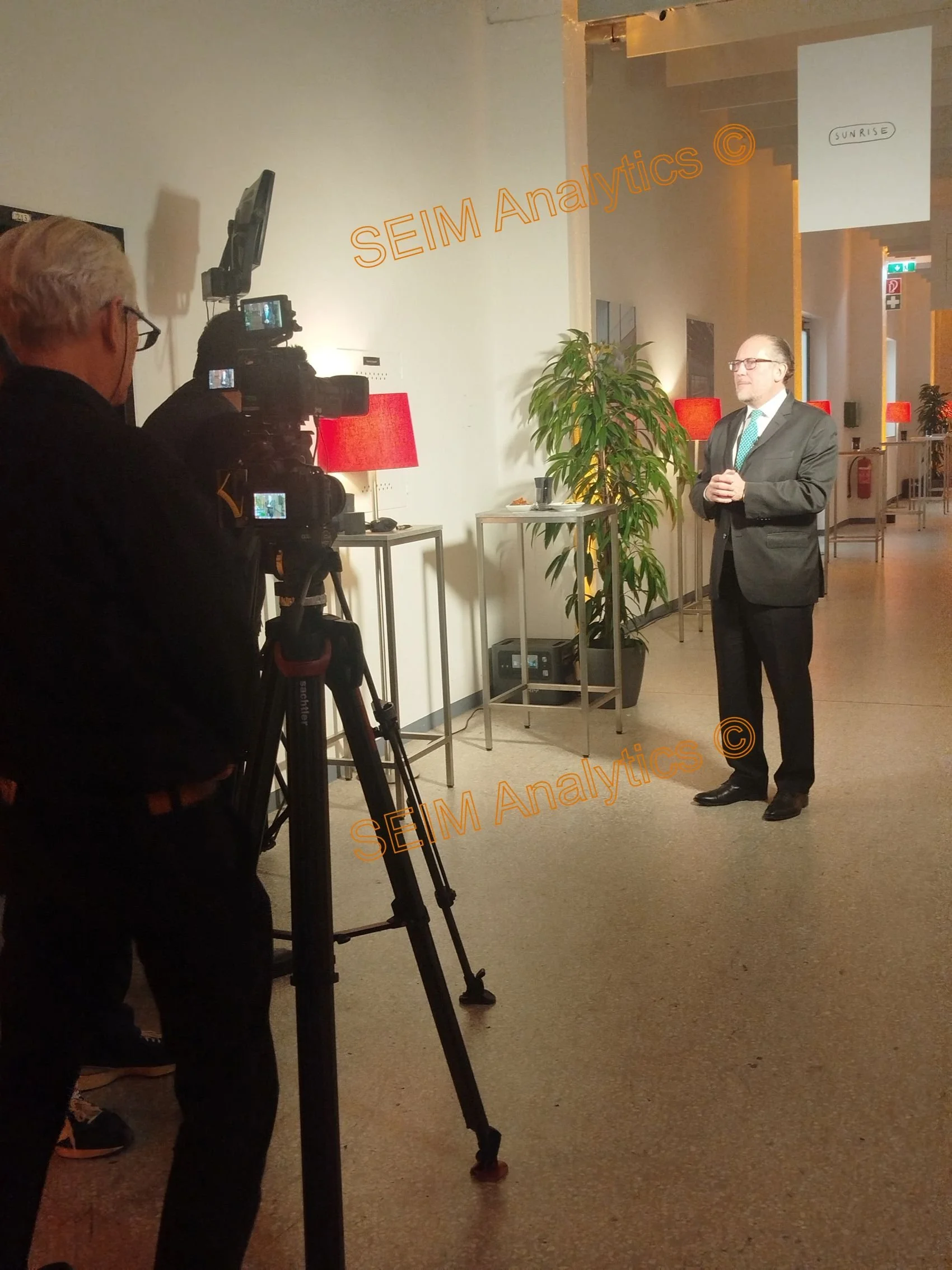
SEIM Analytics participated at the Time to Decide Europe Summit 2025 in Vienna, a one-day conference organized by ERSTE Foundation in cooperation with the Institute for Human Sciences (IWM Vienna) to address some of Europe’s most pressing challenges. ERSTE Foundation supports a wide range of social, cultural, and democratic-civil society projects across Central, Eastern, and Southeastern Europe, thus reflecting the footprint of Erste Group’s of Austria’s banking operations.
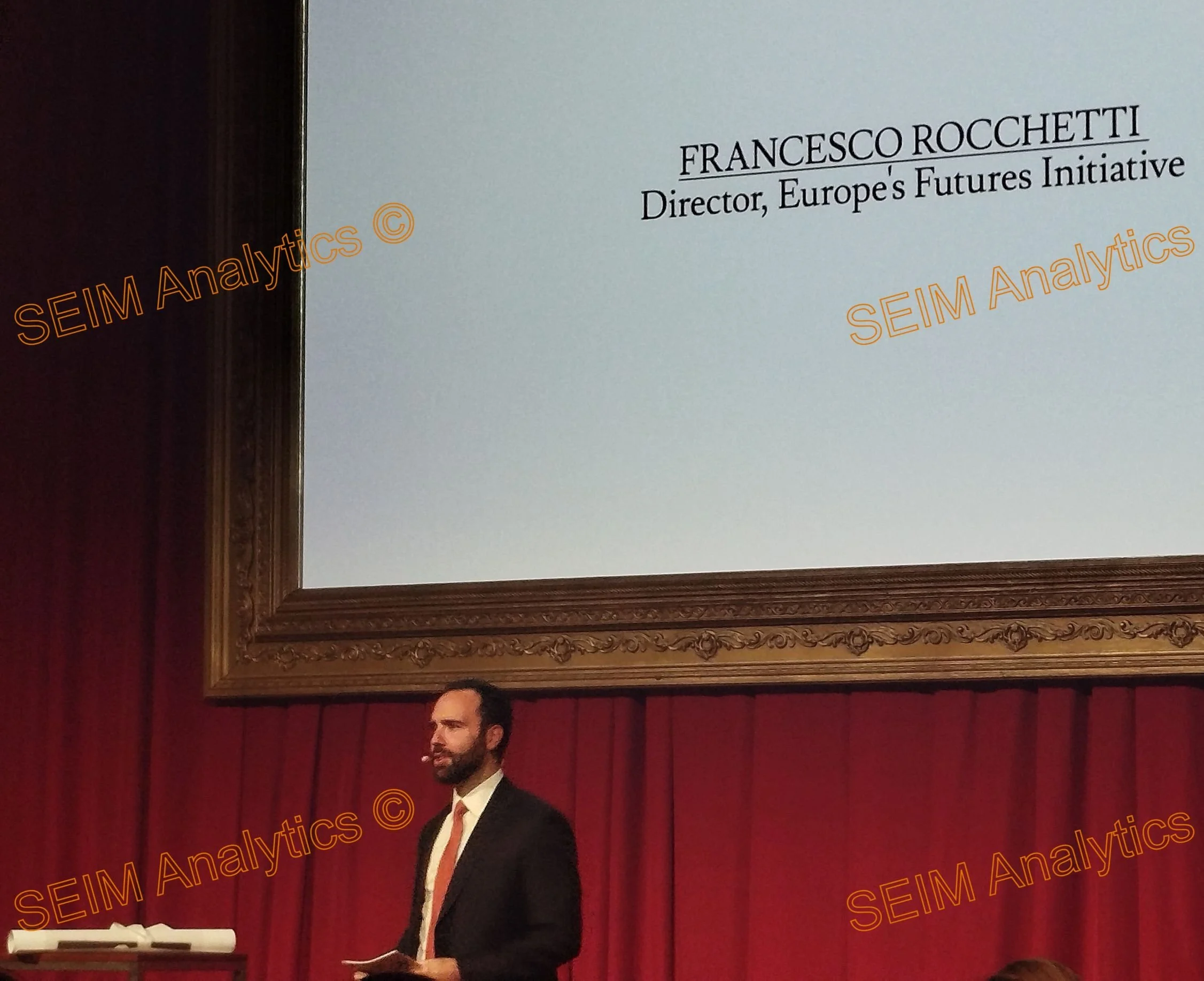
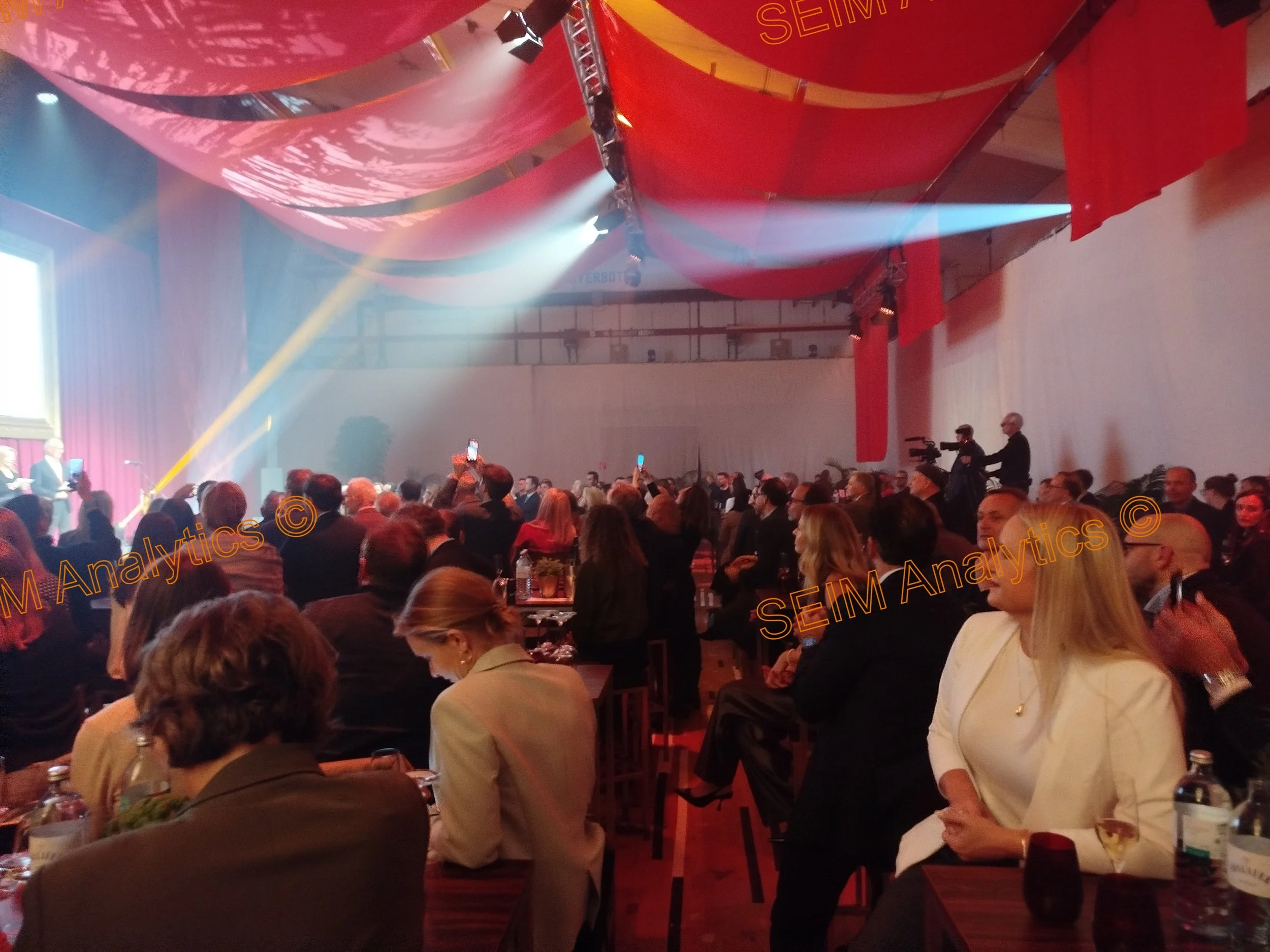
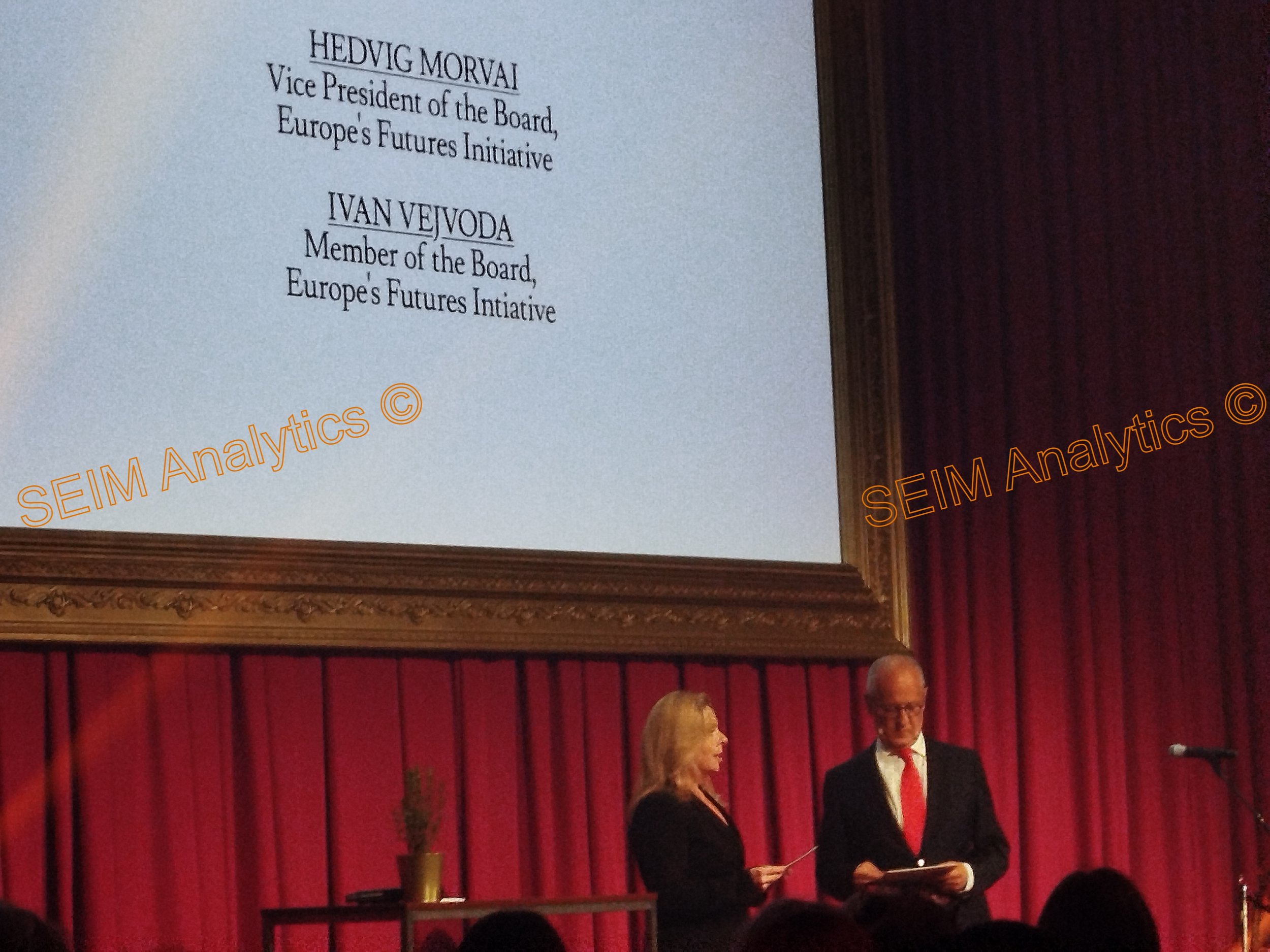
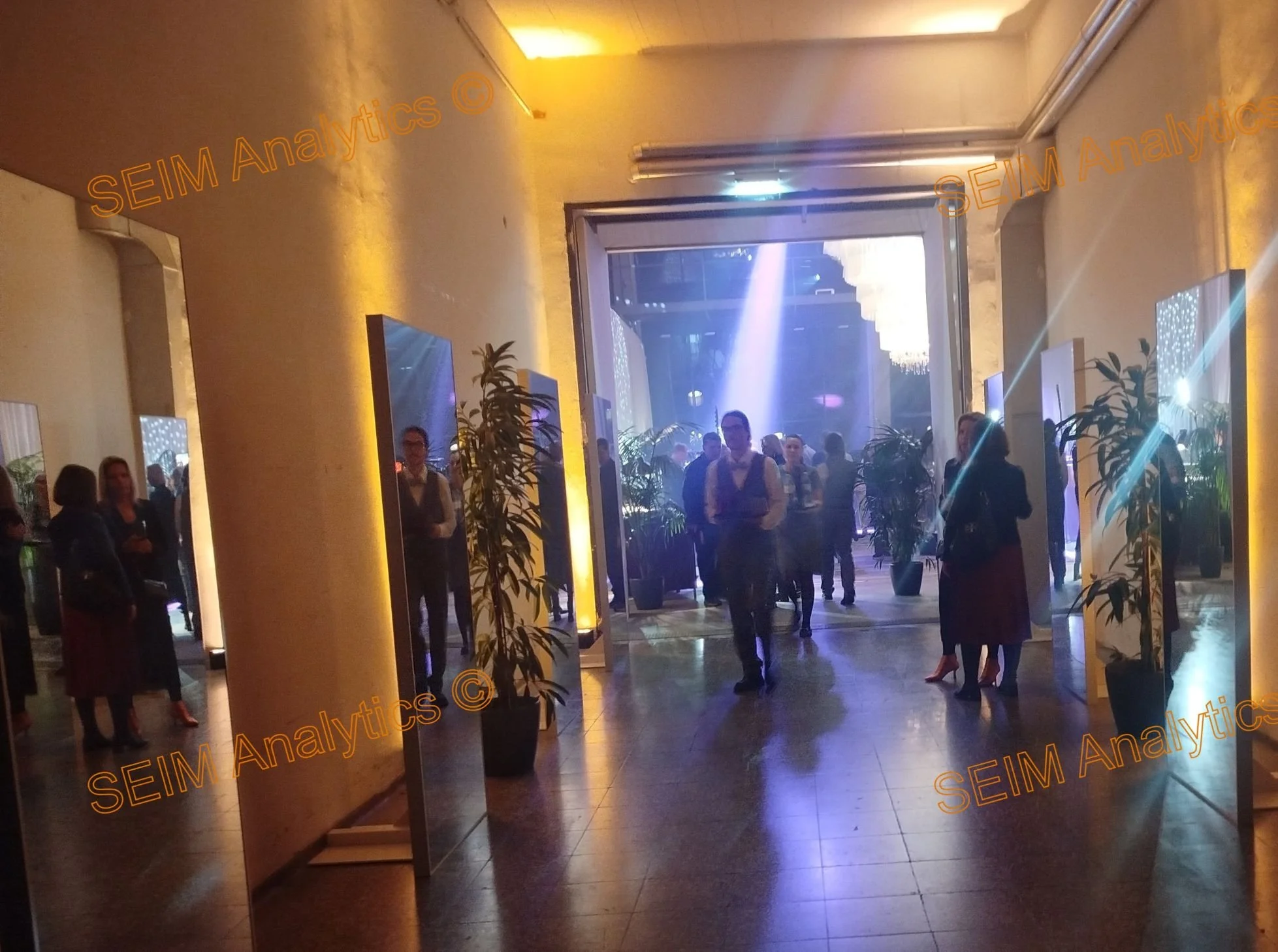
This summit gathering intellectuals, NGOs, high-level politicians, policy makers, and think-tanks like SEIM Analytics, also included the official opening of the Europe’s Future Initiative (EFI), an evening event that SEIM Analytics also attended. At this evening ceremony, shorter lectures about the future of AI, Europe’s security, and the role of China, were held by Europe’s Futures Initiative fellows. This Erste Foundation project related to democracy & European integration is “committed to reinvigorating democracy and strengthening Europe’s global resilience.”
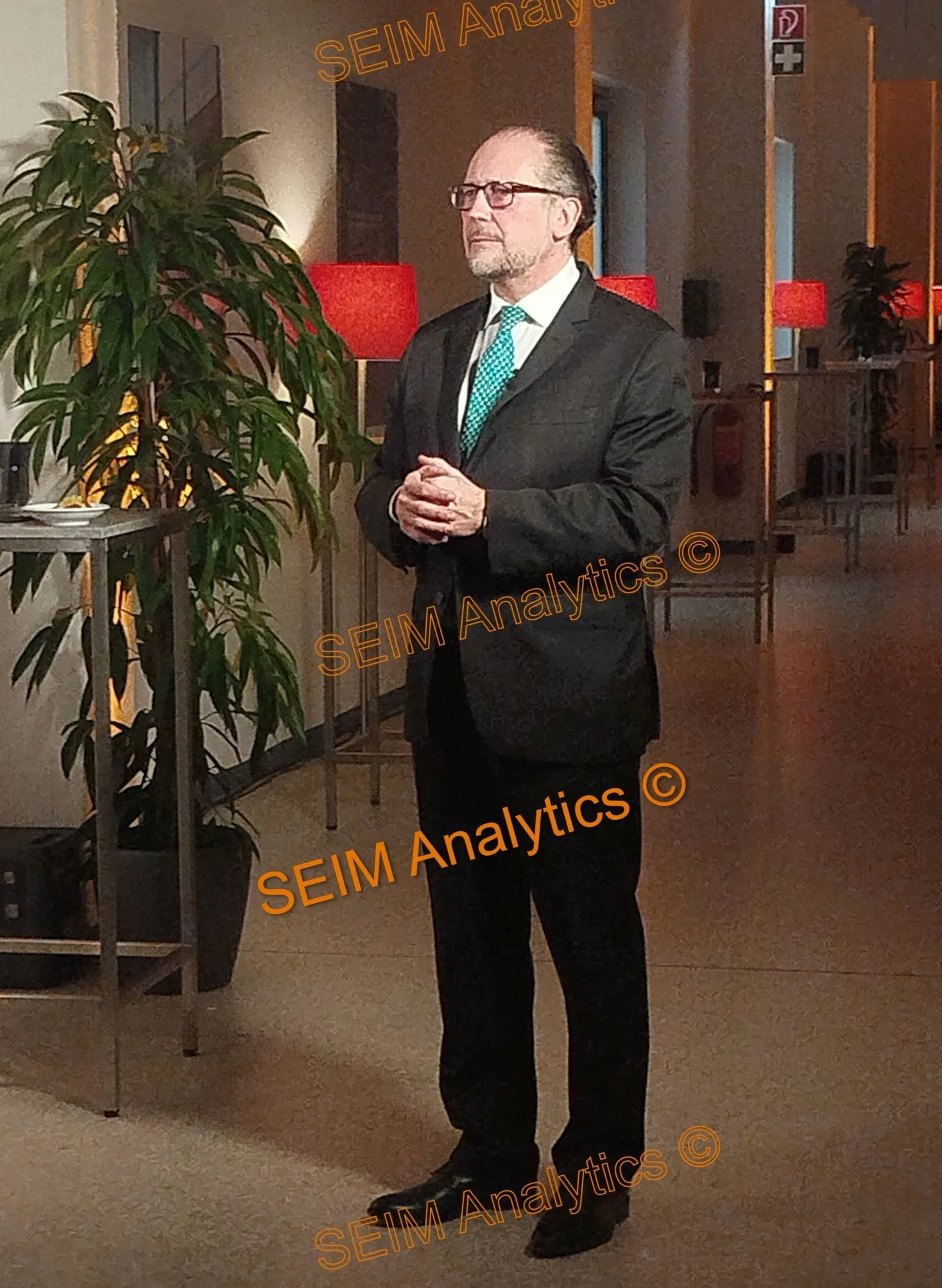
(Photo: Prominent participation at the Europe summit, from Francis Fukuyama to Alexander Schallenberg, the former Chancellor of Austria)
For the conference part, discussions were focused on the threat of democracy being in retreat, autocracies now outnumbering democracies for the first time in two decades, and EU and Europe now having to adjust to the new political course of the United States. EU, once a project of peace, is having to support Ukraine in its defence against Russia, but also to bolster internal military defences, without being able to rely on US security guarantees. Europe must rethink and rearm was among conclusions from the conference, but progress is slow and unity is threatened, among other because of the complicated decision-making processes in the EU. The new geopolitical situation with an instable security situation, with economic stagnation or little economic growth in many parts of Europe EU, were discussed at the conference.
The full 7-hour conference event is accessible at YouTube: Time To Decide Europe Summit 2025
(See SEIM Analytics take-aways and comments below…)
The KEY SPEAKERS at Time to Decide Europe Summit 2025:
Ebtesam Al-Ketbi, President of the Emirates Policy Centre
Marie-Helene Ametsreiter, General Partner at Speedinvest
Veronica Anghel, Assistant Professor at EUI/Europe’s Futures Fellow
Rosa Balfour, Director of Carnegie Europe/Europe’s Futures Fellow
Martina Dalić, President of the Management Board of Podravka
Judy Dempsey, Senior Fellow at Carnegie Europe/Europe’s Futures Fellow
Nikola Dimitrov, President of the Balkan Center for Constructive Policies Solution and former Foreign Minister of North Macedonia
Francis Fukuyama, Senior Fellow at Stanford University/Europe’s Futures Fellow
Sigrid Kaag, Lecturer at Science Po and former First Deputy Prime Minister of the Netherlands
Ivan Krastev, Chairman of the Centre for Liberal Strategies and Permanent Fellow at IWM
Karel Lannoo, Chief Executive Officer of the Centre for European Policy Studies
James C. O’Brien, former U.S. Assistant Secretary of State for European and Eurasian Affairs/Europe’s Futures Fellow
Gladden Pappin, President of the Hungarian Institute of International Affairs
Edi Rama, Prime Minister of Albania
Alexander Schallenberg, President of the Europe’s Futures Initiative and former Chancellor of Austria
Tomáš Sedláček, Director of the Vaclav Havel Library/Europe’s Futures Fellow
Nathalie Tocci, Director of the Istituto Affari Internazionali/Europe’s Futures Fellow
Andreas Treichl, Chairman of the Supervisory Board of ERSTE Foundation
Rafał Trzaskowski, Mayor of Warsaw
Lea Ypi, Professor of Political Theory at LSE/Europe’s Futures Fellow
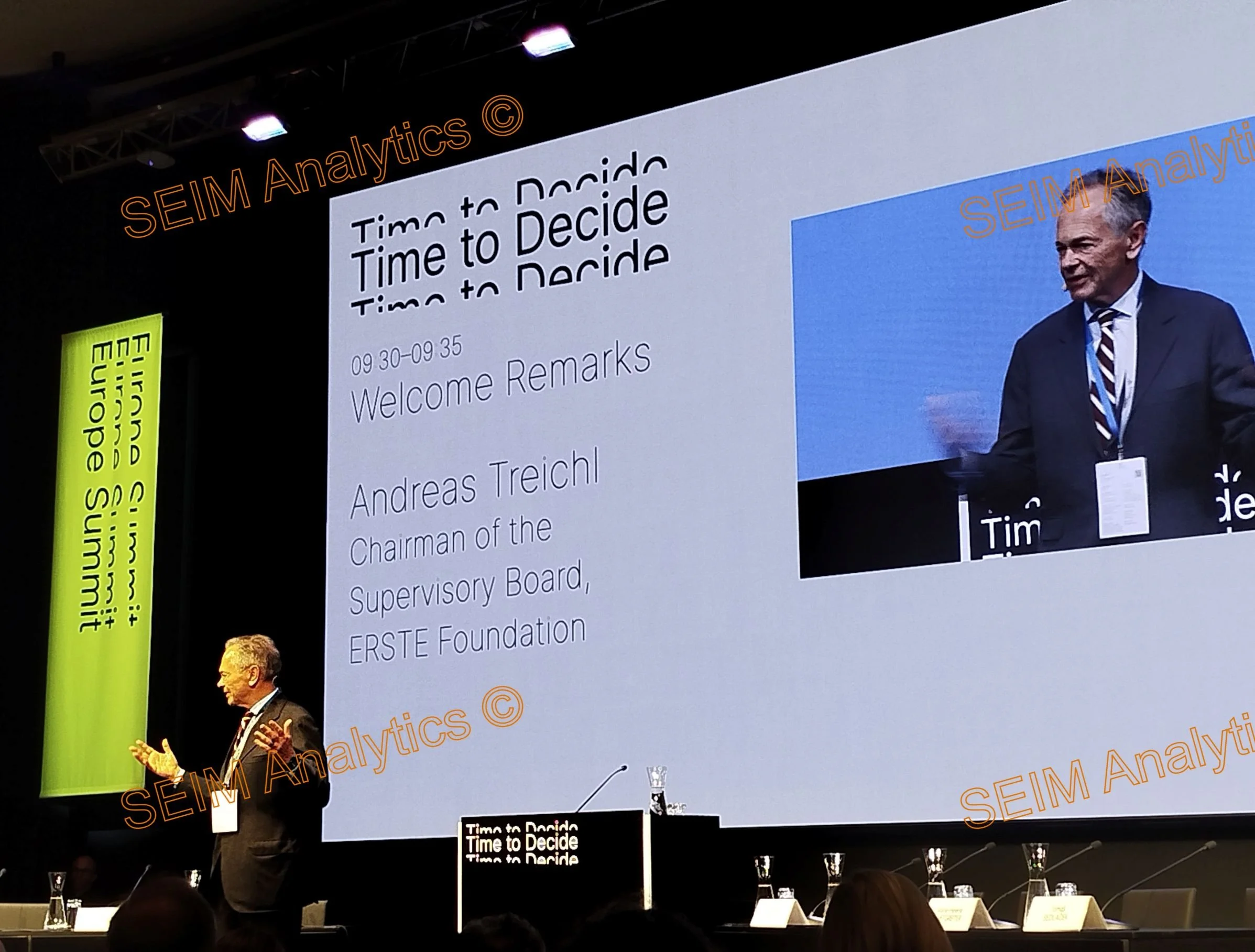
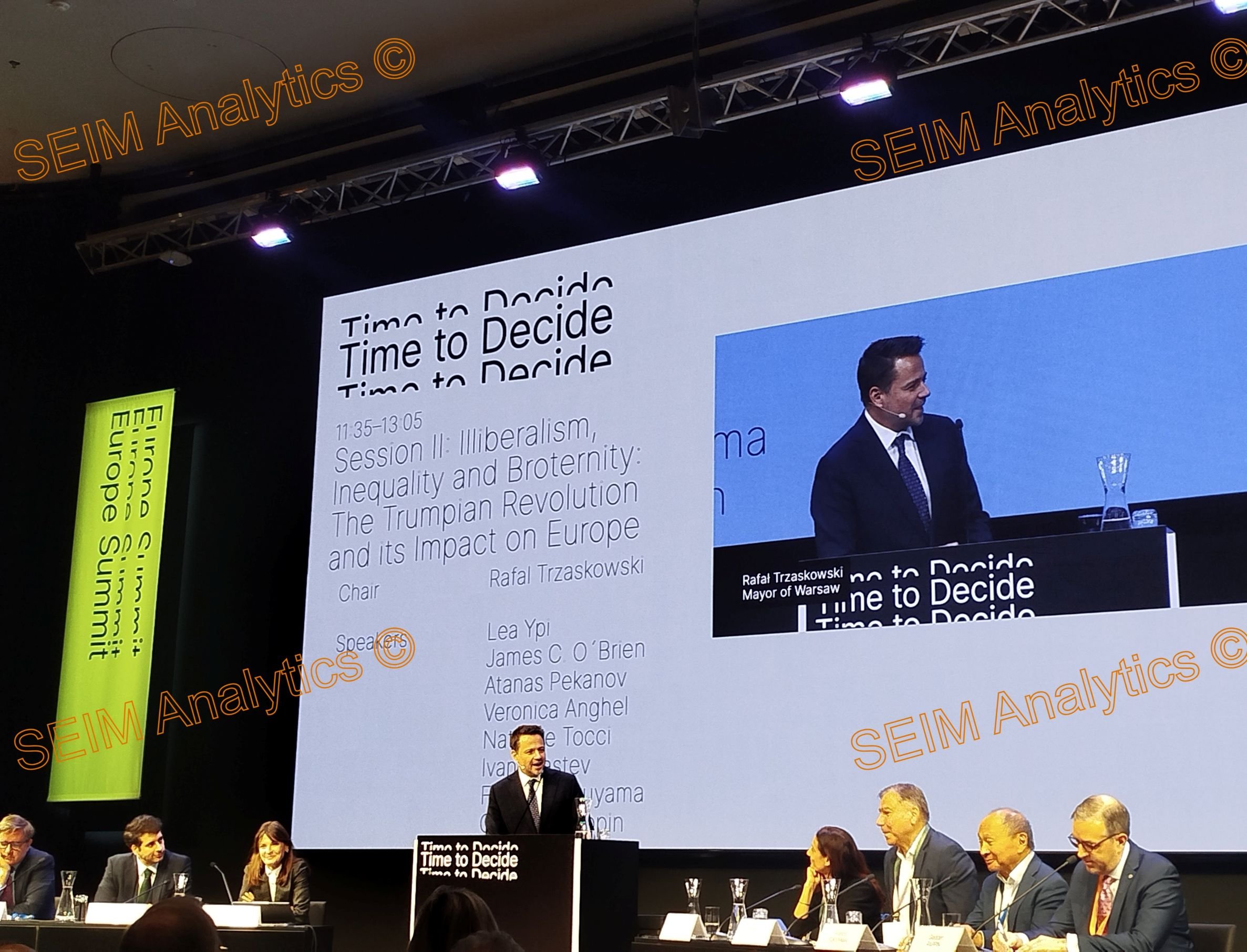
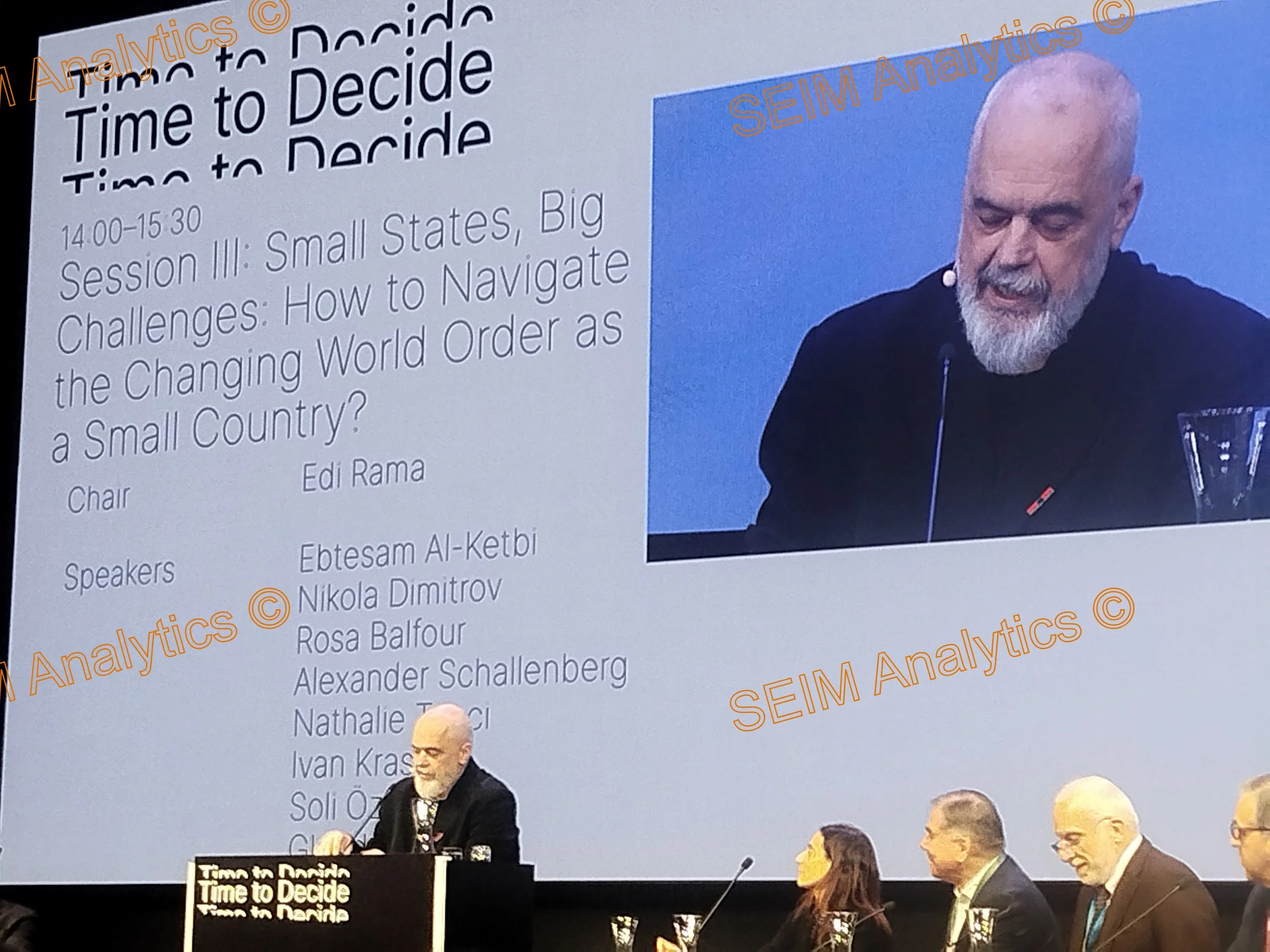
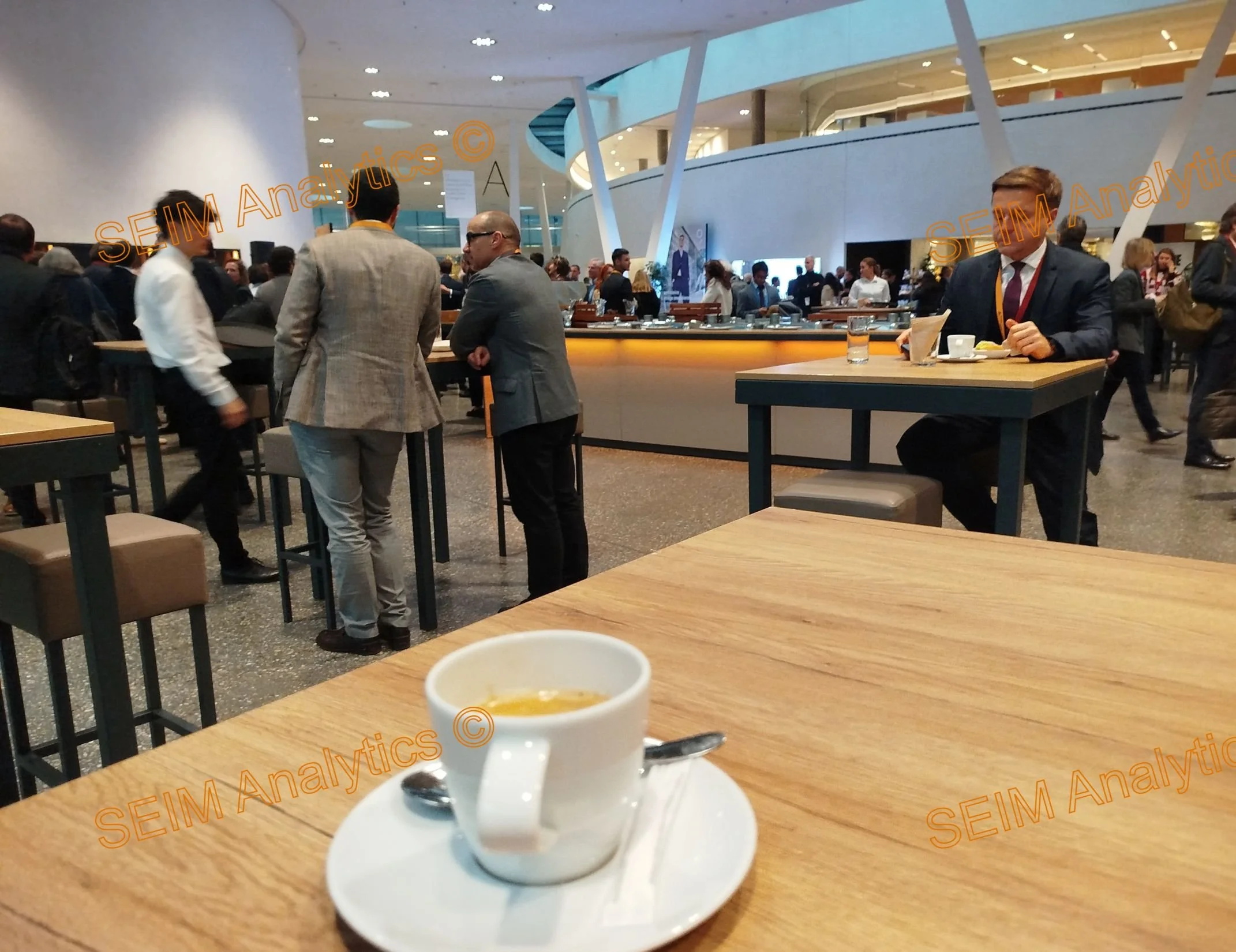
SEIM ANALYTICS provides the following key takeaways and additional own commentary and policy advice from this prominent high-level event: This represents an ongoing, open Socratic flow of ideas — unconstrained by taboos and dedicated to identifying the reforms Europe needs to secure its future and stability. Disclaimer: This is conceptualized as a continuously refined dialogue, open to revision; latest update: 8 December 2025.
EU LACKING COMPETITIVENESS AND GROWTH:
THE NEXT MEGATRENDS are Artificial Intelligence (AI), AI quantum computing, life sciences, bioengineering, technological security shifts (cyber, drones, space), the strengthening of India and China, and the continued weakening of Europe in the current geopolitical situation. A process of deindustrialization is ongoing. Europe’s political relevance is diminishing. From having been the most successful continent in the world for several centuries, Europe is becoming a museum, a nice place to visit for rich American, Chinese, and Arab tourists.
So, how to stimulate new growth in Europe to hinder its deindustrialization? How to regain competitiveness?
EU TO REFOCUS ON ITS CORE ECONOMIC MISSION: While the US is attempting to reverse previous wrong industrial decisions, and is trying to identify the core sources of its strength, EU remains struggling. SEIM Analytics claims that this is in part because it has drifted toward an ideological project. It is also in risk of sliding into centralization at the expense of smaller member states and dissenting perspectives. To restore credibility and trust, EU must step back from ideological overreach and return to its economic mission – fostering growth, competitiveness, and voluntary cooperation among sovereign nations.
FURTHER INTEGRATION? Participants at the conference argued that Europe is moving too slowly and has yet to complete the process of unification and integration it began decades ago – particularly with regard to the economic union. SEIM Analytics contends that meaningful progress is still possible, but only if European policymakers refocus on economic fundamentals rather than ideological agendas. A more integrated and dynamic capital market can indeed be achieved. However, overly rigid “green” de-industrialization strategies and an expanding Eurocratic bureaucracy are undermining Europe’s competitiveness and obstructing the reforms needed to sustain long-term prosperity, SEIM Analytics concludes. For a too rapid green transition to electric vehicles, Europe’s own car industries were not ready, so EU seems to decide to slow down this necessary transition.
EURO: That not all EU members want to become EURO states, is not a problem. Maintaining national currencies can be a reasonable safeguard and a form of protection in the event of financial turmoil or a future euro-area crisis, especially given concerns about the euro’s collateral foundations.
BANKING: SEIM Analytics assesses that a problem after the 2008 financial crisis is that the banking sector is overregulated by unelected representatives in the Basel Committee on Banking Supervision (BCBS), who are producing regulation that is copy-pasted by uncritical politicians in Brussel. These regulations work to the benefit of the bigger financial corporations, the Ex-Goldman Sachs ECB-chief (2011-19) Mario Draghi in fact works for them. The result is that thousands of small banks have disappeared, especially in Germany (from 6000 towards 1000 banks now), and it is the small banks that often lends to smaller innovative firms.
EU WEAKNESS: It is a question why Van der Leyen seems to accept an asymmetric 15% tariffs with the United States. Also, EU and the UK need to assess Brexit and its consequences.
INNOVATION: Europe is lagging in AI implementation and few new tech companies are European (ASML an exception). However, SEIM Analytics assesses that the current AI investment cycle is going to burst, as it is a huge misallocation of capital similar to the IT bubble 25 years ago. That AI will drive innovation is for sure, but the capital flows and investment demands are currently unsustainable. A financial crisis is possible.
GROWTH v CAPITAL MARKETS: While US companies grow rapidly through abundant and flexible venture capital access, EU companies typically barely grow. To stimulate innovation and competitiveness, Europe needs a more integrated and unified capital market. At present, EU-based pension funds remain heavily invested in U.S. growth companies while allocating far less to emerging European ventures. This imbalance restricts the flow of capital into Europe’s own innovation ecosystem and limits the potential for homegrown firms to expand globally.
SAFEGUARDING EUROPE’S ADVANTAGES:
Or is it Europe’s advantage that we are leaderless? Its fragmentation and diversity being its strength or its weakness? The depersonalization of the state in Europe might be an advantage, with the most successful states having the least known politicians, like Switzerland, where it is the institutions and direct democracy that rule.
Do we need DIRECT ELECTIONS in the EU to increase the legitimacy of EU leaders, like von der Leyen? Would a politician like Kaja Kallas have arrived to her position in a popular vote? Is she the right person to front EU’s foreign affairs and security policies?
QUALITY OF LIFE: Among competitive advantages of Europe is its quality of life that should be utilized upon to attract talented individuals to come here for work, but also to stop its demographic decline. On the other hand, the current abrupt growth in military spending in Europe is threatening the social model that helps provide that quality.
DEFEND OUR LIBERTIES: ... and not go down the road of the US where “some people are more equal than others” (Orwell, Animal Farm). Currently, increasing inequalities develop in the Western societies, with the top economic elite also becoming the political elite. They stop sharing the same civic experiences, are living in a secluded world, having their own sections on airports, etc. They own a sharply increasing percentage of wealth while average people are struggling.
REGULATIONS: European bureaucratization (and some 60-80.000 eurocrats) are often mentioned negatively, but AI and the new tech age is creating highly complex societies that need regulations. We do want to protect our data and privacy against US corporations that want to water down these regulations.
THE TRZAKOWSKI ELECTION LOSS CASE: A problem is that selling oneself as a European is not winning elections, panel moderator Rafal Trzakowski complained, as he in 2025 with a small margin lost the presidential election in Poland. Trzakowski admitted that “everything European I did, was used against me in the campaign.”
THE CASE OF HUNGARY: The case of Hungary was discussed, where a small state has managed to create a niche for itself and protect its sovereignty. Orban and Hungary’s strategy will be attempted adopted by other countries, but unknown if equally successful. SEIM Analytics looks forward to the April 2026 presidential election in Hungary with high interest. Recently, several of its neighbouring states are going in a Eurosceptic direction as well, like Slovakia and Czechia (click for SEIM Analytics articles).
NEUTRALITY? SEIM Analytics notes that neutrality is still an option for countries in the new Europe, despite of war in Ukraine, but neutrality must be defended, like it is in Switzerland. This has been ignored for some decades in Austria now.
THE WAR IN UKRAINE:
The war in Ukraine is a result of a direction-less Europe that almost willingly or due to own ignorant worldviews walked into a confrontation with Russia, while risking Ukrainian territories and lives, but also its own social model. Relying on cheaper Russian energy also had a price. The increased price of energy is now hitting industries and consumers in EU.
For SEIM Analytics, Russia is a part of Europe, and renewed industrial and trade cooperation after the war cannot be avoided. New borders in Ukraine are unavoidable to achieve a lasting peaceful settlement that can end the war and hinder the loss of additional thousands of more Ukrainian and Russian lives.
Maybe it would have been easier to accept that the borders of the independent Ukraine of 1991 were not reflecting historical borders, so selling the unavoidable can be made easier today. To the same degree as Ukraine was moved westward after World War II when the Brest-Litovsk borders (and Molotov-Ribbentrop Pact) were annulled, also the current 1991 eastern borders of Ukraine might be argued to have been set too far east. It is a fact that Crimea came to Ukraine as a gift from Khrushchev in 1954. The transfer commemorated the 300-year anniversary of the union between Russia and Ukraine. That gift, one can speculate, probably entailed to remain a good brother with Russia, and not to pursue NATO membership.
The majority of Crimeans in 2014 did not want to be part of Russia, although they voted differently in 1991 when the geopolitical context was quite different. In the other parts of Southern and Eastern Ukraine, this attachment was less pronounced in 2014, but also indifference was widespread in the population before the war, Dr. Seim assesses after work in Crimea and Donetsk in 2009-10 and 2014. Convenience was the strongest attraction back then, less the national narratives.
On the other hand, it is to some degree the Nuland/Clinton war lobby in the US among the Democrats that cheated Europe into a conflict with Russia. That the US is withdrawing support from Ukraine is a betrayal, (“one of the biggest in my lifetime,” Francis Fukuyama said on the conference) but this is not the first time it happens. It regularly happens, as US foreign policies is often changing from one president to another, sometimes also following a divide-and-rule strategy. For Zelenski and Ukraine to believe in eternal US support and to risk Ukrainian territory by following advice of Americans and Brits (like John McCain and Boris Johnson) was indeed naïve. An earlier territorial settlement, proposed in March 2022, would have been better.
Unilateral seizures of Russian assets is legally highly challenging, and can damage EU. Instead, it should be possible to use the Russian assets through a Russian commitment in a peace plan for rebuilding Ukraine, including allocations to rebuild the hard-hit Eastern Ukrainian regions. The latest development (8 December) is that the EU Commission seeks to reassure the Belgian company Euroclear regarding immobilized Russian assets to fund Ukraine. That led Russia to sue Euroclear for 185 billion Euros.
Addendum: On 19 December, EU decided after internal disagreements to offer 90 billion EUR for Ukraine as a “loan” to continue the war, based on Russian assets as collateral, but without Hungary, Czechia, and Slovakia participating in guaranteeing the EU loan on behalf of Ukraine. These billions are essentially lost money for the EU countries agreeing, as Ukraine will not be able to pay back the loan, and the idea about appropriating the frozen Russian assets for Ukraine to repay is essentially against international law. Therefore, afraid of the potential legal and political consequences, Belgium was politically united in not allowing use (theft) of these frozen Russian assets in Euroclear. The case risks damaging Europe as a capital market, but it does offer Ukraine the tools to continue the war.
TRUMP and POST-TRUMP:
TRUMP: SEIM Analytics sees Trump’s election not so much to come from economic issues, but as a result of the ongoing culture war, in which highly polarizing currents – including identity-driven “woke” activism, neo-Marxist-inspired frameworks, and certain DEI and gender ideologies – have contributed to deep societal and political divisions in the United States. Many men found meaning in voting for Trump, not because of socio-economic issues, but cultural. There are more reasons to laugh of unscientific “gender ideologies” the last decade than whatever comes from Trump. Yet, going into the second year, an election year, we might have seen peak-Trump, following his first year of “shock and awe” strategies. Europe is well-advised to stop moaning and making fun of Trump, but to try to understand him and the ideologies behind him. SEIM Analytics predicted both of Trump’s election victories.
POST-TRUMP? Francis Fukuyama, that Dr. Seim met shortly, in the evening reception did not ask Dr. Seim what to write in End of History II, but Dr. Seim promised to send his next book on the Road to War in Bosnia in 1992 when published next year. Fukuyama said during the conference that Trump will be around for a limited time, so one must prepare for the time afterwards. Here, SEIM Analytics dissents, believing Trump will be able to continue having a political role in some way or another, through a third presidential period (constitutionality still unclear according to Trump in December 2025), or as a vice-president to Vance from 2028, or as a Milorad Dodik pulling the strings in the background .... (here with reference to the case of the most legitimate politician in Bosnia, being elected in free election for 20 years, now being banned from his position as president of Republika Srpska by the unelected and illegitimate German OHR High Representative, the “illegal migrant and tourist” Christian Schmidt. Yet, instead, Bosnia now got two Dodiks, one in the potentially Dodik-loyal newly elected Srpska president Siniša Karan, in addition to Milorad Dodik, who can exercise influence by heading the SNSD party in Republika Srpska. Likewise, also Trump will find a way to continue in politics after 2028 because he is popular and skilled).
REDUCED UKRAINE FOCUS: With Trump, the focus is moving away from Ukraine, towards Israel, China, and Venezuela. We still do not know Trump’s China polices and endgame. We are still in a long-term positioning in a US-China potential confrontation. But this duel can also end in constructive coexistence, likewise with Russia.
EU TO REMAIN RELEVANT: The Habsburgs, through utilizing on soft power and marriage alliances, were successful in making others believe they were important for the balance in Europe, as one panellist commented. Likewise, EU must find new purpose to avoid losing relevance and being side-lined, among other in Ukraine, but also in the important growth region of the Indo-Pacific, SEIM Analytics reminds. Neither in Israel/Gaza, nor in Ukraine does EU offer any realistic peace plans, but is intent to fight to the last Ukrainian (SEIM Analytics frontline report) with increasing territorial losses of Ukraine as a result.
ENLARGEMENT OF EU IS NECCESSARY:
EU seem to have forgotten its 2003 Thessaloniki summit meeting promise to incorporate the Western Balkans. EU should pragmatically include all of Western Balkans on one movement, because the risks of keeping the area outside and in limbo is greater. Also, parts of Ukraine and Moldova should get integrated into EU. To achieve these goals, solution seeking and political pragmatism is needed, SEIM Analytics asserts:
1. Ukraine to be divided territorially to stop the war and secure a long-lasting solution.
2. Security in the Odessa region provided by establishing a transport corridor from the de-facto independent Transnistria in Moldova to Russia-occupied Southern Ukraine.
3. “A just peace” for the Serbian Kosovo province, now recognized as an independent by some 80-90 countries after numerous withdrawals, is not a full-fledged independent Kosovo state with no solutions for the Serbian minorities. A lasting and just peace for Kosovo would entail full implementation of the 2013 Brussel agreement to give extensive autonomy to the Serbian municipalities through building of a Community of Serbian Municipalities (Zajednica srpskih opština, ZSO) and Kosovo nominally remaining within Serbia. Also, it would make sense to extract Northern Kosovo completely and merge it with Serbia, while the southern Serbian areas in Kosovo remain inside a negotiated autonomous Kosovo that respects the ZSO-deal of 2013, and in return receives a negotiated degree of international representation, but no UN seat.
4. Bosnia to return to the Dayton Agreement that allows extensive entity autonomy. As Bosnia is a forced marriage, both Bosnian Croats and Republika Srpska should be given more room to develop special relations to the neighbouring states of Croatia and Serbia, as outlined in the (Serbian) Agreement on Special Parallel Relations (1997, 2006) for instance. Strengthening of the two Bosnian entities is probably the quickest way to go to achieve integration into EU, rather than continuing unwanted Bosniak-driven centralization that is effectively in breach of the Dayton Agreement. If the forced marriage of Bosnia and Herzegovina is best served by a divorce or a separation is a future topic that SEIM Analytics will return to. OHR is here outdated and must be dissolved as the institution has been misused, lately by Christian Schmidt and lobby forces in Germany and the UK.
5. Before that EU accession, the Western Balkans must self-integrate, and here Serbia but also Albania has a key role. The Open Balkan initiative is a regional initiative launched on 29 July 2021 by Serbia, Albania and North Macedonia, with economic rather than political aims, a Balkan mini-Schengen that also Montenegro and Bosnia or Republika Srpska should join. It can work as a supplement to EU’s new Growth Plan for the Western Balkans (2024–2027).
(See also Factsheet.)
Edi Rama’s rather unorthodox approach—blurring the line between moderating and dominating the session on small states, perhaps an appealing stance for the leader of a small country—likely did little to strengthen trust in Albania’s political culture or to improve the country’s prospects for EU accession. See the conference video here.
So can we proclaim this Erste Foundation think-tank as the new Vienna Circle (?) (with reference to the famous group of logical positivists or neopositivist philosophers and scientists 100 years ago around Moritz Schlick?) The Vienna Circle was pluralistic and committed to the ideals of the Enlightenment. If the same is to be said about the invited politicians and analysts attending is up to each reader/viewer to decide from the above-provided video.
End of free report !