
Make a difference with a donation: Support SEIM’s free blog & news articles and finance SEIM’s academic research projects
Donations can be made securely with card (SSL checkout) or by bank transfer (EUR/NOK IBAN)
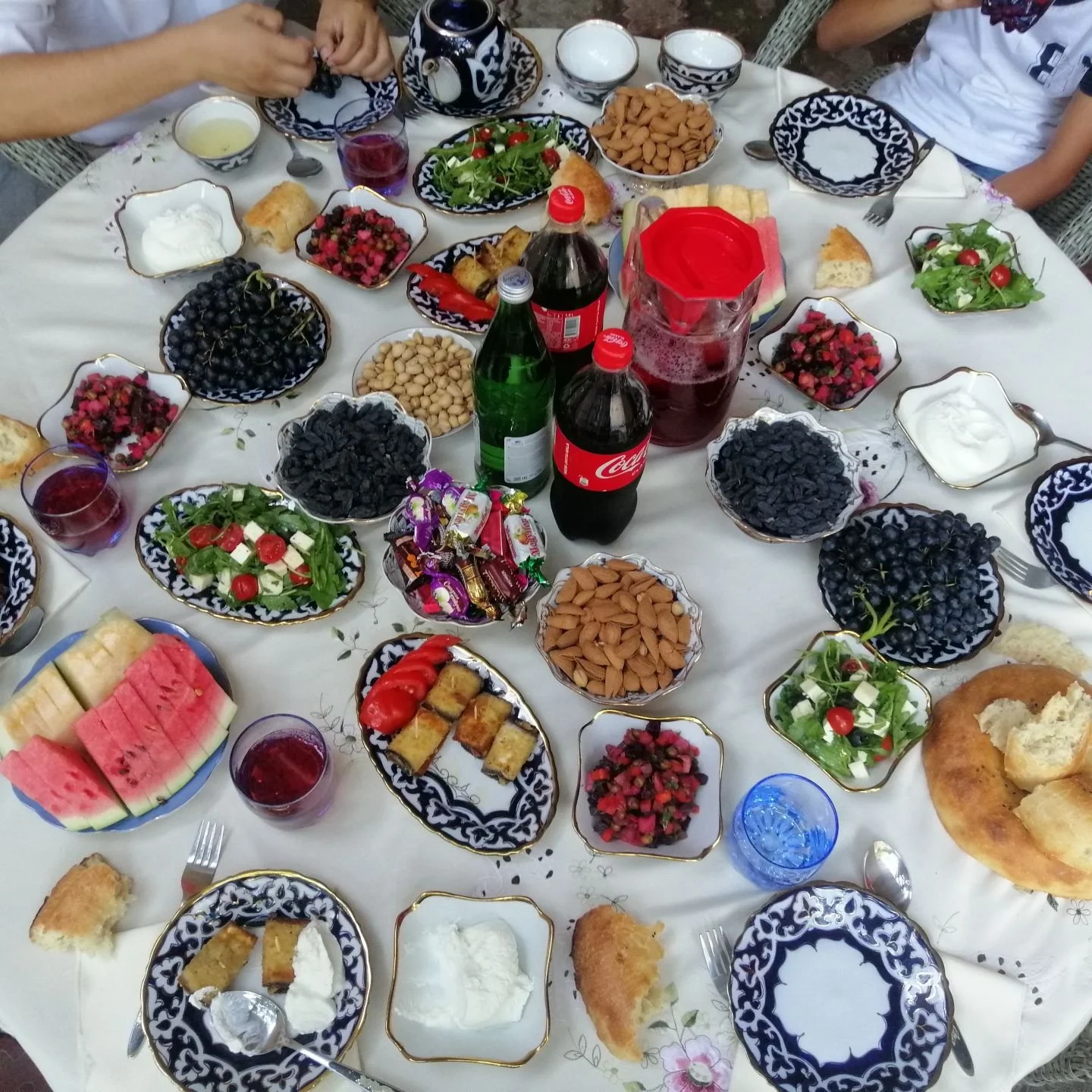
Photo: Enjoying a vegetarian working lunch in hospitable Samarkand, Uzbekistan
Support SEIM’s free blog & news articles and finance SEIM’s academic research projects
If you appreciated reading “The Road to War in the Bosnian Municipality of Kotor Varoš in 1992 – A Microhistory,” and if you appreciate SEIM’s research and independent blog&news analyses on ex-Yugoslavia, Serbia, Bosnia & Herzegovina, Ukraine/Russia, Asia, geopolitics, and behavioural finance, consider to SUPPORT SEIMs work with a voluntary donation through the table above or via direct IBAN bank transfer labelled “Gift” or “Support” or “Family/Friend” to:
(Den Norske Bank, DNB Asa) DNBANOKKXXX: IBAN NO42 1229 4339 750
Bank address (optional): Dronning Eufemias gate 30, NO-0191 Oslo, Norway
Thanks!
IBAN transfer is also possible to EUR and SEK accounts. Contact SEIM Analytics for details.
1. The entity- and “state-building” of Republika Srpska
2. Memory Politics in Post-War Bosnia and Herzegovina
3. Rural-urban dimensions of social inequality and cultural-ideological marginalization in pre-war Bosnia and Herzegovina: Exploring the political consequences for the 1990 elections and pre-war nationalist mobilization
4. Improving the analysis of pre-war demographic composition and distribution patterns in Bosnia: Lessons for the territorial concepts applied during the Cutileiro and Dayton negotiations
5. The first multi-party elections in Bosnia & Herzegovina in 1990: How it came to the nationalist election victory
6. The ethnic contest for Bosnia & Herzegovina in 1991
7. Reassessing the missed opportunities to avoid war in Bosnia: The 1991-92 negotiations
8. Work on the publication of SEIM's revised dissertation at an internationally prestigious academic publishing house under a new title: Contract signed
9. Revisiting Anti-Maidan in Donetsk March-May 2014: Before the Storm
10. Anthony Smith’s Theories on Nationalism and The Road to War in Bosnia in 1992
Why give?
-
✽
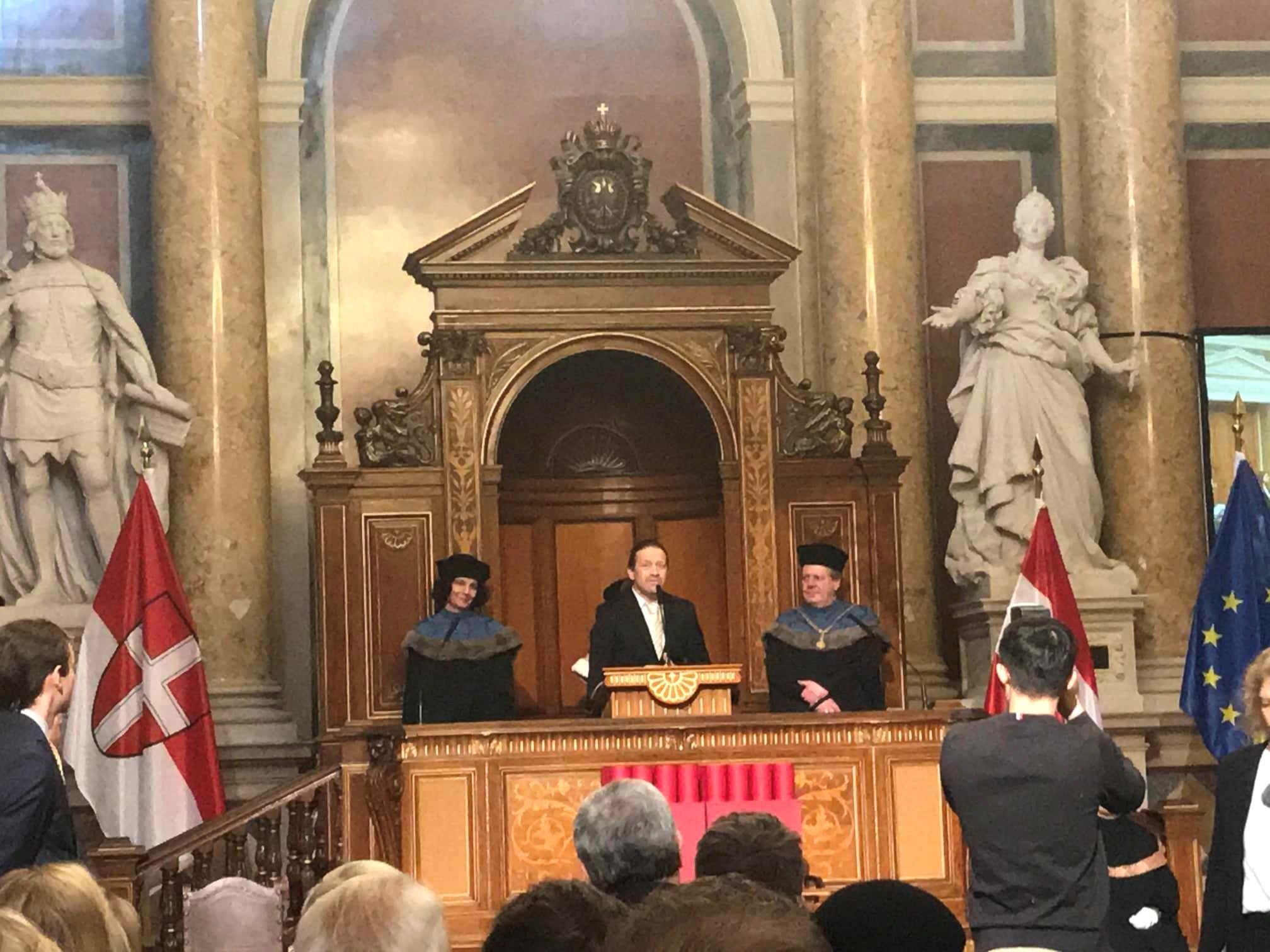
The doctoral dissertation The Road to War in the Bosnian Municipality of Kotor Varoš in 1992 – A Microhistory defended 2023 at the University of Vienna was not financed. Finalizing this magnum opus of nearly 400 pages was a considerable financial and social burden and sacrifice. The dissertation received outstanding peer-reviewing, and now opens for numerous prospective research paths. HELP SUPPORT that work, as SEIM can not volunteer for academic work any longer.
-
✽
Several years have passed since SEIMs last extensive fieldwork from the ground in Bosnia and the Western Balkans. It is time to reengage with the field through the new studies that are in preparation. Donations and support will enable travel, field research, archive work, and networking primarily in Bosnia and Herzegovina, including probable visits to Serbia (incl. Kosovo-Metohija), Croatia, and Montenegro.
Dr. Seim recently signed a letters of intent for academic cooperation with University of Banja Luka. This comes on top of collaboration with academics at other universities in the region.
Support these research trips and cooperation!
-
✽
Pressures present in academic environments of formal-institutional, administrative, financial, political-ideological, and social character (academia as a social space) might create conditionalities that are impacting research. Pressures and power mechanisms within academia, as well as its dogmatic and discourse-preserving tendencies, makes me believe that my comprehensive doctoral research on Bosnia rather emerged DESPITE OF my relation with universities (in particular in Sweden), than as a product of them.
Donate to counter intellectual obedience and self-indoctrination and safeguard academic freedom !
-
✽
In his reflexive sociology, Pierre Bourdieu implemented his theory of culture onto the analysis of academic practice and he discovered a “social space within which scientific practice is accomplished” (Homo Academicus, 1988). These networks and social power micro-relations and practices can influence academic freedom negatively. Moreover, reputation-seeking and quality control by peer group judgment can lead to intellectual subservience and academic sterility. In times of social media dynamics, these peer-pressures are not only vertically impacting in the power hierarchy – encouraging existing political and ideological biases – but horizontally, as self-internalized herd mentality and group control, among other inflicted from social media mobs. These social power mechanisms might be particularly influential when the research field is becoming emotionalized and politicized, like the research on the war in Bosnia and the break-up of Yugoslavia.
-
✽
The neoliberal New Public Management (NPM) philosophy of rationalization and bureaucratization of the academic sector the last decades led to its restructuring according to commercial motivations, control measurements, and reward incentives, where quantitative requirements instead of qualitative measurements is likely to have been impacting on the knowledge production.
The combined effect of these social power mechanisms and external power structures scrutinizing academia is that instead of fostering academic courage and critical engagement with power, through intellectual obedient behavior, situations of servility, and what popularly is characterized as “political correctness,” academia can instead become the place of the upholders of these power structures and elite discourses.
Raju Thomas (2003) writes how “a new government-media-academia complex appears to have replaced the old government-military-industrial complex” and how “freedom of thoughts and expression had given way to a new government-controlled and directed intellectual patriotism.”
To counter these mechanisms, supporting free and independent research is paramount !
-
✽
After competitive evaluation processes, SEIM Research has earlier been supported by the following institutions, donators, funding schemes and scholarships:
- Edith Saurer Research Prize (Vienna)
- Literar Mechana Wien (Austria)
- Austrian State Scholarship (Ernest Mach) for foreign students)
- Israeli Scholarship for Middle Eastern and Israeli studies at Rothberg International School at Hebrew University in Jerusalem (twice)
- Meltzer’s Scholarship and Travel grant for highly proficient students at the University of Bergen
- ERASMUS, NORDPLUS
Benjamin Johannessen’s Family grant (x 5) for highly proficient students from Bergen
-Helge Ax:son Johnsson Foundation (x 3 in Sweden/Stockholm)
- The Lerici Foundation for research stays in Italy/Bologna-Forli
(After winning an essay writing competition about Japan in 2008, Seim being elected as Norwegian representative for a 2-week Study Tour of European Youth to Japan paid by the Japanese MFA)
In 1996/97 SEIM participated for eight weeks as an unpaid humanitarian volunteer to deliver equipment, clothes, and Christmas presents from Norwegian school children to school children in the Dubrovnik area (Ston, Slano, Mokošice, Cavtat) in Croatia, as well as to schools and institutions in Mostar, Ravne, Konjic, Sarajevo, Tuzla, Maglaj, Zenica, Ključ, Jajce, Travnik, Livno, Vareš, Goražde, and Ustikolina.
Being concerned about the non-existent or minimal assistance being provided to Serbian school children in Republika Srpska by the international community, SEIM took the initiative also for Network for Peace to visit and deliver aid to the town of Foča, Banja Luka, and Doboj in Republika Srpska in January 1997. This included a donation to the Jewish community in Doboj delivered in person by Seim.
Assessing that the NATO-bombing of Federal Republic of Yugoslavia and the occupation of Kosovo-Metohija in 1999 was a misguided Western intervention with greater negative geopolitical repercussions for international law and security in Eastern Europe, SEIM in protest when returning to Belgrade to reconvene language and Balkan studies in July 1999, as a humanitarian act donated his 9-month student scholarship to three students who had lost their father due to this bombing. One of them, whose father was killed in the NATO-attack on Kuršumlija in late March 1999, SEIM visited in Kuršumlija afterwards upon invitation. In 2000, SEIM repeated this gesture, this time by donating to the Sremčica institution for children with developmental difficulties.
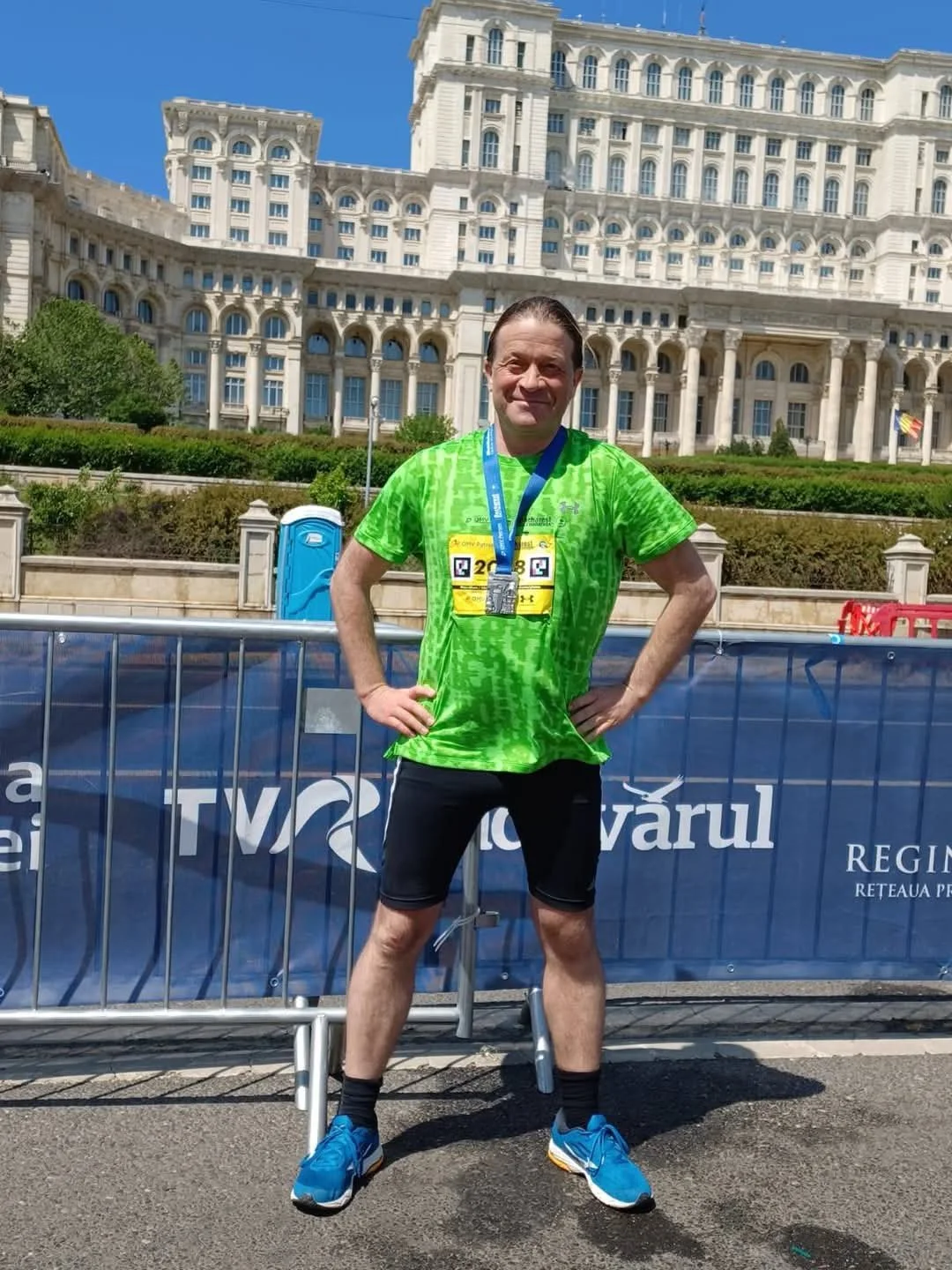
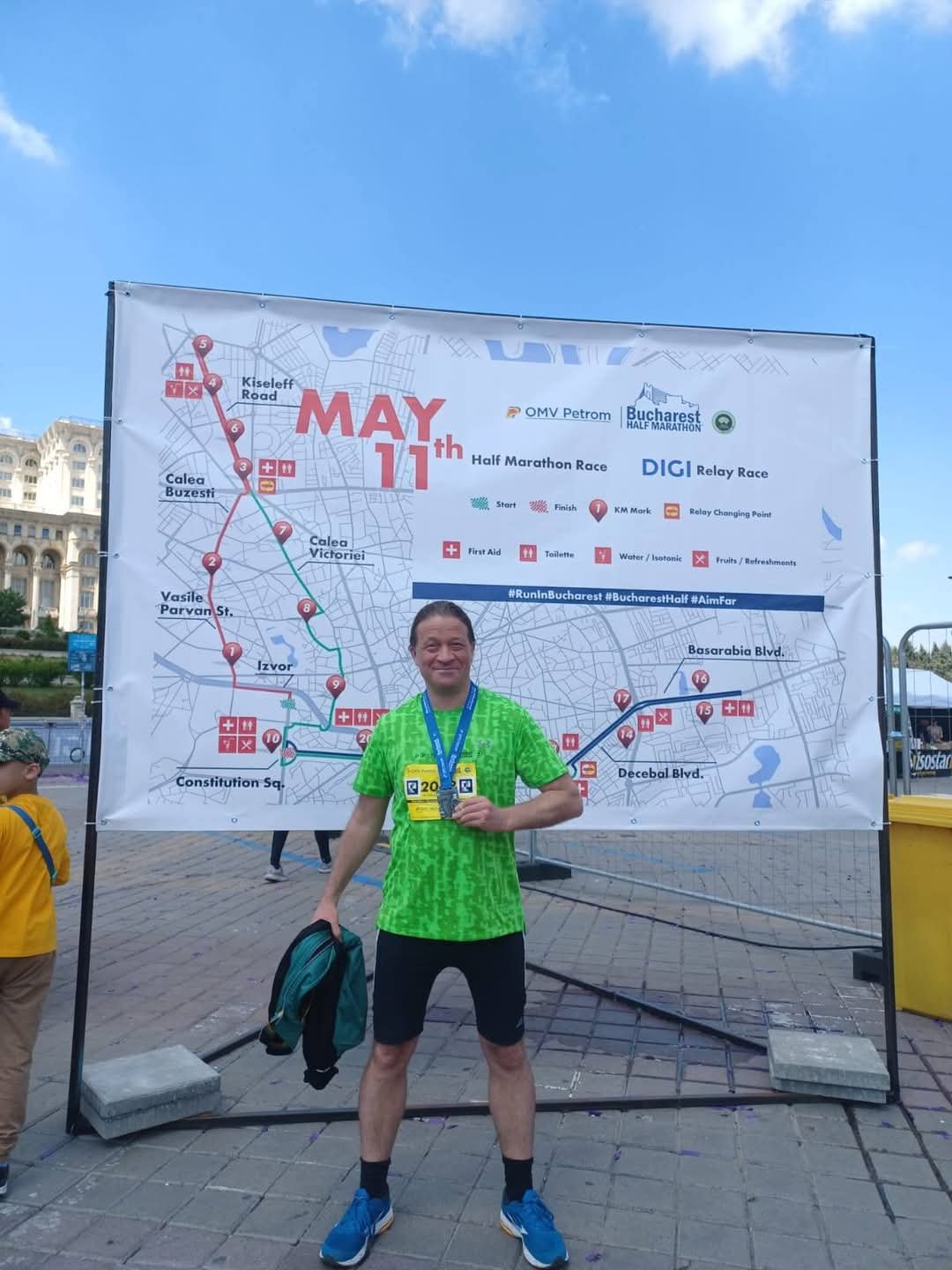
MY DONATIONS:
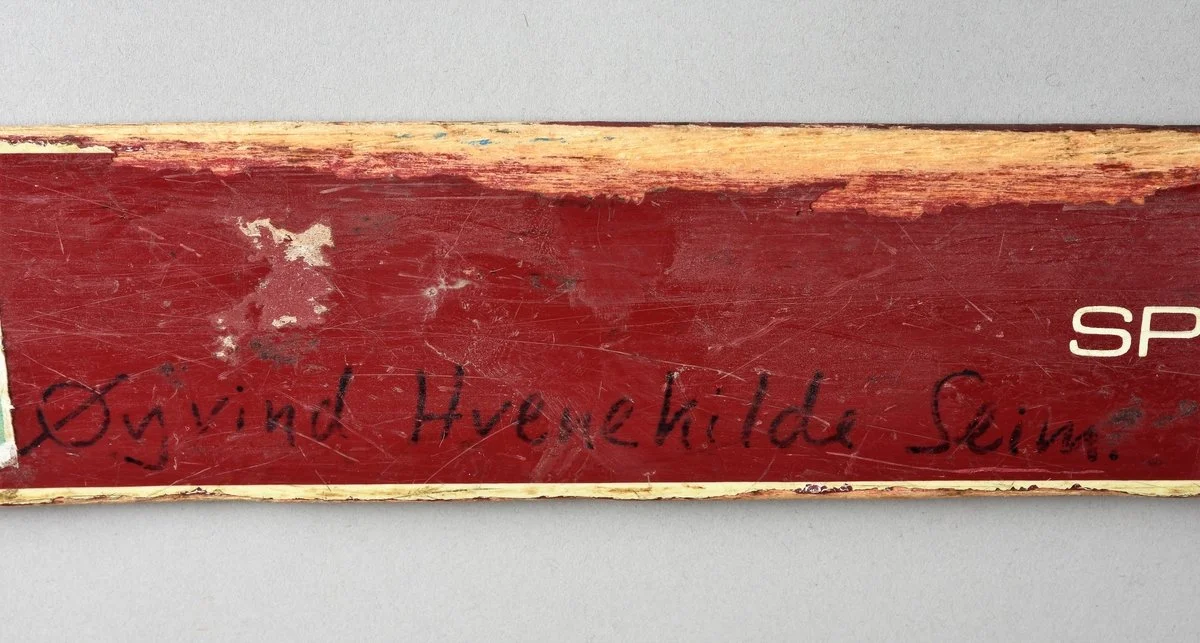
In 2014, I donated my childhood wooden Åsnes Nordic cross-country skis to Horda Museum with four other wooden skis. They are now part of the digital archive of Horda Museum in Bergen.
As we know that Norwegians are ”born with skis on their legs”, and cross-country skiing is an important part of our culture, I am happy to have helped the preservation of this part of the Norwegian cultural heritage. See the digital archive here:
Ski -Hordamuseet / DigitaltMuseum (140cm, red, with Kandahar binding, and the writing Øyvind Hvenekilde Seim on them)
Ski -Hordamuseet / DigitaltMuseum (150cm, blue, Rottefella NNN (New Nordic Norm) bindings)
Ski -Hordamuseet / DigitaltMuseum (170cm, brown, Kandahar binding)
Ski -Hordamuseet / DigitaltMuseum 170cm, blue, NNN bindings)
Ski -Hordamuseet / DigitaltMuseum (180cm, light brown, NNN bindings)
Åsnes delivered their last purely wooden skis to the Norwegian military (Forsvaret) as late as 1987. After that, wooden ski production (without fibreglass reinforcement) essentially ended at Åsnes.
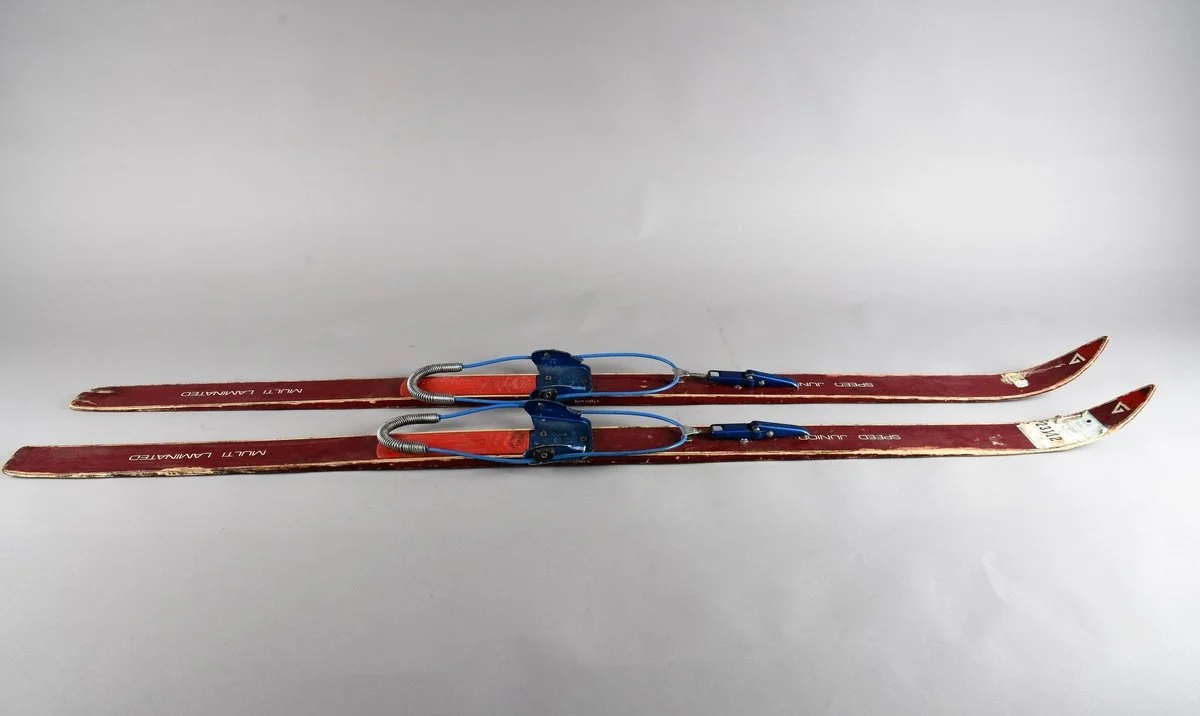
Photo credit: Horda museum
Donations are purely voluntary personal gifts and do not entitle contributors to any specific service or product.
Thank you a lot!
FAQs:
-
SEIM Analytics is an independent consultancy that offers clients analysis, advice, research, and various media products related to Southeast Europe, Eastern Europe, and some regions in Asia.
SEIM Blog/News, meanwhile, is a non-commercial product without a paywall. To continue to bring readers free analyses and field reports, readers are encouraged to offer support through donations to ensure the long-term existence of this independent blog.
Substantial donations to realize above described academic research projects are also highly welcome. Thanks!
-
Donations are to be perceived as personal gifts. Donors are not paying for a specific service or product. Donations do not create any contractual obligations for either party. Donations are not tax-deductible.
Your donation is a voluntary contribution to support free blog content. Donations are used exclusively to cover running costs of this blog, sustain research, analysis, and the production of freely accessible content.
Your donation supports an independent research environment that operates without institutional or political funding. This independence ensures that all analyses, articles, and publications are produced with full academic integrity, free from external influence and guided only by evidence, fieldwork, and professional standards.
-
Donations can be made anonymously. We do not share donor information with third parties. Payments are securely processed by Stripe in accordance with applicable financial and data-protection regulations.
A substantial donation (*from 1500 EUR) might be mentioned in the next field report or academic article ONLY if asked for. In such a case, contact SEIM Analytics. For substantial donations also IBAN transfer to Dr. Seim is helpful, among other as it incurs less fees.
-
This donation webpage uses SSL security by checkout as supported by Squarespace.
-
Yes. If you prefer, you can set up a monthly or annual contribution through the payment platform above. Recurring donations help ensure predictable support for longer-term academic work and costs related to this free academic blog platform.
-
No. Individuals donating small amounts typically do not need to report anything. Donors are not taxed on voluntary gifts. Donations are not tax-deductible either.
-
Yes. If you are interested in professional services — such as political analysis, research, briefings, or tailored reports — please contact SEIM Analytics directly. Donations are not a substitute for consulting contracts.