Frontline Dynamics in the War in Ukraine: A Tactical and Strategic Analysis, 25 November 2025
25 November 2025 (predictions also posted 25.11. on X)
From the Russian invasion on 25 February 2022, SEIM Analytics monitors military-political developments of the war in Ukraine on a daily basis based on open sources. The following front-line update and military-strategic analysis of SEIM Analytics is part of an offer to clients for weekly military-political updates on the war in Ukraine. Contact SEIM Analytics to get your weekly Ukraine frontline report.
SEIM Analytics is positioned to provide sound policy advice, geostrategic analysis, military analysis, election observation, academic research, and conduct human rights monitoring of the conflict in Ukraine.
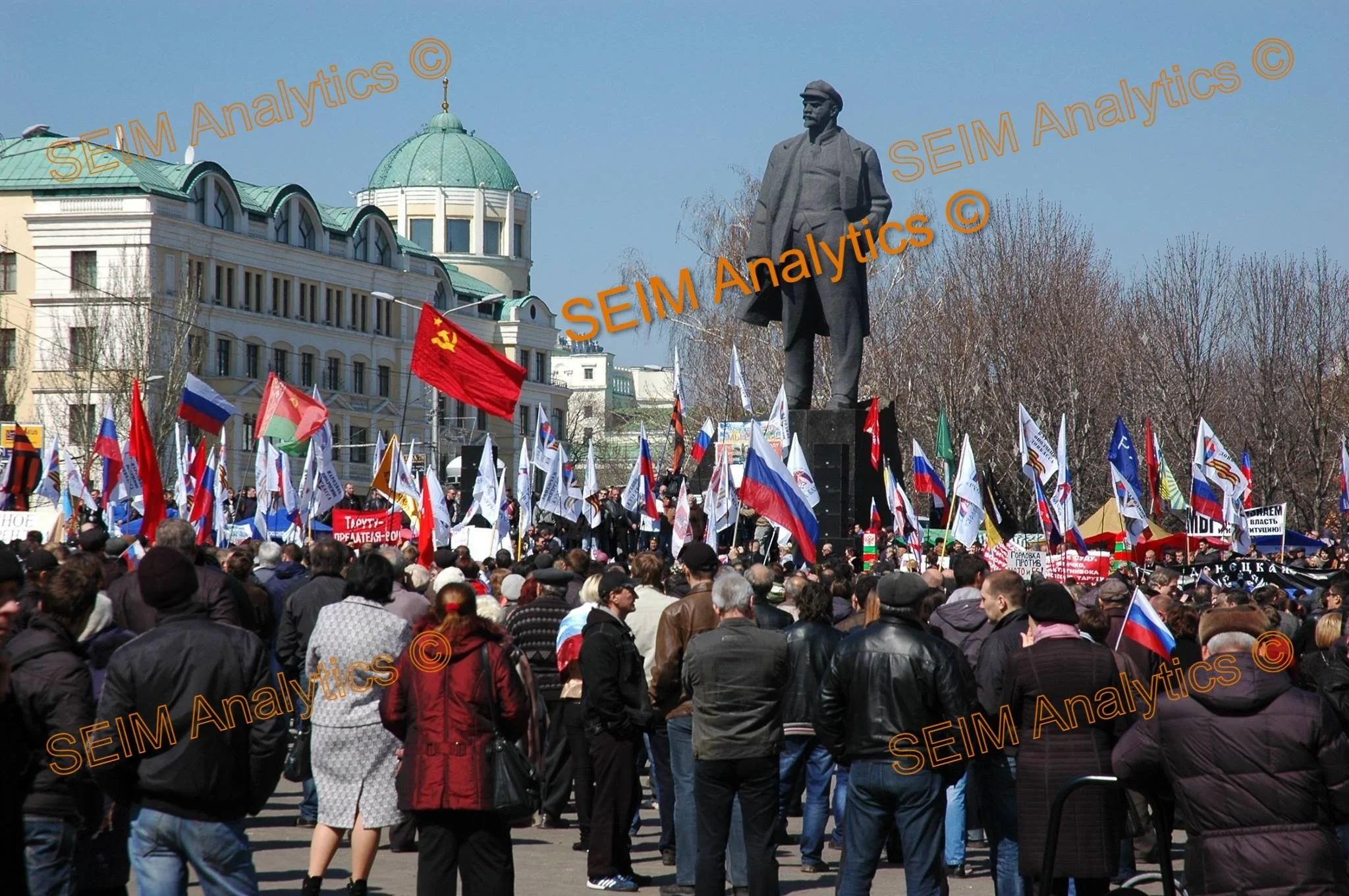
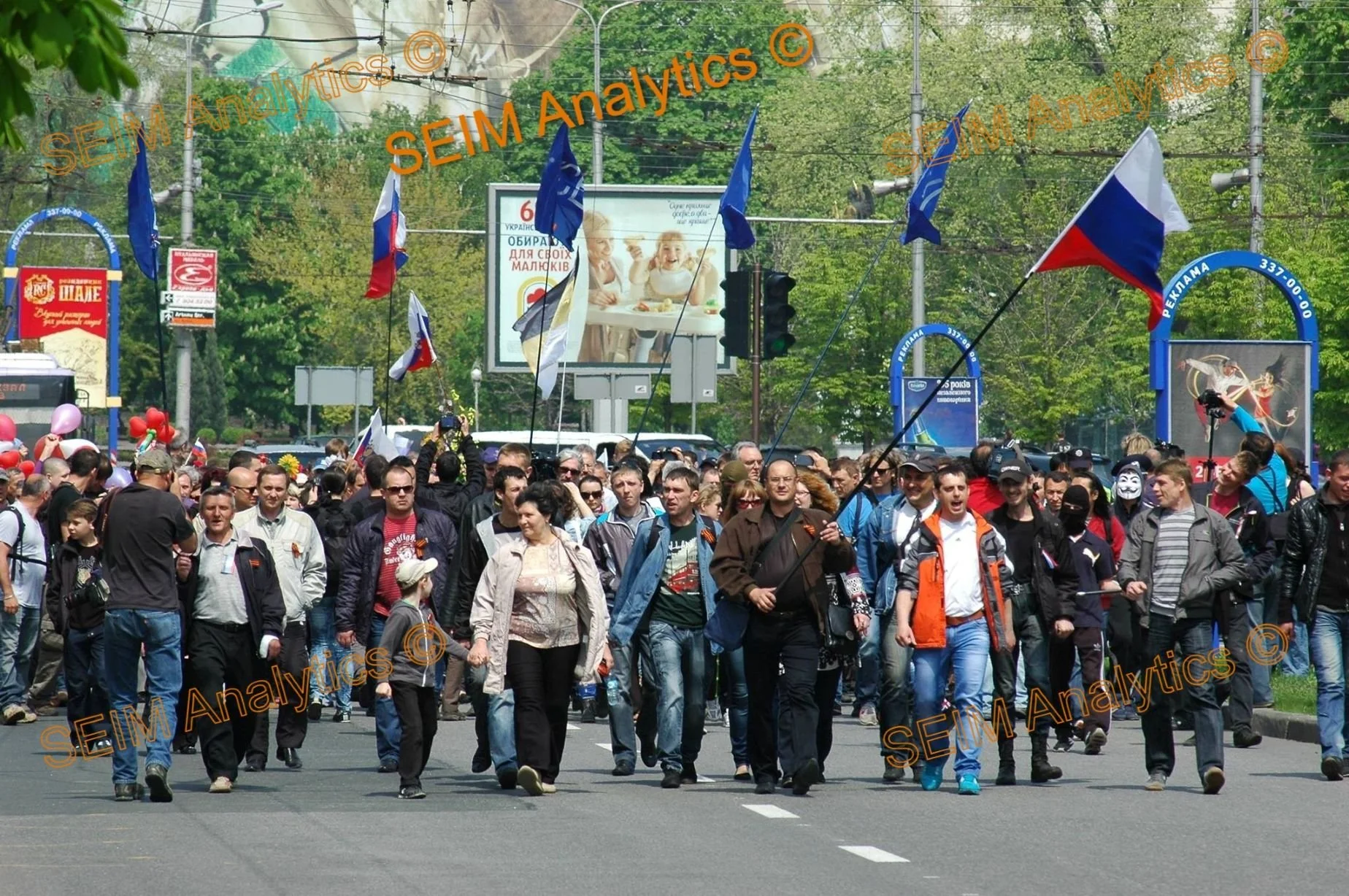
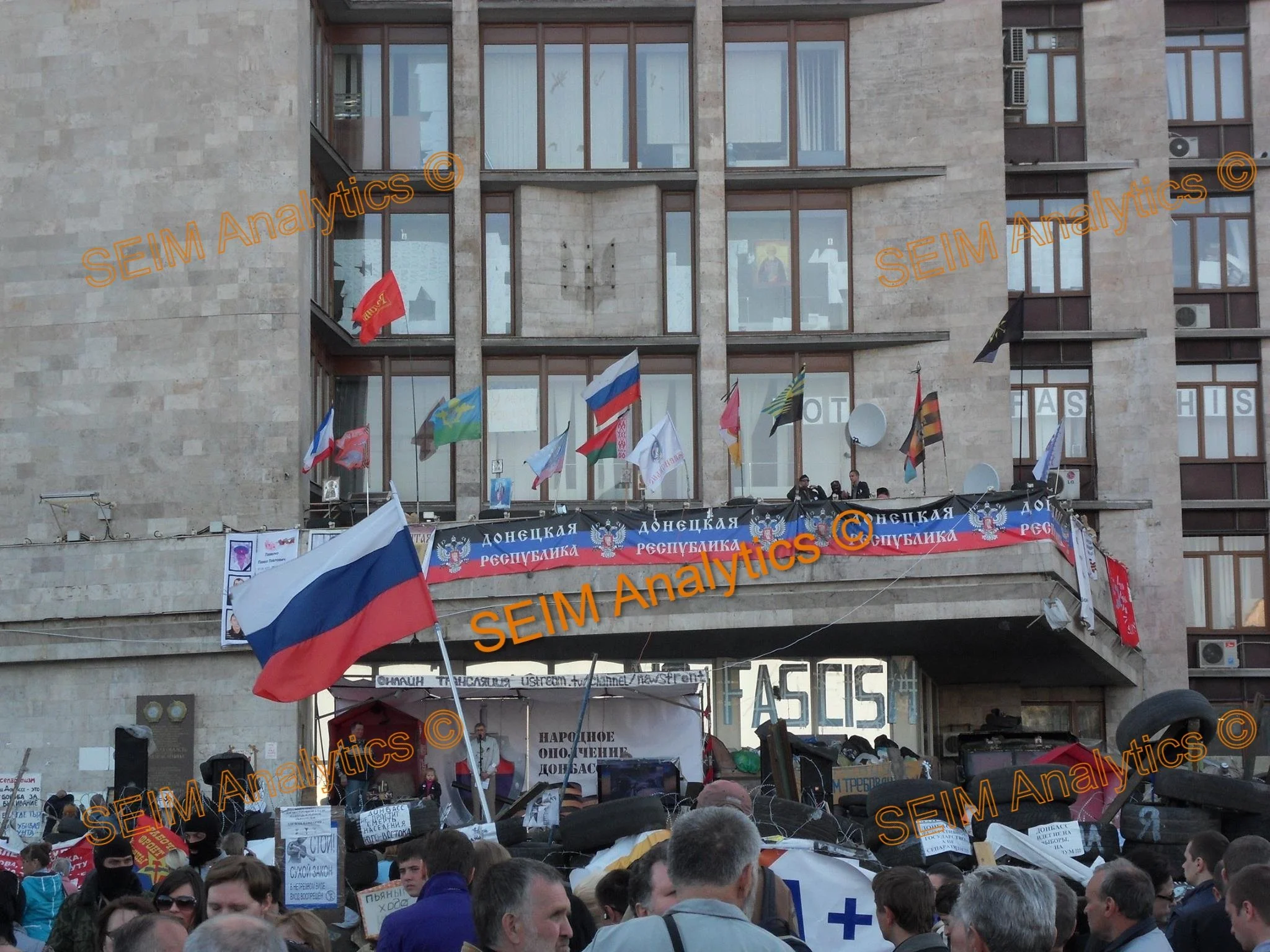
The scrutiny of the security situation in Ukraine, started in 2014 when Dr. Seim based in Donetsk East was monitoring the political escalation and anti-Maidan movement in Donbas from March to military escalation in May. The focus during the 2014-2022 period was on mediation, dialogue facilitation, and how diplomacy could solve the conflict peacefully to avoid the Russian invasion in 2022.
Professional engagements with Ukraine include closely following elections in Ukraine since 2004, among other as election observer for OSCE-ODIHR in Crimea for 11 weeks in 2009-10, in Donetsk East from March to May 2014, in Mikolaiv and Odessa in the autumn of 2015, and Dnipro in the summer of 2019.
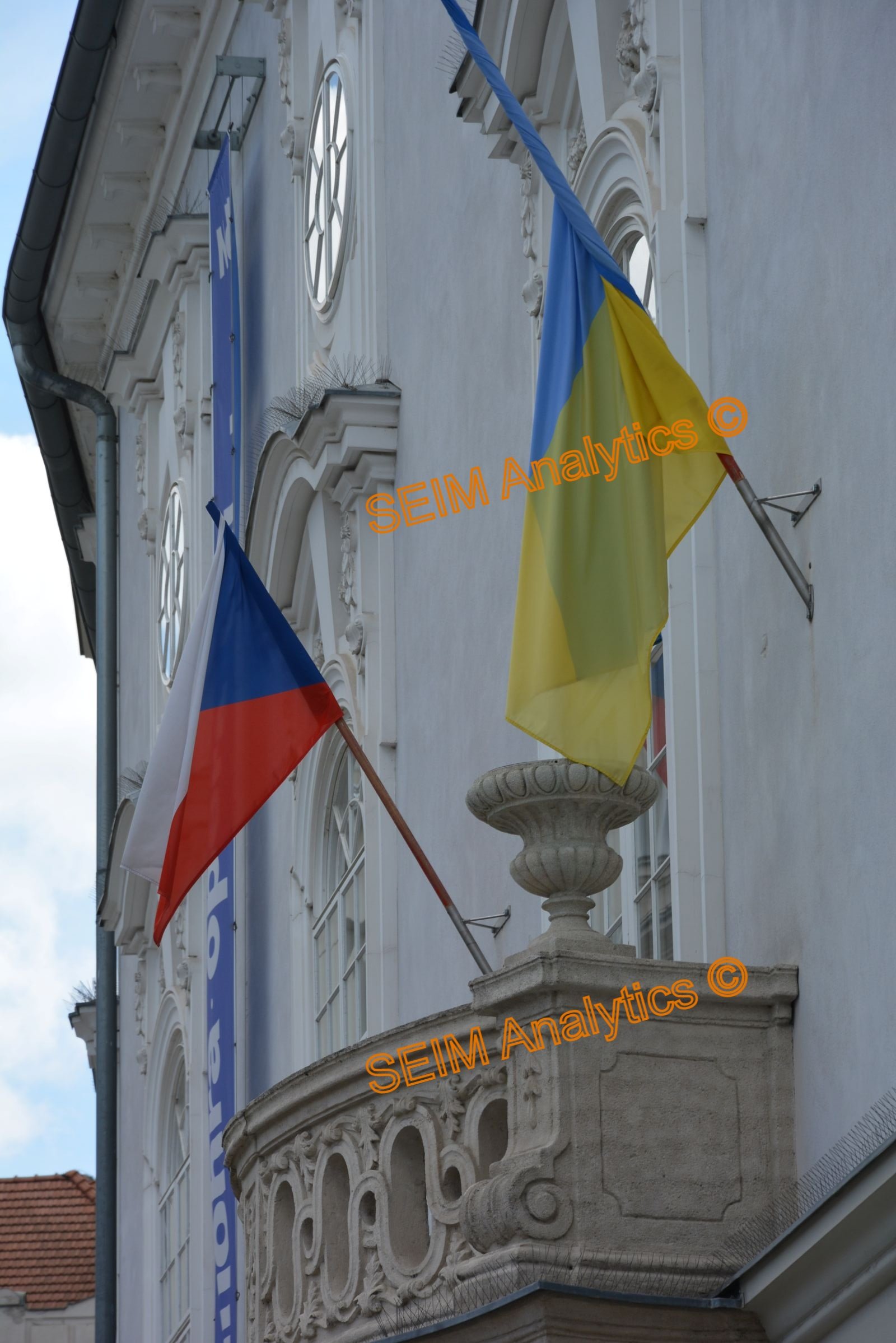
(Photo: Czechia has been leading the Ammunition for Ukraine Initiative, but the 2025 election win of Babiš might be changing the Czech approach to Ukraine, most lately seen in the Czech position on frozen Russian assets in EU/Belgium).
25 November 2025
EXECUTIVE SUMMARY & KEY PROGNOSES:
Previous prediction of SEIM Analytics on 10 August 2025: “In the autumn of 2025, Russia has good prospects of encircling and capturing Konstantinovka, Kupiansk, and Pokrovsk if no ceasefire is reached through Putin’s meetings with Trump.” (Source: verifiable research application)
Current Situation and Near-Term Scenario (before 2026): By 25 November 2025, Russian forces have control over the city of Pokrovsk, of most of Kupiansk, and is entering Kostiantynivka (Konstantinovka). Fighting is concentrated around Myrnohrad. Russian forces are successfully applying attritional, encirclement-focused tactics. Soon, before the end of 2025, Siversk, Liman, and Huliaipole/Gulyaipole will also be conquered by Russian forces.
A sudden collapse of the Ukrainian forces in one or more frontlines is not to be excluded, as increasing weakness is seen in the Ukrainian defence. Its previous fierce counterattacks are not effective any longer.
Tactical Russian gains increase leverage for Moscow’s bargaining posture. The 28-point peace plan proposed by President Trump is/was prospective. It can hinder further Ukrainian territorial losses, but Ukraine has waited too long for the unavoidable moment when large parts of Ukrainian territory must be ceded to Russia. The United Kingdom and many EU countries are sabotaging a solution for Ukraine and will continue to fight to the last Ukrainian.
It is a fantasy to believe that Ukraine can win the war simply by receiving more money and weapons from its partners. Each time its partners have allowed use of more advanced weaponry, Russia has increased the stakes too or has found ways to answer these attacks. The initial Russian attack ion 24 February 2022 was limited. Later Russia mobilized more fully. Ukraine should have reached for a negotiated solution much earlier, like in March 2022. The war must stop!
Key political developments:
The election of Trump was a key event that led the United States towards a more realistic approach to the war in Ukraine and Russian demands.
President Trump’s 28-point plan is not the last and final version of a peace settlement plan, but with adjustments it has realistic chances of ending the war.
President Zelenski is preparing the Ukrainian people for ceding of territory, but is postponing this as long as he can. Yet, the longer Zelenski waits to accept reality, the more territory will be lost. His re-election and personal security are among his concerns, as fringe extremist elements will not allow capitulation of territory. His legitimacy is challenged, among other by the speaker of the parliament, as Zelenski’s mandate has expired.
The naive belief in many NATO countries that Russia’s strategic defeat in Ukraine was possible has costs hundreds of thousands of Ukrainian and Russian soldiers’ lives.
The Deep Battle: Rear Areas & Logistics, Air/Drone/Ballistic Attacks
Ukrainian forces continue long-range missile and drone attacks to disrupt Russian logistics, also in the rear. Yet, Ukraine is itself getting constrained by a stretched and lengthened front which put great pressures on reserves, logistics, and air defence.
Russia continues with a combination of attritional fires, drone strikes, and attempts to create local encirclements.
Winter operations will strain mobility for both sides. Yet, the effect of the winter cold and mud/freeze cycles and shorter daylight that favor defensive operations is limited, as large mechanized advances from 2022-23 are now substituted by infantry and drones.
OVERALL CURRENT ASSESSMENTS:
Strategic Assessment: The overall momentum is in Russian hands. This is not any longer positional warfare but a maneuveral battle, where Ukrainian defences are being breached.
Strike Intensity: High !
Risk for Ukrainian territorial losses: High!
Territorial gains: Russian (only)
Watchlist and primary axes of advance: Konstantinvka attack from the southwest, Liman being infiltrated from the east and northwest, Siversk is being blocked, Kupiansk is falling, Pokrovsk has fallen, and surrounded Mirnograd and defence-weakened Huliaipole are next.
Political solutions/peace negotiations chances: Medium, but credible. But as other partners step in to support Zelenski even when the United States warn about halting support, the war will prolong and lead to further Ukrainian losses. Russia is in a good position to harvest from strategic positioning and to overrun several Ukrainian towns before 2026: See above watchlist.
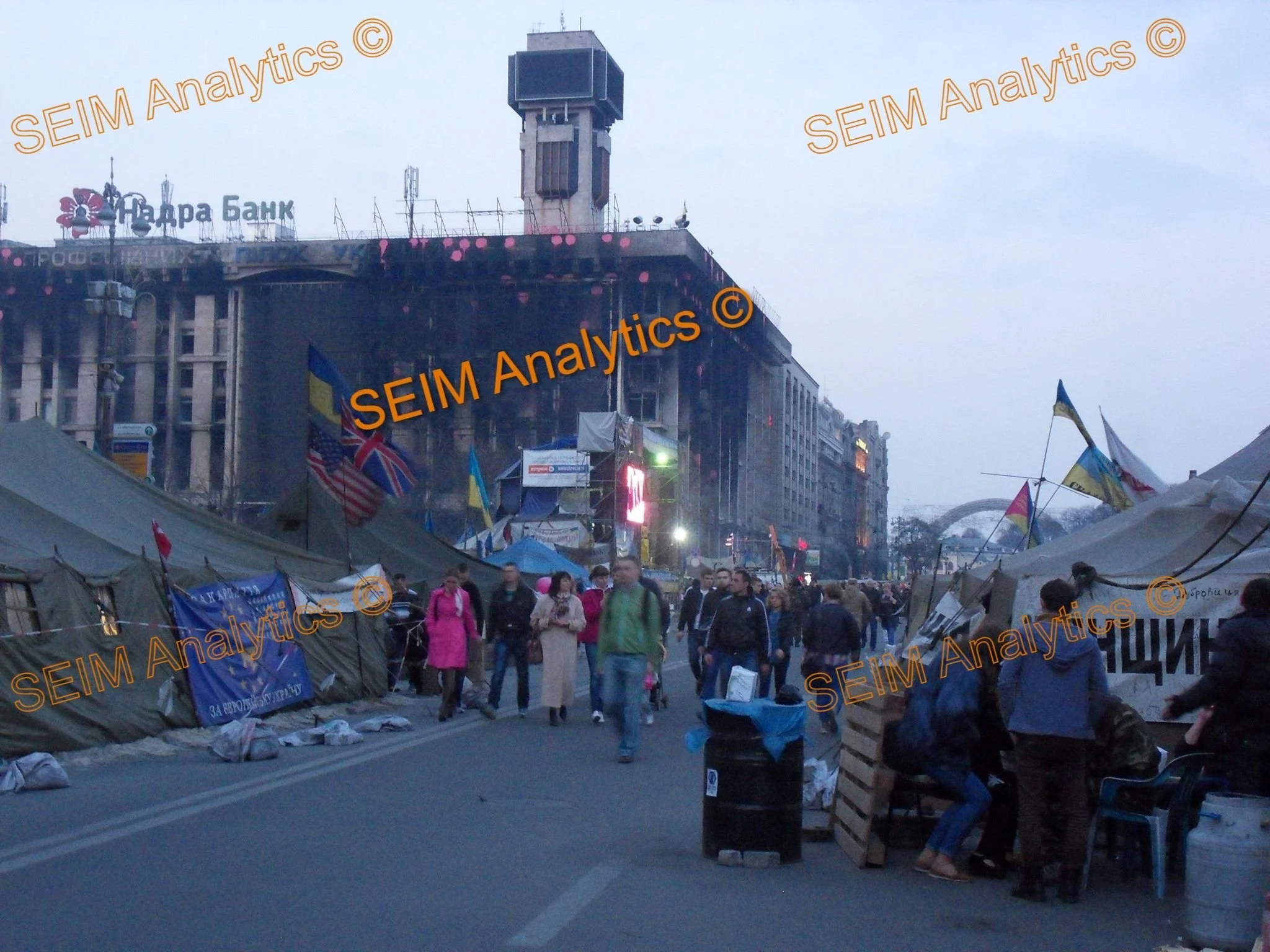
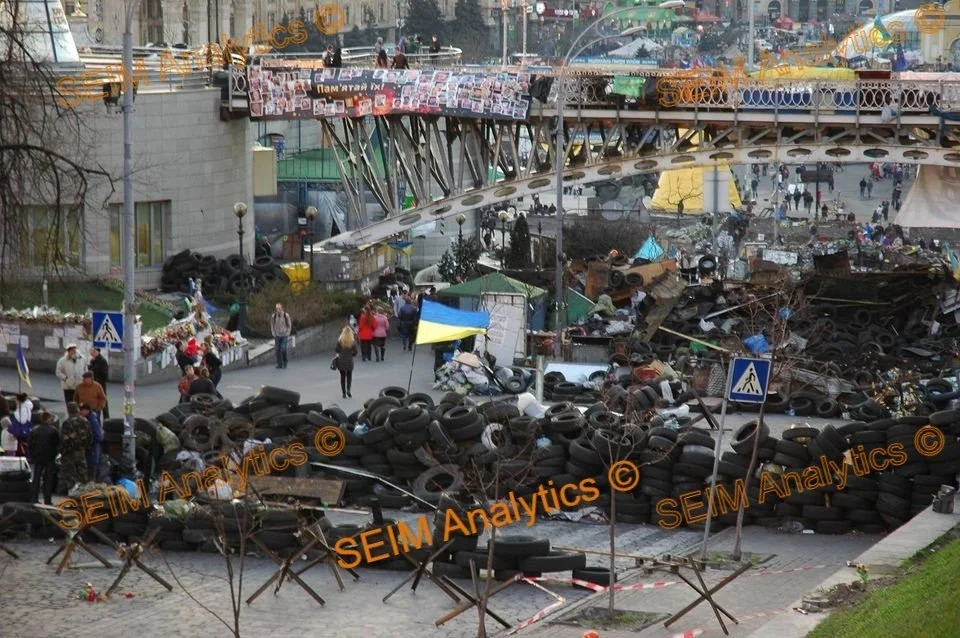
From Kyiv’s anti-Russian Maidan protest (mid March 2014) below
FRONT LINES UPDATE – POSITIONAL CHANGES
Odessa-Mykolaiv-Kherson City direction:
The militarily amazing capture of Nova Kakhovka dam in the first night of the Russian Special Operation on 24 February 2022 opened further advances towards Mykolaiv region and the capture of Kherson City. After heavy battles during the summer of 2022 and slow retreat from the Kherson/Mykolaiv regional borders, Russian forces retreated on 11 November 2022 to established defensive positions on the east (left) bank of the Dnipro.
While Ukraine forces conducted special forces landings on the eastern bank in 2023, during 2024-25 Russian forces have regained control over several Dnipro island and marches in the lower Dnipro River Delta, and is the army that from 2025 is more likely to conduct a landing across the river. Yet, the frontline remains relatively stable due to this physical barrier, but there are unverified reports of Russian sabotage teams in the Dnipro River Delta and islands, and even on the Western bank of Dnipro River, south of Kherson. Drone communication and equipment deliveries can now help infantry landing forces stand their ground for a while in the event of such river crossings.
In case the war is prolonging for several years, the long-term scenario at this important Southern front, is for Russian forces to cross the Dnipro River by Zaporizhzhia City and by Kherson City and to attempt to link up to Tiraspol and the Transnistria Republic, including occupying Odessa and Bessarabia, thereby reaching the Danube and Romanian borders. Such a scenario will have larger ramifications also for the security picture of NATOs southern flank and the Balkans, but its likelihood remains small.
Enerhodar-Orikhiv-Huliaipole/Gulyaipole (Zaporizhzhia Front):
Enerhodar: Claims that Russian forces have been shelling Enerhodar are not credible and should be understood as wartime propaganda. In the context of a future peace settlement, the nuclear facility would ideally operate under IAEA oversight, with Russian engineers responsible for technical management. Its electricity output could be allocated equally to Ukraine and Russian-administered areas of Ukraine to ensure incentives for safety at the plant.
Zaporizhzhia and Orikhiv: Russian advances in the Stepnohirsk town threaten to occupy the last Ukraine stronghold in the high-rises there. This will open operational space for Russian forces to reach the Kinska River and E105 by Malokaterynivka to the north. Such progress could also enable an eastward drive toward Orikhiv. Moreover, securing Malokaterynivka would place additional pressure on Zaporizhzhia City, as there is a continued settlement pattern to it along the Dnipro River from Malakaterynivka. If the war is not stopped, it is not unlikely that Russia can occupy the eastern part of Zaporizhzhia City after destroying the bridges there to quell Ukrainian logistics.
Orikhiv (with some 14.000 inhabitants before the Russian invasion) is the last stronghold in the region that can enable a Ukrainian counterattack to reach the Azov Sea and cut of Crimea, as attempted in the summer and autumn of 2023. The town is now threatened from Russian advances in Novodanilovka and Mala Tokmacka to the south.
Huliaipole: By 25 November Russian forces are 0-2 km away from Huliaipole in the southern, eastern, and northeastern (village Radostnoe) outskirts. As Ukranian defensive fortification are concentrated along the river to the west of the northbound regional road that Russian forces now are occupying village by village (Novo Zaporozhe as the last one), the fall of the Huliaipole (13.000 inhabitants in 2021) is to be expected within a few weeks and before the start of 2026. A rapid Russian advance after conquering Vuledar/Ugledar in October 2024, through Kurakova and Velyka Novosilka, has enabled this likely result.
Dnipropetrovsk-Pavlohrad direction:
Russian forces exploited dense fog to launch a rapid, surprise assault on Novopavlivka in mid-November 2025. The operation exposed a critical vulnerability in Ukraine’s drone-centered defence concept, as UAVs are largely ineffective in low-visibility conditions. From Novopavlivka, Russian units are now roughly 70 km from the major logistical hub of Pavlohrad—approximately the same distance the Russian army advanced earlier this year after capturing Vuhledar in early October 2024. With Ukraine’s defence capacity likely to weaken further in 2026, this distance can be covered much faster.
Pokrovsk-Myrnohrad encirclement:
After encircling Pokrovsk from the south and the west by capturing the important lithium mining areas in the Kotlyne-Uspenivka-Shevchenko axis in heavy battles in the first part of 2025, in late July followed a Russian breakthrough on the northeastern direction west of the Shakhova pocket towards Rodynske. Russians first entered Pokrovsk from the south and west, which helped facilitate the encircling of Ukrainian forces from late October. Pokrovsk is now mostly taken by Russian forces.
Myrnohrad to the east got surrounded with Russian forces on all but the north-western part, where some forces may still per 25 November be able to escape through a corridor along and south of the Olympic street going to Hryshyne, but this corridor is about to be blocked. Escape might be attempted by individual soldiers by foot but in a very risky environment as the corridor is controlled by Russian drones and snipers, soon also physically.
Ukrainian attempts to deblock Myrnohrad were launched from the north, but Russia’s control over parts of Rodynske since August caused these efforts to fail. Ukraine could potentially have preserved its forces earlier by conducting an orderly withdrawal, similar to Russia’s retreat from the western bank of the Dnipro and its abandonment of Kherson in December 2022. For Ukraine, the loss of experienced personnel at this stage of the war is particularly damaging, as such troops cannot be easily replaced. With some 90% of Pokrovsk in Russian hands, this is now Krasnoarmiisk, the name of the town until the 2016 decommunization law. This battle is lost for Ukraine. Myrnohrad was formerly Dymytrov until May 2016.
Kostiantynivka battle:
After first positioning troops in the East after the slow capture of the town of Chasiv Yar, Russian forces have also seized the southern outskirts of Kostiantynivka and have already entered the town through a micro-district of weekend houses. The battle remains in its preparatory phase, but Russia is simultaneously attempting to improve its positions to the southwest in the direction of Stepanivka. These moves aim to set the conditions for an encirclement of Kostiantynivka similar to the operation carried out around Pokrovsk.
A Russian bypassing and encircling of Kostiantynivka by attacking from Shakhova pocket to Druzhkivka would have made an easier conquest of Kostiantynivka, but this was initially thwarted by the strong Ukrainian resistance in the Shakhova pocket from September and on. This resistance is now melting away, the pocket and the Ukrainian contingent there is most probably fully defeated. A fast frontline attack on Kostiantynivka from the south is still possible, but must be achieved by costly house-to-house battles. Such a frontline attack was initially successful in the summer of 2024 in the towns of Pivnichne and Zalizne by Horlivka in the industrial Donbas, but it stalled in neighboring Toretsk City which was essentially destroyed due to the long battle and Ukrainian counter attacks. Encircling Kostiantynivka City using the Pokrovsk method will make it possible to conserve more of the city for normal civilian life in the future.
After Kostiantynivka, the cities of Kramatorsk and Sloviansk are the last Ukraine-held urban areas in Donetsk Region. The fast advance by Liman and Yampil now threatens Sloviansk where the conflict once started in April 2014. Only a peace deal can save Kramatorsk and Sloviansk for Ukraine. Preparatory attacks on them are now brewing.
Siversk-Liman front:
The 12.000 inhabitant-big (2014) mining town of Siversk has long been an impenetrable Ukrainian stronghold, where minimal Russian gains from December 2022 through the summer of 2025 came at the cost of thousands of Russian soldiers’ lives. The dynamics have shifted in recent months, and Siversk is now on the verge of falling. Russian forces have entered the southeastern outskirts and are likely pushing in from the northeast as well. The loss of Yampil this week, along with the fall of Zvanivka to the south, has further undermined Ukraine’s defences. Supply lines to Sloviansk are now physically severed at Zakitne and critically weakened through Svieto-Pokrovske. The rapid Russian advance through the embattled Serebryansky Forest during summer 2025 enabled this assault, reinforced by the earlier capture of Bilohorivka and Verkhnokamianske to the east earlier in 2025.
Swift Russian advances from the northeast have brought their forces into the outskirts of Lyman, where strained communications and logistics will make this town fall before 2026.
Kupiansk Front:
After struggling to reach towards Kupiansk City from the eastern and northern direction in heavy and costly battles around Synkivka and Petropavlivka, Russian forces managed to cross the Oskil River in a less guarded area and attack Kupiansk from the North. This initially surprising move, mostly with infantry, has later brought results. Control of the Western parts of Kupiansk and control of bridges across Oskil River towards the eastern part with drones and artillery has led the Ukrainian forces on the eastern side into a cauldron, as predicted by SEIM Analytics on 10 August. Although Ukraine remains in control of Southeastern part of Kupiansk, this battle is lost for Ukraine. Yet, further south, Ukrainian forces remain in the bulge by Borova to the east of Oskil River. Russian forces are likely to try to dislodge them, and the last days have seen renewed Russian attacks there. Kupiansk is likely to remain Russian once fully captured. It is an important railway hub, and it has had stronger pro-Russian attitudes than Western parts of Kharkiv Region.
Vovchansk-Velykyi Burluk area:
Vovchansk at the Russian border with a pre-war population of 17.000 people was occupied by the Russian military on 24 February 2022, the first day of the Russian invasion. It was retaken by Ukrainian forces on 10 September 2022 as part of a major counteroffensive in Kharkiv Oblast. In May 2024, a new Russian attack led to the occupation of the northern parts of the town which was essentially flattened in the heavy fighting before a year-long stalemate started. The 2025 autumn offensive made Russian forces take control of the southern parts of Vovchansk, with Ukrainian forces still embedded in southeastern parts and the Vilcha village.
Operational space? The capture of Vilcha village will open operational space for Russian forces in the Veliky Burlyk direction. It will enable them to seize the sparsely populated territory east of Pechenihy Water Reservoir, especially if combined with simultaneous attacks from recently captured Dvorichanske and from Kupiansk. Control of Vilcha would also allow Russian troops to cut the road north of the reservoir, thereby severing the northern supply route to Ukrainian units positioned east of it. Future demarcation line along this water reservoir is possible. This will create a physical barrier which will function as a deterrent for further attacks.
Territorial exchanges? Another possibility in a future settlement is that Russia might cede some of the newly occupied areas of Kharkiv Region back to Ukraine. SEIM Analytics assesses, however, that once occupied, most of these territories in Kharkiv Region are effectively lost; at best, only limited areas might be returned. Although Kharkiv remains an important objective for Russia, the territories further south, in the Kherson, Mykolaiv, and Odesa regions, carry far greater geostrategic value, but also more difficult to conquer.
End of free report !
Photos below: Kyiv’s Maidan protest from November 2013 to February 2014 led to the downfall of Viktor Yanukovych but also to the anti-Maidan protest in Donetsk, Horlivka, Mariupol, Kharkov, and other cities in the east. Below from the take-over of the Donetsk Regional State Administration on 7 April 2014 where separatists proclaimed a "declaration of sovereignty of the Donetsk People's Republic", on the territory of the Donetsk region that soon started the war in Ukraine. Dr. Seim was there!