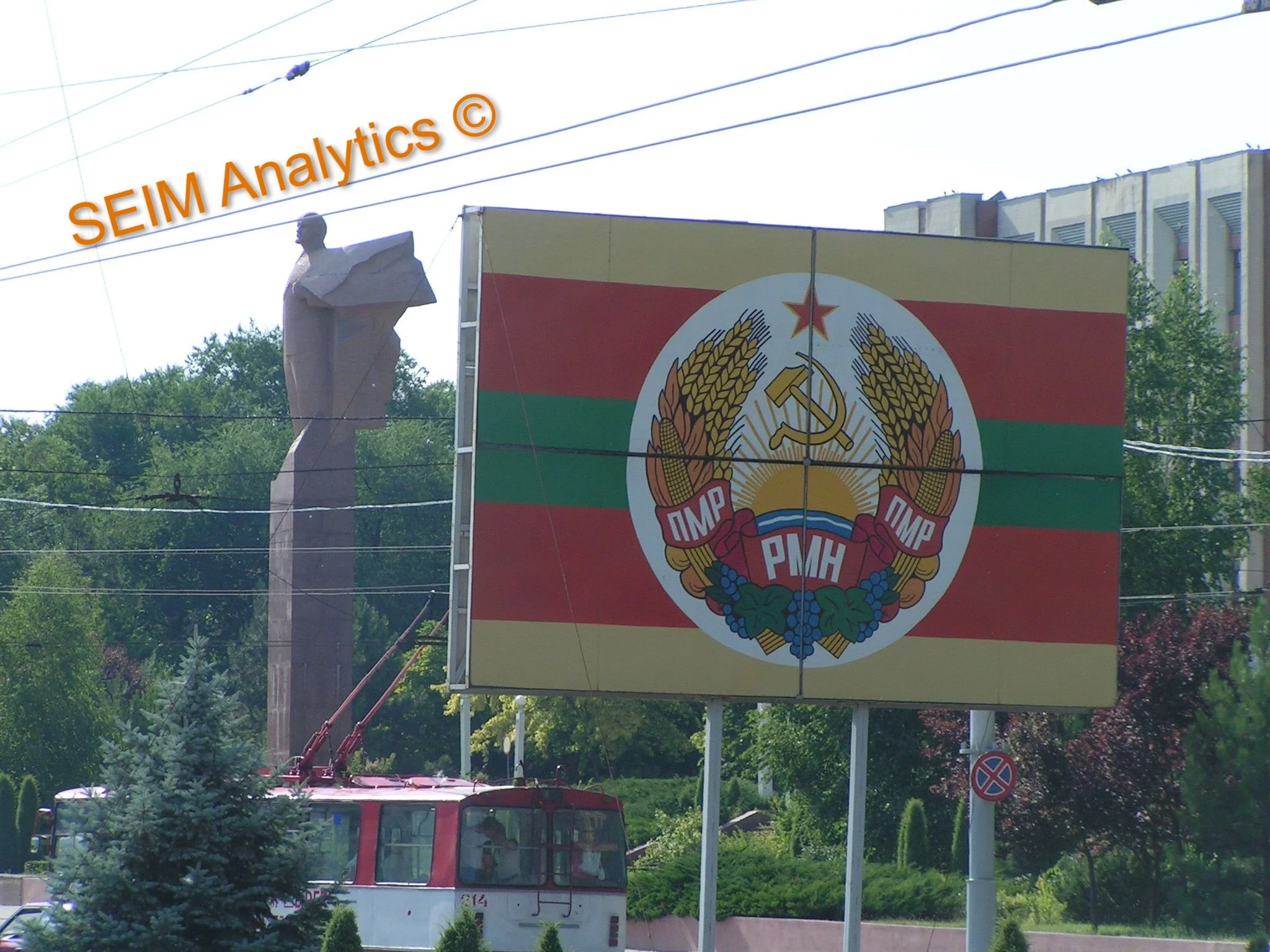
Dr. Seim in Tiraspol, the capital of the unrecognized break-away Transnistria Republic
SEIM & the EASTERN BALKANS:
MOLDOVA, ROMANIA, BULGARIA
For the Eastern Balkans, SEIM Analytics is focused on post-communist transformation, election analysis and democratization. It conducts conflict monitoring (Moldova/Transnistria) and analyses the consequences of the war in Ukraine and energy politics for the regions place in wider geopolitics. Academic interests are also on 19th and 20 century nation-building history and war history (both regional and world wars).
MOLDOVA:
For geopolitical reasons, by bordering Ukraine’s Odessa region and due to the Russia-supported separatist Transnistria republic, the Republic of Moldova is a key focus of attention for SEIM Analytics after numerous professional engagements. SEIM was serving as a long-term election observer for OSCE/ODIHR in Bălți, Moldova’s second biggest city, and Glodjani District, in the parliamentary elections in 2014 and again in the local elections in 2023. Engagements also include the role as short-term election observer in Rîșcani District in 2021 for the parliamentary election.
These professional engagements encompassed meeting former ministers (the former Defence Minister and Interior Minister), the former president, former and incumbent mayors, mayoral and presidential candidates, civil society, election stakeholders, and election administration. These months of analytical work, logistics, and in-field reporting and observations resulted in lectures (twice) about Moldova’s politics for 20-30 short term election observers of OSCE/ODIHR and briefing of a delegation from the EU Parliament (2023). Both in 2014 and 2013, from this work in the important city of Bălți, key inputs and substantiated findings was taken up in the preliminary statement of ODIHR and impacting several statistics and footnotes.
With the Russian invasion of Ukraine, SEIM Analytics is following the emergency situation with military developments only kilometres from Moldova’s borders closely, including the humanitarian situation with influx of refugees and military draft resisters. In this regard, SEIM Analytics is positioned to take on tasks to support Moldova with sound policy advice, analysis, and conduct unbiased and factual political monitoring.
Also travels to Moldovan towns took place in a private capacity, like to Komrat, Chisinau, Cahul, Tiraspol in 2005, so SEIM’s Moldova-relation is long-term.
SEIM Analytics offers a collection of photography from numerous Moldovan cities, towns, and districts. Go to Photo Sale Moldova!
SEIM Analytics offers the Moldova-related presentation:
ROMANIA:
The Balkans (Southeast Europe) with Romania is the prioritized focus of SEIM Analytics. In the 2000s, Seim conducted numerous research trips to the country to assess its cumbersome transformation from a rather closed-style communism under Ceausescu. Visits went to Bucharest, Timișoara, Cluj, Iași, Galați, Oradea, Baia Mare, Satu Mare... After becoming member of the European Union in 2007, Romania has transformed and modernized considerably.
From late March to late May 2025, Seim participated in the observation mission of the OSCE/ODIHR to Romania for the repeat presidential elections on 4 and 18 May, observing in the capital Bucharest and in Ilfov County while engaging with a wide range of stakeholders, including election officials, political party representatives, media, civil society organizations, and minority communities, like numerous Roma officials. As an election expert, SEIM produced a dozen election recommendations.
Although this controversial repeat election eventually led to an election win of the liberal, pro-EU presidential candidate, the Bucharest mayor Nicușor Dan, from the wider electoral and societal perspective, the election signalled internal dissatisfaction in Romania. It was following a pattern of a move to the right, also observable in other countries in the previous communist parts of Europe, like Poland and Slovakia. See a Romania election report and analysis of SEIM Analytics HERE.
SEIM Analytics offers a collection of photography from numerous Romanian cities and counties. Go to Photo Sale Romania.
BULGARIA:
A key Balkan state per geographical definition. After becoming member of the European Union in 2007, Bulgaria has transformed and modernized considerably. Wage growth has contributed to a growing middle-class, but inflation and cost of living is a concern for many citizens. Despite its rapid progress, Bulgaria faces pockets of socio-economic hardship and regional growth disparities. The latest years have seen an increasingly polarized political landscape, with years of repeated early elections due to stalemates in the parliament and failures to form a stabile ruling coalition. From April 2021 to June 2024, Bulgaria had six (!) early elections. There are concerns voiced about political clientelism, corruption, and oligarchic ties of politicians. For instance, the nationalist, anti-EU and to some degree pro-Russian Revival (Vazrazhdane) party has benefited from this political situation, achieving 14% in the three latest parliamentary elections. As in Romania and Moldova, also Bulgaria faces potentials for Russian disinformation and cyber attacks. Here, a challenge is its weak institutions in media regulation. Opinion polls claim that more than a third of Bulgarians express “understanding” for Russia’s positions.
Bulgaria is a gas transit country and gas hub and electricity exporter, so important for the energy security of Southeast and Central Europe, but also vulnerable, with 80% of its oil and gas coming from Russia before the 2022 war in Ukraine. This is now attempted diversified through regional interconnectors that can access Azeri gas.
Bulgaria faced a challenging post-communist transformation in the 1990s and the 2000s. SEIM explored the country widely around 2000-2001 simultaneously with Bulgarian language studies in Sofia, Varna, and Veliko Tarnovo. From this period, SEIM Analytics offers a collection of photography from numerous Bulgarian regions. Go to Photo Sale Bulgaria.
After its independence in 1991, EU has been slow to support Moldova, that has been suffering from a profound socio-economic crisis due to corruption and poor governance, with the result that more than a million of its population has left the small country, half a million to Russia, and the other half to the West. EU and US attention to this poorest state in Europe increased from 2014 with the war in the Donbas/Ukraine that increased the geopolitical importance of Moldova considerably. EU-support to the civil sector and to Moldova in general probably helped the pro-EU Party of Action and Solidarity (PAS) of Maja Sandu win with a landslide in 2021. In March 2022, Chișinău applied for EU membership, and Moldovans reaffirmed this ambition and enshrined EU membership in its constitution in a very narrowly passed and disputed referendum vote in October 2024. In latest years, EU has provided assistance in combating cyberattacks, and large investments were made to re-orient Moldova's energy supply away from its dependence on Russia, which has been invested in Moldova since offering a peacekeeping role after the 1990-92 war of separation of the Transnistria Republic. Since 1993 the Transnistria conflict has being negotiated under the so-called 5+2-Format of the OSCE.
From SEIM Analytics News/Blog: newest assignments, reports, and engagements related to the Eastern Balkans (from 2023) >
The 2023 Local Elections in Moldova from the Perspective of the City of Bălți (21 August 2024, in retrospect)
Romania’s Controversial 2025 Repeat Presidential Election (25 May 2025)
The Spring Seminar of the Vienna Institute of International Economic Studies (WIIW) (on Romania and Central Europe) (6 June 2025)
Pro-EU Win in Moldova’s 2025 Parliamentary Election, but Democracy Loses? (03 October 2025)
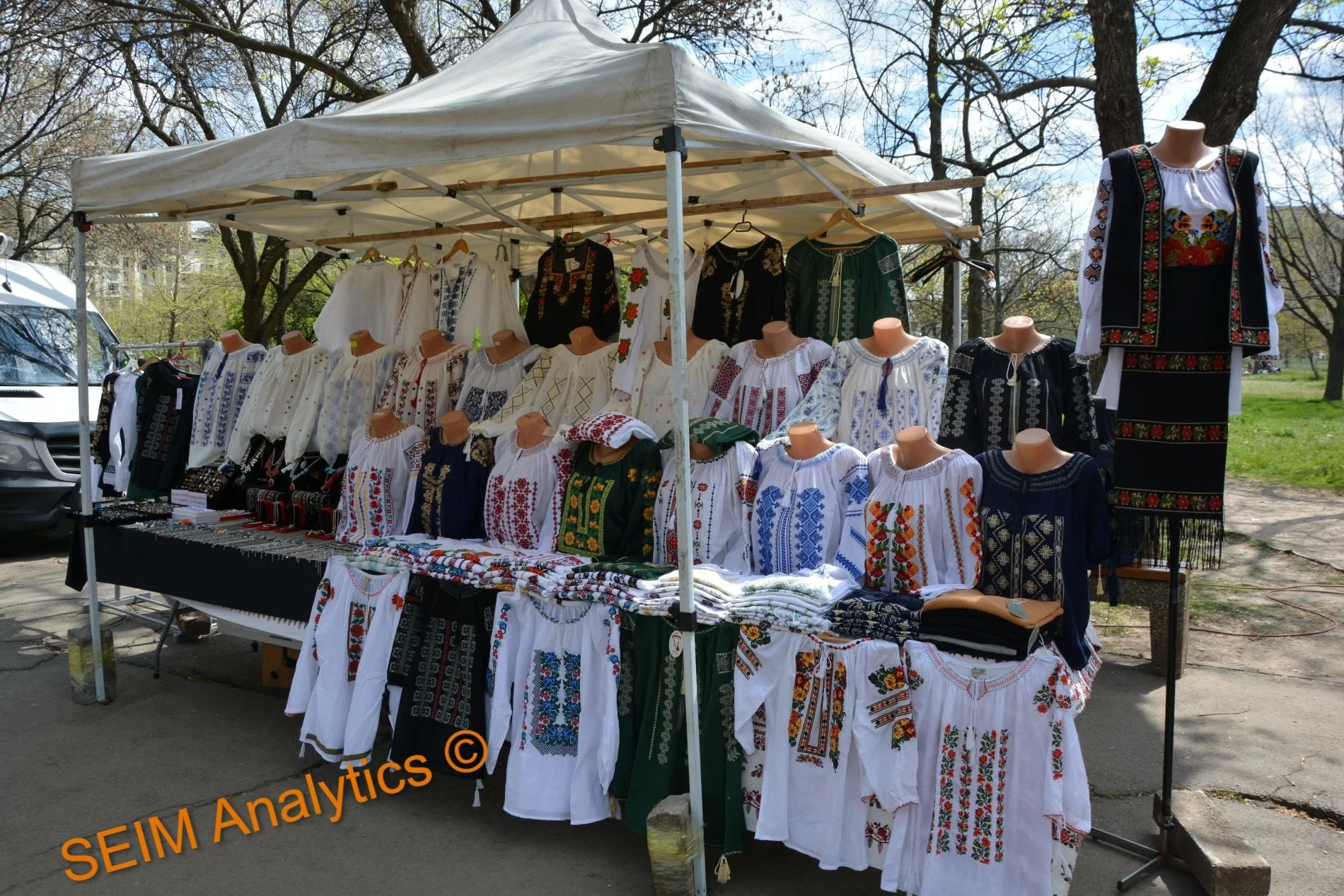
Bucharest, Romanian national dresses for sale
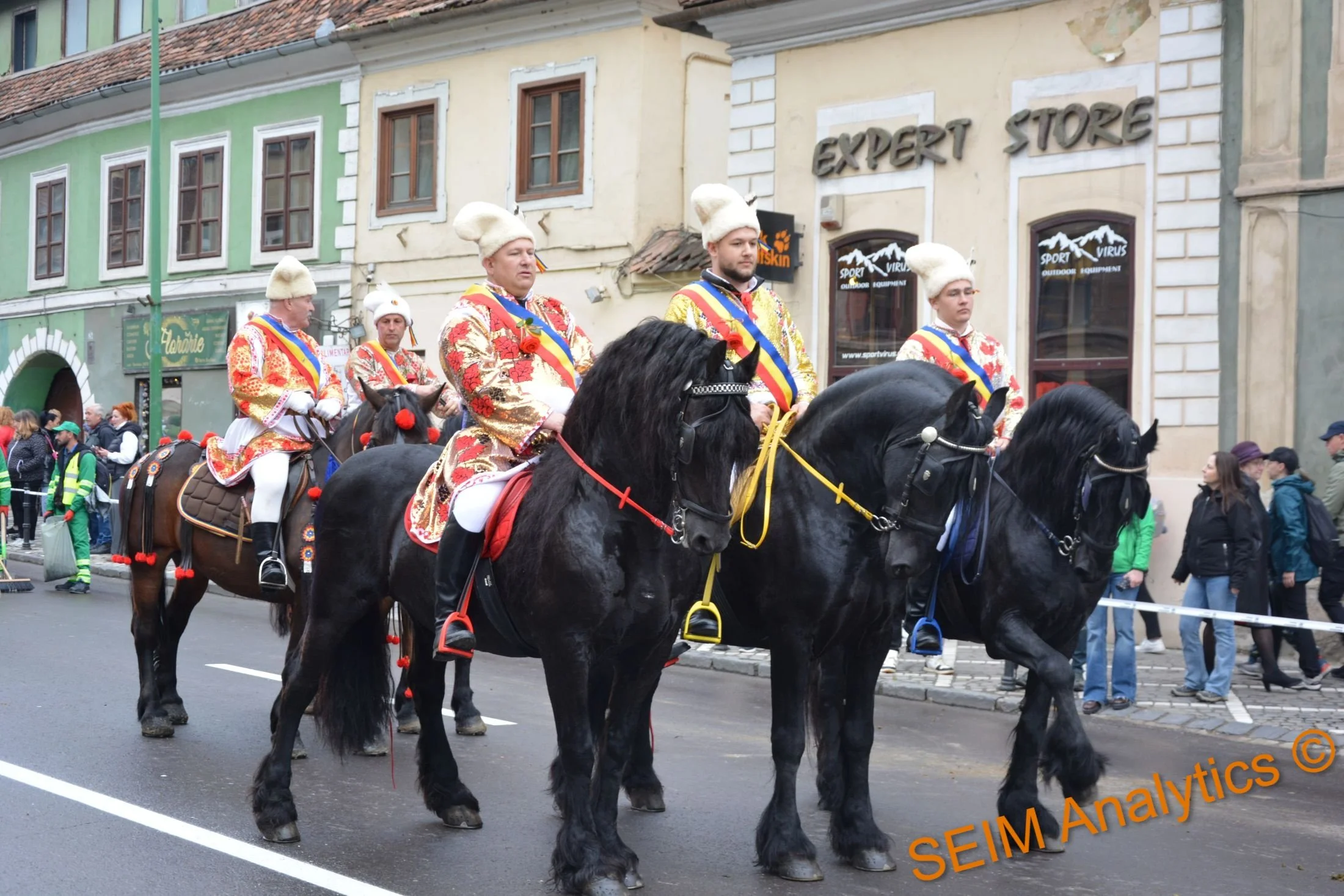
Parada Junilor Brasoveni, 2025.
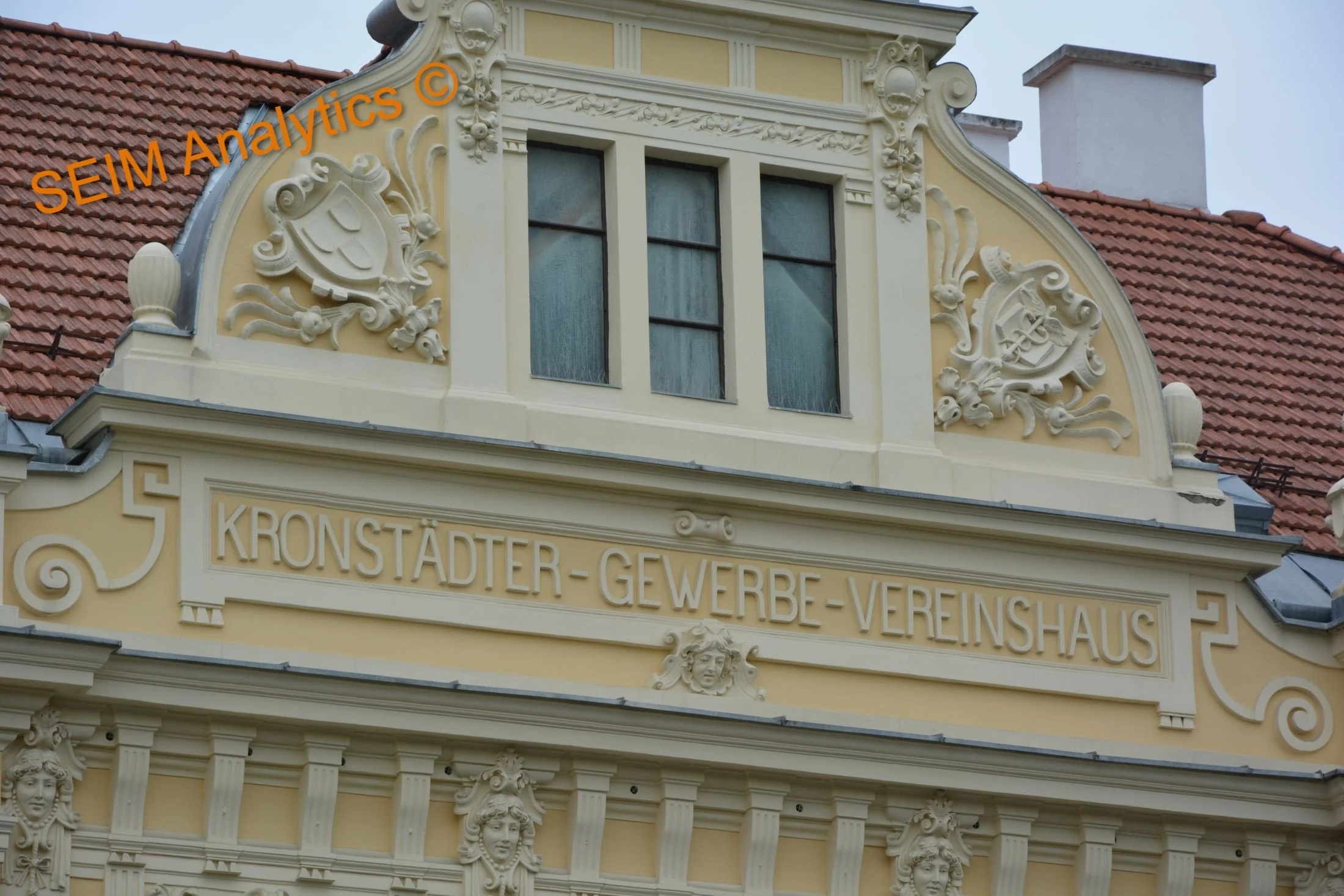
Brasov City - or Kronstadt (where many Siebenbürgen Germans used to live)
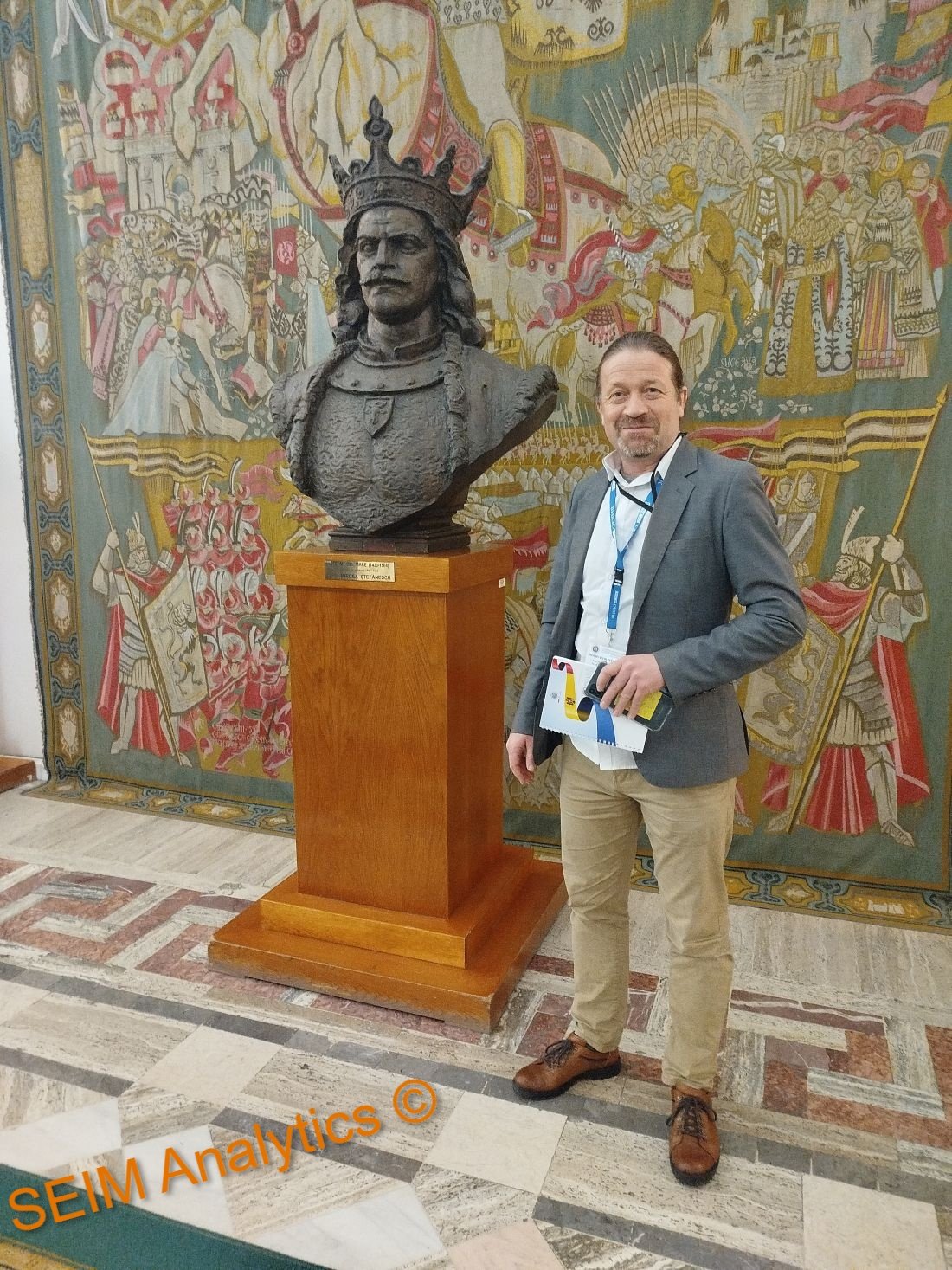
Dr. Seim in the parliament of Romania
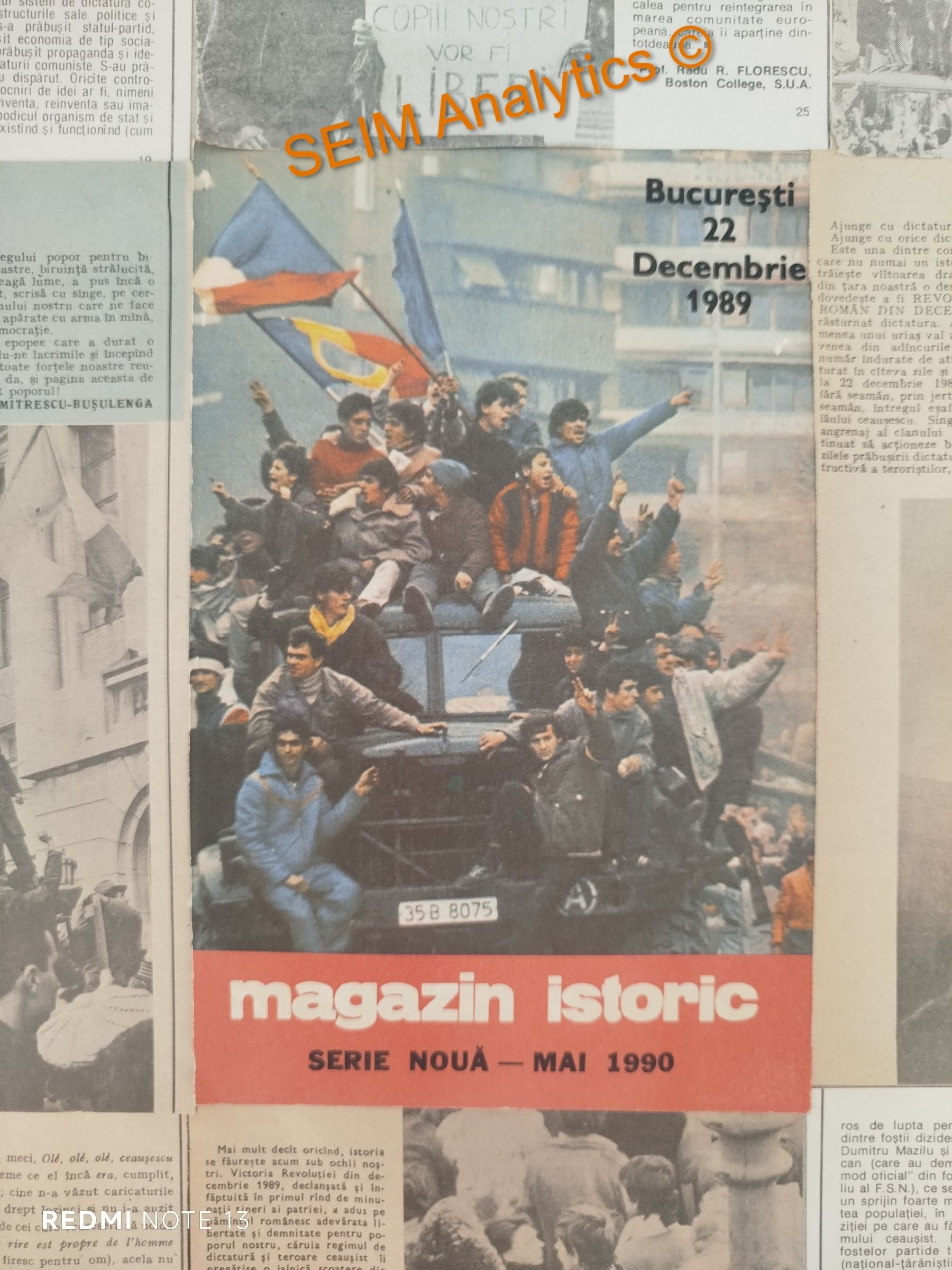
Photo at the Museum of Communism, Bucharest.
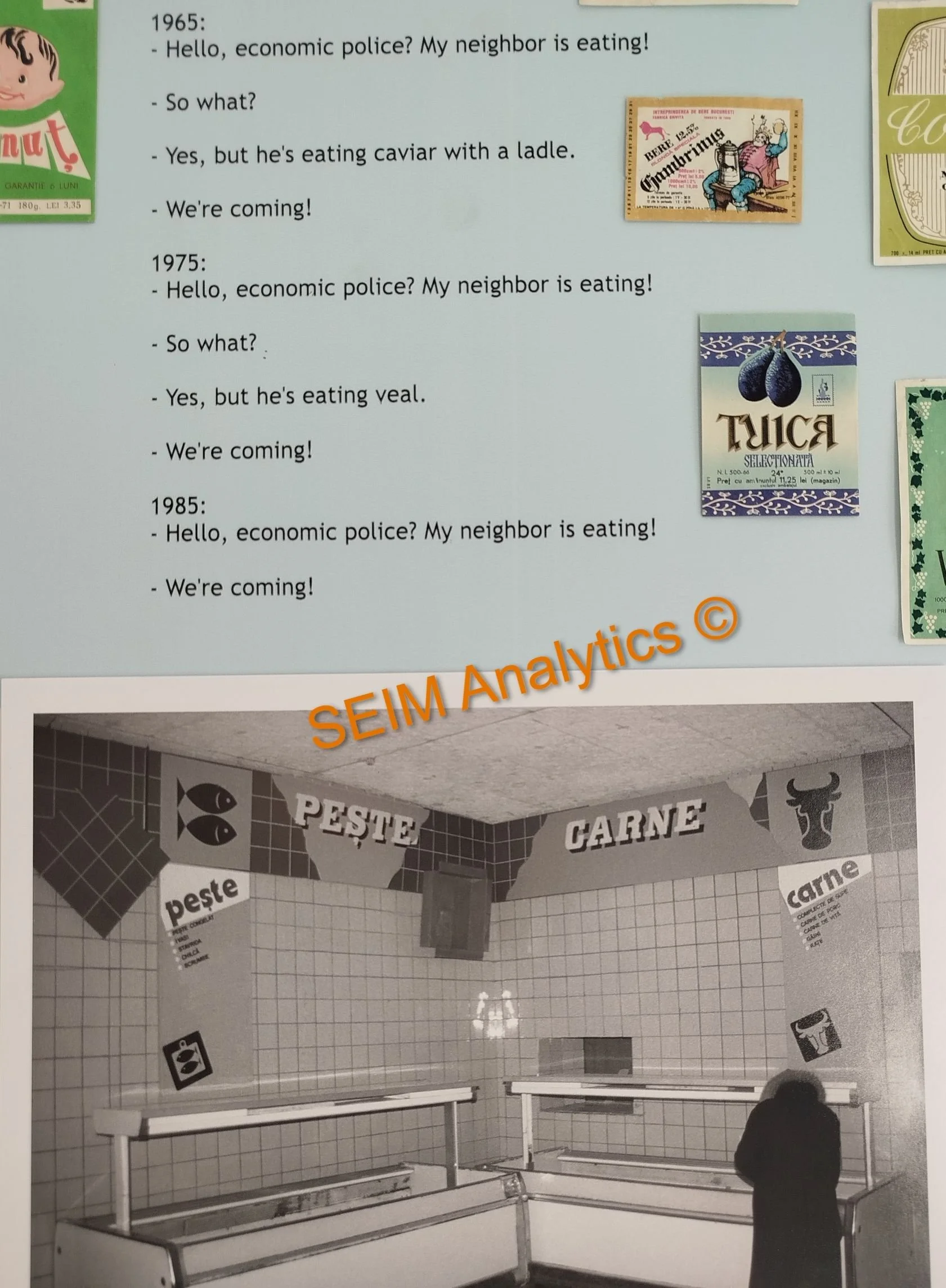
Photo at the Museum of Communism, Bucharest.
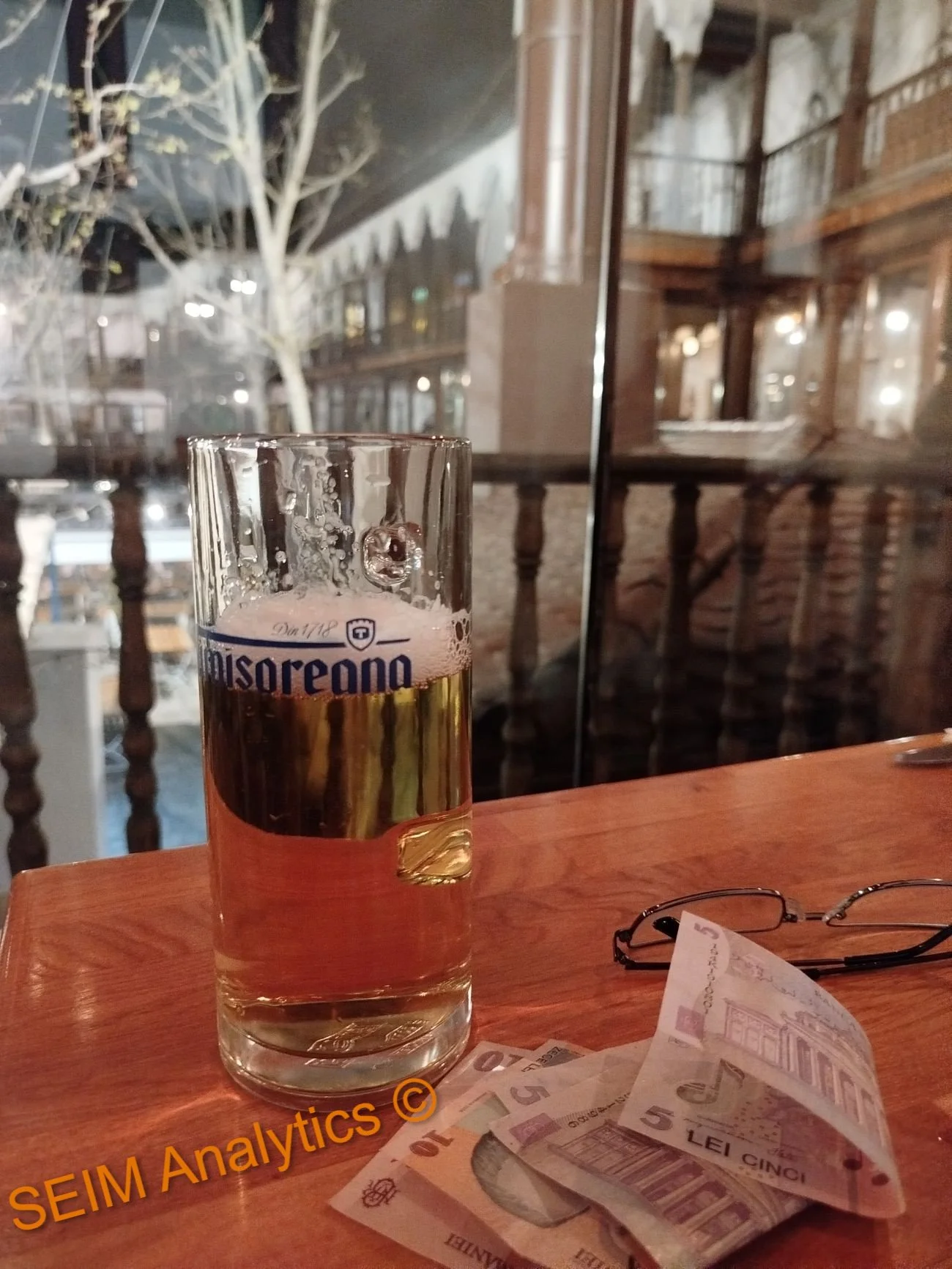
At the famous Manuc's Inn, the oldest restaurant hotel in Bucharest, built in 1808 as a khan, and originally owned by a wealthy Armenian entrepreneur.
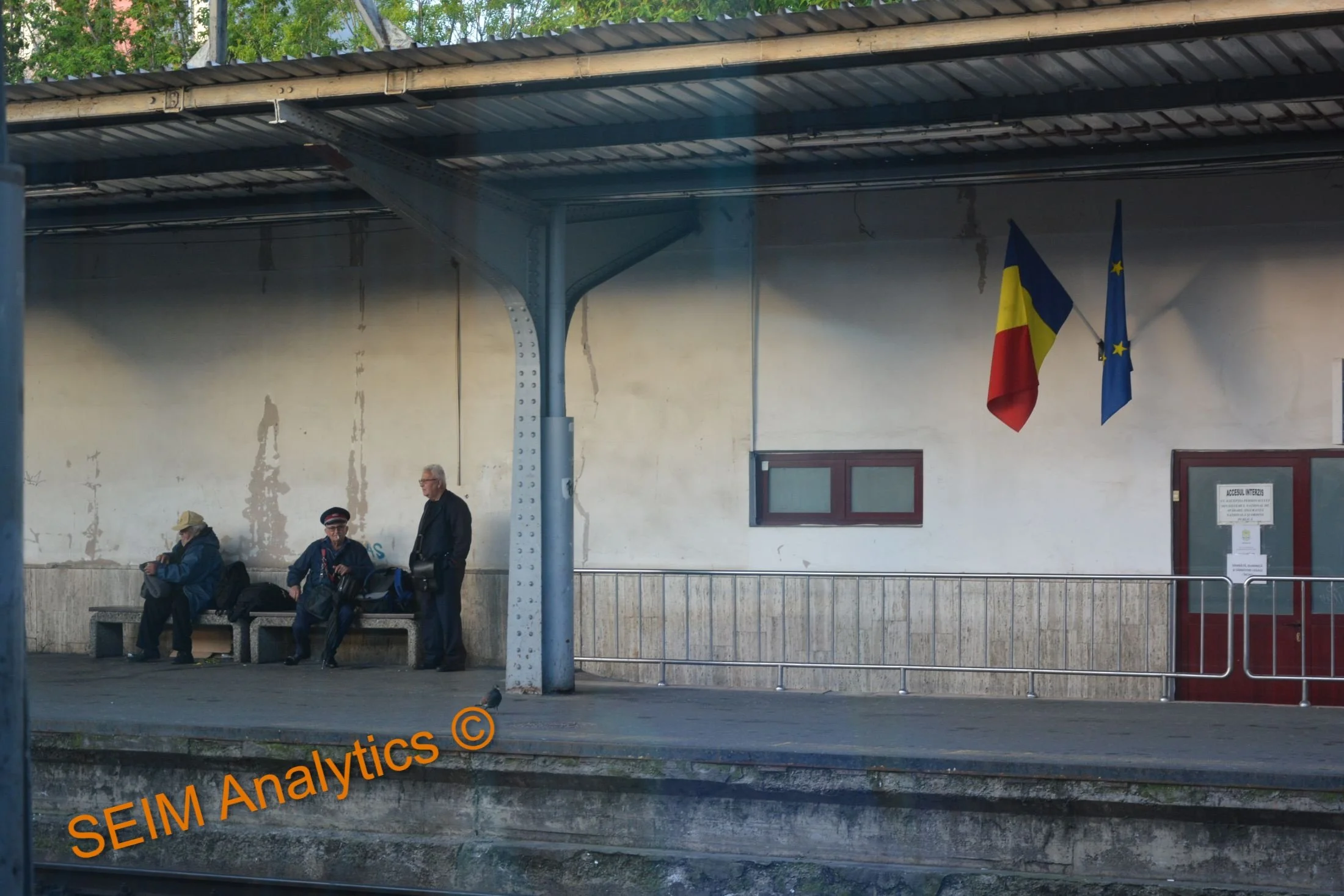
Bucharesti Nord train station proximity
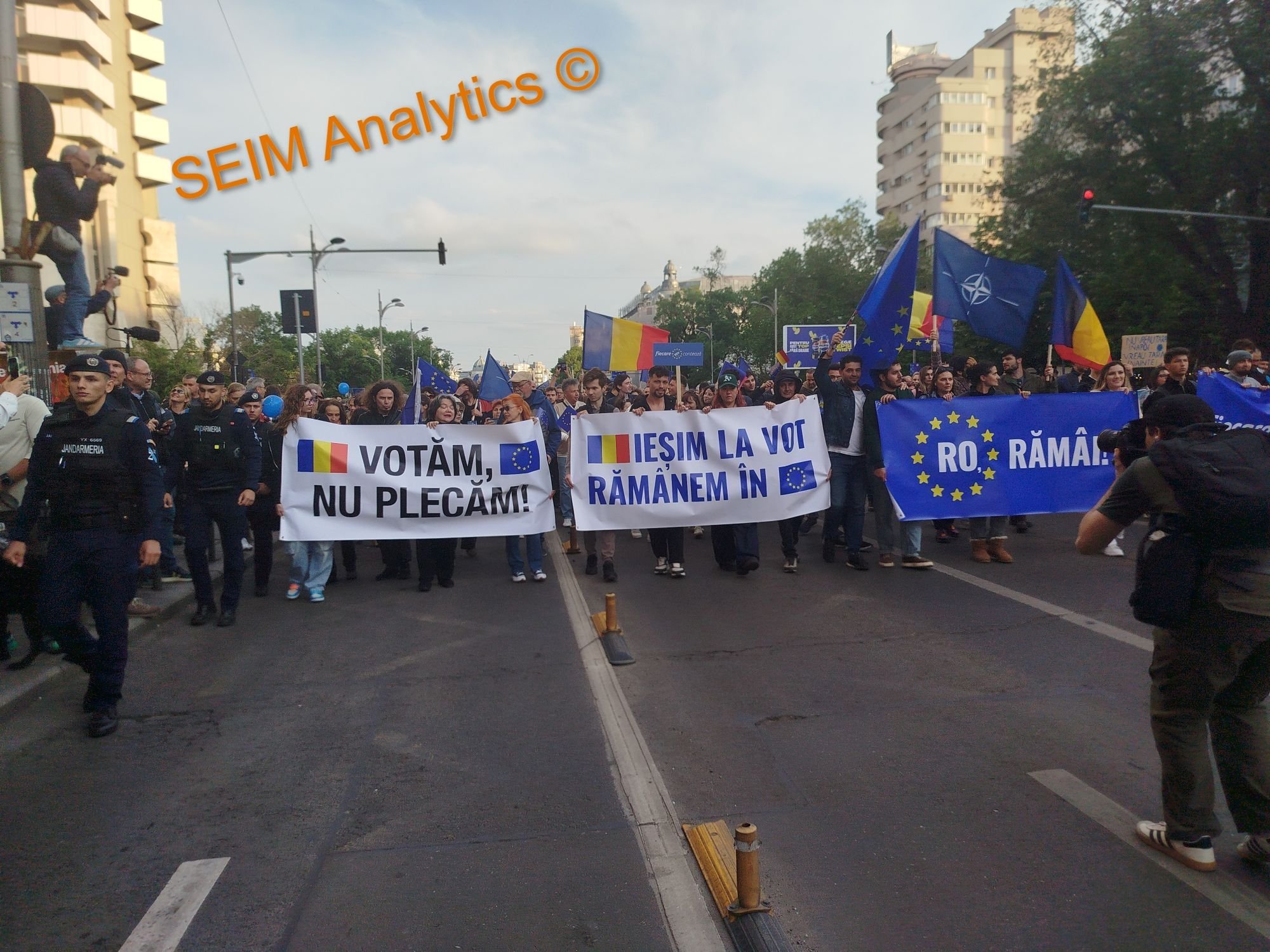
Pro-EU demonstration in Bucharest, May 2025
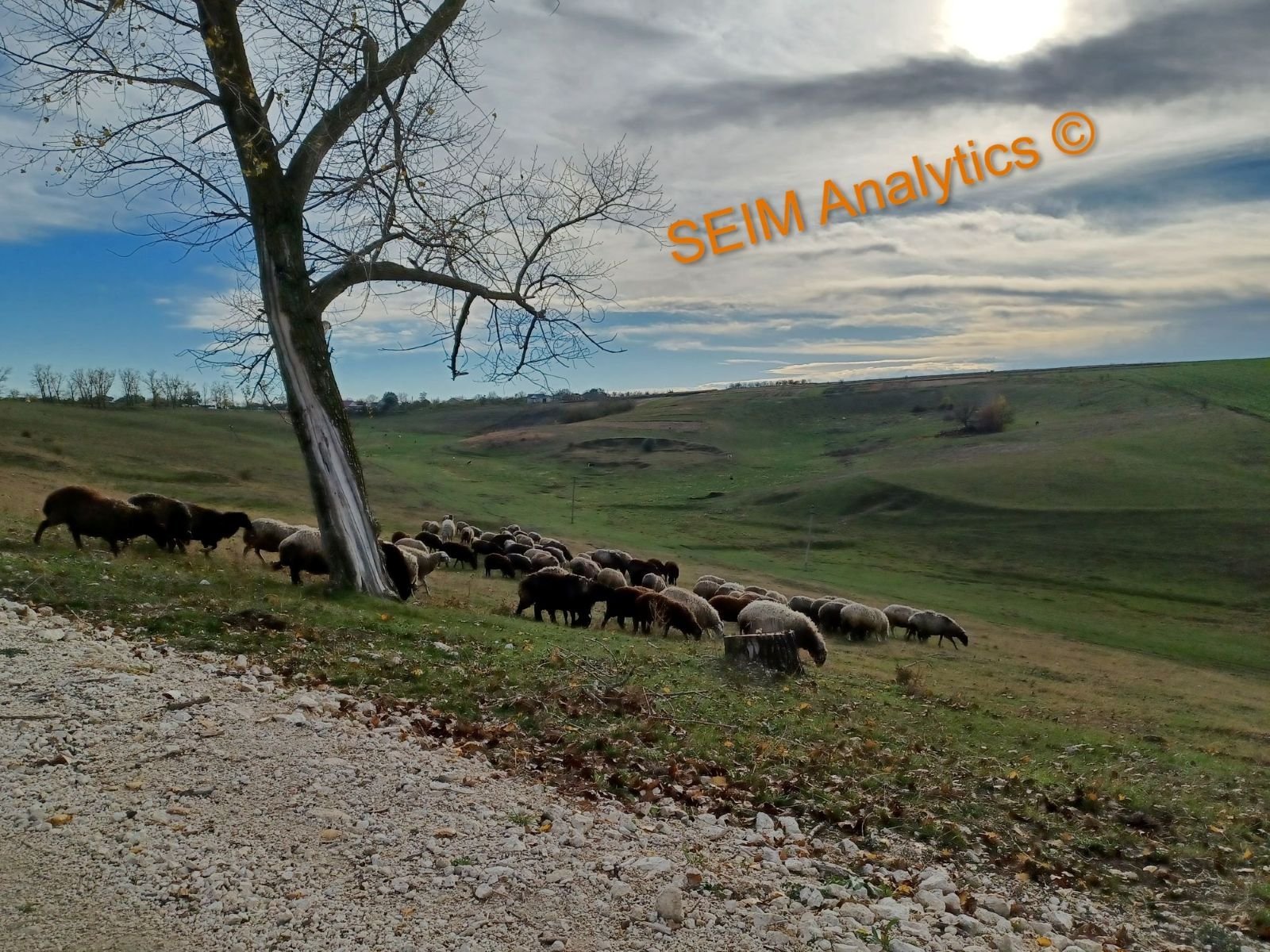
North Moldovan landscape, Riscani District
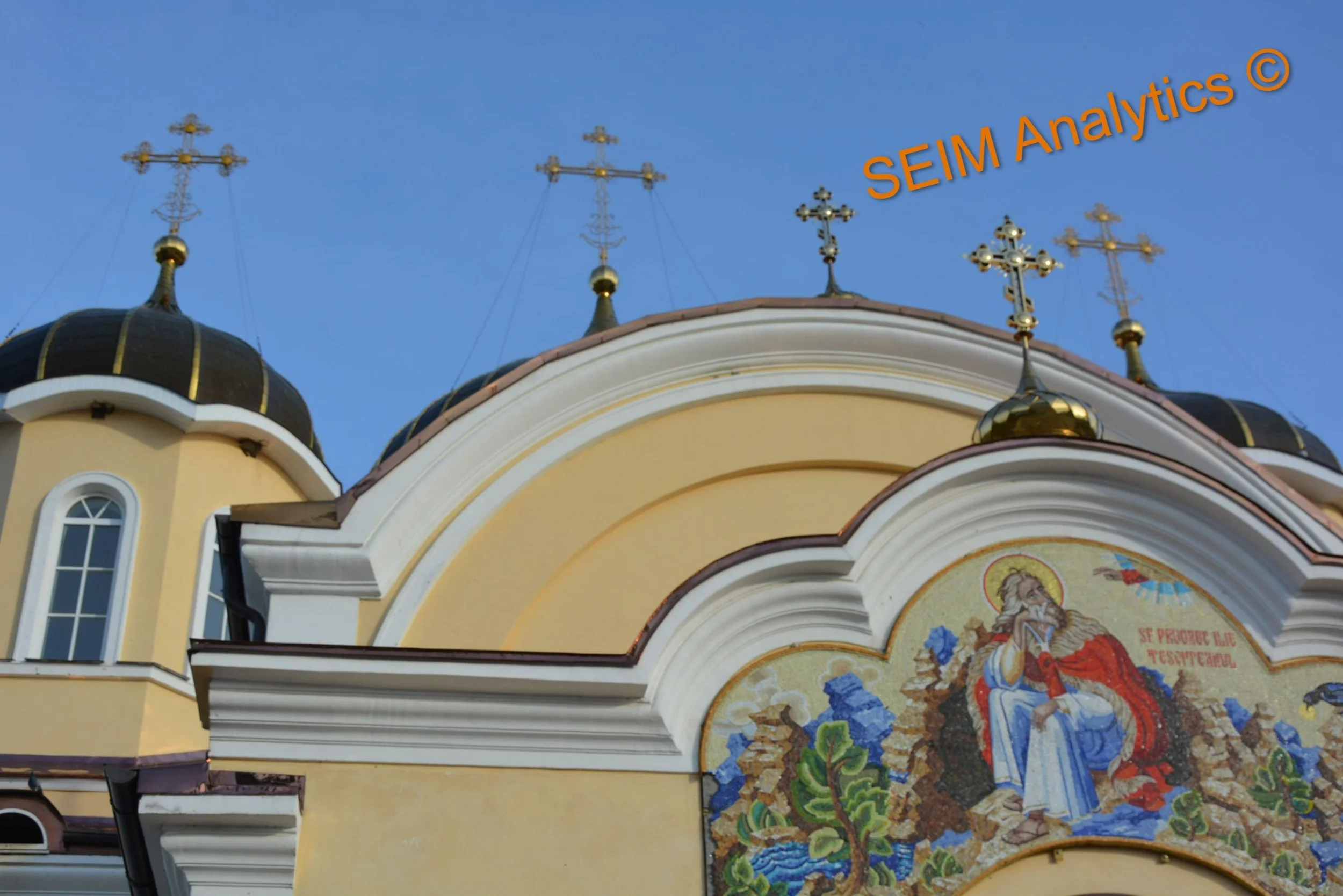
Moldovan church, Riscani District
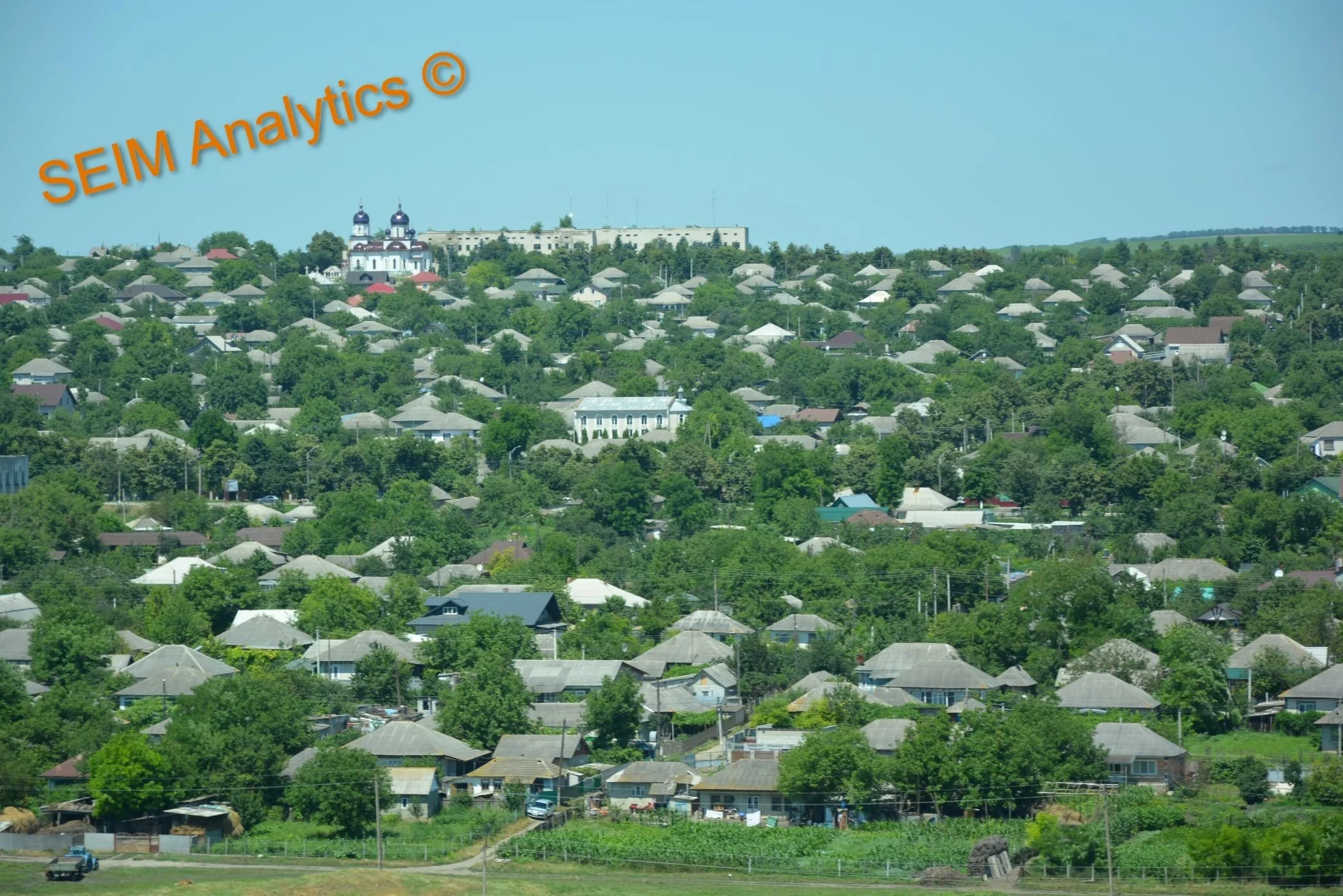
Singerei town, North Moldova
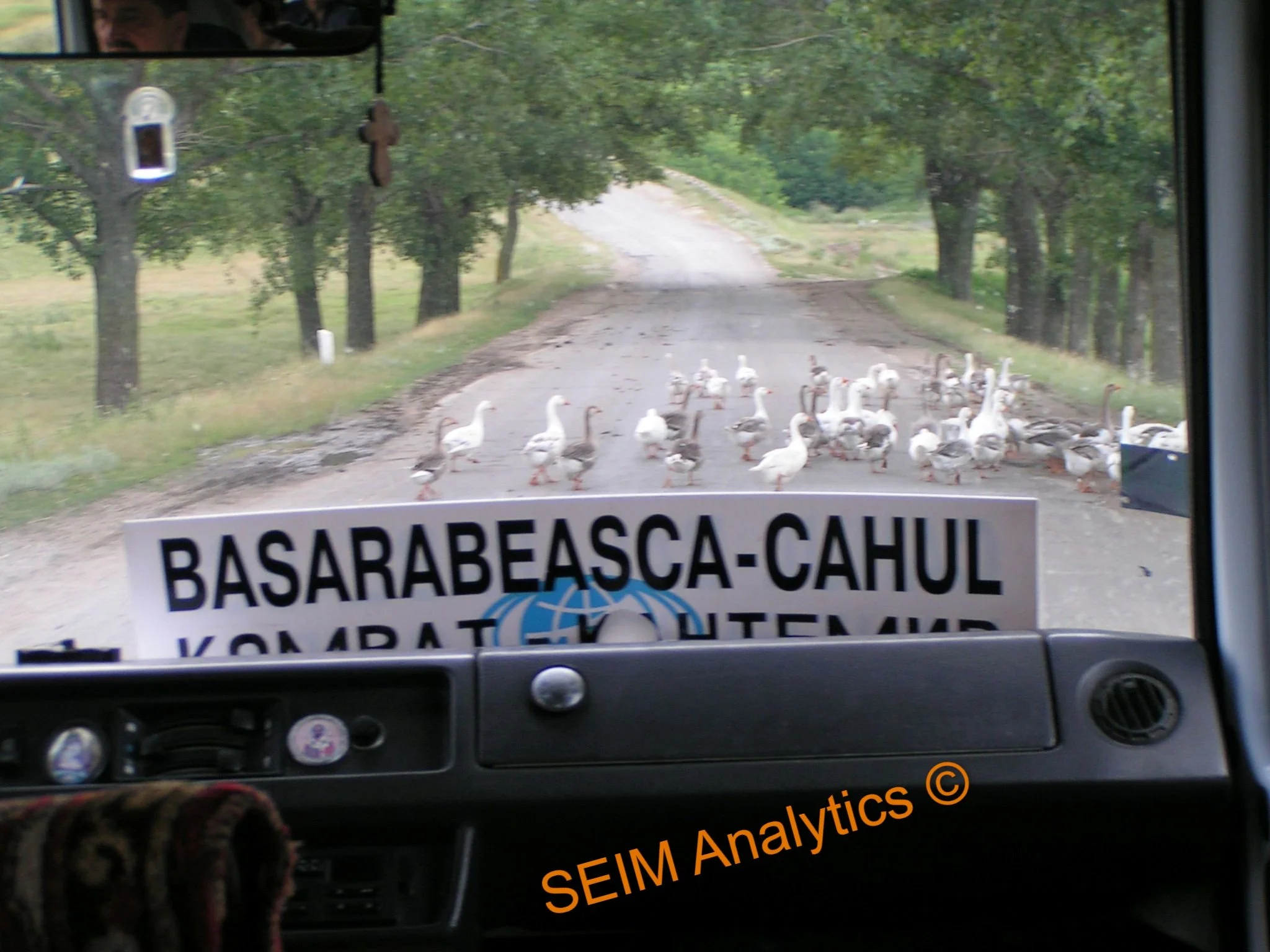
Moldova in 2005
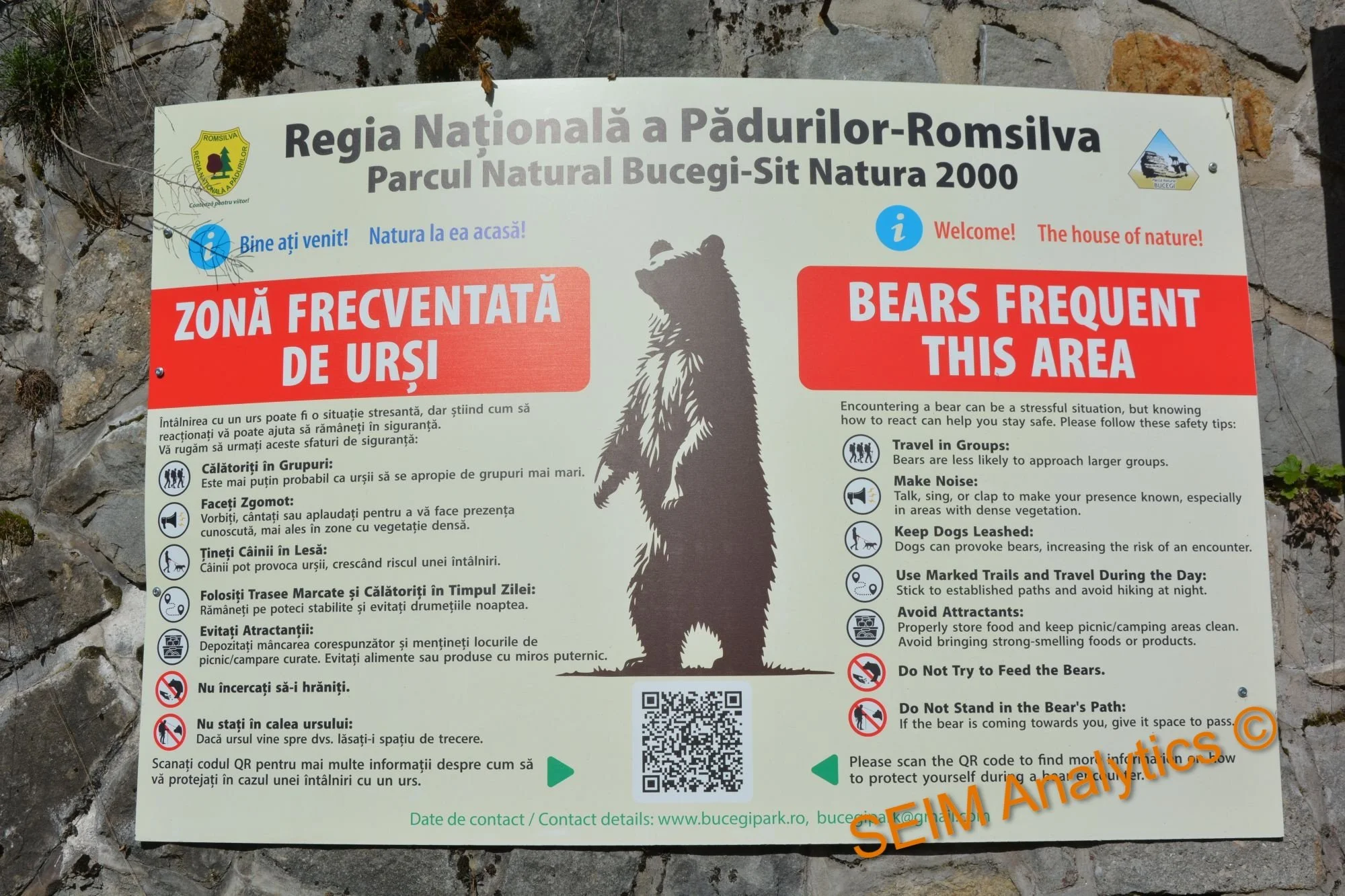
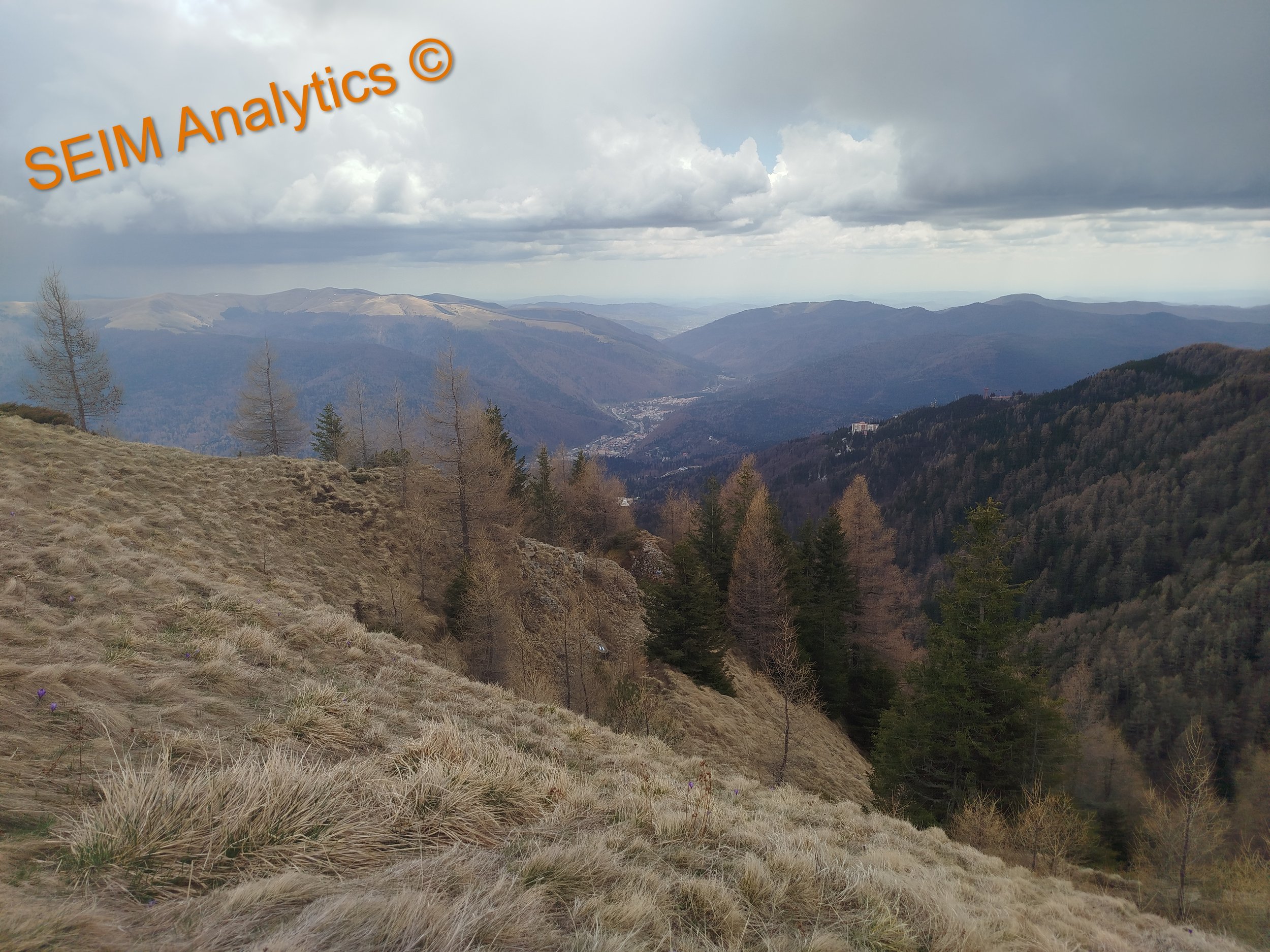
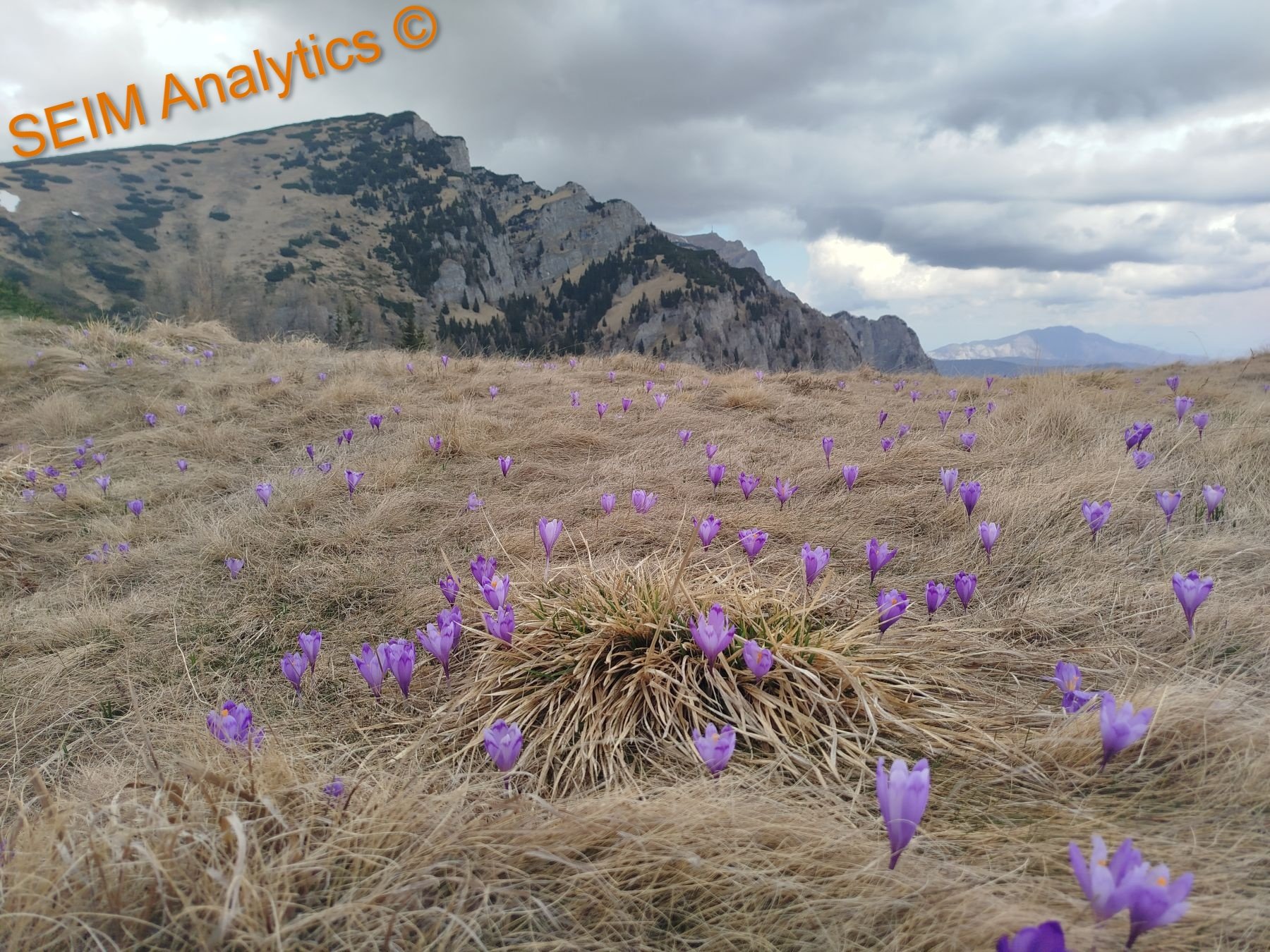
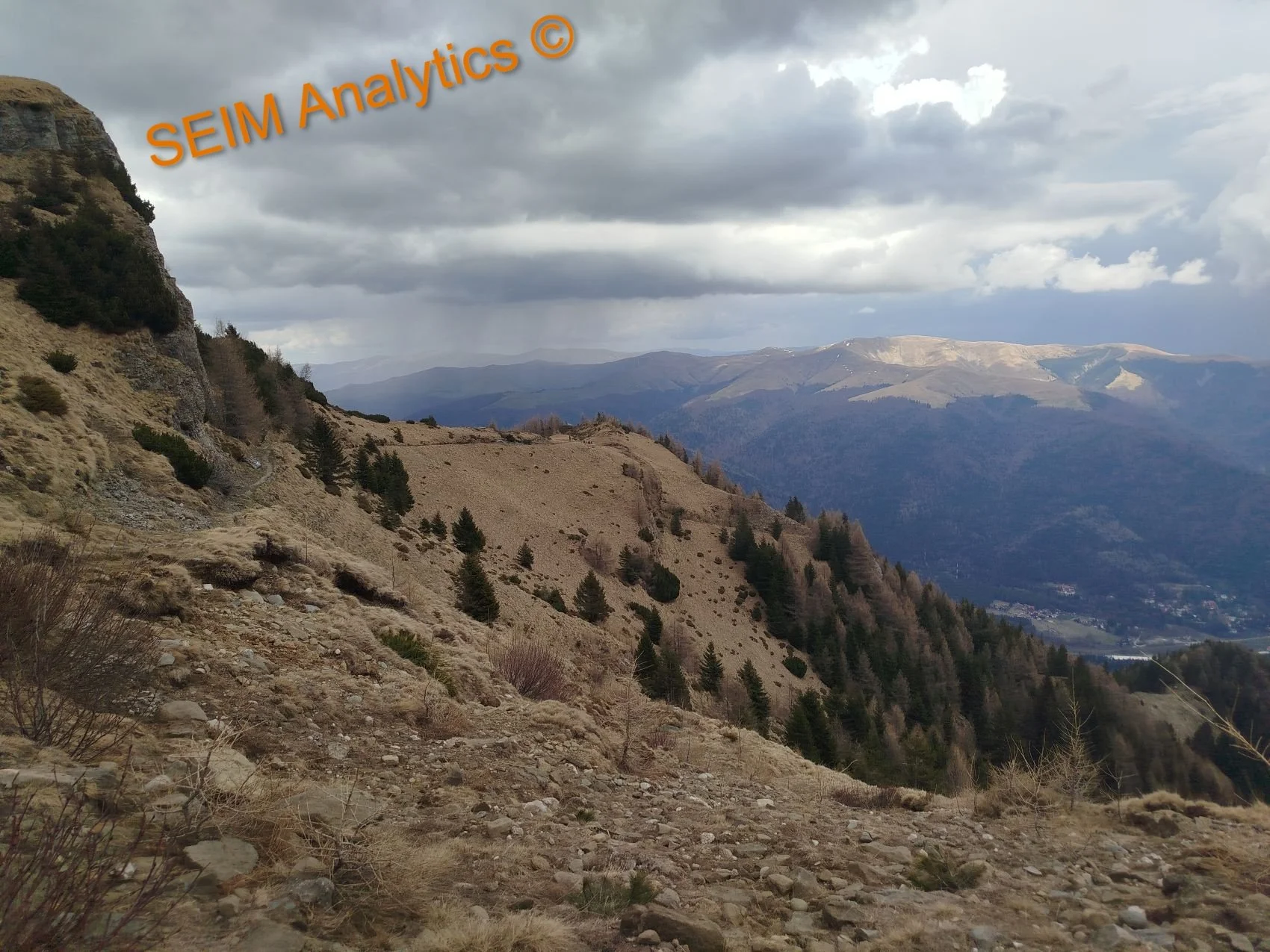
Hiking the Route 5 at Sinaia, Karpaty Mountains, April 2025