
Romania’s Controversial 2025 Repeat Presidential Election
24 May 2025
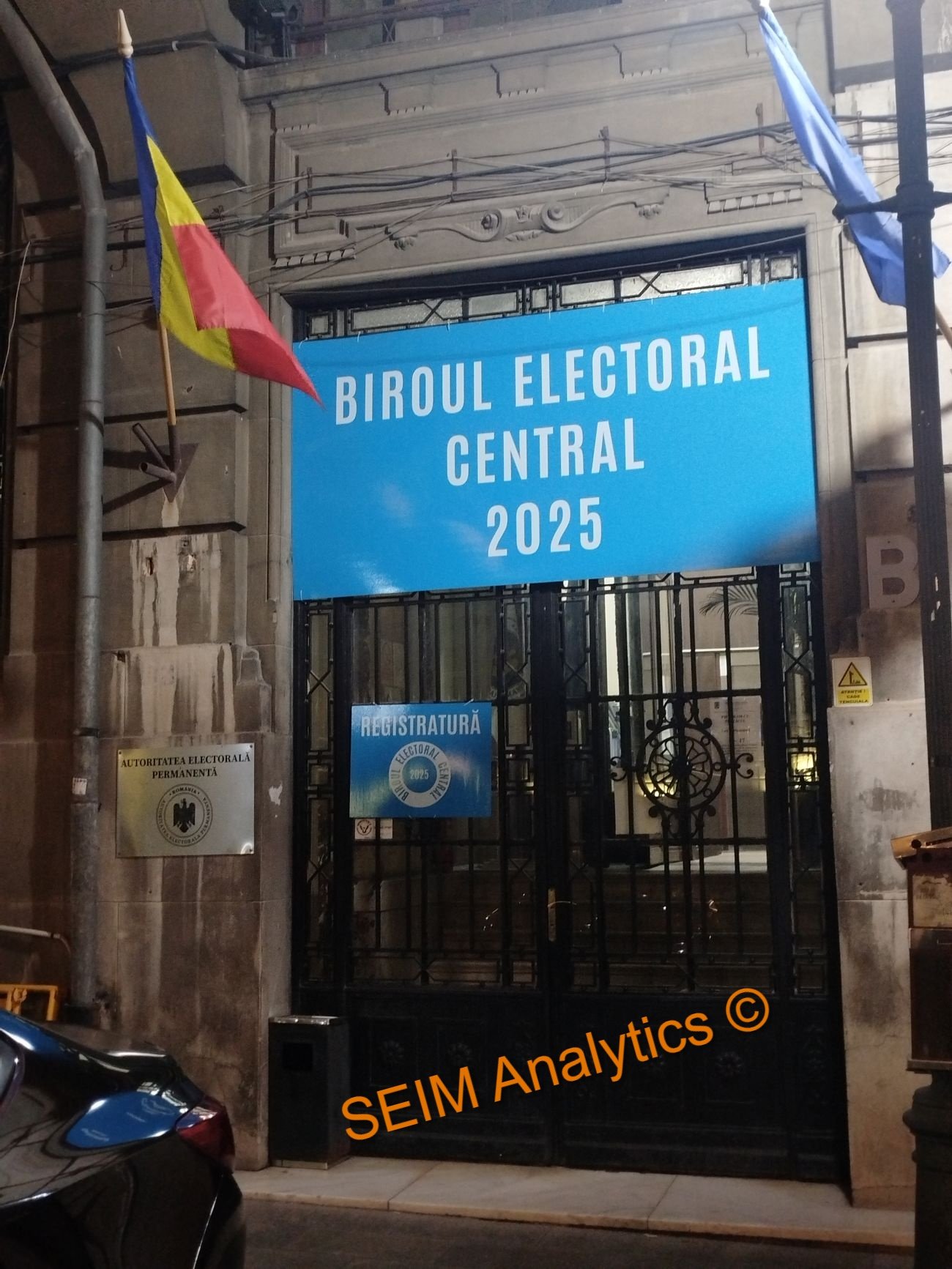
From March to late May, Seim participated in the observation mission of the OSCE/ODIHR to Romania for the repeat presidential elections on 4 and 18 May.
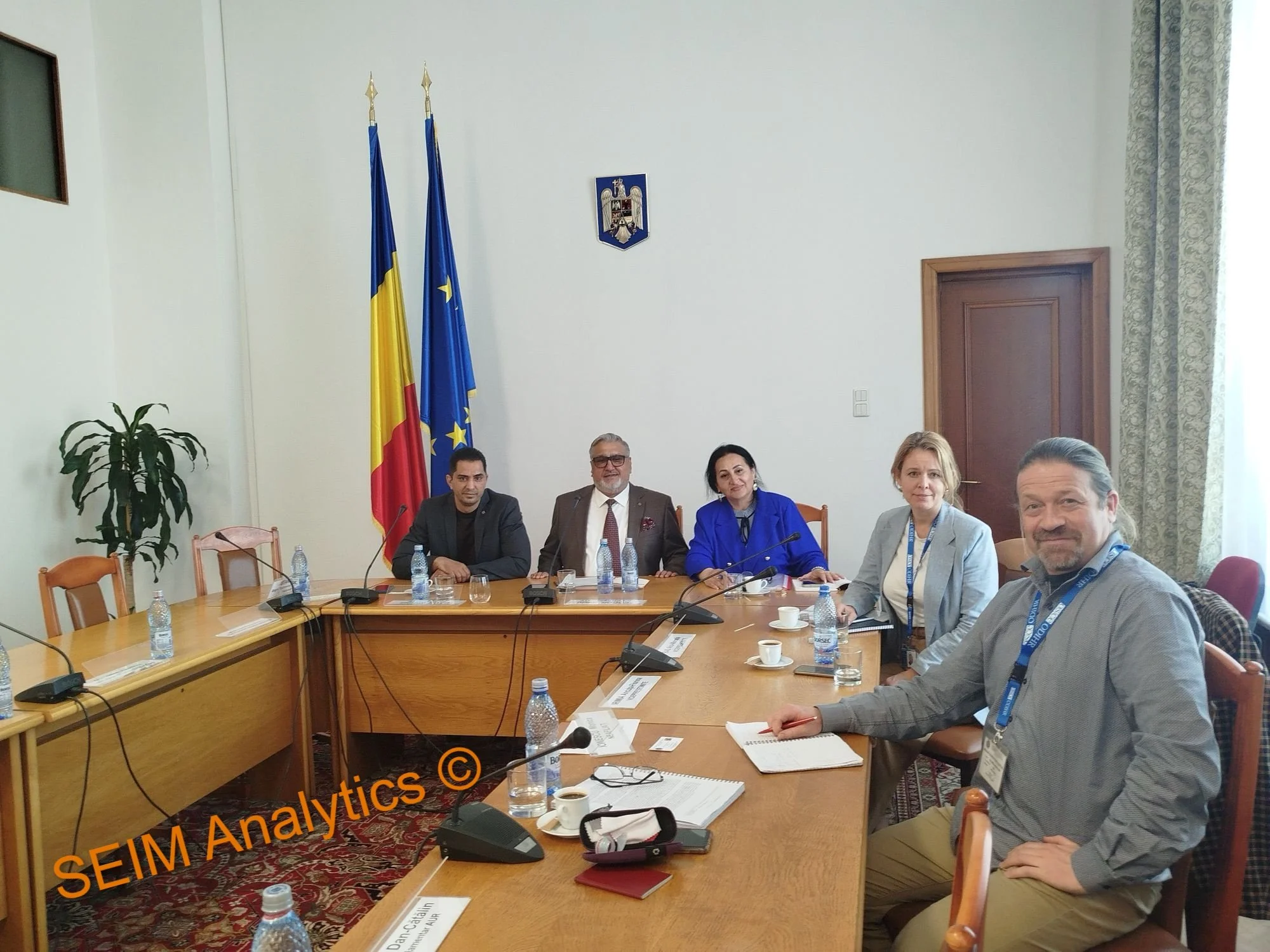
Seconded from Norway to Organization for Security and Cooperation (OSCE/ODIHR) through the NORCAP expert roster, Seim was observing in the capital Bucharest and in Ilfov County and engaged with a wide range of stakeholders, including election officials, political party representatives, media, civil society organizations, and minority communities, like numerous Roma officials.
Seim’s team contributed key inputs to the Interim Report and Preliminary Statement, ahead of the OSCE/ODIHR Final Report.
Disclaimer: The reflections in this blog post of the political analyst and historian Dr. Seim do not reflect any official OSCE/ODIHR position. They are exclusively found in the linked-to OSCE/ODIHR reports.
(Photo: The Central Election Commission of Romania in Bucharest annulled the election win in Round 1 of Călin Georgescu.)
Restored stability: After the political crisis triggered by the cancellation of Round 2 on 6 December 2024, and the subsequent denial of participation of two important candidates, Călin Georgescu and Diana Șoșoacă, the successful repeat elections have brought back political stability and ensured a continued pro-EU course. Yet, the parliamentary situation remains fragile and the governing coalition fragmented. The trust towards Romania’s political institutions has been shaken by these elections. To regain citizens’ trust and attention, reforms are needed especially in the media and security sector.
Election results: In a protest vote after the second round of the presidential elections was cancelled on 6 December 2024, in the first round of the repeat presidential election on 4 May 2025, the Călin Georgescu-aligned AUR party leader, George Simion, presenting himself as anti-system won clearly with 41%. He was clearly in front of his closest competitor, the Bucharest mayor Nicușor Dan (21%). Third with 20% was Crin Antonescu who was supported by the liberal PNL, the social-democratic PSD, and the Democratic Alliance of the Hungarians (the RMDSZ/UDMR). The independent candidate and former PM, Victor Ponta, who was high in the initial polls, fell behind after some controversial statements, achieved only 13%. Portraying himself as critical of the political establishment, Simion of the Alliance for the Union of Romanians (AUR) is believed to have taken over the electorate of Călin Georgescu, who won Round 1 on 24 November 2024, but also of Diana Șoșoacă, Yet, both were not allowed to stand in the May repeat election after the election cancelled of 6 December.
Increased turn-out in Round 2 was decisive: After mobilizing the non-voters for Round 2 on 18 May, the increased turn-out (64,7% v. 53,2%) made Nicușor Dan succeed in closing the gap and win with 53,6% against Simion’s 46,4%. Dan also gained the majority of support from Antonescu’s and Ponta’s voters. He won confidently in AoO. Simion first claimed to have won, later conceded defeat during the election night, before unsuccessfully challenging the result at the Constitutional Court.
See a good election result map with pie charts related to Round 2.
The online campaign: The campaign was barely visible on the streets, where only A4-sized posters were allowed in the campaign period, but bigger ones (paradoxically) were allowed beforehand. This is related to the 2016 campaign regulations that did away with the bigger billboards. Some find this to have been a positive step, as it broke the chains of politics to the business sector that often expected “return of investments” afterwards. Others consider that online campaigning needs additional regulation, but acknowledge that this is a challenging and fast-changing field to regulate without risking potential backlashes.
Only one major rally took place in Bucharest. In fact, such rallies are risky, as they create traffic congestions and might turn away voters instead, a mistake Victor Ponta learnt in his 2014 campaign.
The few open TV debates between the key contestants hindered a topic-oriented campaign. Instead, much was left to symbolic rhetoric and negative online campaigning. This prevented voters from seeing politicians in comparative settings and from informing themselves about actual policy choices and programs.
From a technical point of view, one key takeaway was the growing significance of online campaigning. The ODIHR cumulative report is quite some interesting reading with regard to how EU’s Digital Services Act (DSA) is being interpreted in practice—and the uncharted legal and procedural territory it exposes. The DSA requires Very Large Online Platforms (VLOPs) to proactively mitigate risks to civic discourse, electoral integrity, and public safety, including measures against inauthentic behavior on social media. However, the OSCE-ODIHR Preliminary Statement (of 5 May) also noted that the DSA’s broad definitions of “political actors” may have had a chilling effect on genuine (authentic) civic engagement, as in some cases, citizens’ social media posts were reportedly removed, raising some concerns about freedom of expression and the boundaries of regulation.
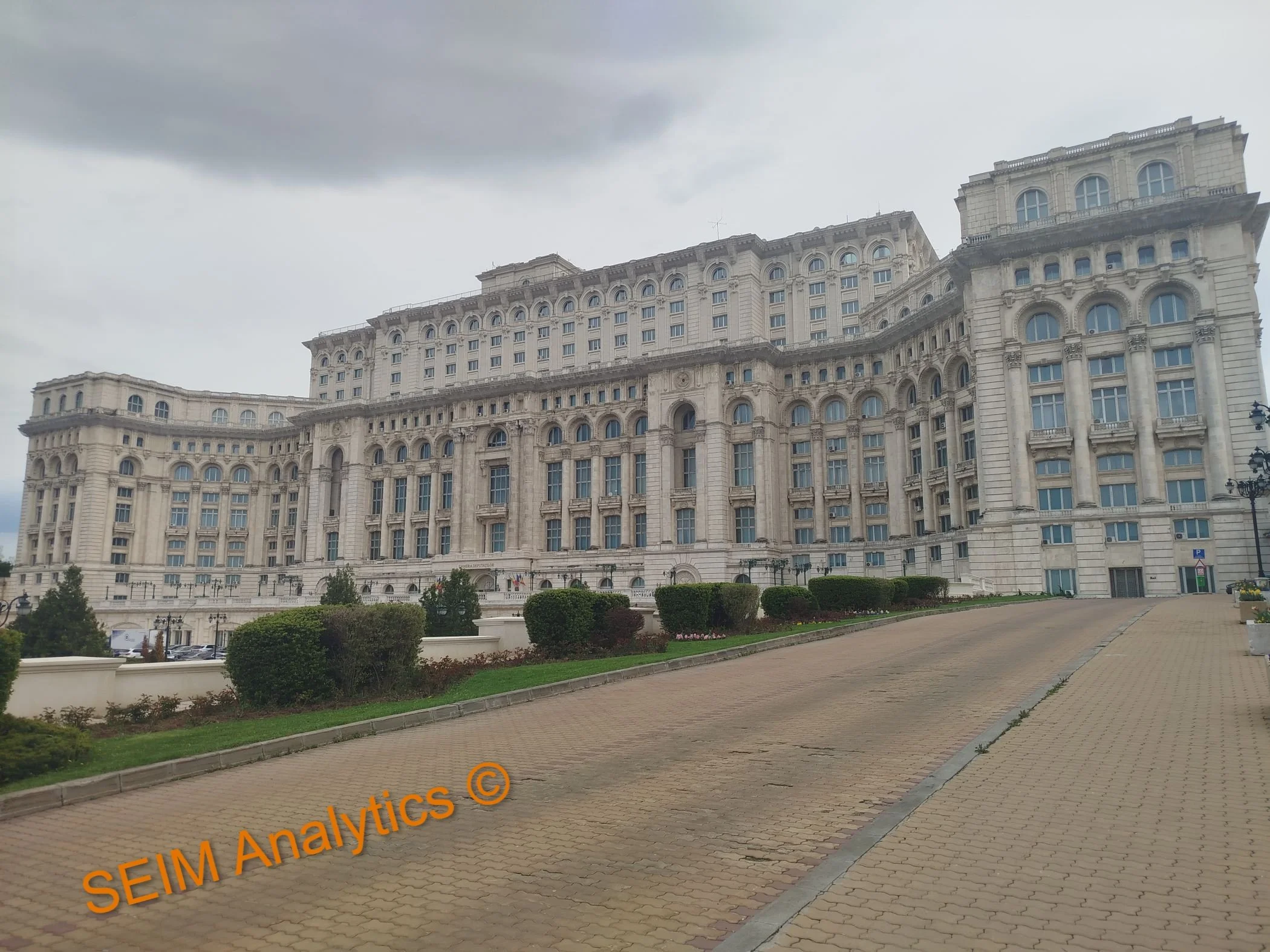
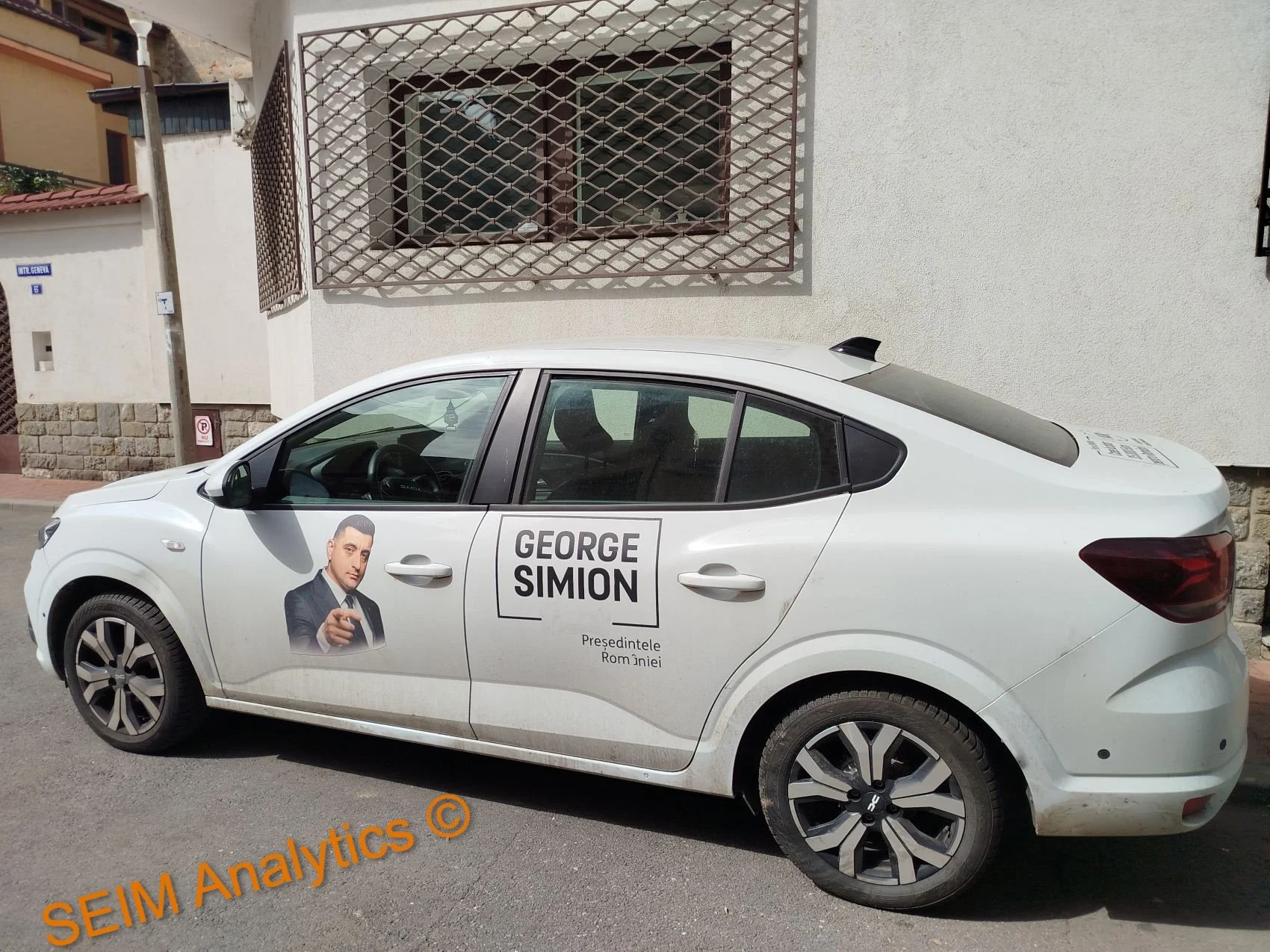
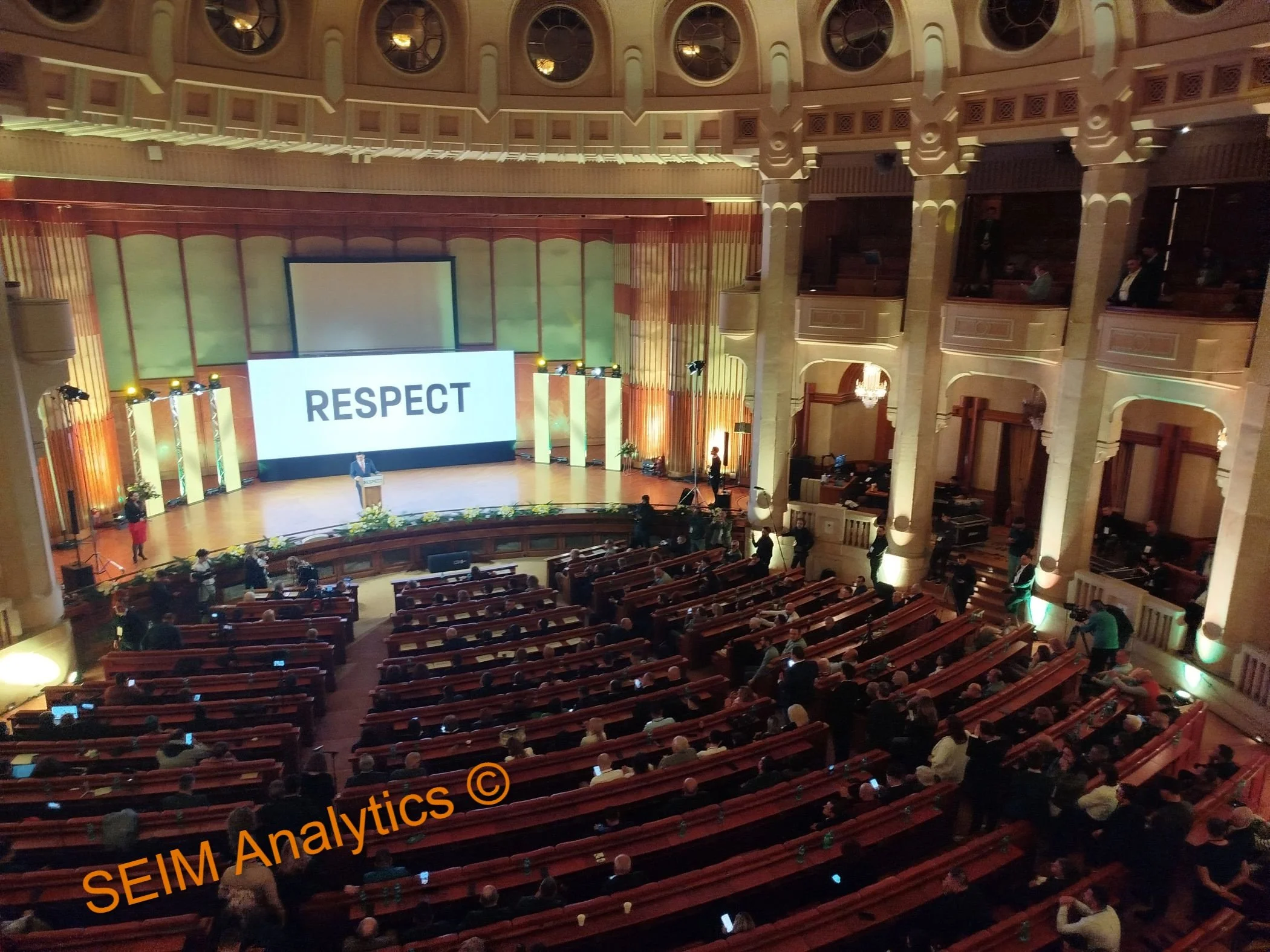
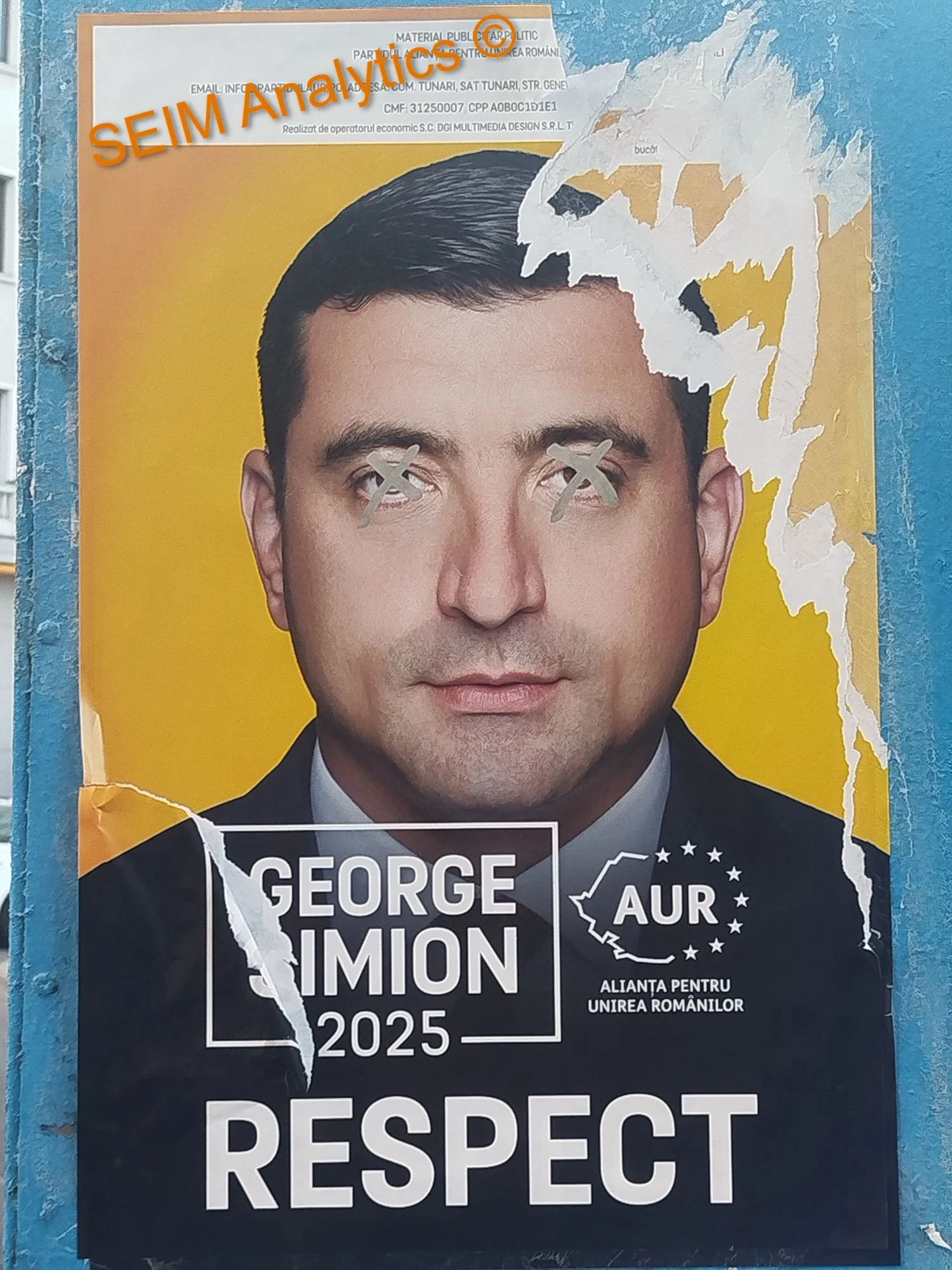
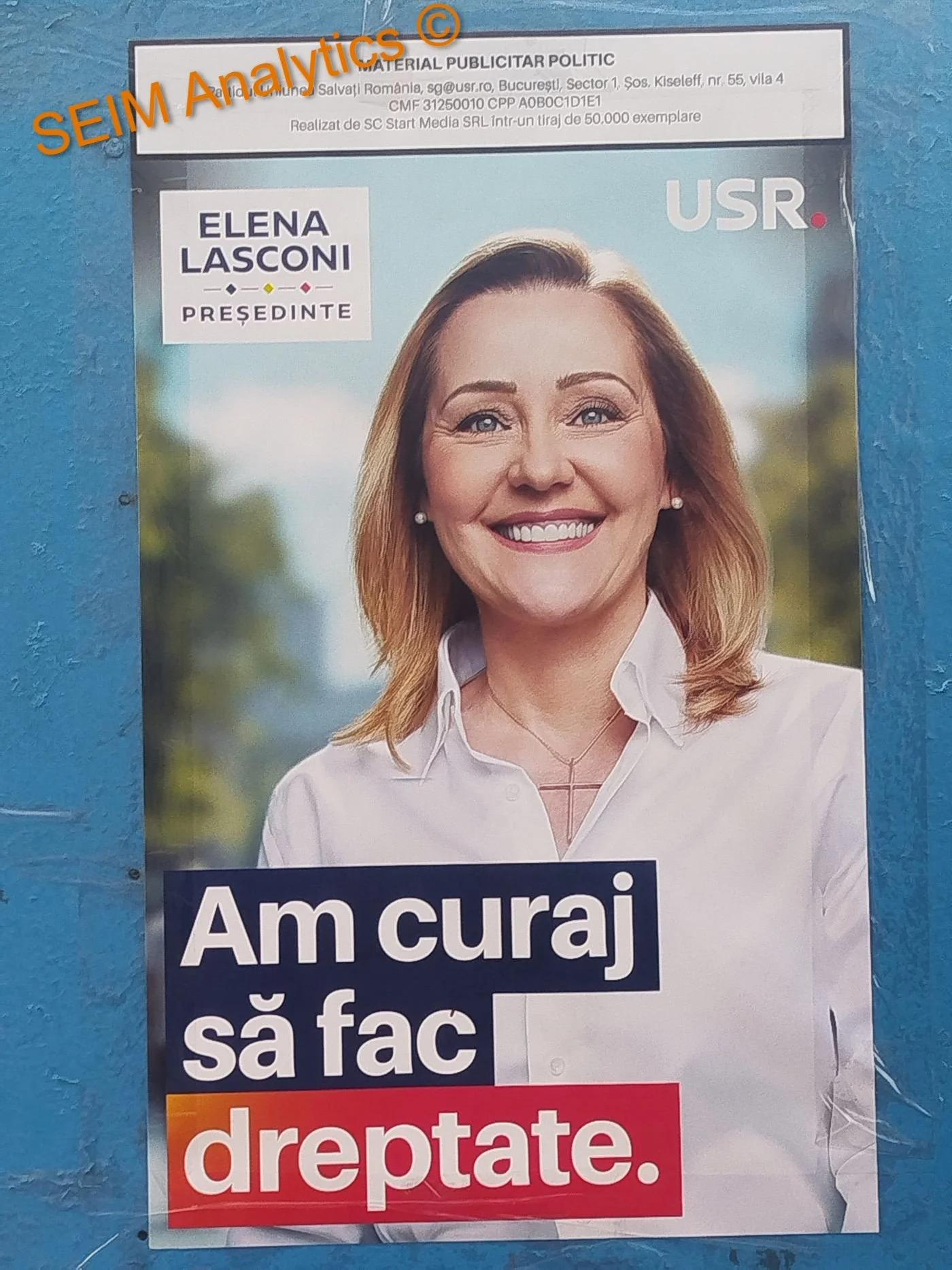
From the wider electoral and geopolitical perspective, SEIM Analytics sees the presidential election in Romania as following a pattern of a move to the right, also observable in other countries in transition after the fall of communism, like Poland and Slovakia. The issue is often portrayed by analysts and international newspapers to be having a socio-economic dimension and to be linked to grievances and hardship arising from Romania’s rapid post-communist economic transformation. Although, there is an intertwined rural-urban component, from a sociological perspective SEIM Analytics asserts that cultural factors are equally important as socio-economic factors to understand the rise of populist right-wing political movements in Romania, and in Eastern Europe in general. Many voters are offended by cultural policies, which are seen as attacks on traditional values.
Read a SEIM Analytics discussion on this issue related to the WIIW 2025 spring seminar in Vienna. Here, SEIM analytics discusses how both factors are amplified by the entrenched nature of social media, its manipulative algorithms, and resultant echo chambers. This observation is also relevant for political tendencies elsewhere in Europe and across the Atlantic.
Contact SEIM Analytics to order/read Seim’s key findings and 15 recommendations on the election administration, political campaigning, civic sector, media sector, voter education, and suggested reform of the role of state intelligence agencies in election administration.
More information about the joint findings of OSCE/ODIHR LEOM Romania can be found here:
Repeat Presidential Election, 4 May 2025 | OSCE
Read earlier OSCE/ODIHR election reports on Romania here
Reaching the Roma community: The opportunity was seized upon by Seim’s team to establish frequent direct contact with Roma representatives and Roma woman leaders. One take-away in the ODIHR preliminary statement is the need to extend voter education to the marginalized communities, including Roma. In order to achieve results, SEIM Analytics assesses it to be important to identify what Roma communities need, and what is culturally acceptable in their community, rather than imposing agendas on Roma.
Academic field research can support the endeavor to find Roma community voices. Seim has also been in contact with Roma communities during assignments and research in Montenegro, Serbia, and Bosnia-Herzegovina.
The Balkans (Southeast Europe) is the prioritized focus of SEIM Analytics. This professional engagement was an opportunity to return to assess the last decades of substantial progress of Romania and witness the country’s rapid transformation after earlier visits in the 2000s to Bucharest, Timișoara, Cluj, Iași, Galați, Oradea, Baia Mare, and Satu Mare.
Two non-working Sundays were opportunities to run the Bucharest Half Marathon on May 11 and to hike to Mount Furnica (2103m) in the beautiful Carpathian Mountains. Also a visit to Brașov was conducted in April 2025 to see the traditional Junii Brașoveni horse parade and visit Brașov old town which used to be town with a sizable German and Jewish population.
These visits helped build a sizable photo documentary library. Go to Photo Sale Romania to order or request.
See Seim-analytics/election-expert for further information about professional engagements and election assignments in Eastern Europe, Southeast Europe, Türkiye, Central Asia, and South Asia.
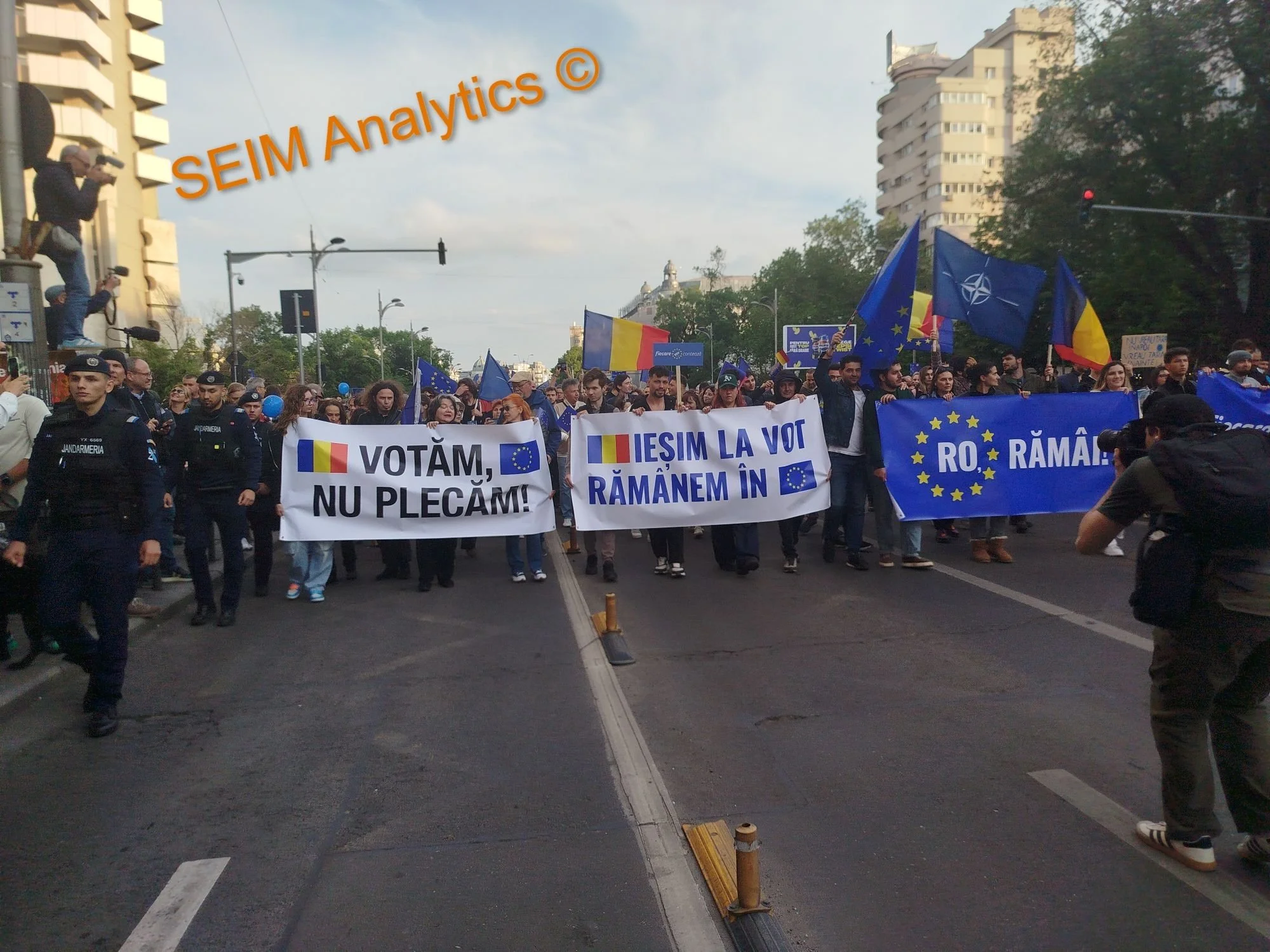
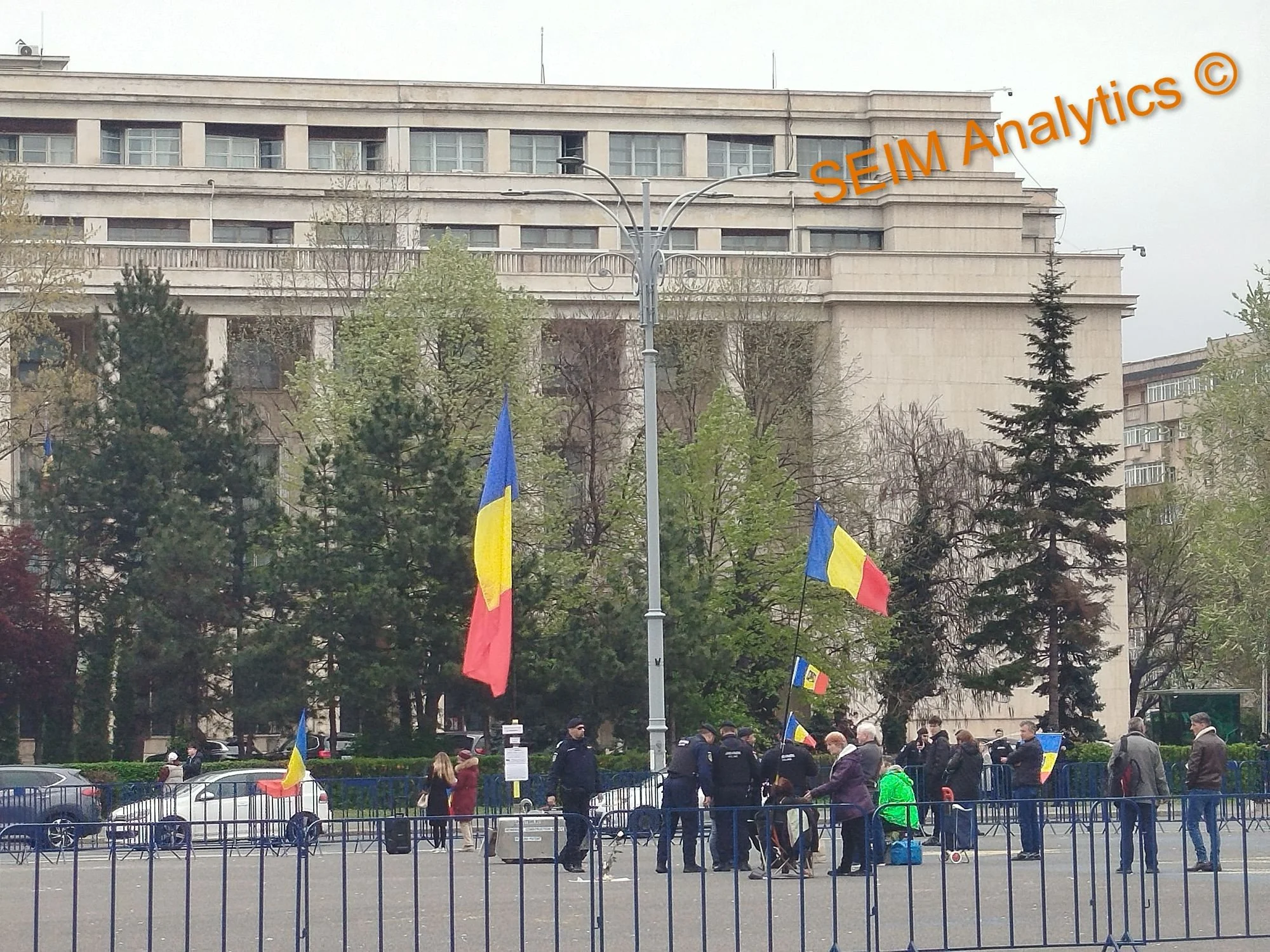
Pro-EU demonstration in Bucharest, May 2025. While the Bucharest mayor, Nicusor Dan, is highly popular in the fast-growing capital, EU-sceptical political forces in the regions could field good election results.