
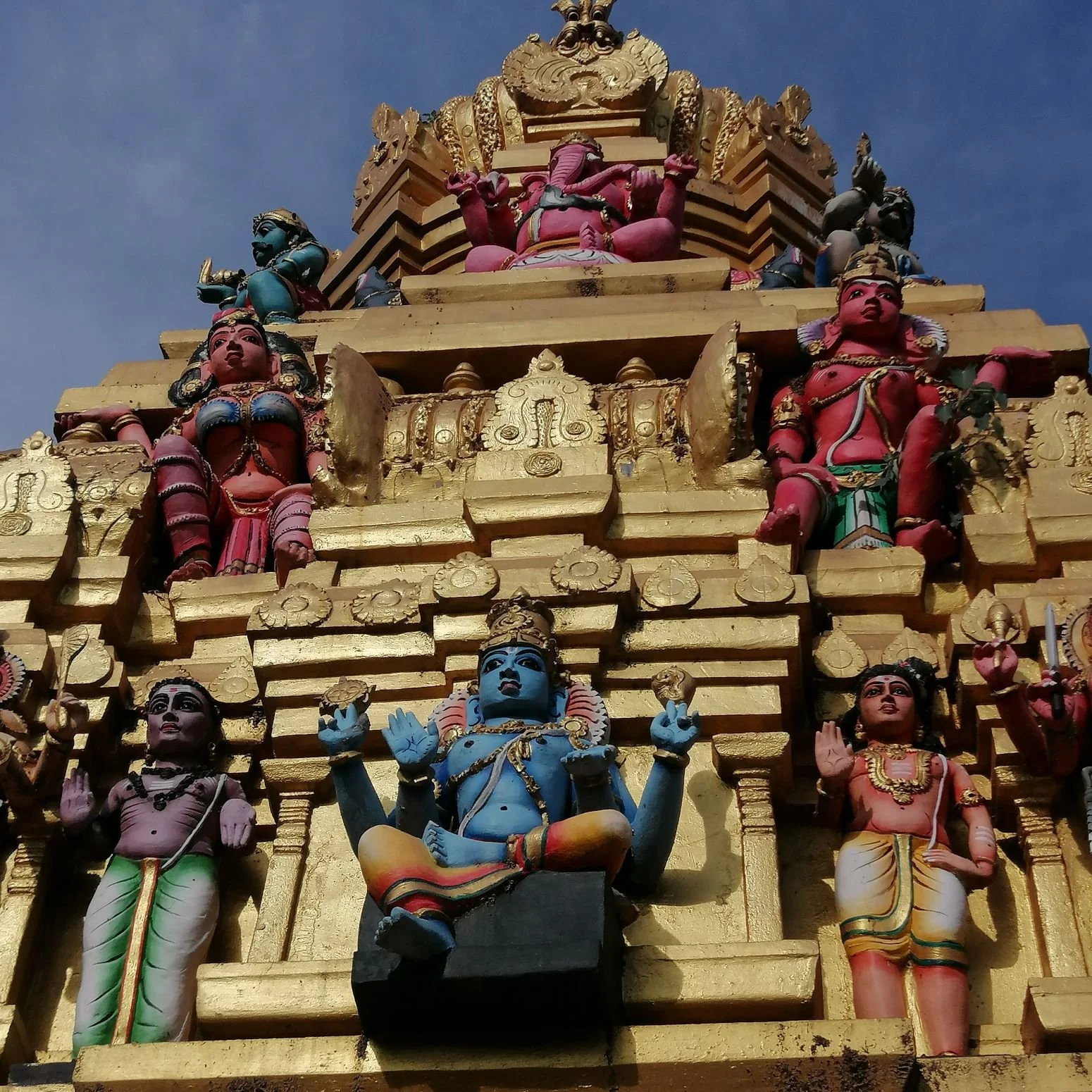
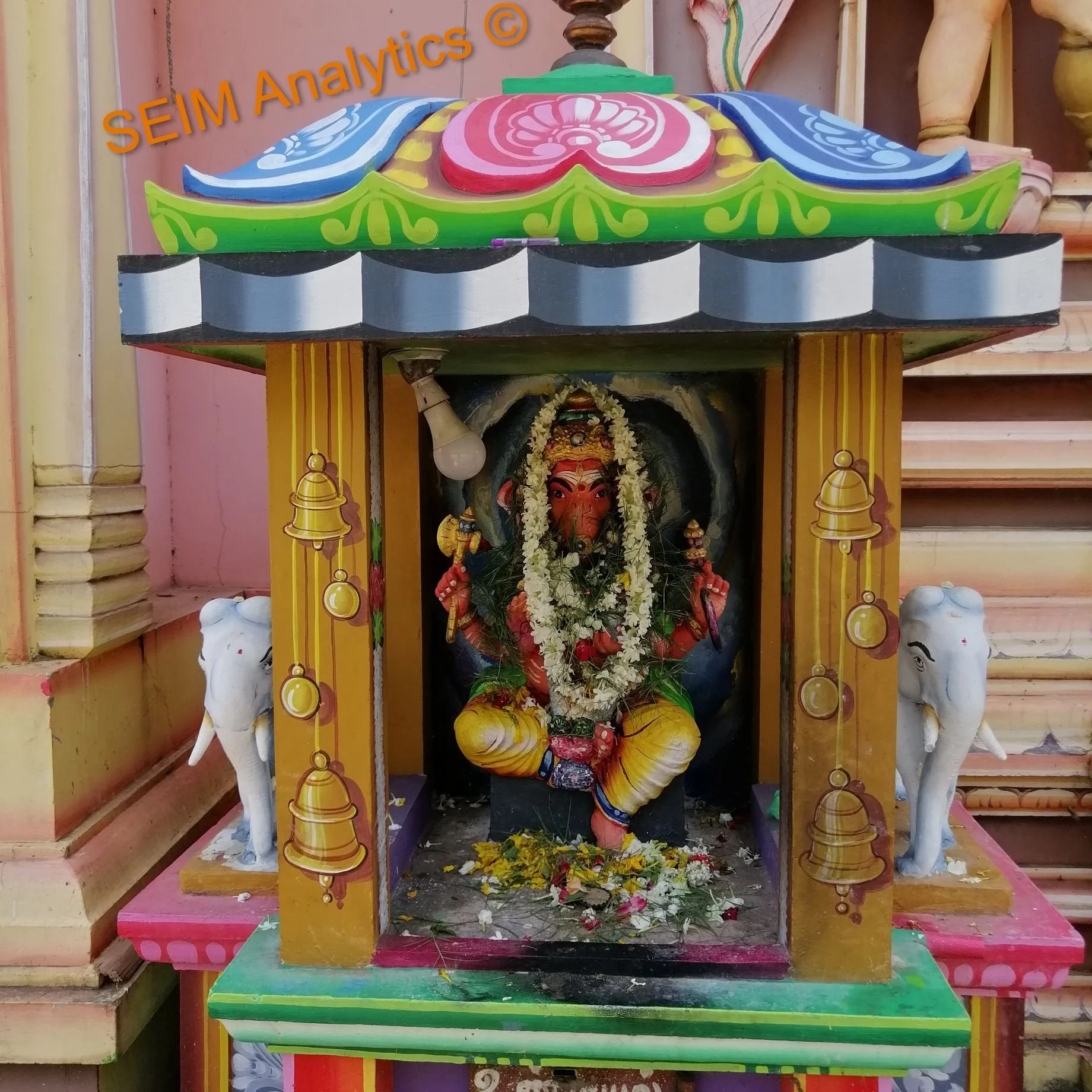
Hindu temple in Batticaloa District, Eastern Province, Sri Lanka
From SEIM Analytics News/Blog: newest assignments, engagements, and reports (from 2024) related to South Asia and Central Asia:
SEIM Analytics in Samarkand & Uzbekistan: Widening its Central Asian Footprint with Election Contract (19 July 2024, in retrospect)
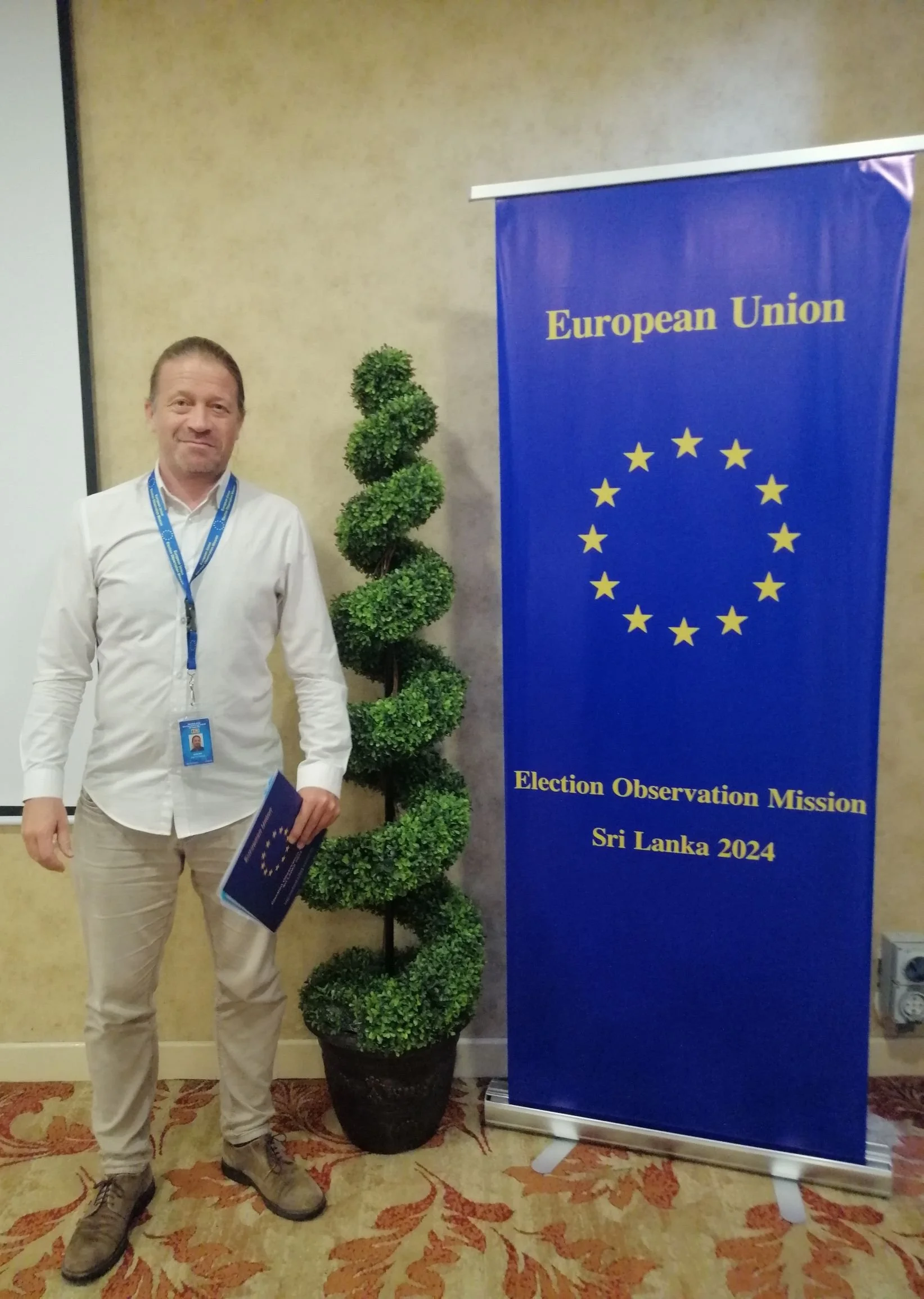
SEIM Analytics Widening its South Asian Footprint: Sri Lanka Election Contract (16 October 2024)
A Rising Global Power: The AIES-Organized Public Event India’s Global Role (03 December 2024)
The Asian Century and Asian security challenges (25 November 2025)
SEIM & ASIA:
Discover Asia — Elections and Geopolitics.
Explore ex-communist Central Asia and the growth region of South Asia with SEIM Analytics, focusing on political, economic, and geopolitical insights across the region, including Indo-Pacific security dynamics.
SEIM Analytics has a targeted analytical focus on South Asia, Central Asia, China, and Japan with emphasis on election analysis and democratization, economic development, and geopolitical issues.
Asia has a long-term growth perspective and is outpacing Europe in economic growth since and despite of the Asian financial crisis in 1997. It is becoming a centre of gravity in the world economy and in the multipolar world - or restoring it, as some would say, after centuries of European and US dominance through colonialism and imperialism.
CHINA: The rise of this global power, but also its transformation from a communist system, like in Eastern Europe, makes China a focus of attention for SEIM Analytics. China is also a factor in Eastern and Southeast Europe. During a visit to Shanghai in October 2010, Seim held a 2-hour lecture for students and scholars at the prestigious Shanghai Academy of Social Sciences with the topic "China and post-communism in Eastern Europe". This included visits to East China Normal University and meetings with senior staff and the dean of the university. Also a few days were spent in Nanjing, the former royal capital of China, and in Suzhou oldtown, to explore Chinese history. Photos available!
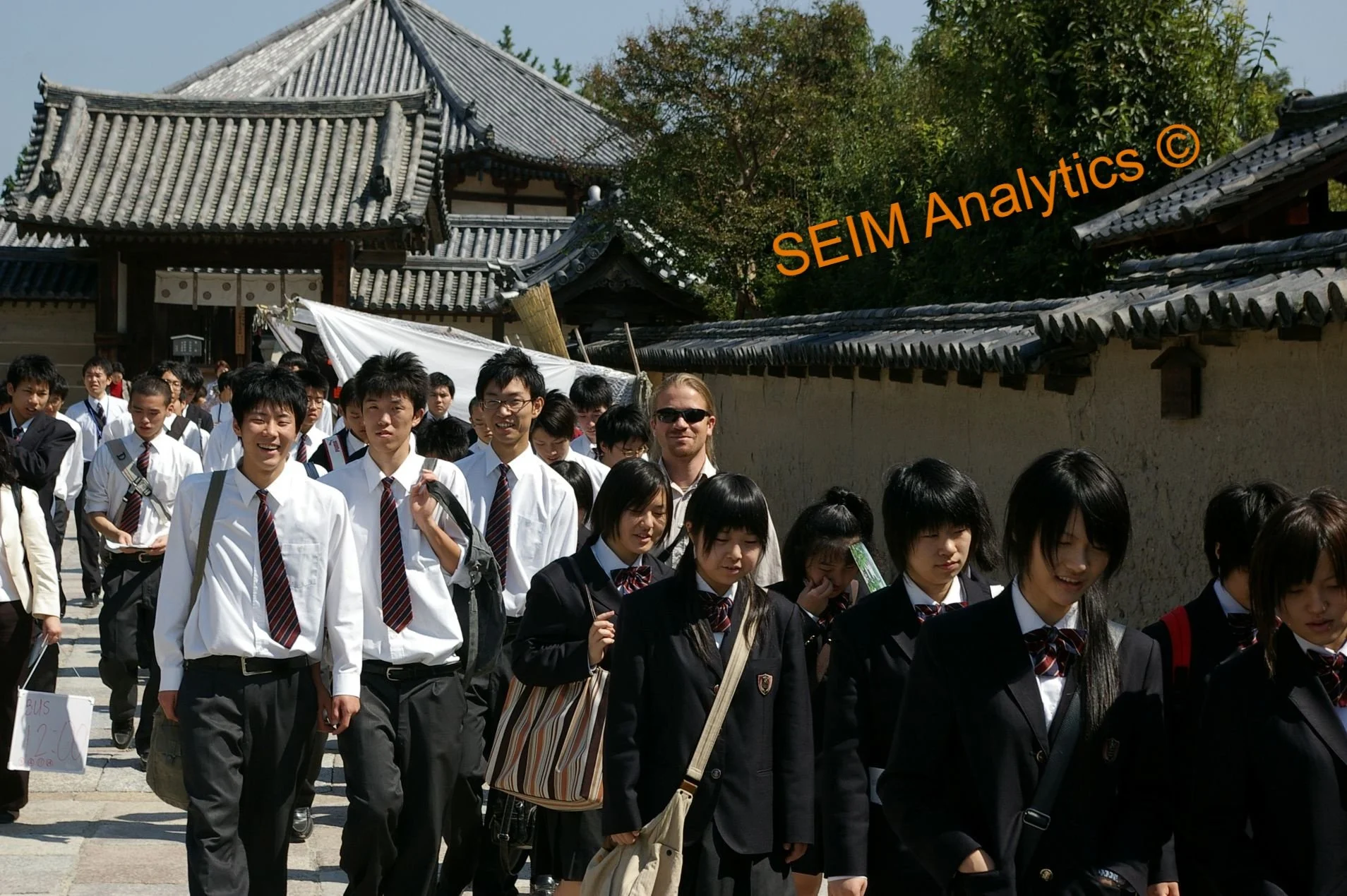
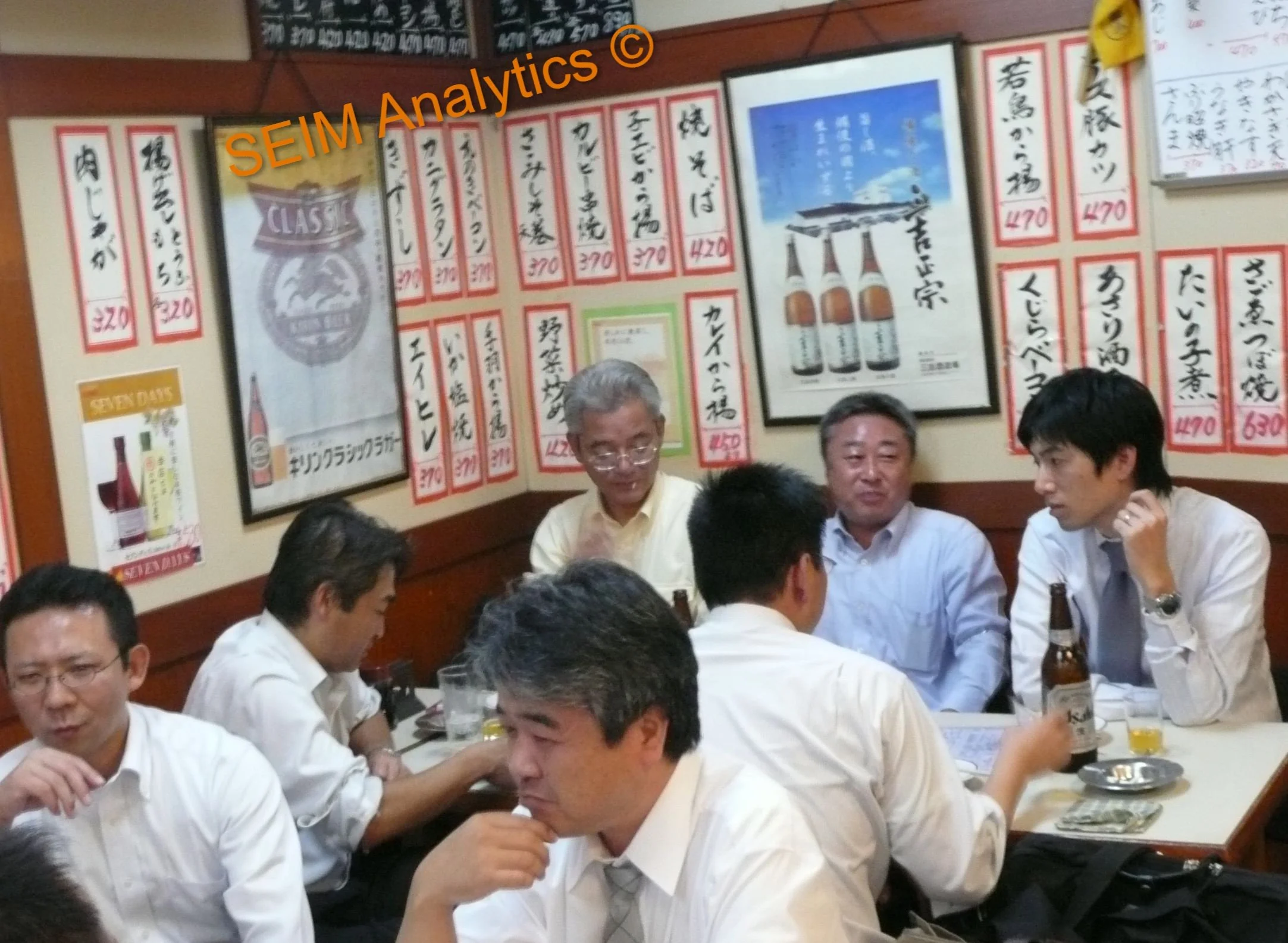
JAPAN: Back in 2008, Seim competed in an essay-writing competition about Japan; and won the Norwegian seat in the Japanese MFA-financed Study Tour of European Youth to Japan. This gave the opportunity to listen to Japanese perspectives on global affairs and the financial crisis unfolding during the visit that autumn, to get familiar with Japanese history and culture, and to explore wonderful cities like Tokyo, Osaka, Kyoto, Kobe, and Hiroshima. The trip gave the opportunity to listen to the testimony of survivors from the 1945 atomic bomb in Nihon Hidankyo (the Japan Confederation of A- and H-Bomb Sufferers Organizations), a sharp reminder and warning to everybody. The Nihon Hidankyo was in 2024 awarded the Nobel Peace Prize in Oslo for their activism against nuclear weapons. Seim remains thankful for this experience and the whole 2-week study trip of Japan, but most of all to see Japan blossoming again. Photos available! (See also photos at the bottom of this page.)
SOUTH ASIA
South Asia has been experiencing a range of color revolutions and anti-government protests in recent years. In 2021 after the democratic general elections, the military in Myanmar conducted a military coup on 1 February. Popular protests toppled the government in Sri Lanka in 2022. In Bangladesh, student protests toppled Sheikh Hasina’s government in 2024. Peace prize winner Muhammad Yunus’ interim government seeks democratic reforms and to prepare for new elections in 2026. In Nepal, the anti-government protests in September 2025 (the Gen Y revolution) led to the military taking control over the country.
2025 also saw frequent and fairly widespread protests in Indonesia. Even in Malaysia, pressure for institutional reforms and economic discontent from rising living costs led to protests during July 2025. Meanwhile, a small war was fought in July 2025 between Thailand and Cambodia due to a border dispute.
INDIA: As the worlds most populous country with a rapid economic growth, but also huge segments of the population remaining in poverty, India is a key to understand the future of Asia. India is about to becoming a global player and rising world power. Its cultural heterogeneity and spiritual traditions make it both resilient and complex — a society that deserves more outside interest and understanding, as SEIM Analytics seeks to accomplish. See conference report on India.
MYANMAR: In the November 2020 general election Myanmar voters overwhelmingly rejected any influence of the military in politics and re-elected a civilian government. The military coup d'état of 2021 demonstrates the dangers to emerging democracies. This election process was observed from the ground by Seim, during a 6-month assignment with The Carter Center as campaign & inclusion analyst and as political analyst, while also covering woman participation, LGBTQ, and PWD/accessibility issues. Other tasks were related to civil-military relations, ethnic political parties, the Rohingya, and the ongoing peace process.
This allowed a deeper dive into the geopolitics of Myanmar, its history since independence in 1948, and the dozen of ethnic and military conflicts in the border regions. Seim contributed some 20 pages to the Carter Center Final Report that however remains unpublished after the military coup to protect informants. Since then foreign investors, like Norwegian Telenor, have left the country, and it is engulfed in civil uproar and civil war, with widespread casualties among civilians and the military. SEIM Analytics follows the situation in Myanmar. The military junta is planning to hold new general elections on 28 December 2025, with additional rounds on 11 and 25 January 2026 in areas where it can assert control amid the ongoing civil war. The election is being labeled as a mirage or fake as it is taking place under severe political suppression and human rights abuses and without credible international observation.
BANGLADESH: Seim participated in 2009-10 in EU’s election observation mission in Bangladesh, a great opportunity to get to know the worlds most densely populated country, a country with widespread poverty, but also of opportunities. SEIM Analytics is following the transformation after the successful February 2026 elections.
NEPAL: The large-scale, anti-corruption protests and demonstrations (“Gen Z revolution”) in September 2025 brought the downfall of the government but also led to violence and burnings of government buildings. On 5 March 2026, Nepal held general elections to elect 275 members of the House of Representatives, using a mixed first-past-the-post (165 seats) and proportional representation system (110 seats). Can protest energy institutionalize itself into governance? SEIM Analytics is following the political transformation in Nepal.
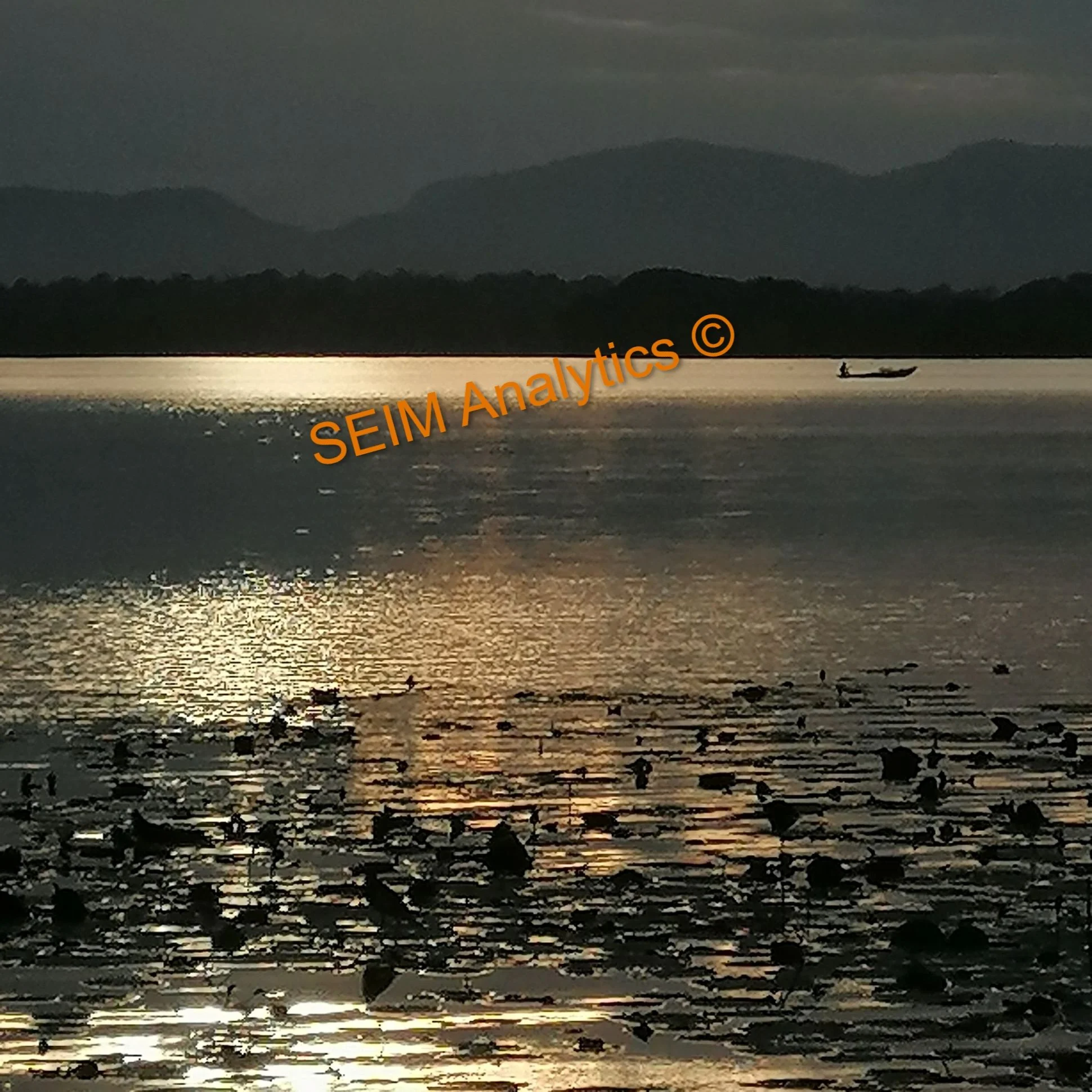
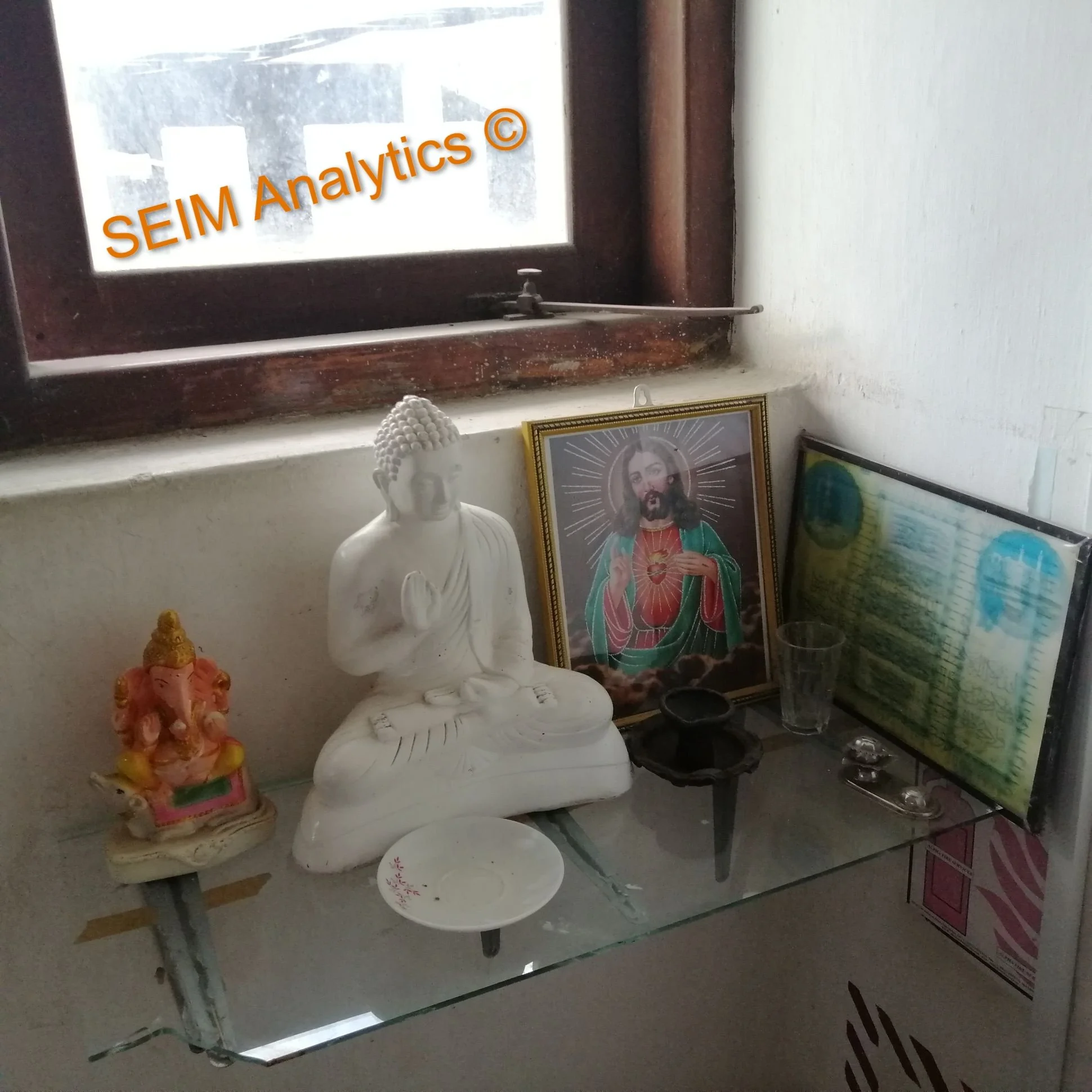
SRI LANKA: From late August to early October 2024, Seim participated in the observation mission of the European Union to Sri Lanka for the presidential elections. Seim worked in the multicultural, multi-lingual, pluri-religious districts of Ampara and Batticaloa in the Eastern Province where all three ethnic groups, the Sinhalese, Tamils, and the Muslim Moors, are well-represented. Here, Hinduism, Buddhism, Islam, and Christianity are present.
After the financial crisis in 2022 and the protests that toppled the previous president, this peaceful and technically well conducted presidential election and subsequent power transition is a step forward for Sri Lanka. It helps bring legitimacy for its political institutions through the electorate, a process fulfilled with the subsequent parliamentary election on 14 November 2024. As a conflict analyst, the history of the ethnic conflict and civil war of Sri Lanka related to the Tamil question is of particular interest, also comparatively. See this election report/commentary!
CENTRAL ASIA
As post-communist countries in transition both economically and politically with aspiring but mostly stagnant democracies, SEIM Analytics put particular emphasis in following developments in Central Asia and increasingly important geopolitical and trade-related position.
Kyrgyzstan: In 2015, Seim worked for OSCE-ODIHR in Jalal-Abad District (Kerben-based) for the parliamentary elections and in 2017 in Bishkek City and parts of Chui District for the presidential elections.
Although the next general elections were set for November 2026, ahead of presidential elections January 2027, a vote in parliament on 25 September led to early parliamentary elections being set for 30 November 2025. This early parliamentary election, partly decided upon to prevent overlap of electoral cycles in 2026-27, is interesting and important because of the 2025 constitutional amendments and the changes to the electoral system and electoral constituencies. Kyrgyzstan is known for having been the most promising democracy in Central Asia with a relatively open political climate compared to other post-Soviet states of Central Asia, but recent the political developments the last years might change that.
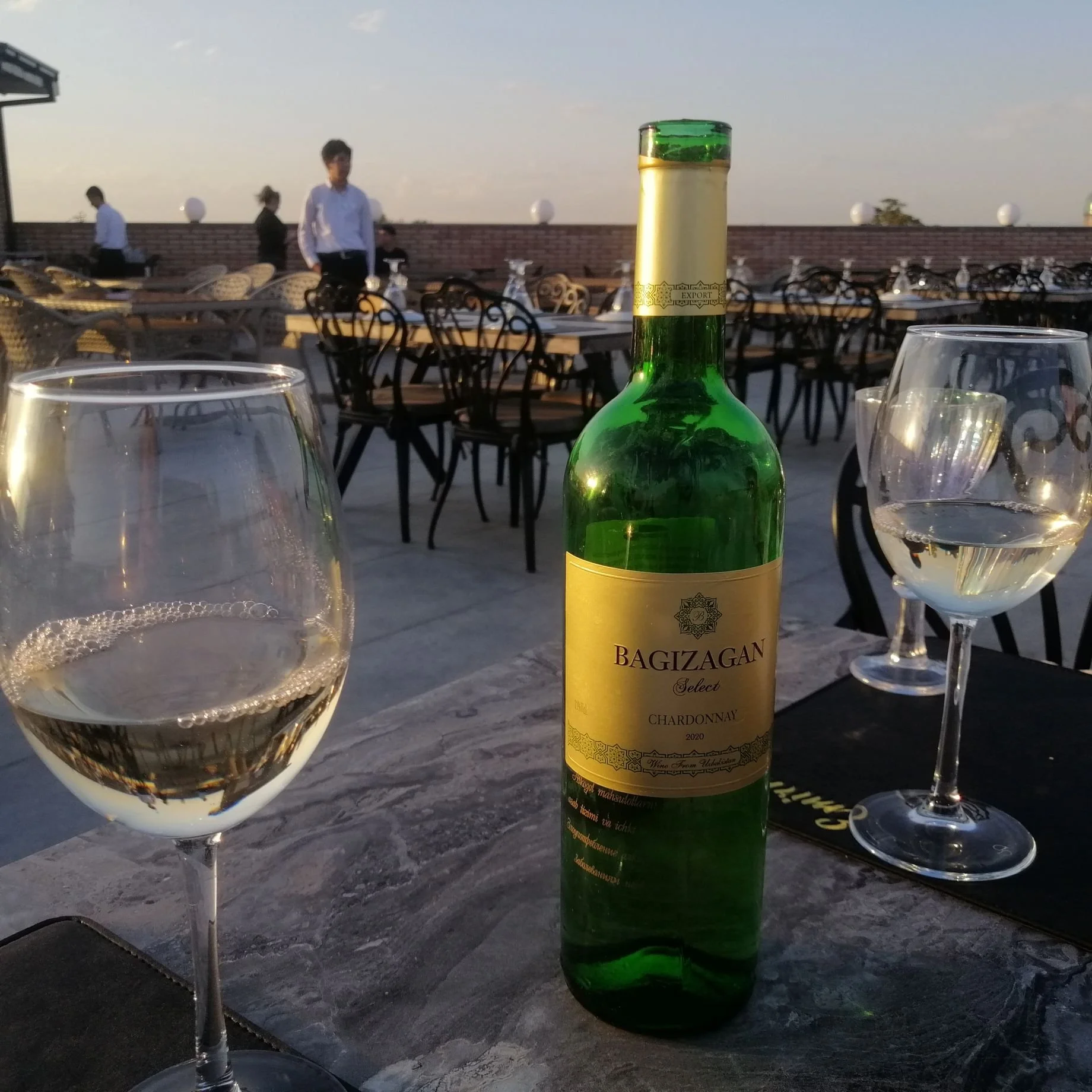
Uzbekistan: In 2023, Seim worked for OSCE-ODIHR in Samarkand province during the early presidential elections. See this report/commentary from Uzbekistan.
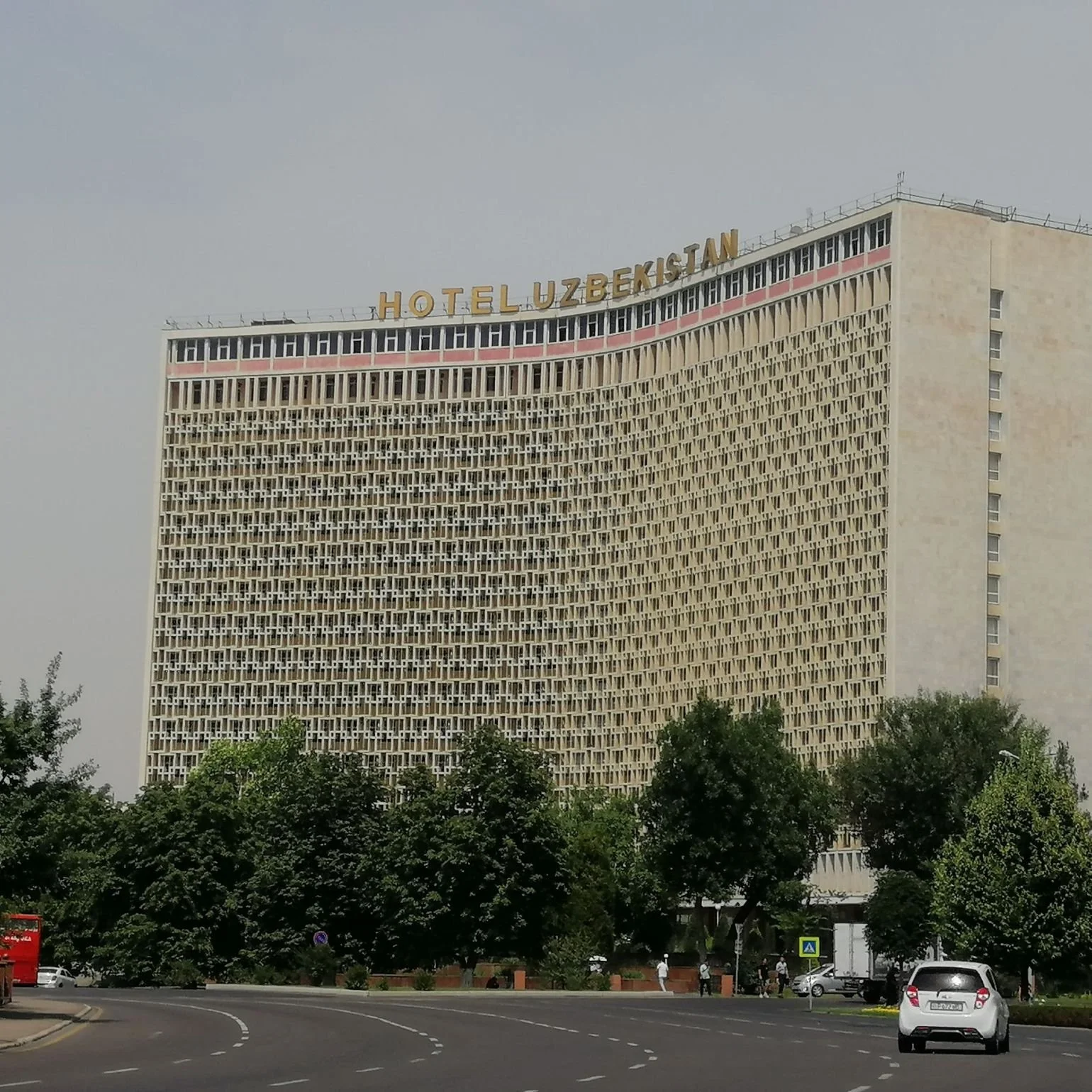
Photo 1. Hotel Uzbekistan, Tashkent, building completed in 1974 as part of a major urban renewal project after the 1966 earthquake.
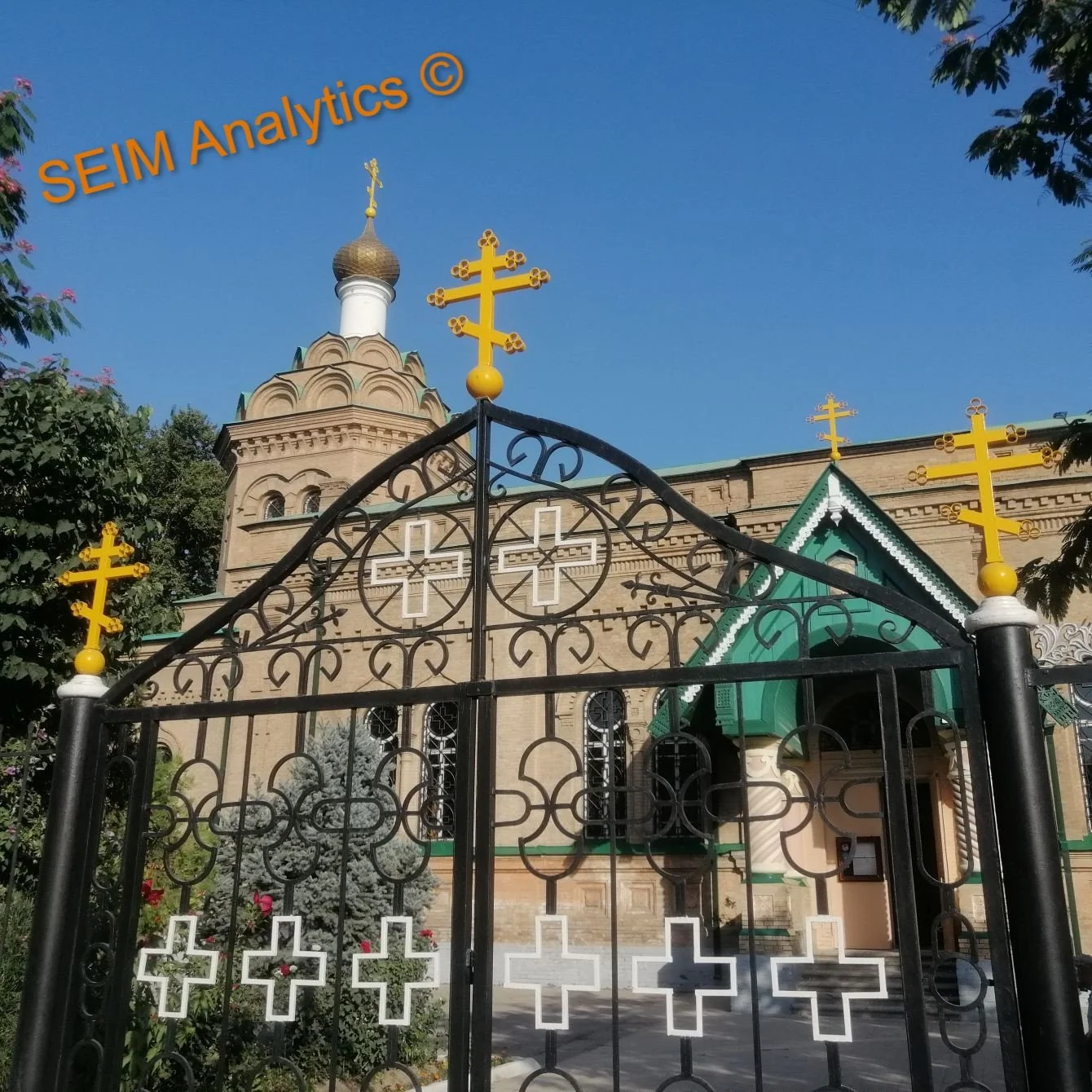
Photo 2: Russian Orthodox Church in Samarkand, Uzbekistan.
THE MIDDLE EAST
The MIDDLE EAST: Go here to the Middle Eastern page about SEIMs Middle Eastern and Israeli studies at the Hebrew University in Jerusalem, election observation activities in Türkiye (in eleven provinces in the Samson, Trabzon, Sivas triangle), and critical articles about Western bombing of Libya in 2011, and Western involvement in the proxy war in Syria in the 2010s.
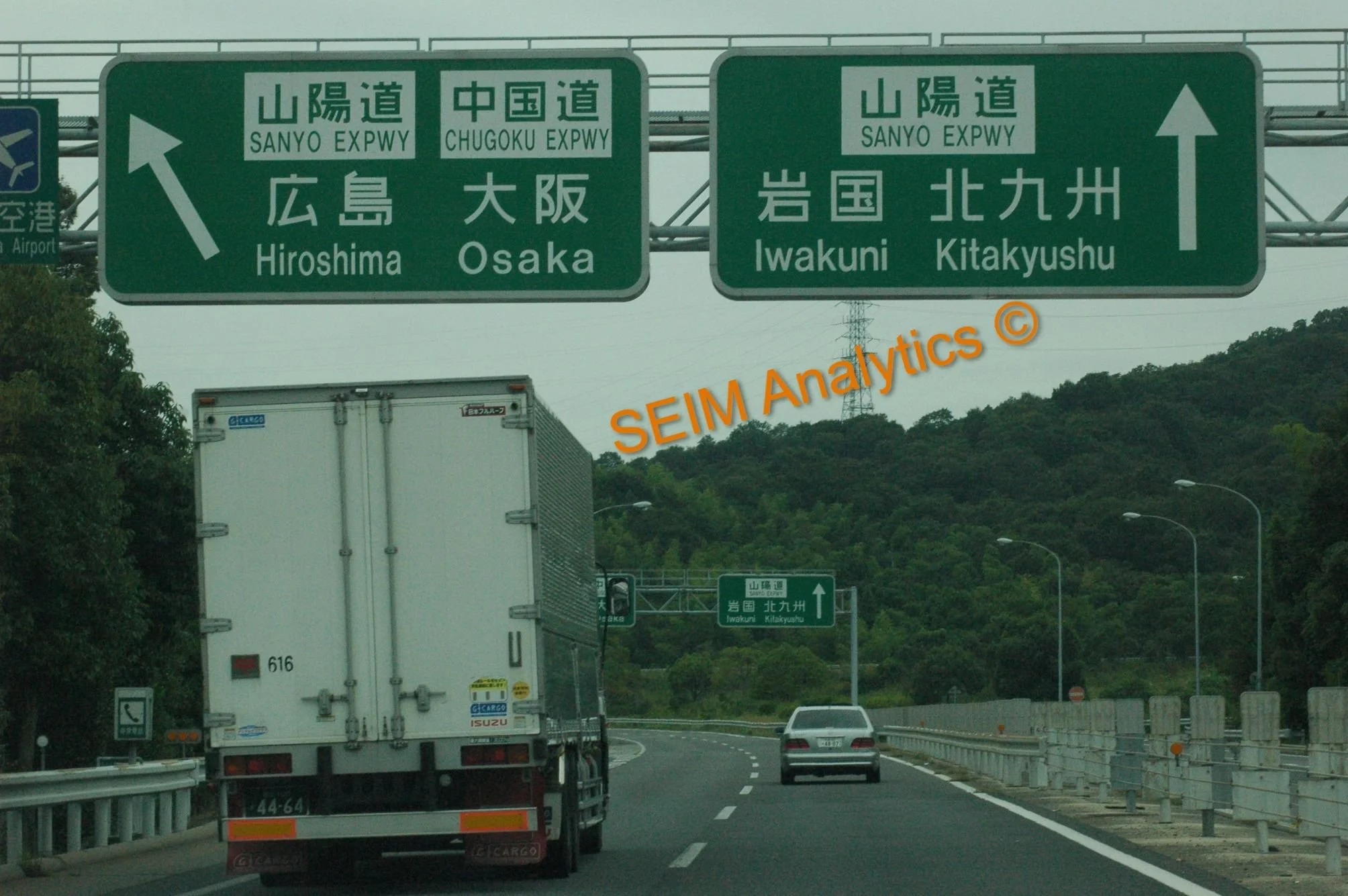
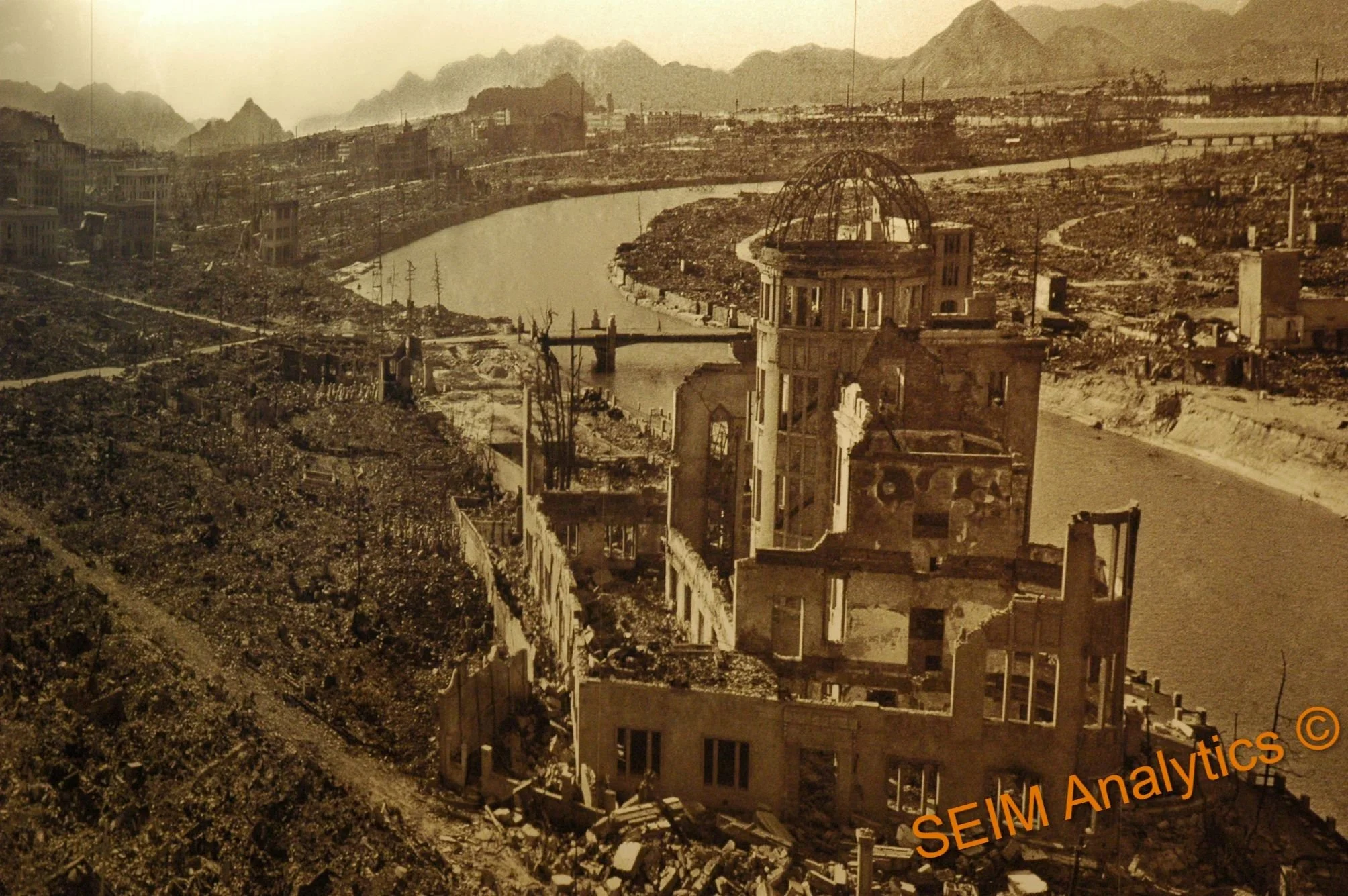
From Hiroshima Memorial Center
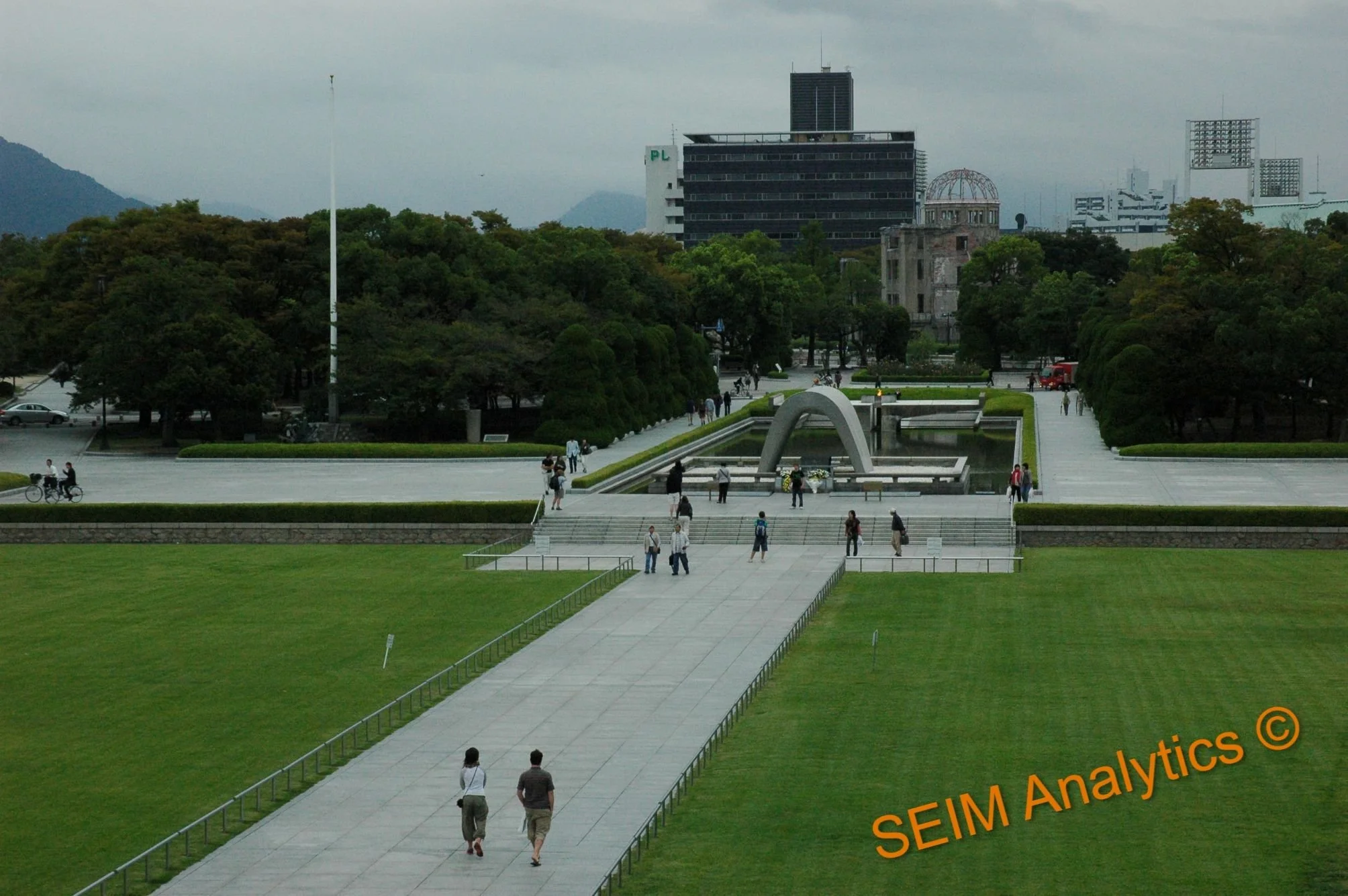
Hiroshima Memorial Center
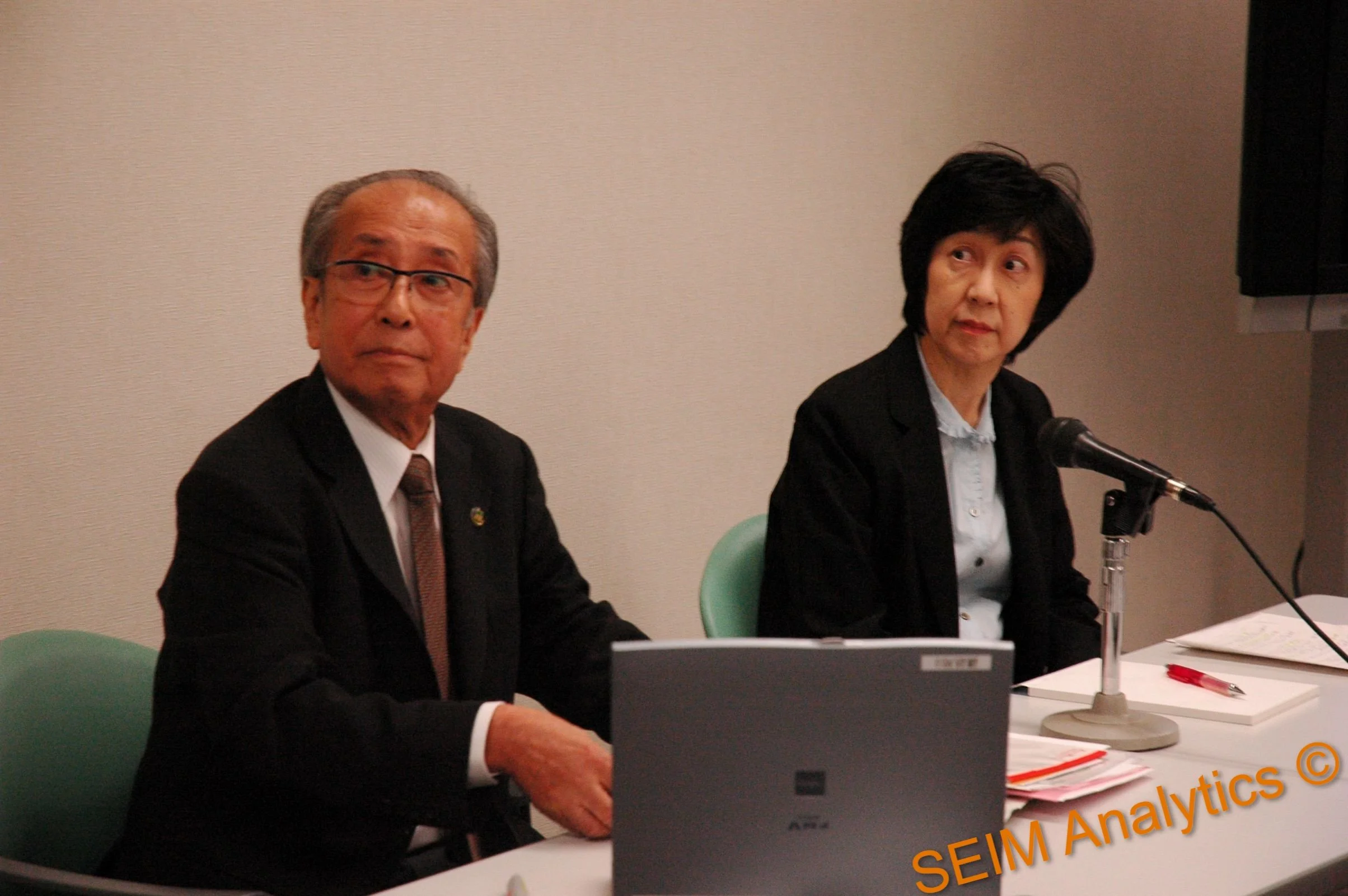
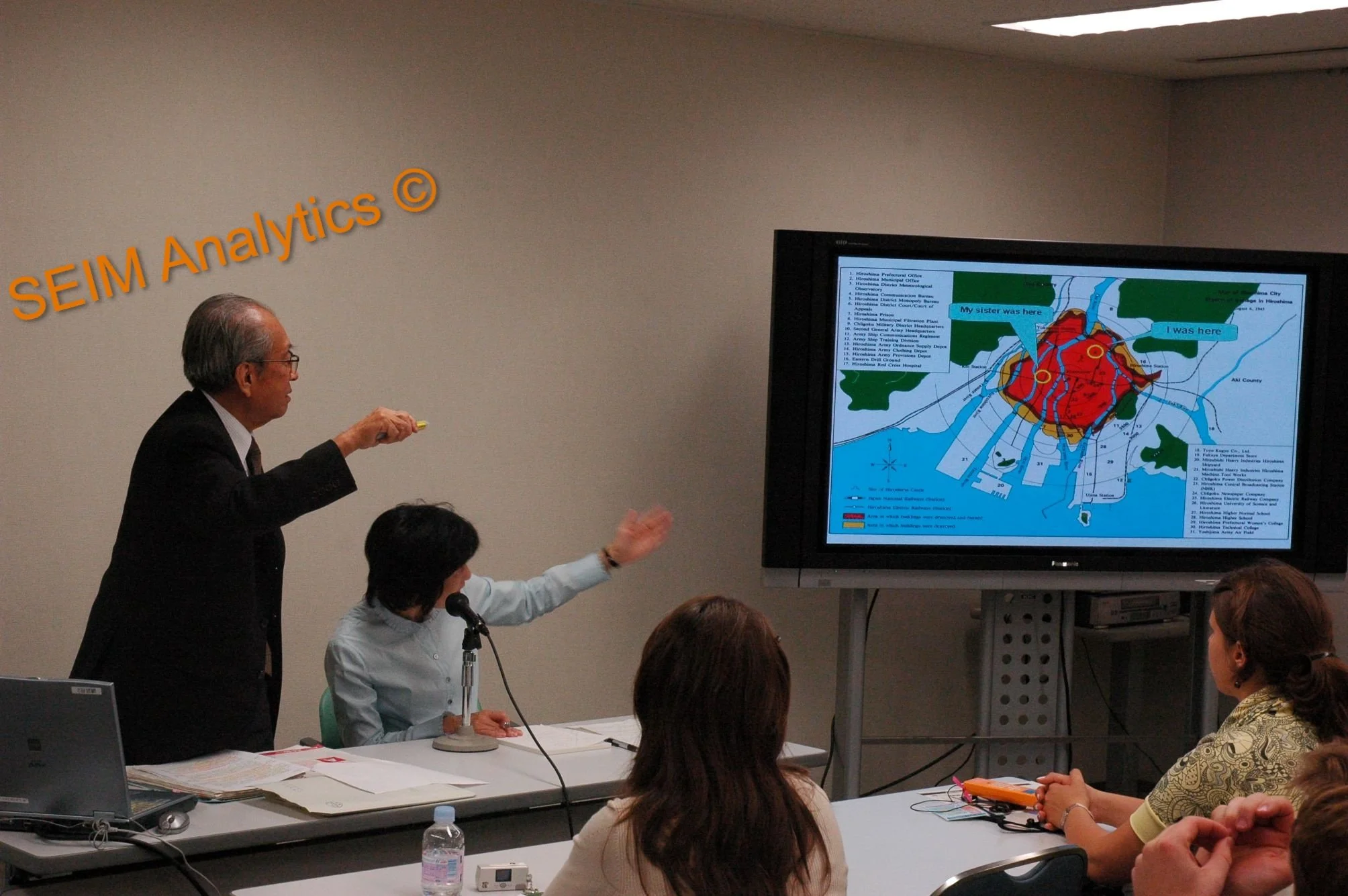
Hiroshima, Japan. Attending the witness presentation of a survivor (2008). The 2024 Nobel Peace Prize was awarded to Nihon Hidankyo (the Japan Confederation of A- and H-Bomb Sufferers Organizations), for their activism against nuclear weapons.