
SEIM Analytics Widening its South Asian Footprint: Sri Lanka Election Contract
16 October 2024
From late August to early October, Seim participated in the observation mission of the European Union to Sri Lanka for the presidential elections.
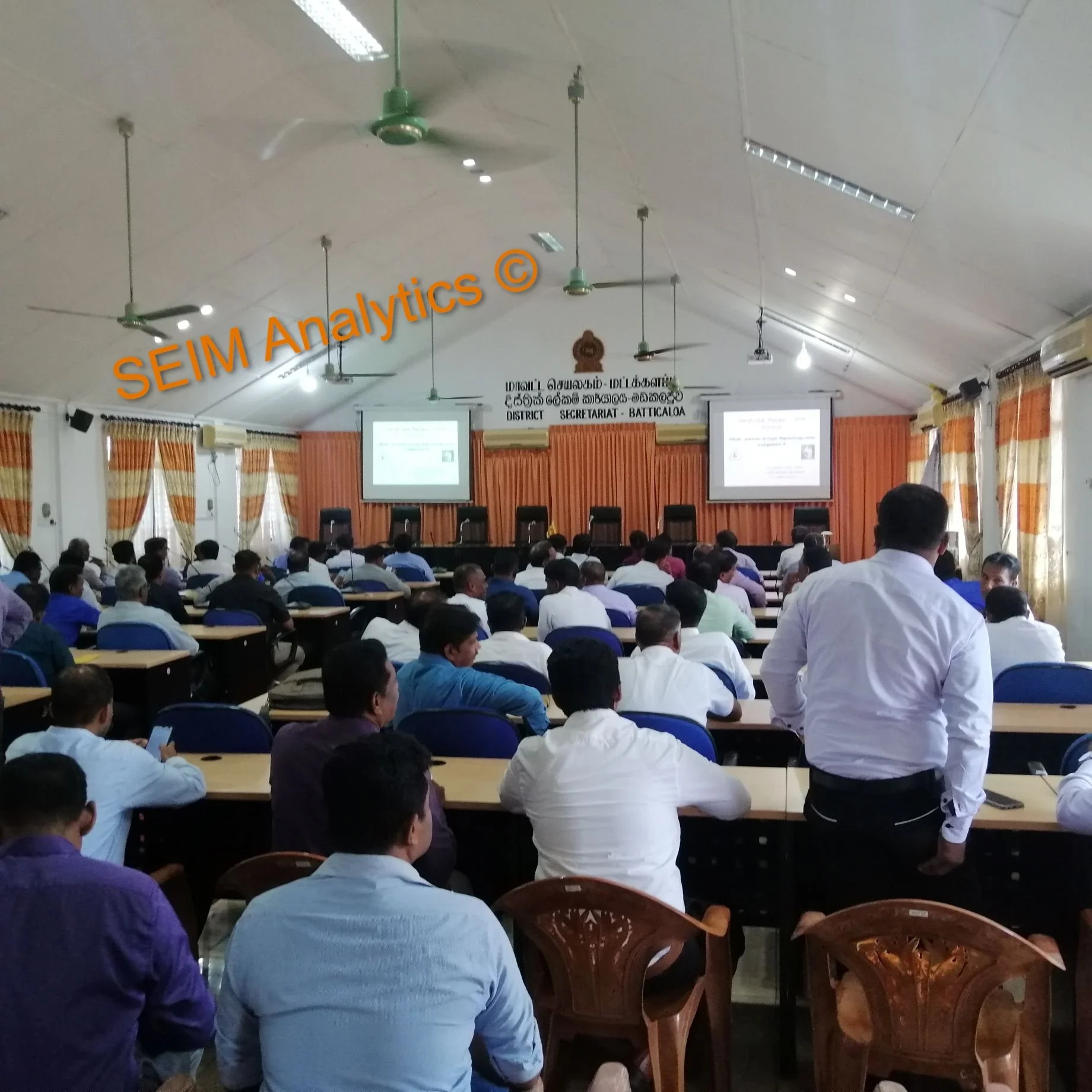
Seconded from Norway to the European External Action Service (EEAS) through the NORCAP expert roster, Seim was meeting election stakeholders and observing in the interesting multicultural, multi-lingual, pluri-religious districts of Ampara and Batticaloa in the Eastern Province where all three ethnic groups, the Sinhalese, Tamils, and the Muslim Moors, are well-represented. Here, Hinduism, Buddhism, Islam, and Christianity (mostly Catholicism, but also Methodist churches) are present.
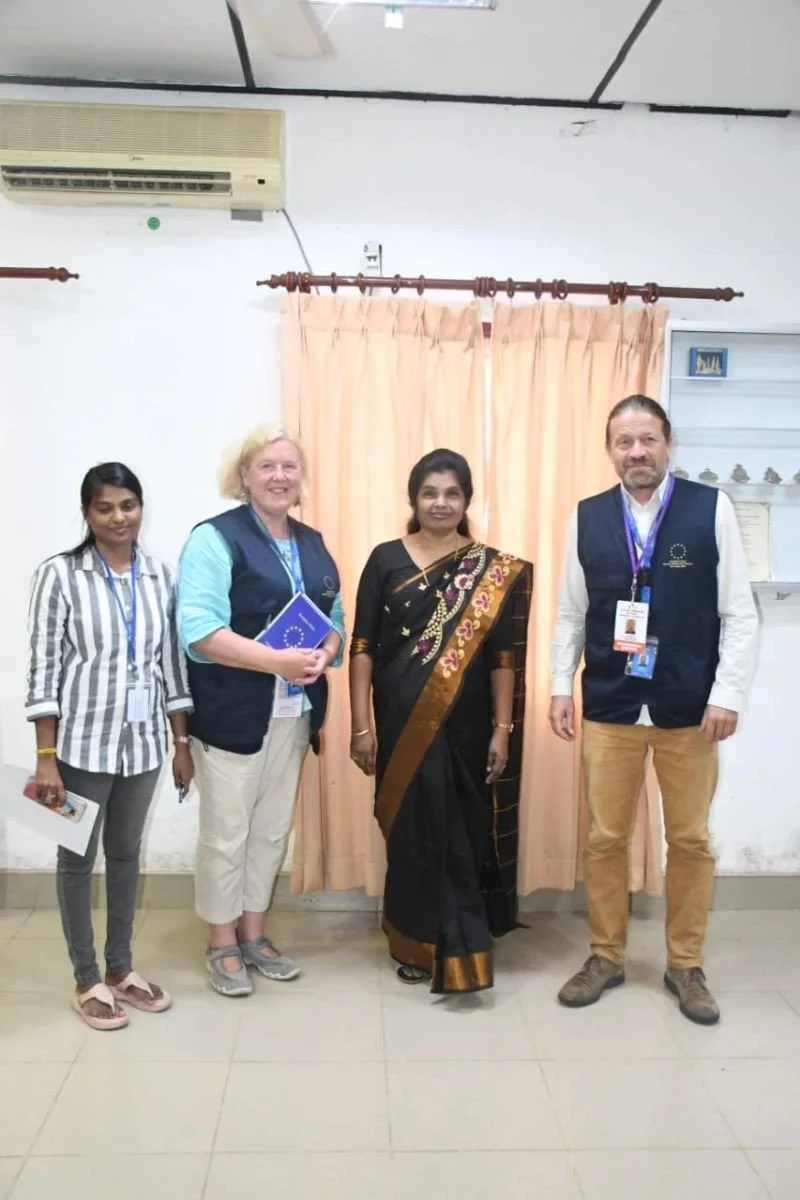
(Photo: EU observers meeting press and the Returning Presiding Officer of Batticaloa)
Disclaimer: The reflections and descriptions in this blog post of the political analyst and historian Dr. Seim do not reflect any official EU IEOM positions. They are exclusively found in the linked-to EEAS reports. See links below.
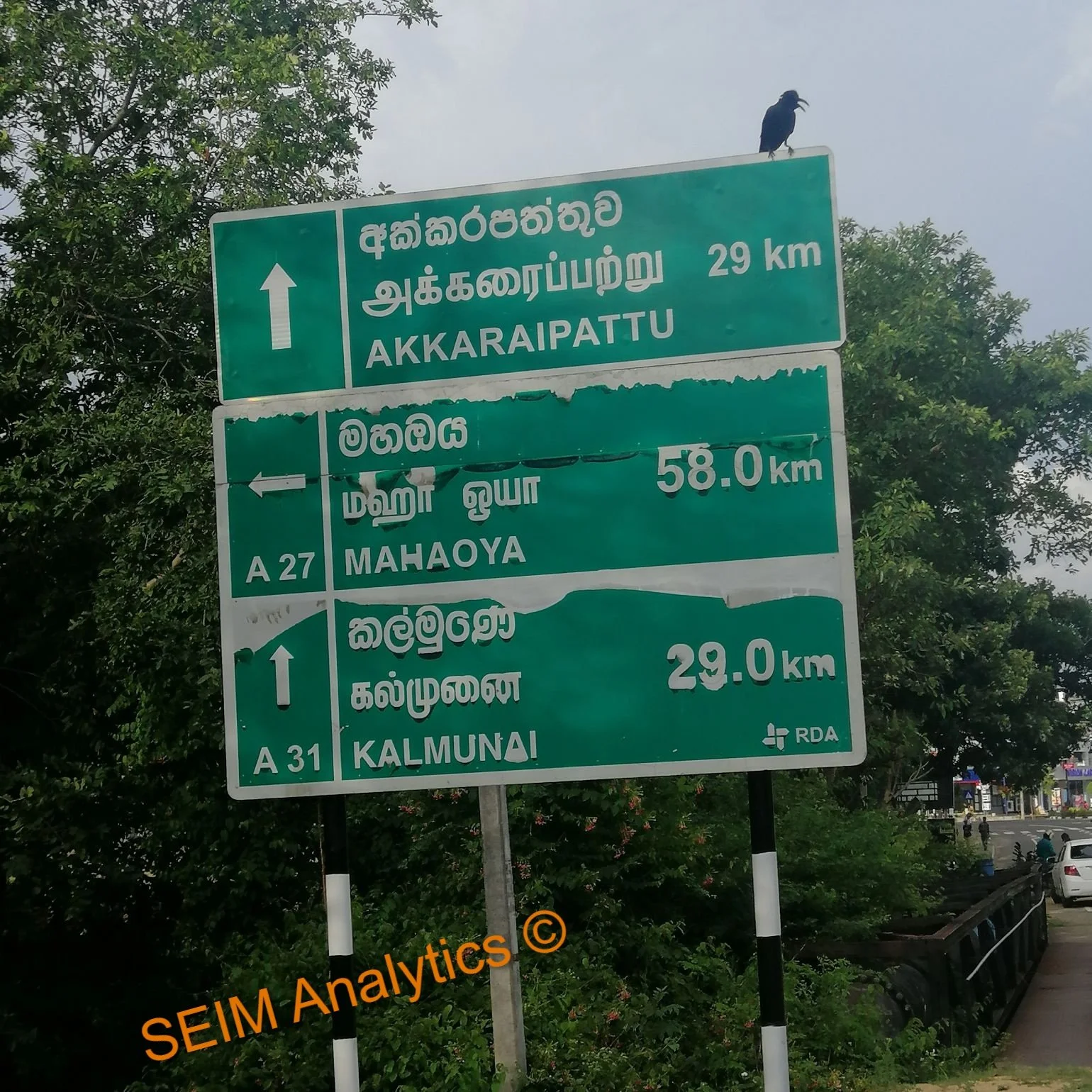
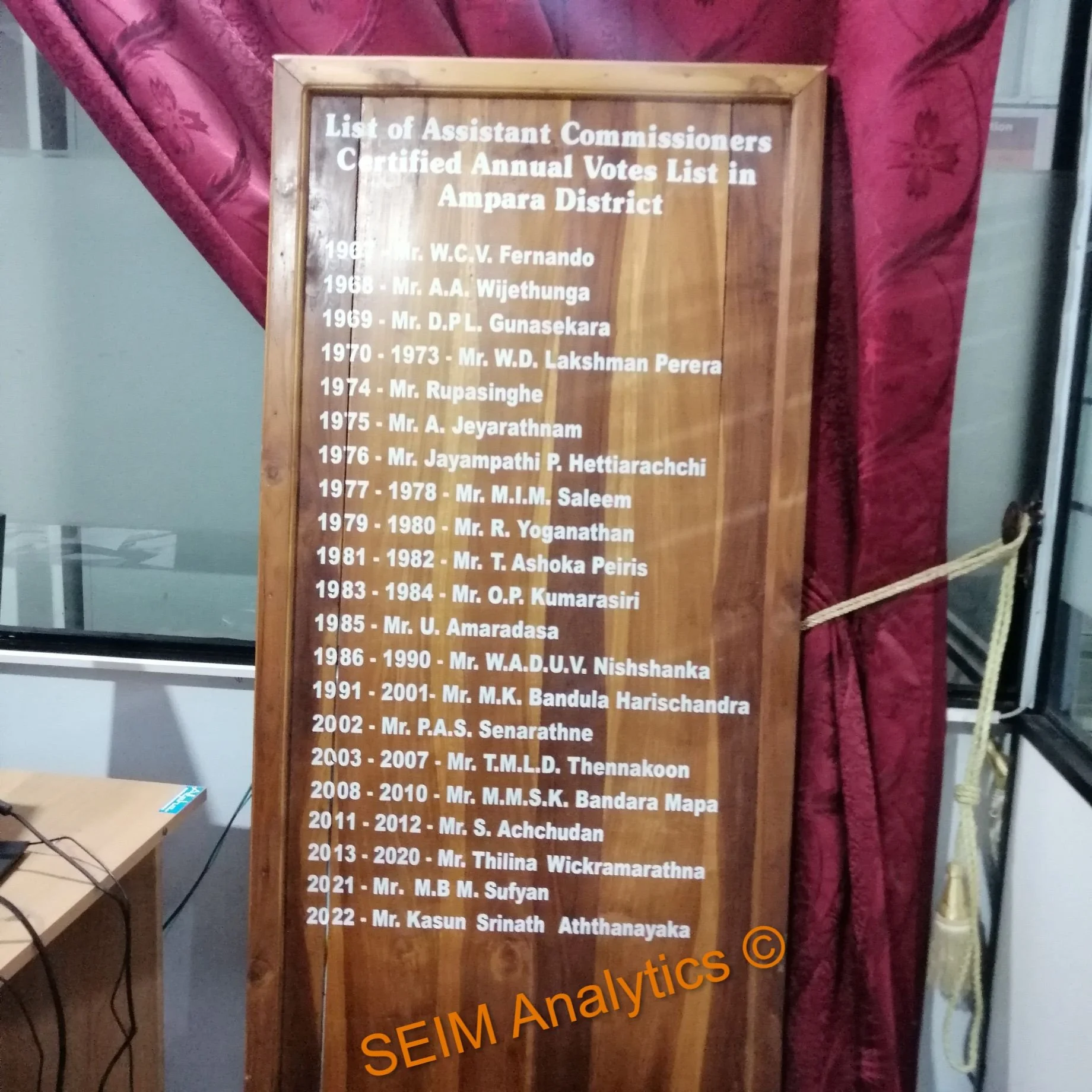
Ampara has an interesting trilateral constellation with all three ethnic groups, the Sinhalese, Tamils, and the Muslims Moors, being well represented. In Ampara District, the Muslims have a relative majority, while Batticaloa has Tamil majority, a sizable Muslim percentage (25,4% according to the 2012 census that will soon be updated), but few Sinhalese. Both districts have rural indigenous groups, like the Vedda tribal community. Both Tamil language (spoken by the Tamils and the Muslim Moor) and Sinhala is used in the region. The Muslim population is more present in the coastal regions, Tamils both at the coast and inland, while Sinhalese are in majority in the inland parts of Ampara district. AoO was harshly hit by the 2004 tsunami, and was affected by the civil war that ended regionally in 2007.
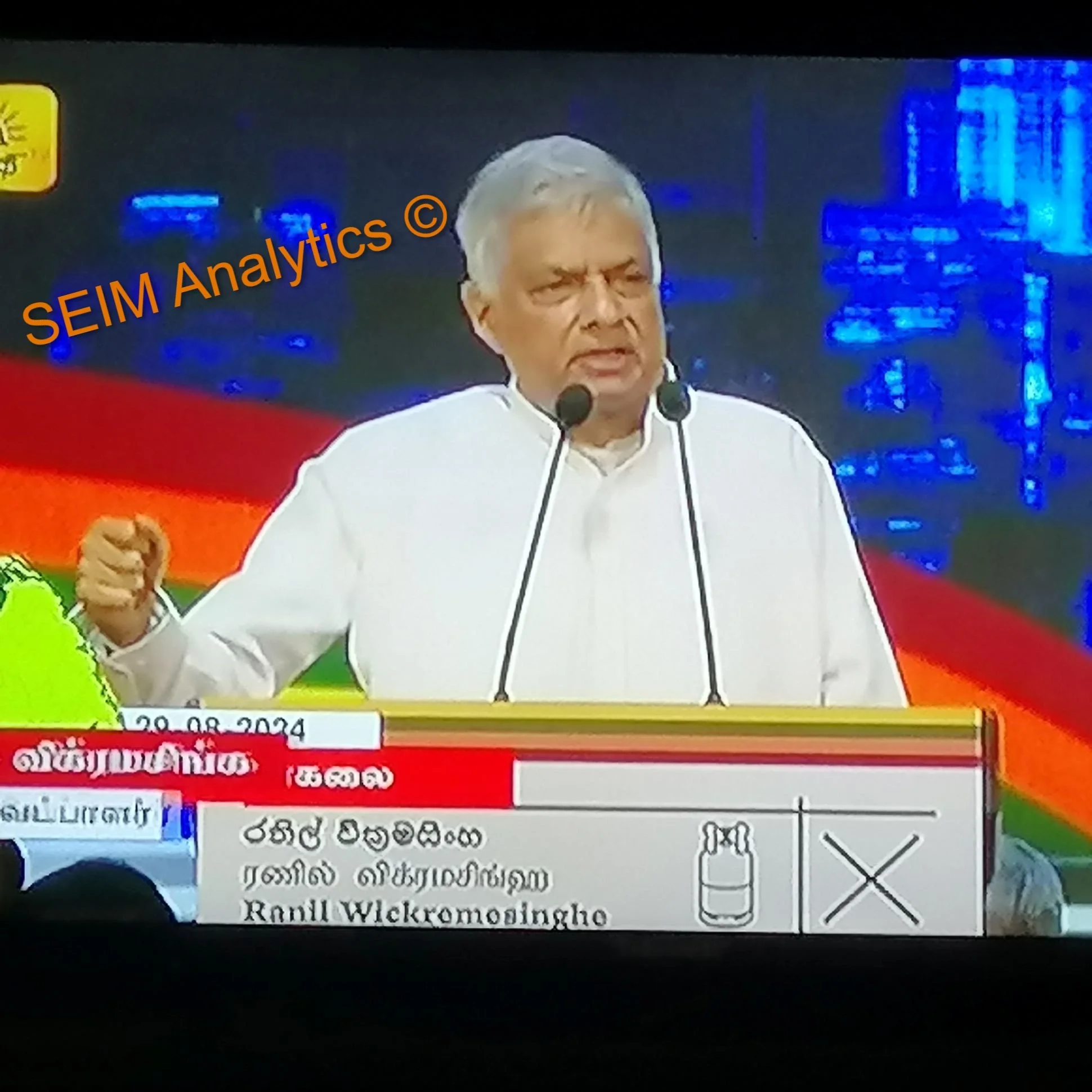
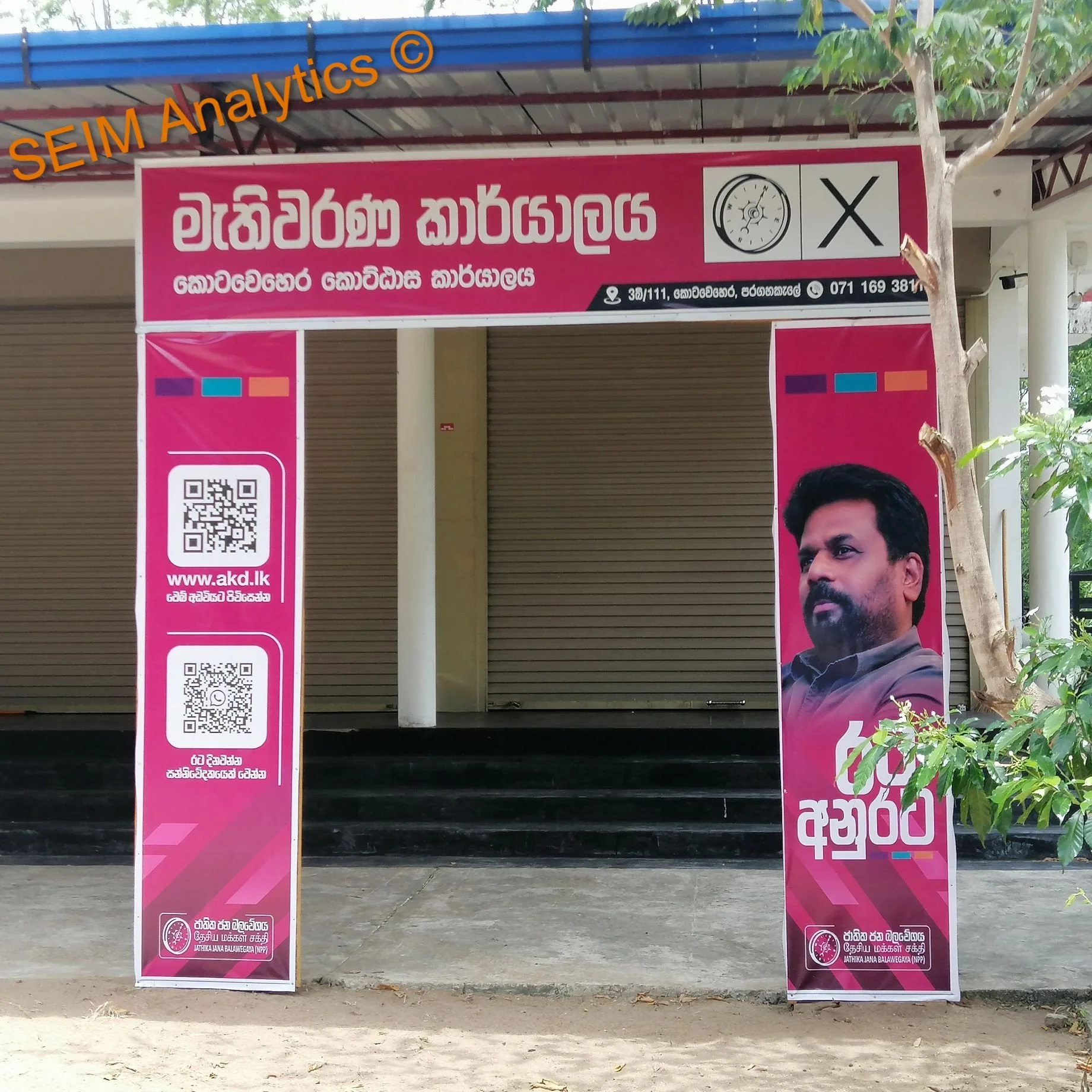
Election results and turnout (national level and regionally in the Eastern Province): In a protest vote and after an energetic campaign, the leftist/pro-Marxist candidate, Anura Kumara Dissanayake, was elected president of Sri Lanka, ahead of Sajith Premadasa and the incumbent president Ranil Wickremesinghe. A second round of counting of preference votes was needed when none of the candidates achieved 50% in the first count. Premadasa was strong in the districts of Batticaloa and Ampara at the East Coast of Sri Lanka, where he gained the support from many Tamils, and from most Muslims after local Muslim leaders gave their endorsement. 43,7% voted for Premadasa in Batticaloa and 47,3% in Ampara, while Dissanayake only received 12,2% and 25,7% respectively. With no competitive minority candidate, the turnout was 72.8% in Batticaloa and 77,4% in Ampara - below the national average of 79,5%. This regional election result demonstrates the trend in Sri Lanka’s electoral geography, that the Eastern Coast with the Tamil and Muslim minority is not electing the president but is at odds with the majority vote.
After the financial crisis in 2022 and the protests that toppled the previous president, this peaceful and technically well conducted presidential election and subsequent power transition is a step forward for Sri Lanka. It helps bring legitimacy for its political institutions through the electorate. Post-election the newly announced upcoming parliamentary election on 14 November 2024 quickly became the main focus of talks and attention.
From a technical perspective, as an experienced election observer, it was interesting to see how the system of ranked voting (1-2-3) for up to three candidates played out. This system of preferential voting enabled Sri Lanka to choose a winner between the two top candidates after a second round of counting without having to arrange a costly second round of the election, which is the most applied electoral system in most OSCE countries'.
Information about the EU mission and the collaborate findings can be found here:
https://lnkd.in/dqhQsGAP
This was the seventh time that EU observed elections in Sri Lanka.
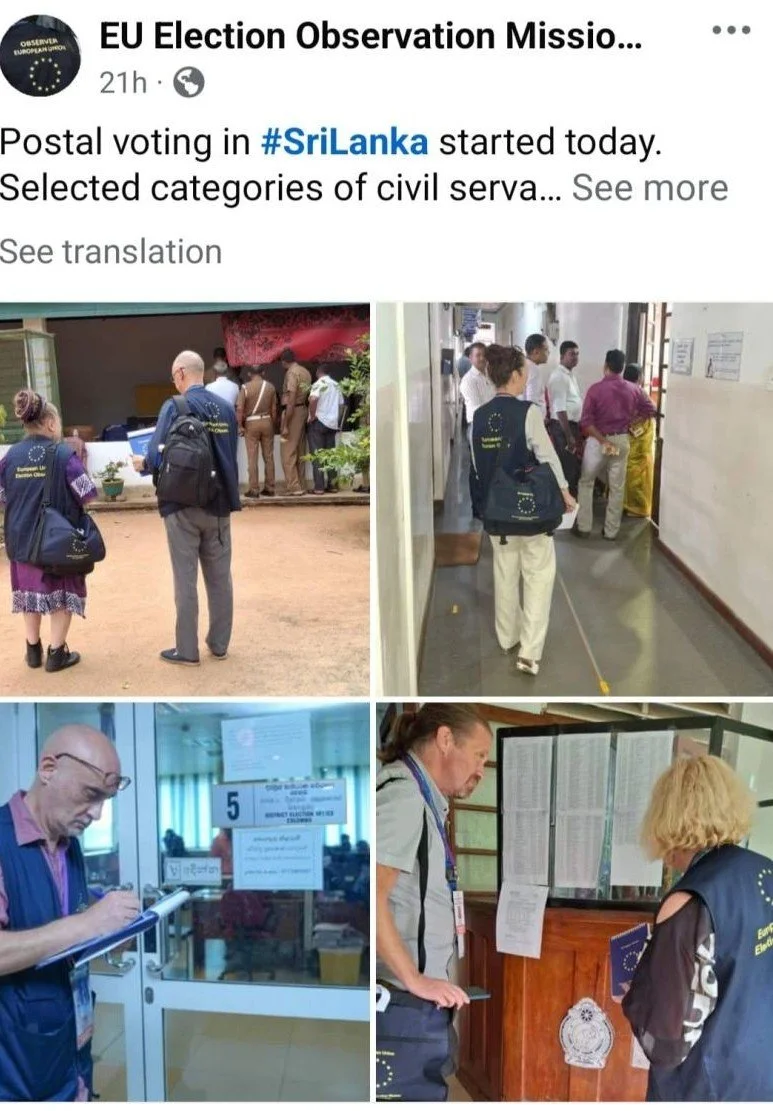
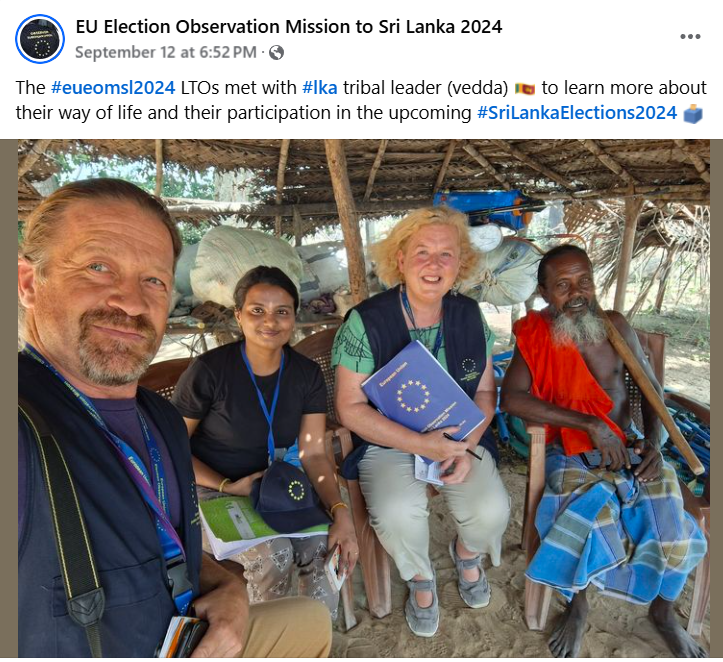
South Asia is a prioritized focus of SEIM Analytics. In 2009+10 Seim had a ten-day assignment with European Union in Bangladesh. In 2020 Seim secured a six-month contract for work with The Carter Center (TCC) international election observation mission in Myanmar as political/campaign analyst, inclusion, and gender analyst.
Go to Seim-analytics.com/asia for further information about lectures, engagements, and professional assignments in Central Asia, South Asia, and East Asia (Japan, China).
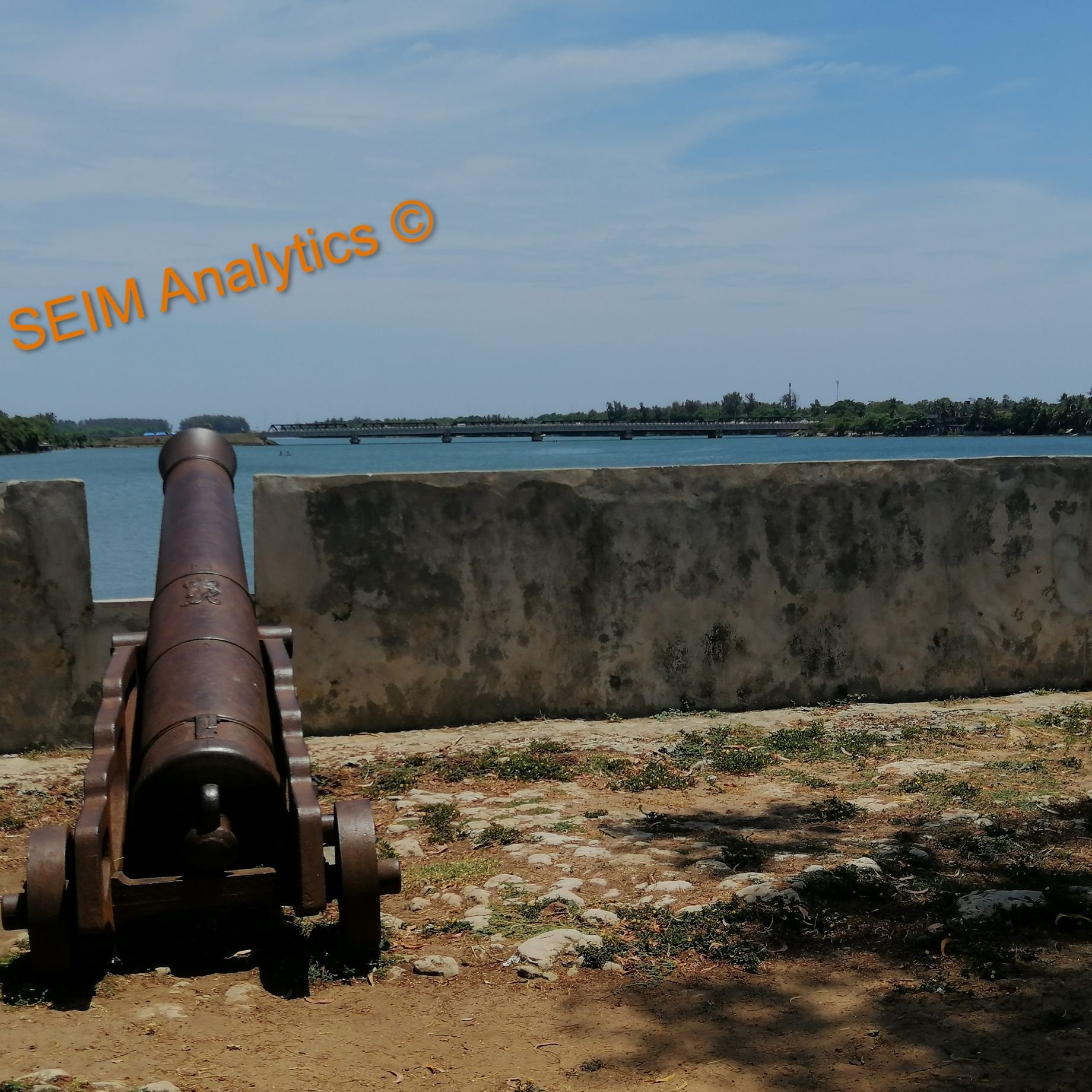
The old Dutch canons are still to be seen at Batticaloa Fort that originally was built by the Portuguese in 1628, before it was captured and rebuilt by the Dutch in 1638.