
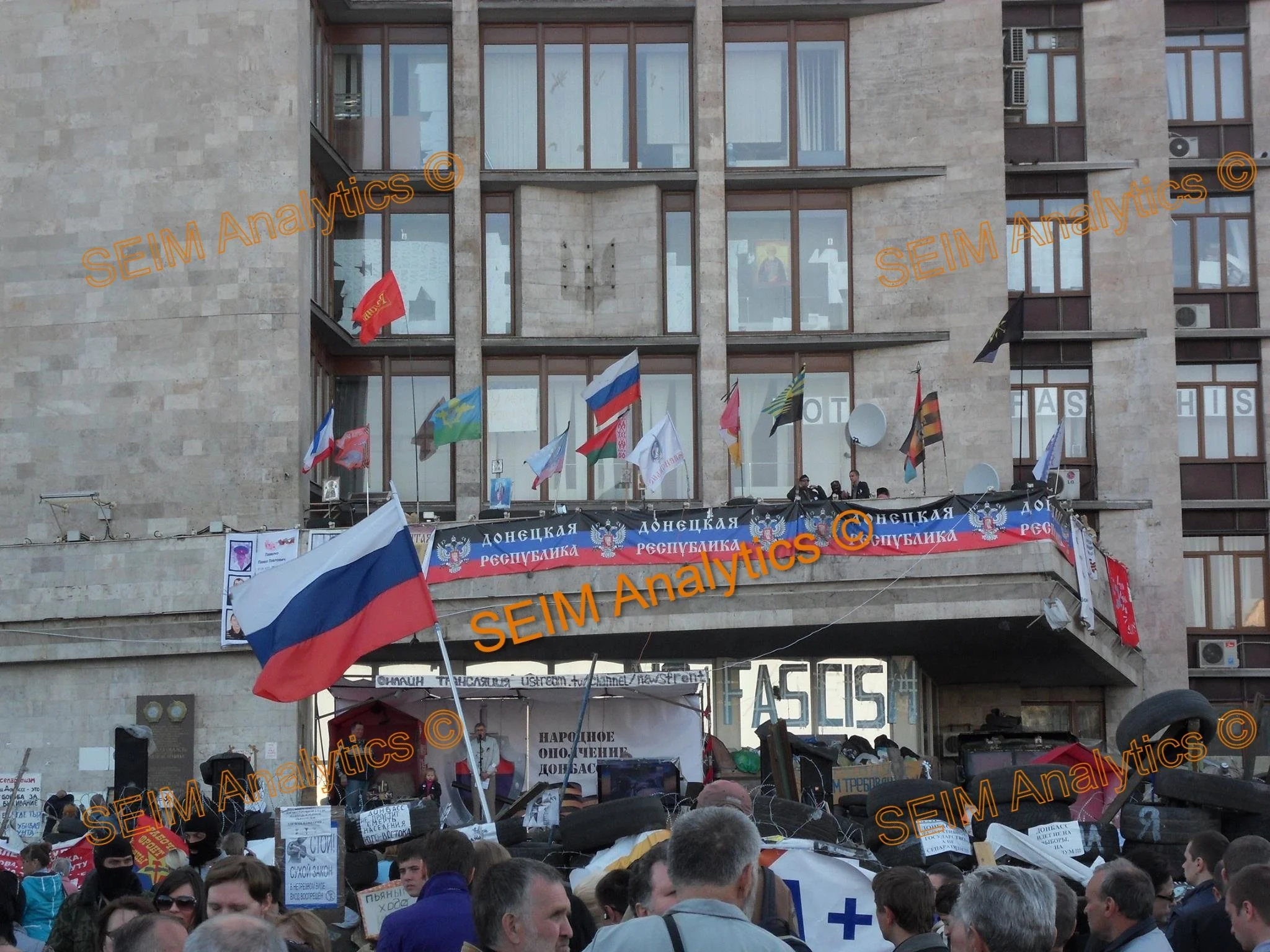
The pro-Russian Anti-Maidan Revolution in Donetsk 7 April 2014 that started the conflict
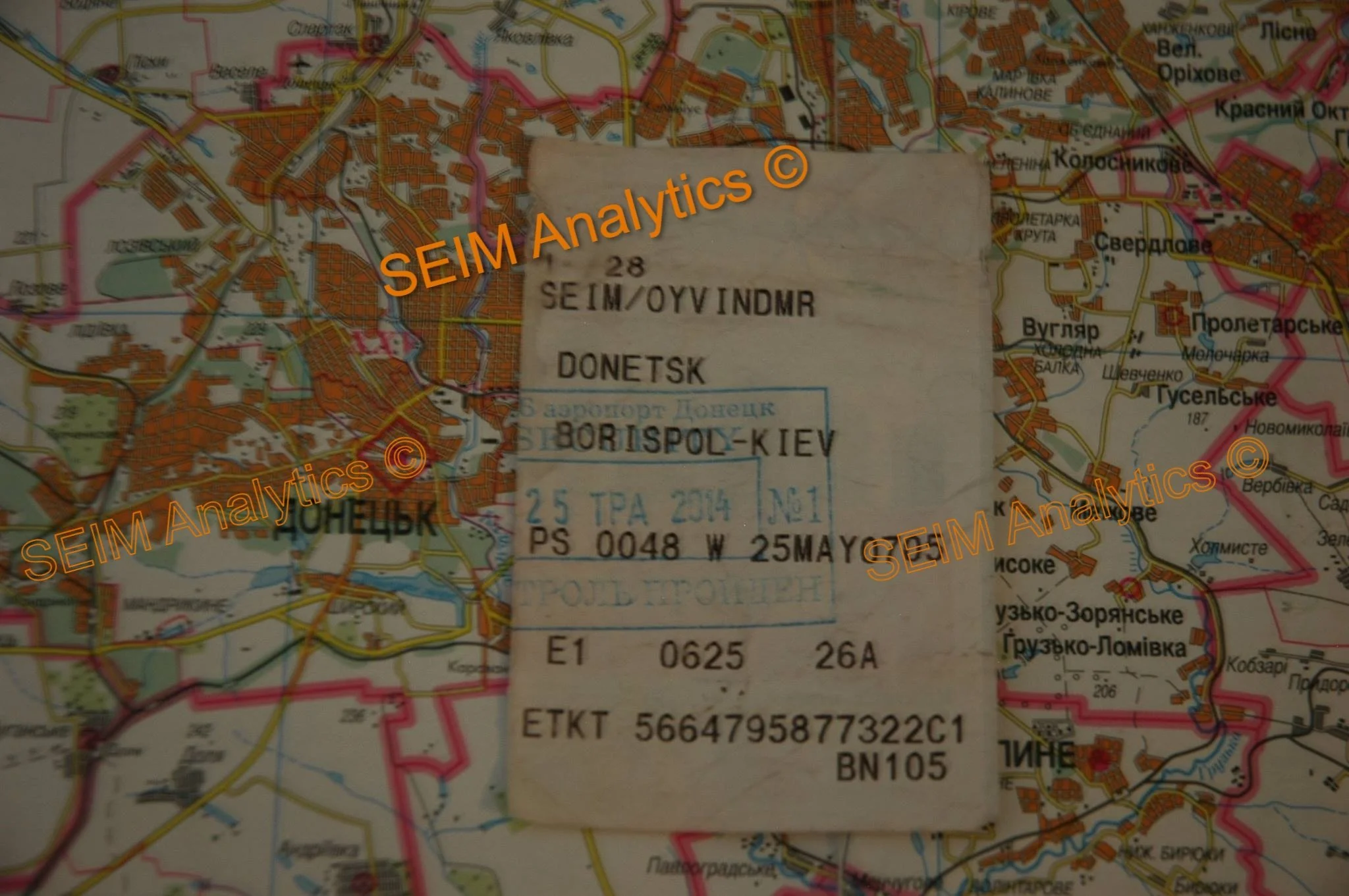
“Last flight out of Saigon...” (Donetsk) 25 May 2014
UKRAINE, RUSSIA, and BELARUS:
For this region, SEIM Analytics is focused on conflict monitoring, history, election analysis and democratization, energy politics, and geopolitics.
Subscribe to in-depth military and security analysis and updates on the war in Ukraine and Russia-related geopolitics with expert insights and strategic advice. Stay informed with SEIM Analytics' weekly frontline reports from Ukraine.
UKRAINE:
Engagements with Ukraine include actively and closely following elections in Ukraine since 2004. From 2014 this scrutiny encompasses analysis from open sources of the military escalation in Donbas. The focus in the 2014-2022 period was on mediation, dialogue facilitation and diplomacy to solve the conflict peacefully and avoid the Russian invasion in 2022.
From the Russian invasion in 2022 to current 2025-developments and frontline dynamics, based on open sources SEIM monitors military-political developments on a daily basis. SEIM Analytics is positioned to provide sound policy advice, geostrategic analysis, military analysis, and conduct human rights monitoring.
See one free report example here!
SEIM can showcase unique professional experiences and insights into Ukrainian politics and world-shattering events (among other in 2014 in Donetsk). This is based on:
· Work as OSCE-ODIHR long-term election observer in Crimea from November 2009 to late February 2010. Working closely towards party HQs of Party of Regions and Yulia Timoshenko’s party organization, as well as election administration in Simferopol, Saky, Chernomorskoe, Dzhankoy, Belogorsk. Also visiting Yalta, Alushta, Sevastopol, Balaklava, Yevpatoriya, Bakhchysarai (the Crimean Tatar capital).
· From March 2014 to late May 2014, work as OSCE-ODIHR election observer in Donetsk region East (Donetsk, Horlivka, Torez, Yenakiievo, Shakhtarsk, Khartsisk). On 25 May, with other ODIHR colleagues, flying out (evacuating) with the last plane from Donetsk Airport. This privileged access (under security constraints) to observe the Anti-Maidan movement and access stakeholders and officials gave unique first-hand insights into Ukraine's politics and security situation in the pre-phase of the military-political conflict in Eastern Ukraine in 2014-15. Reports produced on the brewing conflict reports were read widely.
· Work as long-term election observation work in Dnipropetrovsk Region from early June to August 2019 for the parliamentary elections. This included meeting stakeholders in Dnipro, Kamianske (ex-Dniprodzerzhynsk), Dnipro, Tomakivka, Marhanets, Nikopol, Verkhnodniprovsk, Krynychky, Zhovty Vody, Tsarychanka, etc.
· These insights into Ukraine include observing elections (short-term) in Kyiv (autumn 2014), Odessa (Reni municipality at the Danube), and Mykolaiv (autumn 2015), as well as travel to Lviv and Uzhgorod in 2007, and to Kyiv and Vyshgorod in autumn 2019. Seim was invited to work for OSCE SMM in Ukraine in 2015.
SEIM Analytics offers Ukraine-related lectures or presentations:
An introductory outline of Ukraine’s history and nation-building
Ukraine’s elections and political geography since 2003
The Road to War: Donetsk during the spring of 2014
The Ukrainian presidential elections 2009-10: Case Study Crimea (This presentation was given to about 30 EU and OSCE parliamentarians and ODIHR-observers in Simferopol, 16 January 2010)
PAST NEWSPAPER ARTICLE: Krims vei ut av krisen (Crimea’s way out of the crisis), in Bergens Tidende, 16 March 2014
RUSSIA:
Russia !! ...currently a pariah state at war with its own security concerns and security parameters, some of which are reflections of its history and victorious but bloody war with Nazi-Germany. Unfortunately, Seim has yet to see this beautiful country. The only visit was a 5-week summer language school in Russian at the Pushkin Institute in Moscow in 2004.
Back in 2004, one encountered a very friendly environment in Moscow (the economy had stabilized and was growing, while politics and nationalism were “contained”). At tube station entries one could stop for a chat with a babushka selling kvas, or easily practice one’s mediocre Russian while sharing a Baltica beer with unknown citizens passing by there or at the cafés. Visits took place to the Red Square, Park of the Fallen Heroes, the All Russian Exhibition Center (the VDNH from 1935), Museum of Cosmonautics, St. Basil’s Cathedral, Cathedral of Christ the Saviour, the Moscow metro, etc.
BELARUS:
In 2016, Seim was OSCE-ODIHR long-term election observer in Mogilev/Mahilau region during the parliamentary election, an experience that gave insider insights into politics and election (and selection) processes in Belarus. Seim’s team provided key inputs and substantiated evidence about election campaign issues relevant for ODIHR’s reporting. Seim hosted and joined OSCE Parliamentary Assembly vice-president, Kent Härstedt, on some meetings, among others one with regional election authorities in Mogilev/Mahilau that appeared in Belarus national TV news.
It was interesting to visit the small-towns of Skhlov, Mstsislav, Drybin, and Horky. (President Lukashenko studied at the Mogilev Agricultural Academy in Horky, but grew up in Skhlov.) A visit of respect was done to Buynichi Field Memorial Complex related to the defence against Nazi-Germany in 1941, situated southwest of Mogilev.
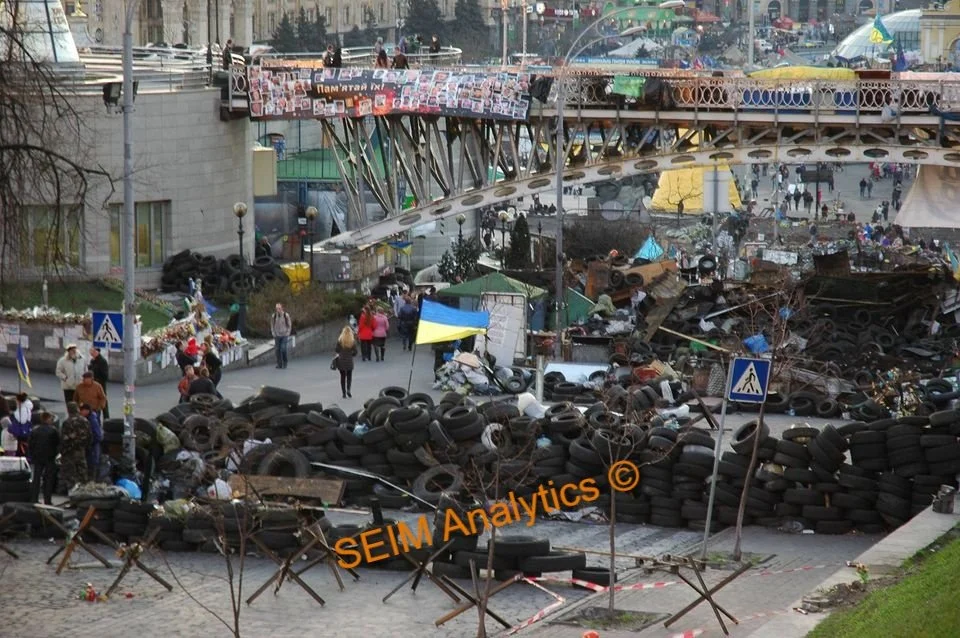
After the Maidan (Ukrainian) Revolution in Kyiv (March 2014) - barricades still in place.
Russia is often perceived as aggressive and expansionist for violating international law and sovereignty norms, and as authoritarian – being ruled through repression, censorship, and elite patronage. Russia is seen as disruptive – by employing hybrid warfare, disinformation, and cyber operations.
Yet, in the Global South, despite these reputational losses, Russia is often perceived more ambiguously, sometimes even sympathetically, as anti-hegemonic – by challenging the U.S.-led global order, and as defiant – because of standing up to Western dominance or perceived hypocrisy and double standards (e.g. the NATO bombing of FR Yugoslavia in 1999 against the UN Charter and Western violation of Serbia’s sovereignty in 2008 by recognizing Kosovo and ignoring UN-1244 resolution stipulations). For the Global South, Russia is treated as a transactional partner of convenience – offering arms, energy, or political cover. It further builds itself up as an alternative power – representing multipolarity alongside China.
An election snapshot from the early 2019 parliamentary election in Dnipro)
> Overall Assessment: A potential watershed election with considerable risks associated.
A landslide election victory for the anti-establishment party Servant of the People associated with the recently elected president Volodymyr Zelensky, which extended his election momentum by achieving 254 of 424 seats in parliament, many as surprise wins in single-mandate constituencies. Opposition Platform for Life achieved 13.05%, while Yulia Tymoshenko’s Batkyvshina (Fatherland) with 8.18% symbolically overcame European Solidarity with 8.10%, the party of the previous president, Petro Poroshenko. The anti-establishment party Voice will also enter parliament after attracting 5.82% of the votes, while several Ukrainian nationalist parties (Radical Party, Freedom Party, Strengths & Honor) failed to pass the 5% threshold. The election confirmed Servants of the People as the new dominant political factor in Dnipropetrovsk Region. The combined regional and national result represents an almost complete reconfiguration and reset of the Ukrainian parliament. The result is an attempted departure from the decades-old system of political representation being intertwined with vested business interests and sometimes corrupt entrepreneurs and government bureaucrats.
However, this rapid reshaping of power also represents a usurpation-like movement, which is exploiting “early” elections as a tool to establish a monopoly of power which can move Ukraine back towards a presidential-parliamentary system.
Failure of the new elites can even lead to an (un)democratic reversal. (Seim, 2019 assessment)
Contact SEIM Analytics for a regional-focused evaluation about the 2019 election, the implementation in Dnipropetrovsk of the 2014 tendering law, the 2015 decentralization process, electoral boundaries reform needs, environmental dangers, and an assessment of the language issues and the language law in this mostly Russian-speaking urban-industrial region.
From SEIM Analytics News/Blog: newest assignments, reports, and engagements related to Ukraine and Russia (from 2024) >
OSCE - on the 50-years Anniversary of the Helsinki Final Act (1 August 2025)
Frontline Dynamics in the War in Ukraine: A Tactical and Strategic Analysis, 25 November 2025
Download frontline report as PDF file here
Time to Decide Europe Summit 2025: Notes on Ukraine, Bosnia, Kosovo, Trump, and EU’s future (8 December 2025)
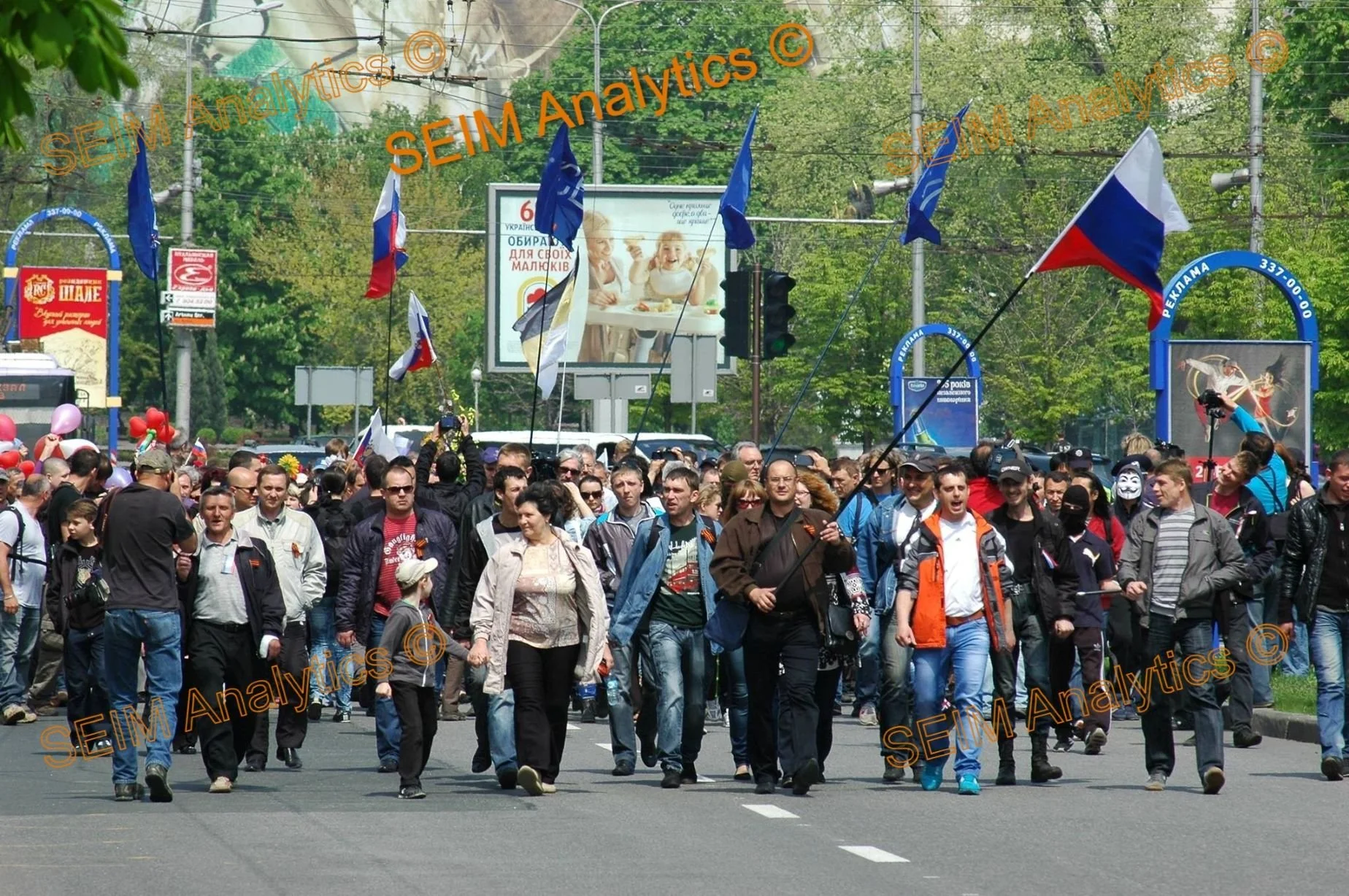
During the pro-Russian Anti-Maidan revolution in Donetsk
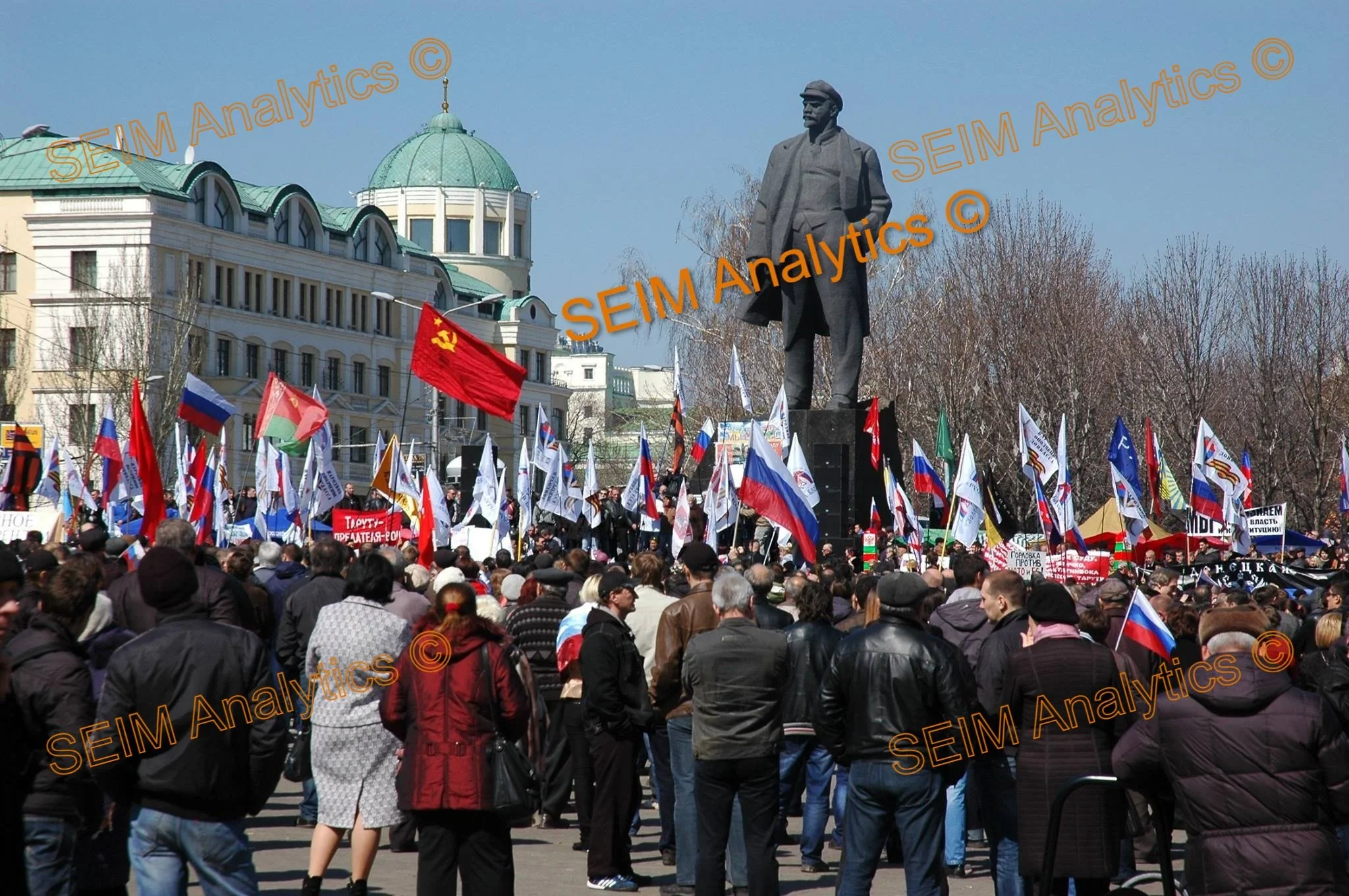
The pro-Russian Anti-Maidan revolution in Donetsk 7 April 2014
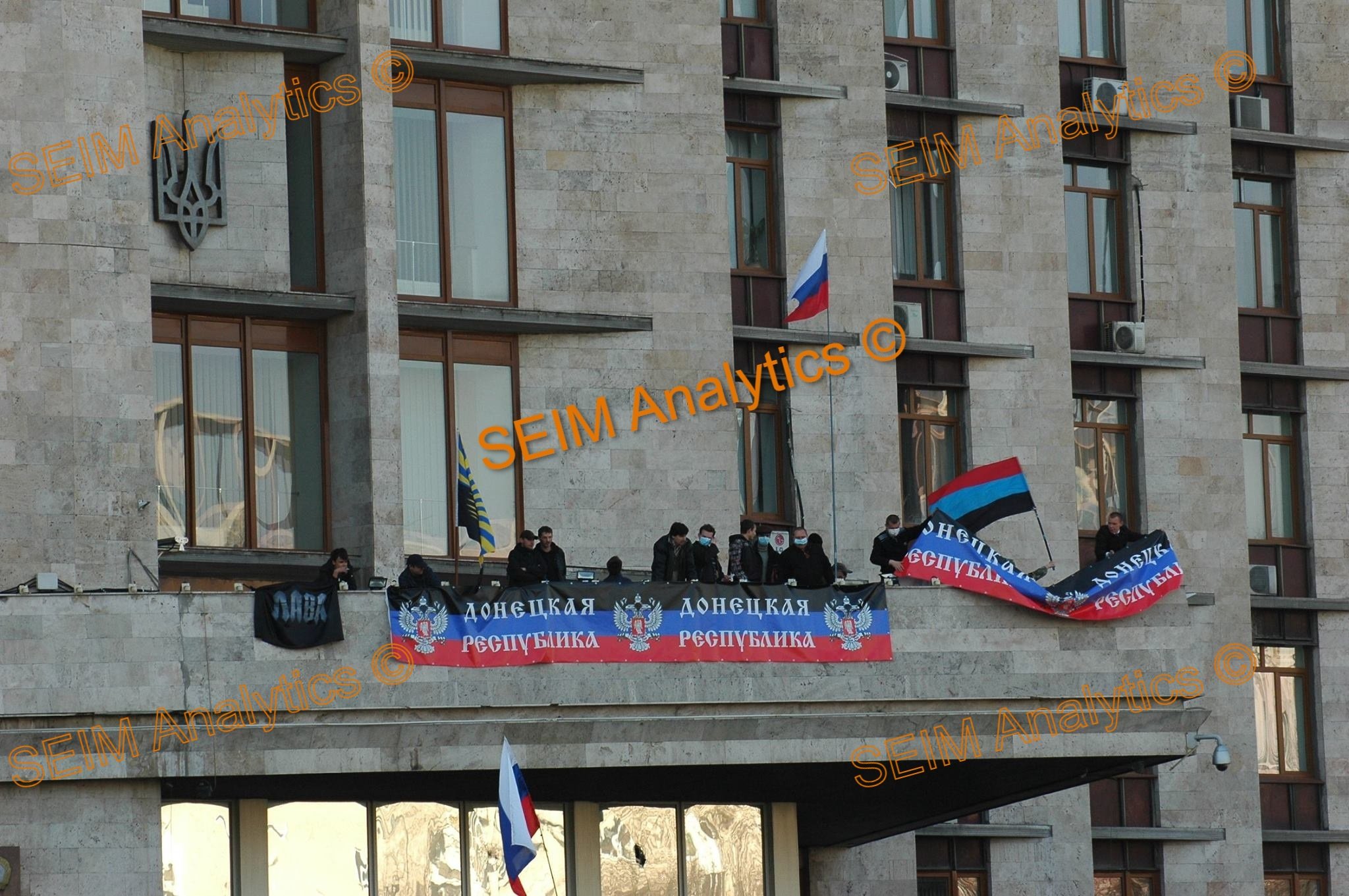
After the storming of the Donetsk Regional Administration building of pro-Russian separatists on 7 April 2014
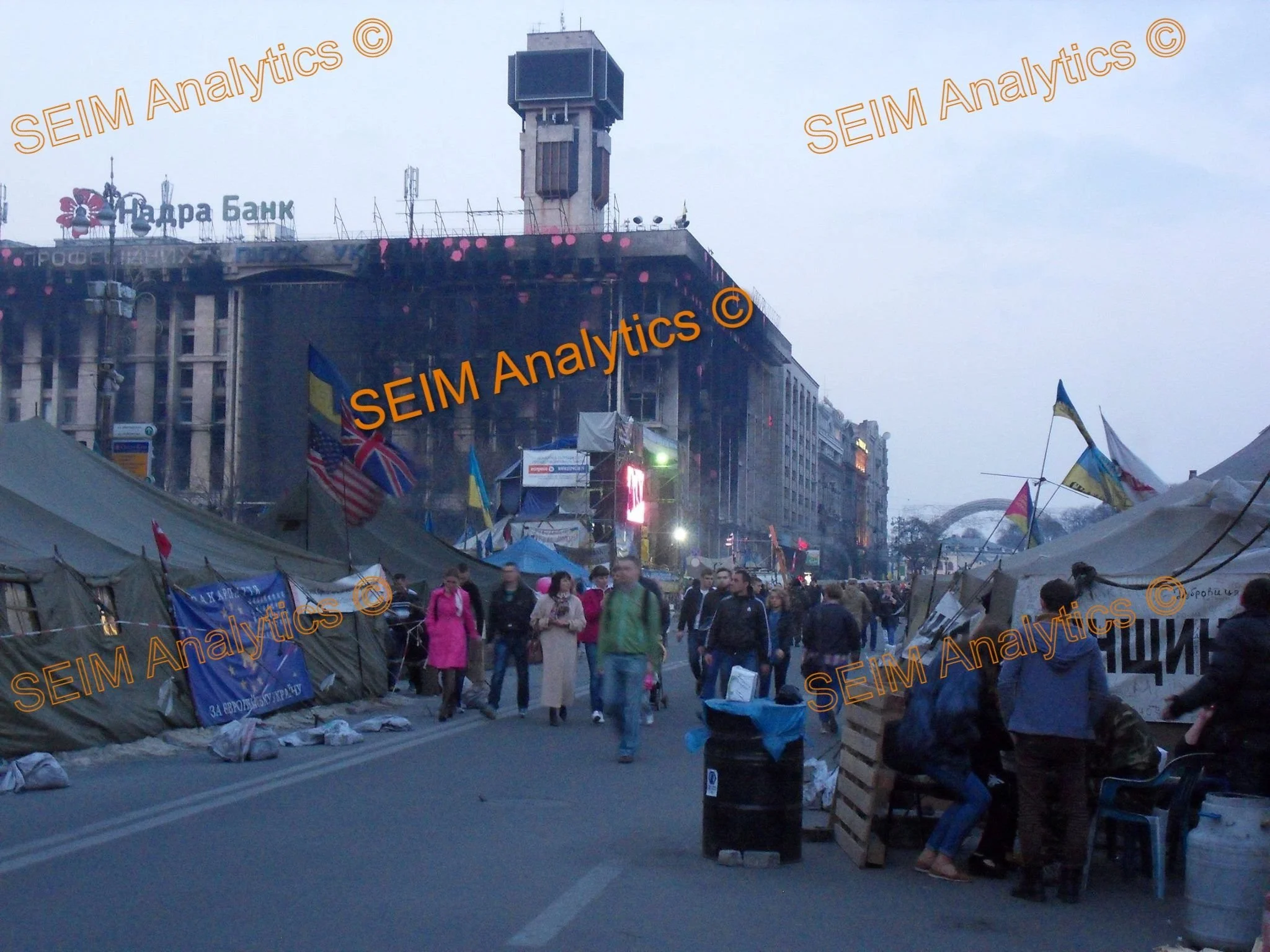
The Ukrainian Maidan Revolution, Kyiv, March 2014.
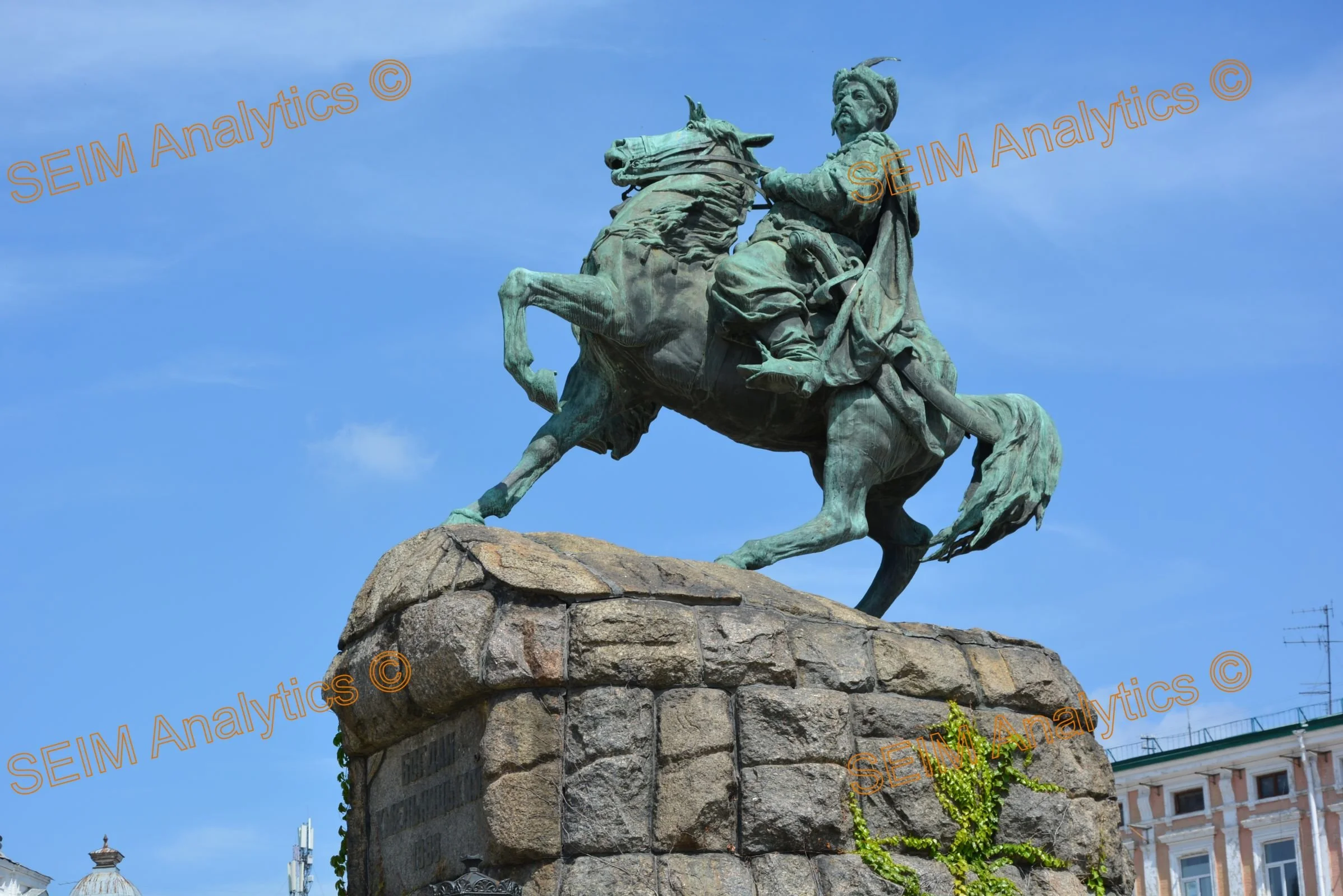
Bronze statue of the Cossack commander Bohdan Mykhailovych Khmelnytsky in Kyiv.
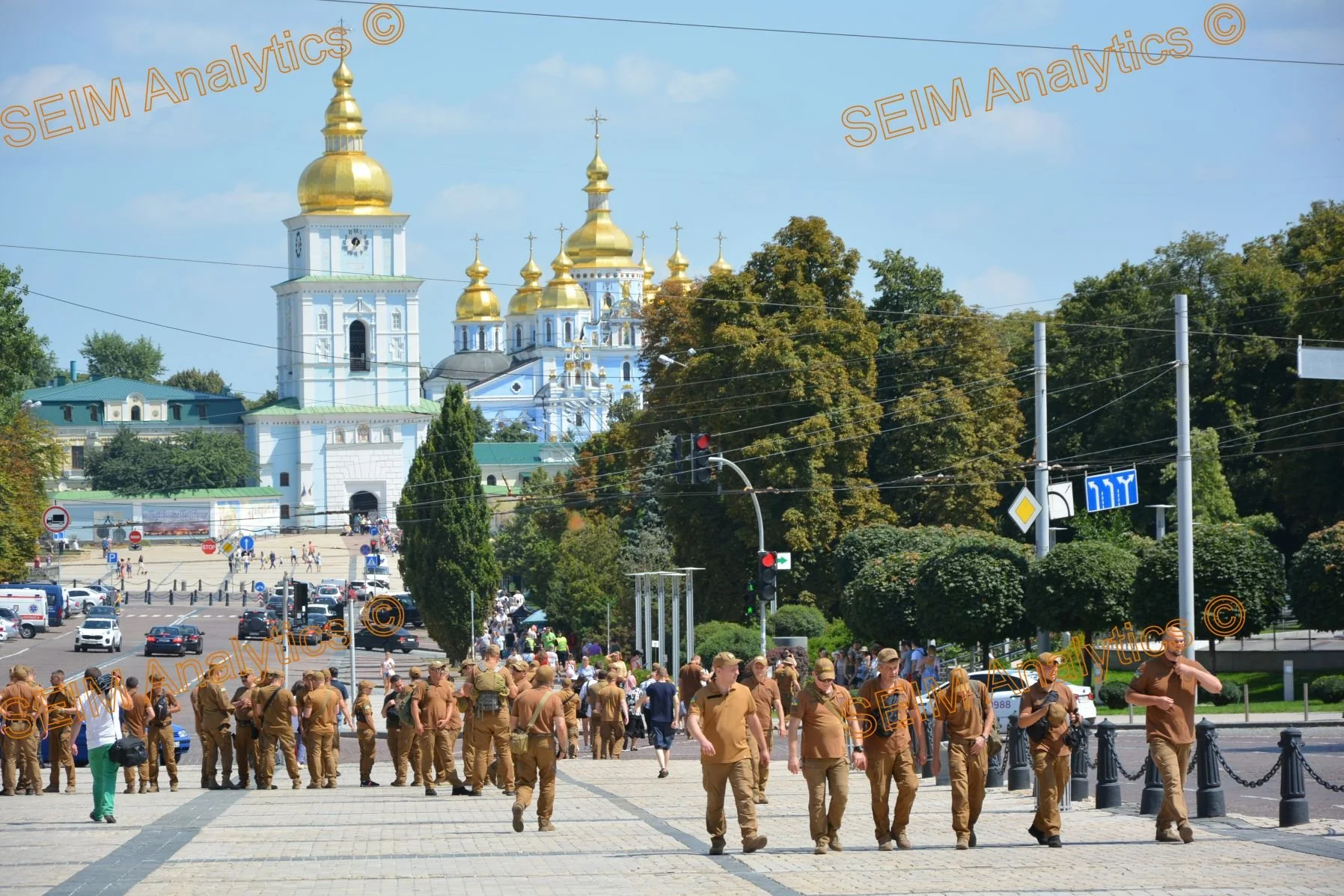
Ukrainian soldiers walking on a national holiday in Kyiv, 2019.
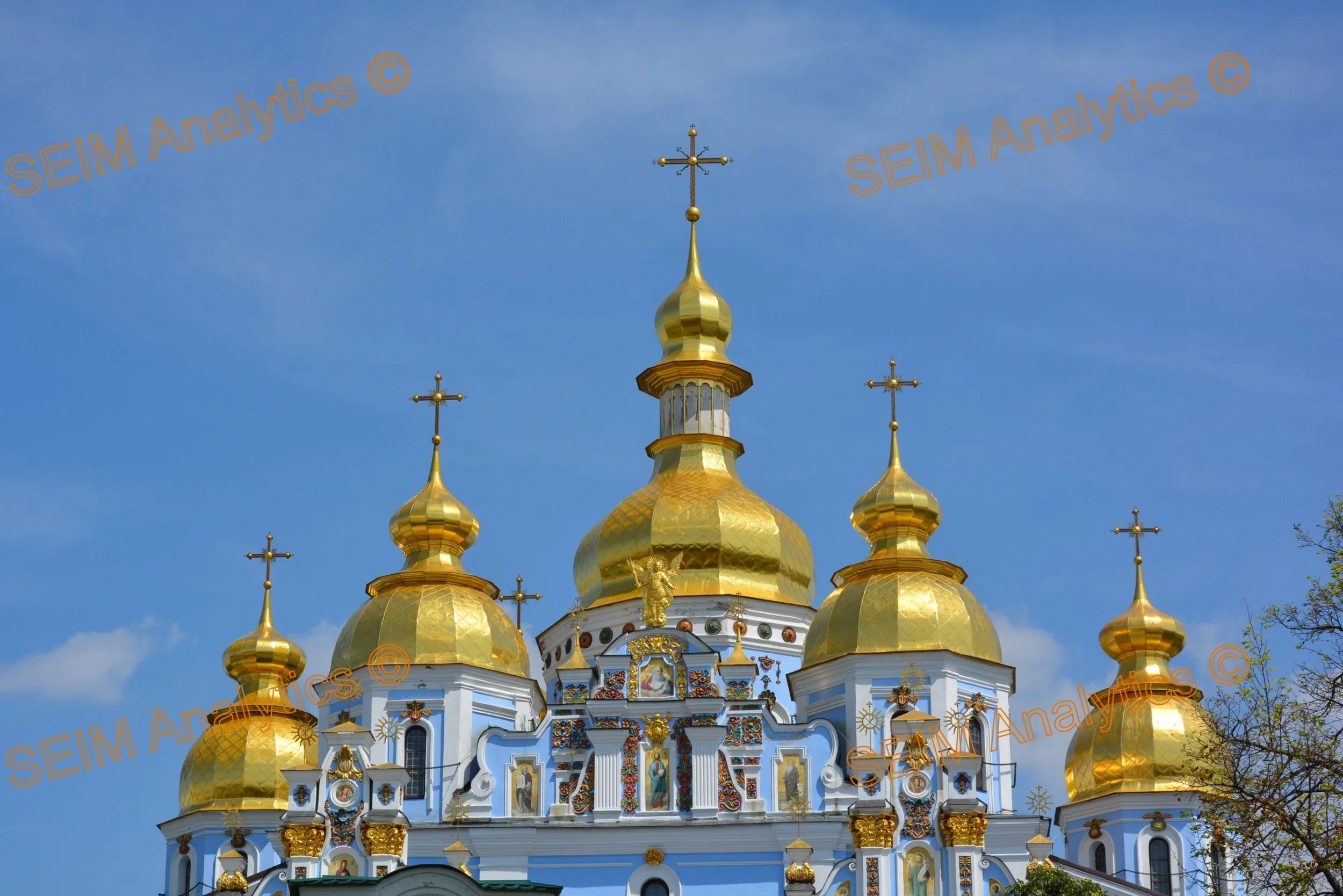
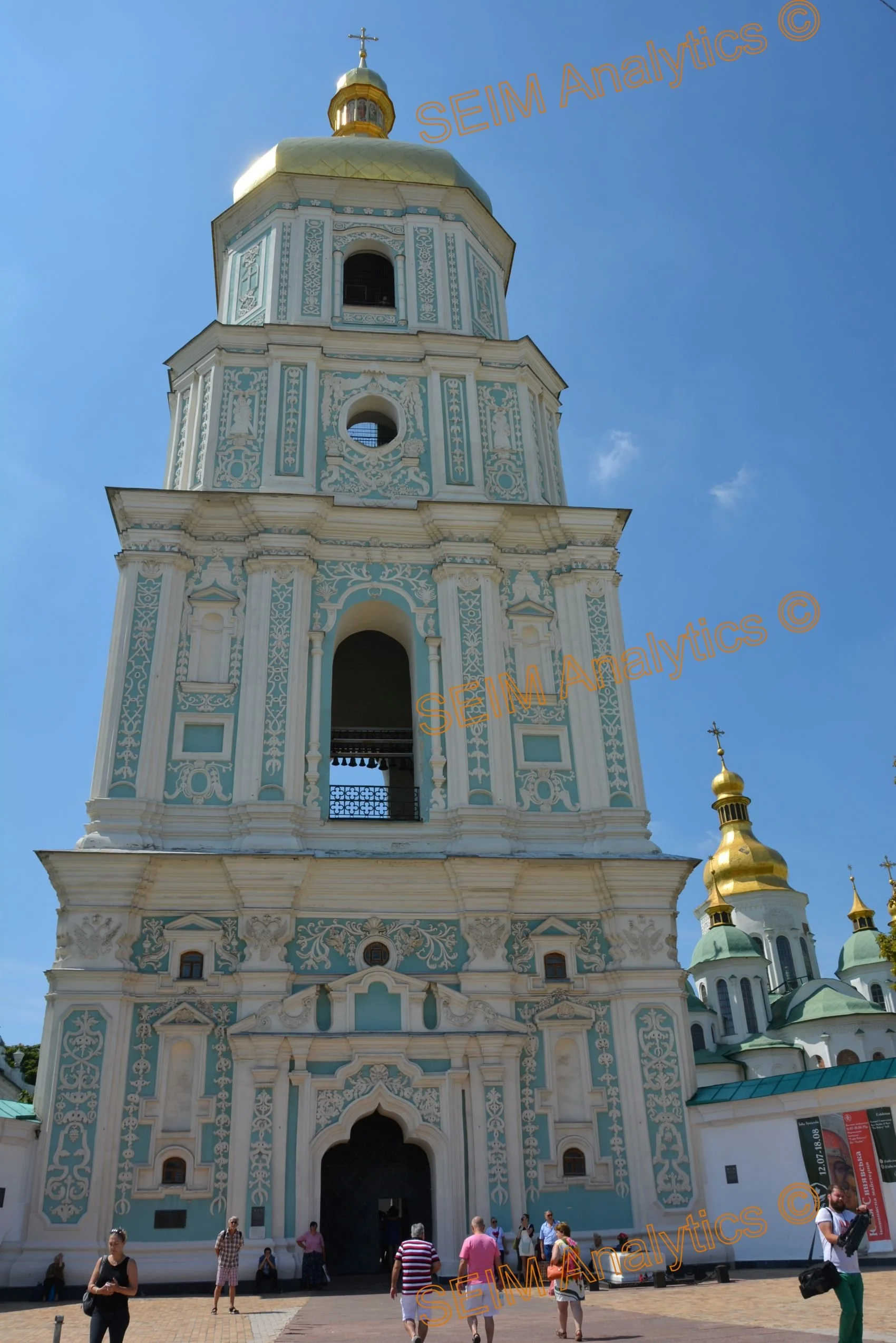
Baroque Ukrainian Orthodox Church, Kyiv.
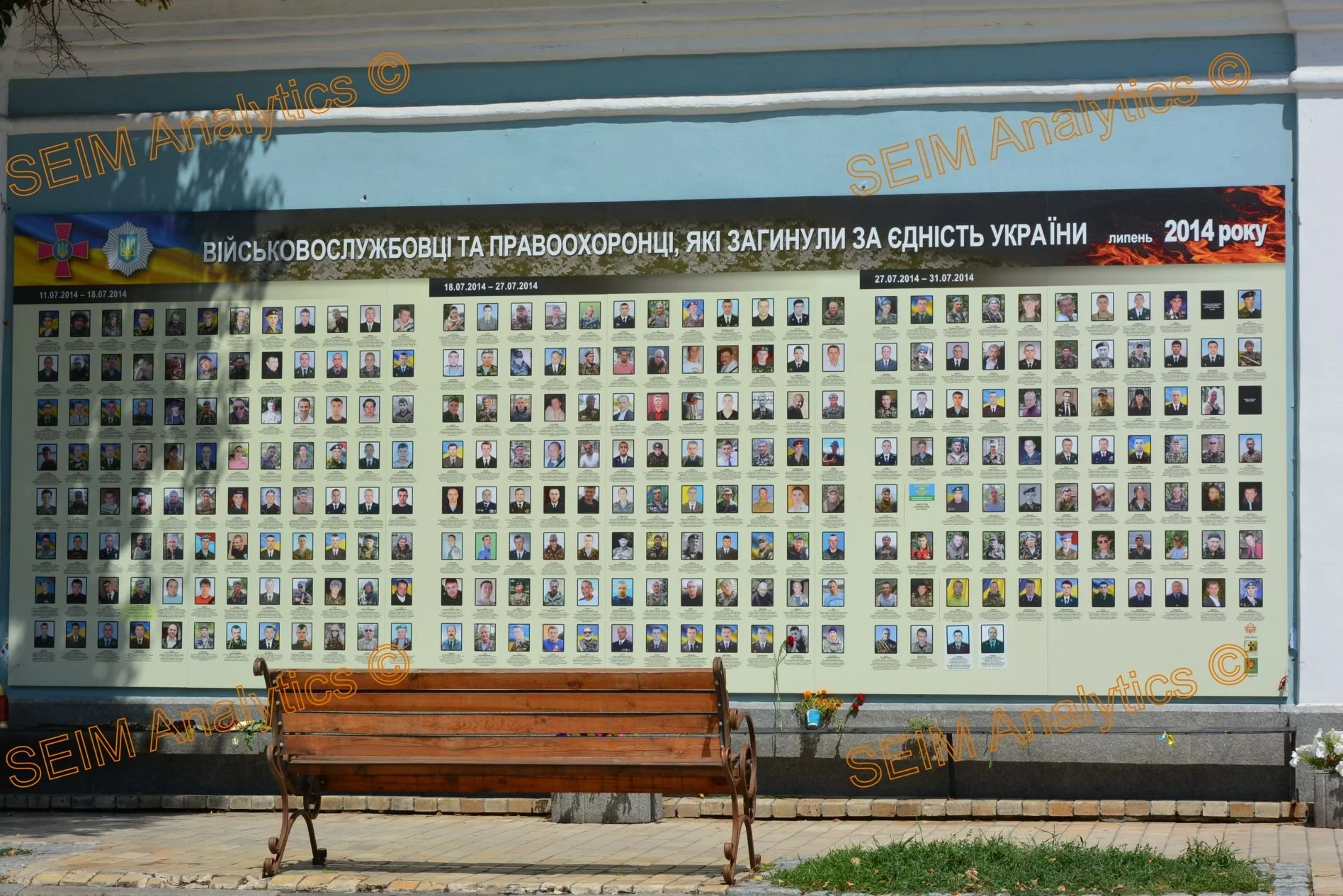
Memorial board in Kyiv with photos of Ukrainian soldiers and law enforcement officers who died for Ukraine, with dates from July 11, 2014, to July 31, 2014.
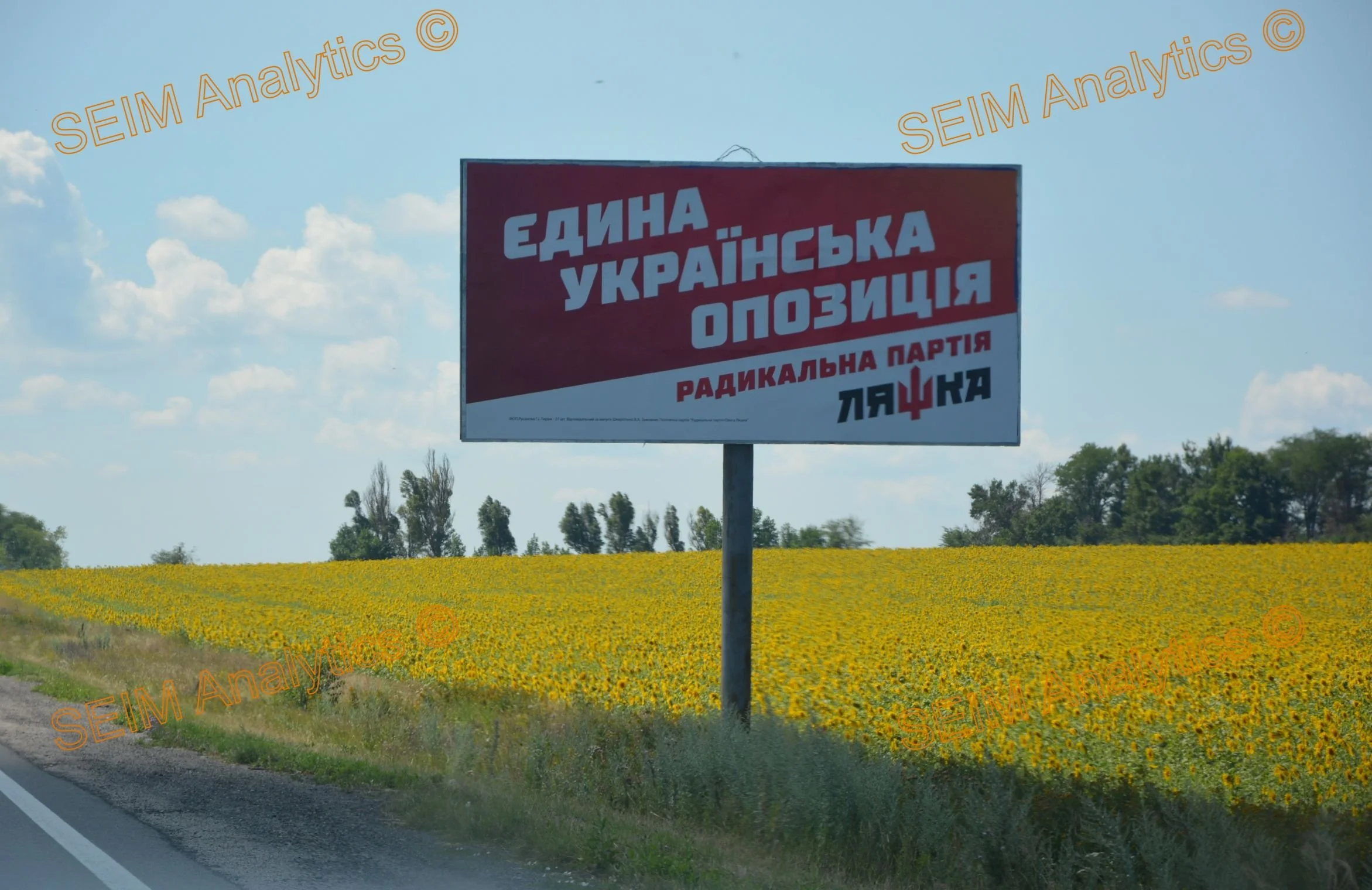
Billboard in Ukraine for the leader of the Radical Party of Oleh Liashko
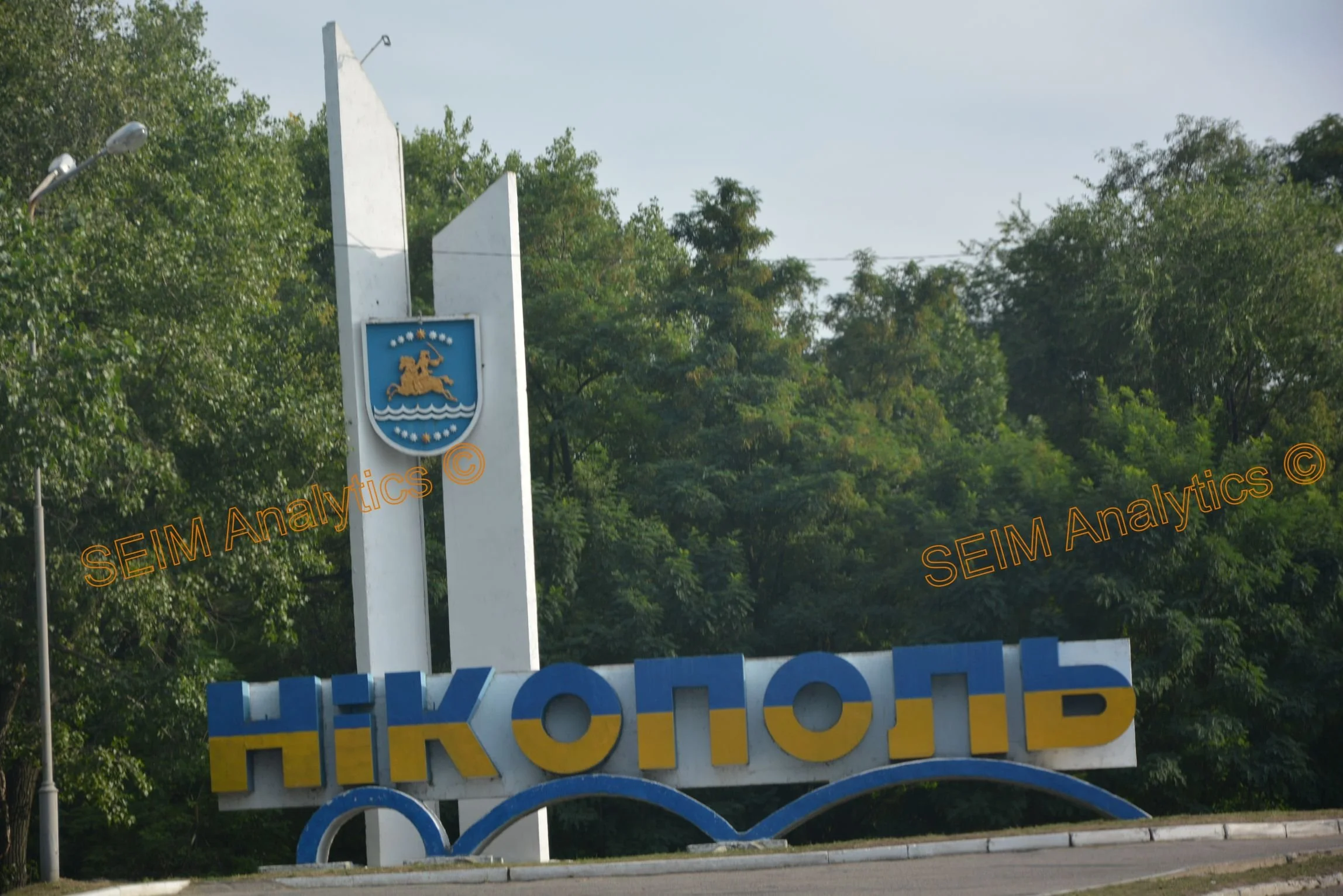
Welcome sign in Nikopol, Dnipro Region, Ukraine.
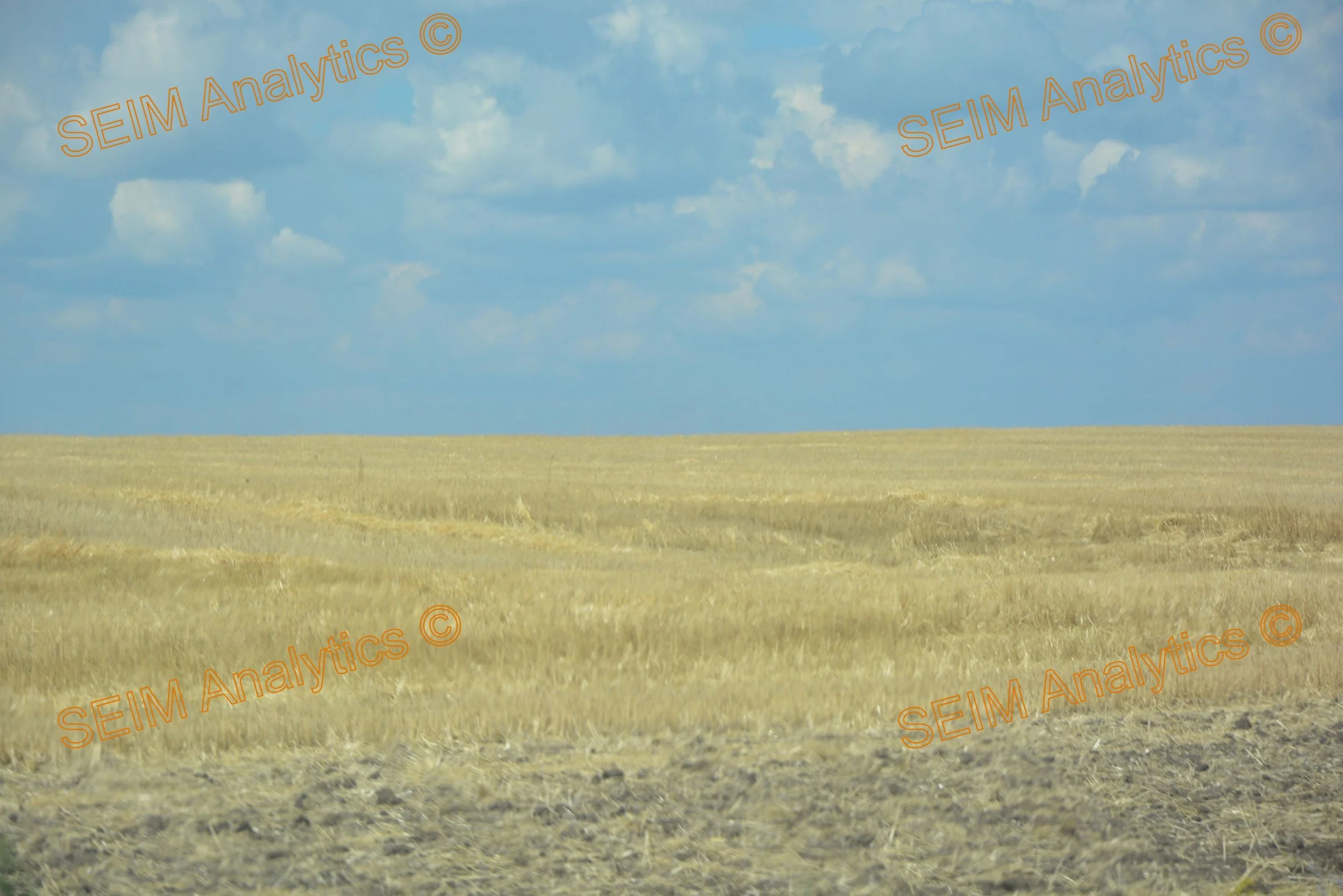
The fertile Ukrainian black soil belt, here in Dnipro Region.
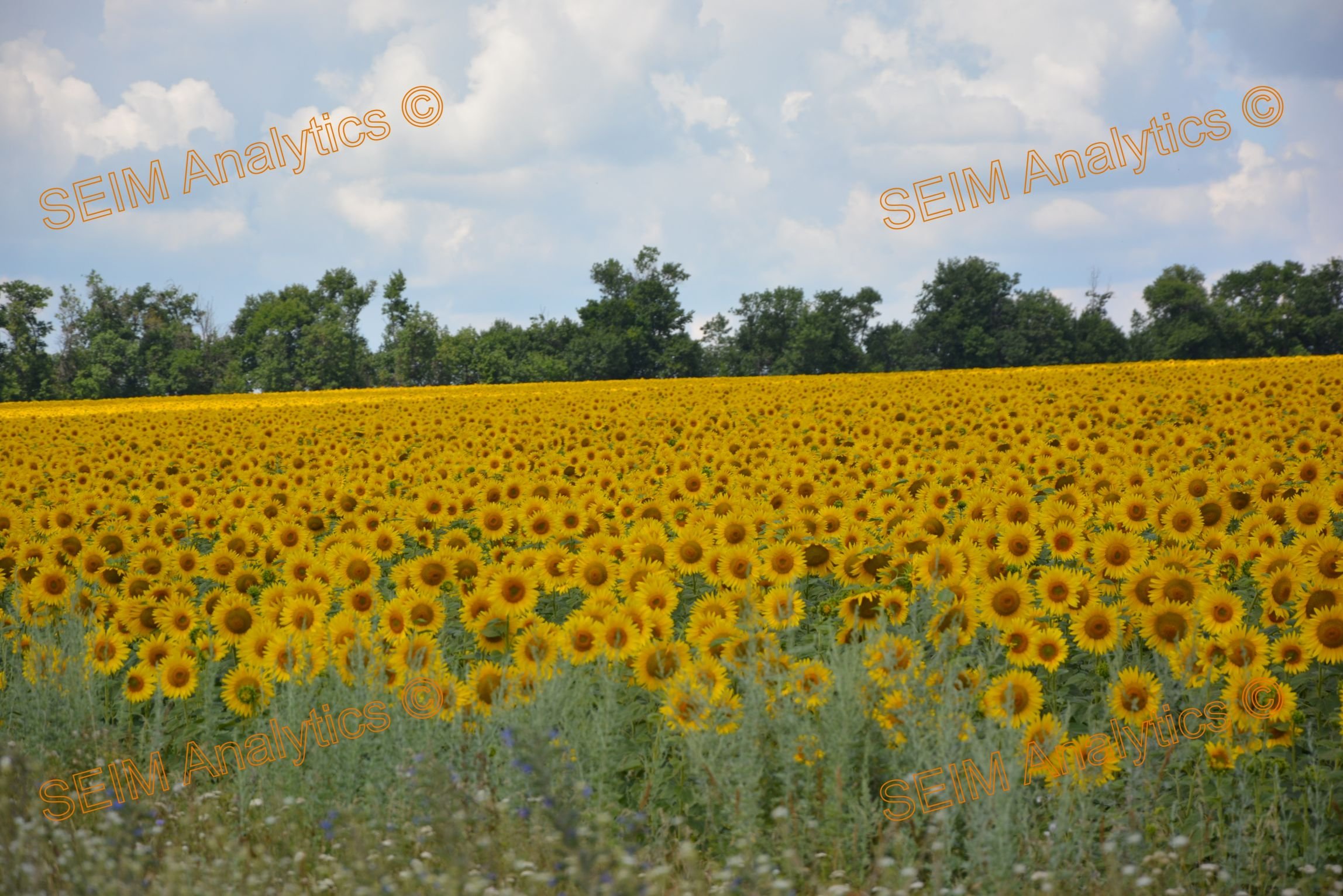
Fields of blooming sunflowers in Dnipro Region, Ukraine, 2019.