SEIM & EAST CENTRAL EUROPE
AUSTRIA, POLAND, CZECHIA, SLOVAKIA, HUNGARY
With primary focus on the Western Balkans, Romania, Ukraine and Moldova, SEIM Analytics has a secondary but targeted analytical focus on ex-communist Central European EU-states of Poland, Czechia, Slovakia, and Hungary. Areas of attention is their post-communist democratization, with emphasis on election analysis, their post-communist economic transition and development, the historical roots, including their Habsburg historical legacies, and cultural traits. SEIM Analytics also offer a range wide of documentary photography of their post-communist development, including Poland in the 1980s under repression. The attention towards these countries also includes field reportages, and photography from mountain hikes and bicycle trips in the region, such as the High Tatra, Danube basin, castles, post-industrial photography from Silesia and Katowice agglomeration.
AUSTRIA:
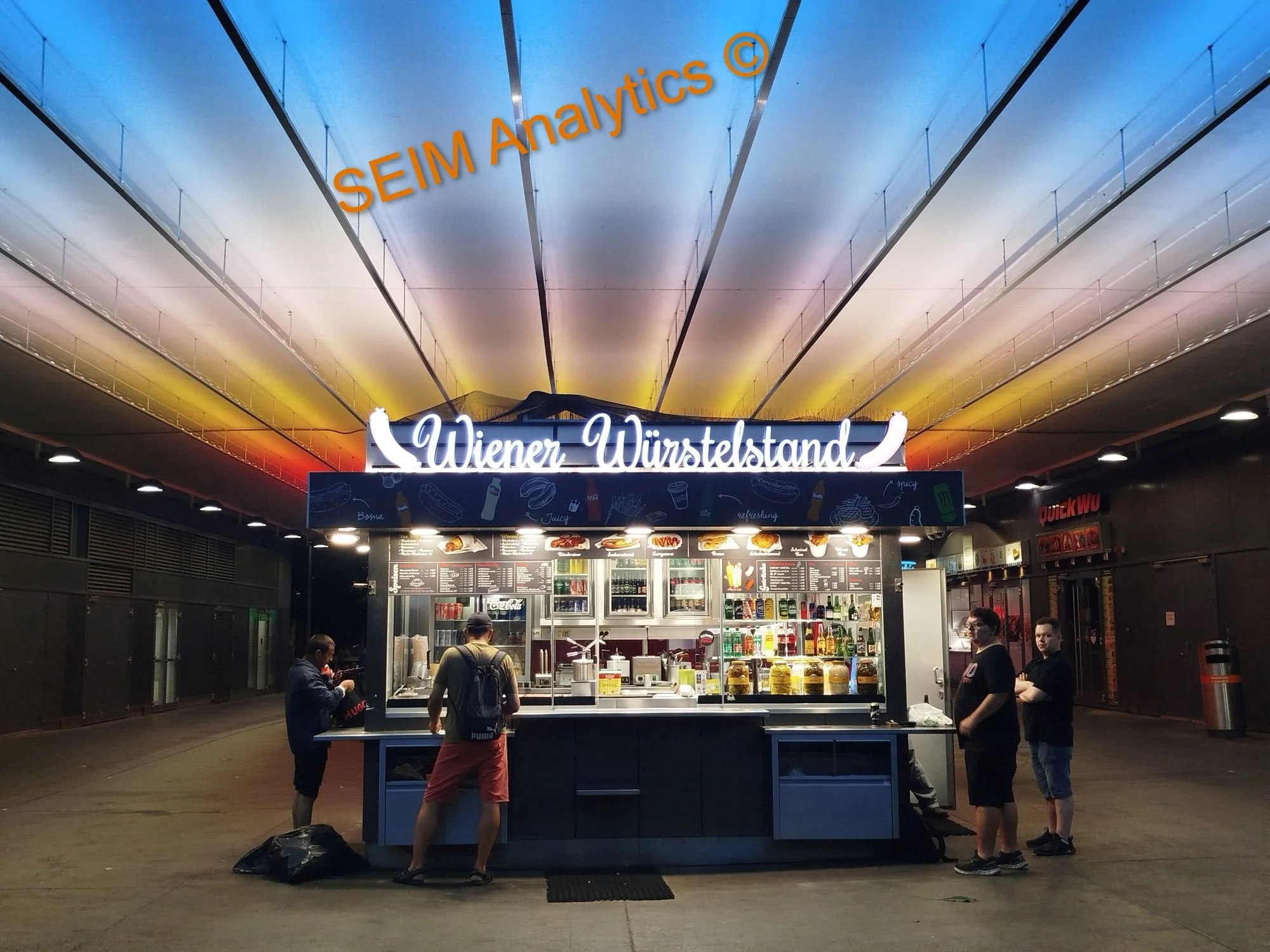
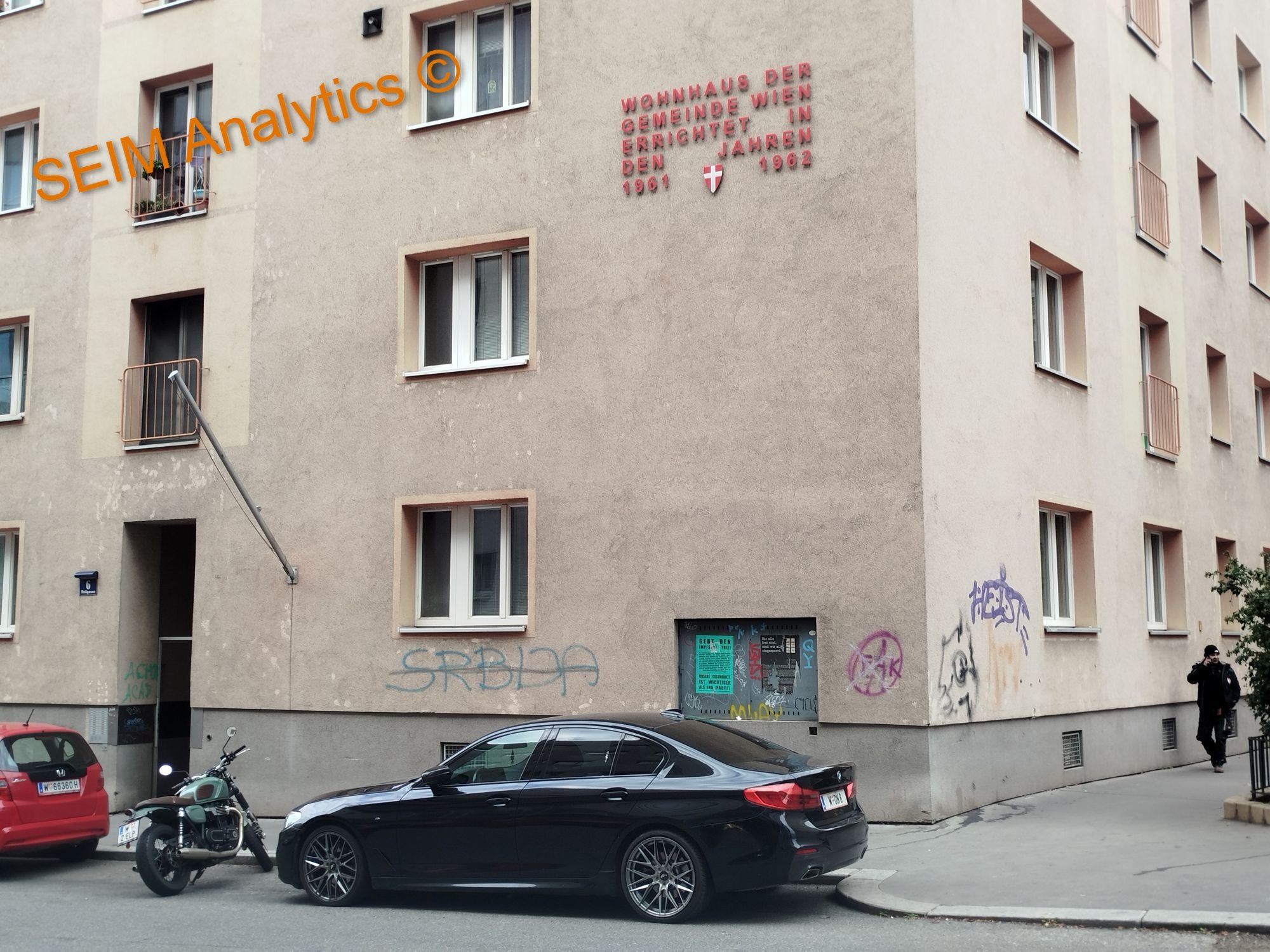
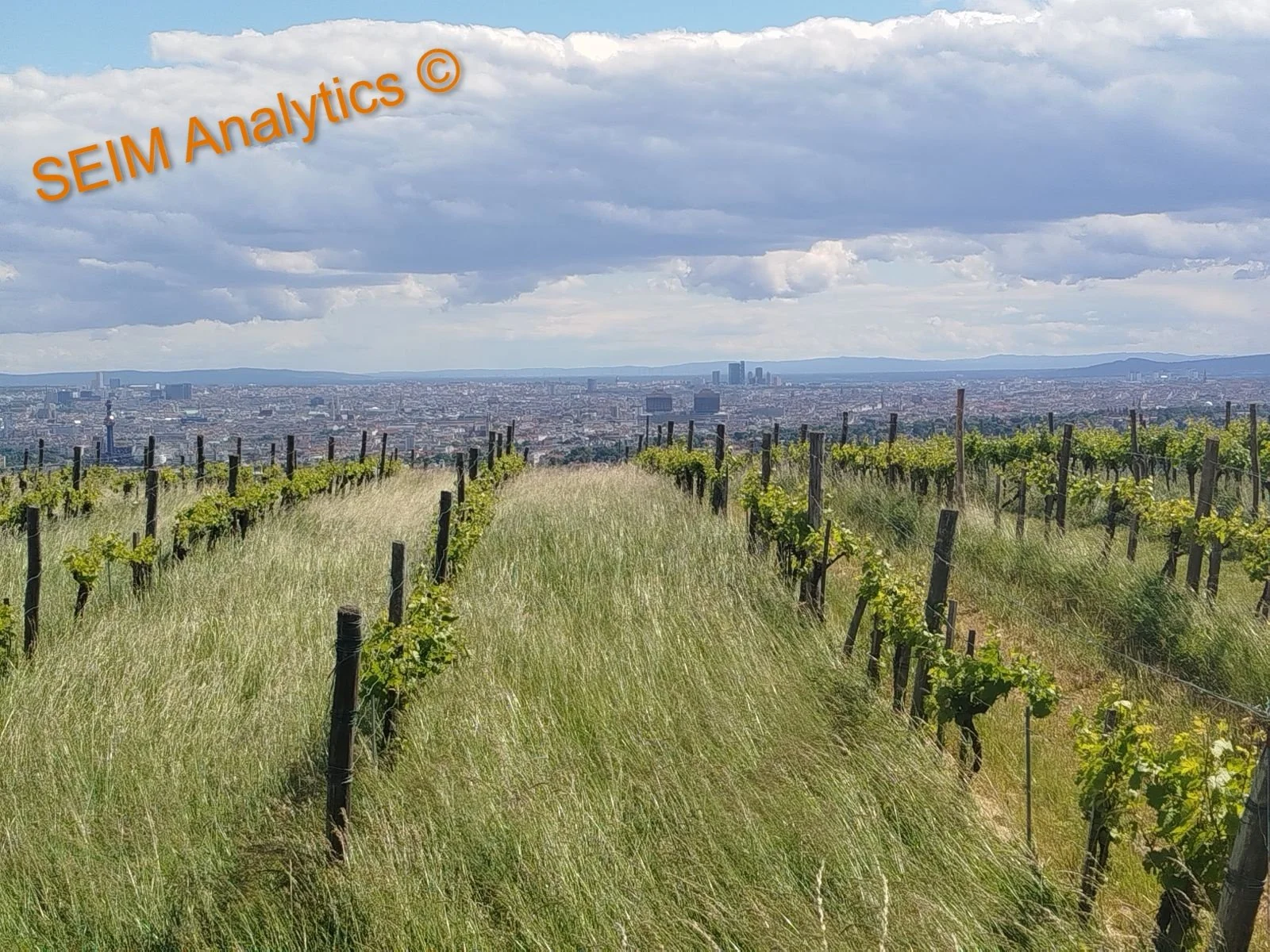
SEIM Analytics is partly based in VIENNA, as it is the gateway to Eastern Europe after the end of the Cold War, when it regained its former position as this region’s hub and to some degree “capital.” After 1989, Vienna and Austria were benefiting from its geographic proximity to the newly independent and transitioning ex-communist states. Numerous of its banks, insurance companies, logistics enterprises, and energy, construction, and retail companies utilized on this opportunity and cultural knowhow on the region to invest and expand Eastwards in the new emerging markets.
As the former Habsburg capital, Vienna is unavoidable to understand and research the last centuries of political and economic developments in Southeast and East Central Europe. Austria’s permanent neutrality, proclaimed on 26 October 1955 after the withdrawal of Soviet troops makes it a natural location for Organization for Security and Cooperation in Europe (OSCE) - a key secondment partner for SEIM - and the United Nations (UN), etc.
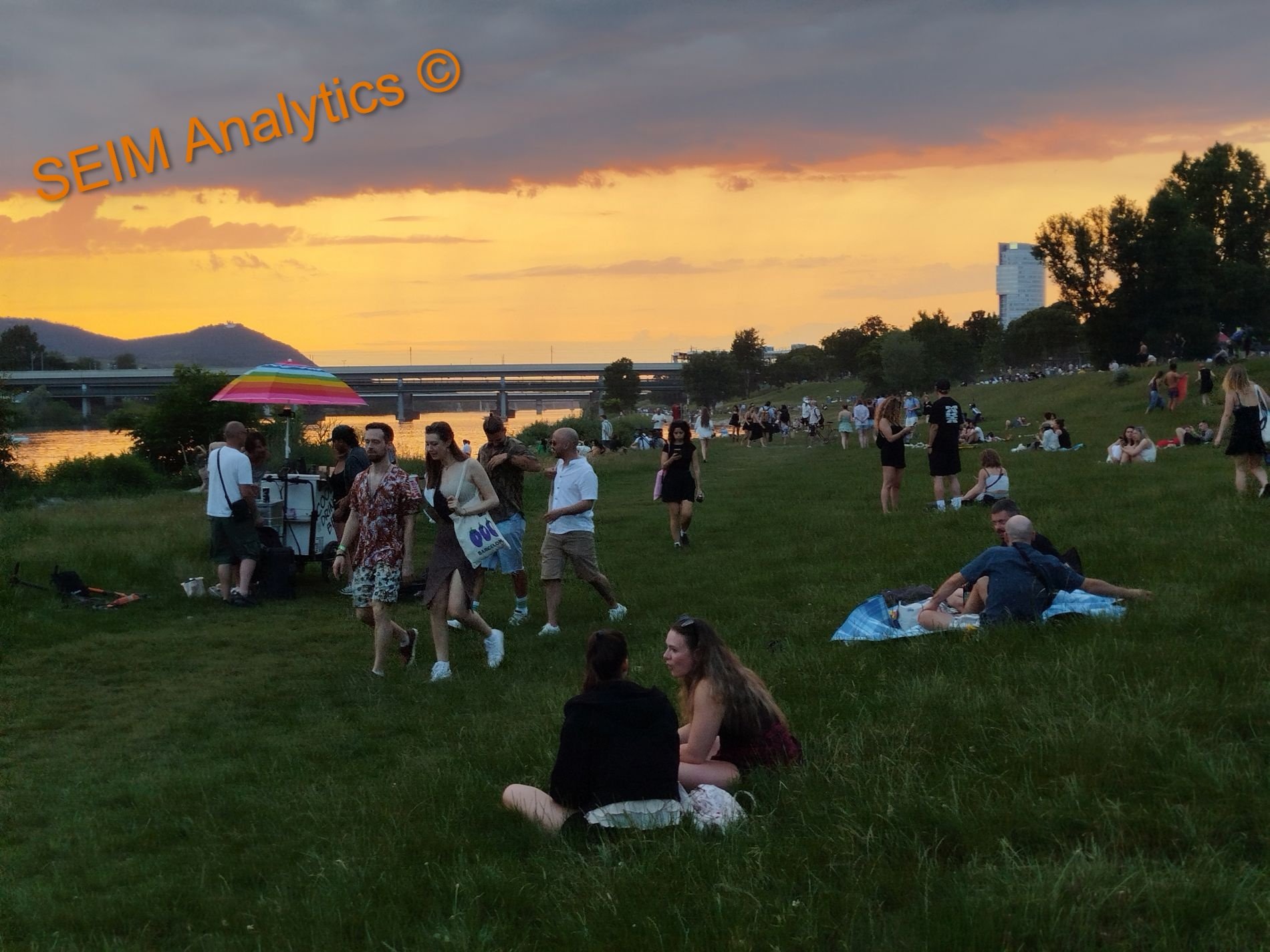
Cross-border integration, social security, clever housing construction programs (“the Vienna model” of social and affordable housing), and green urban planning made Vienna attractive for living (scoring highest in numerous international rankings). This contributed strongly to its demographic rebound, so that by 2017 Vienna had returned to the two-million mark. Upon reaching towards 2,1 million in 2024, Vienna probably also regained the 2.08 million population mark from 1910 (the third-largest city in Europe), before World War I made Vienna lose its imperial hinterland and a population decline took hold until the low point of 1.48 million in the 1980s.
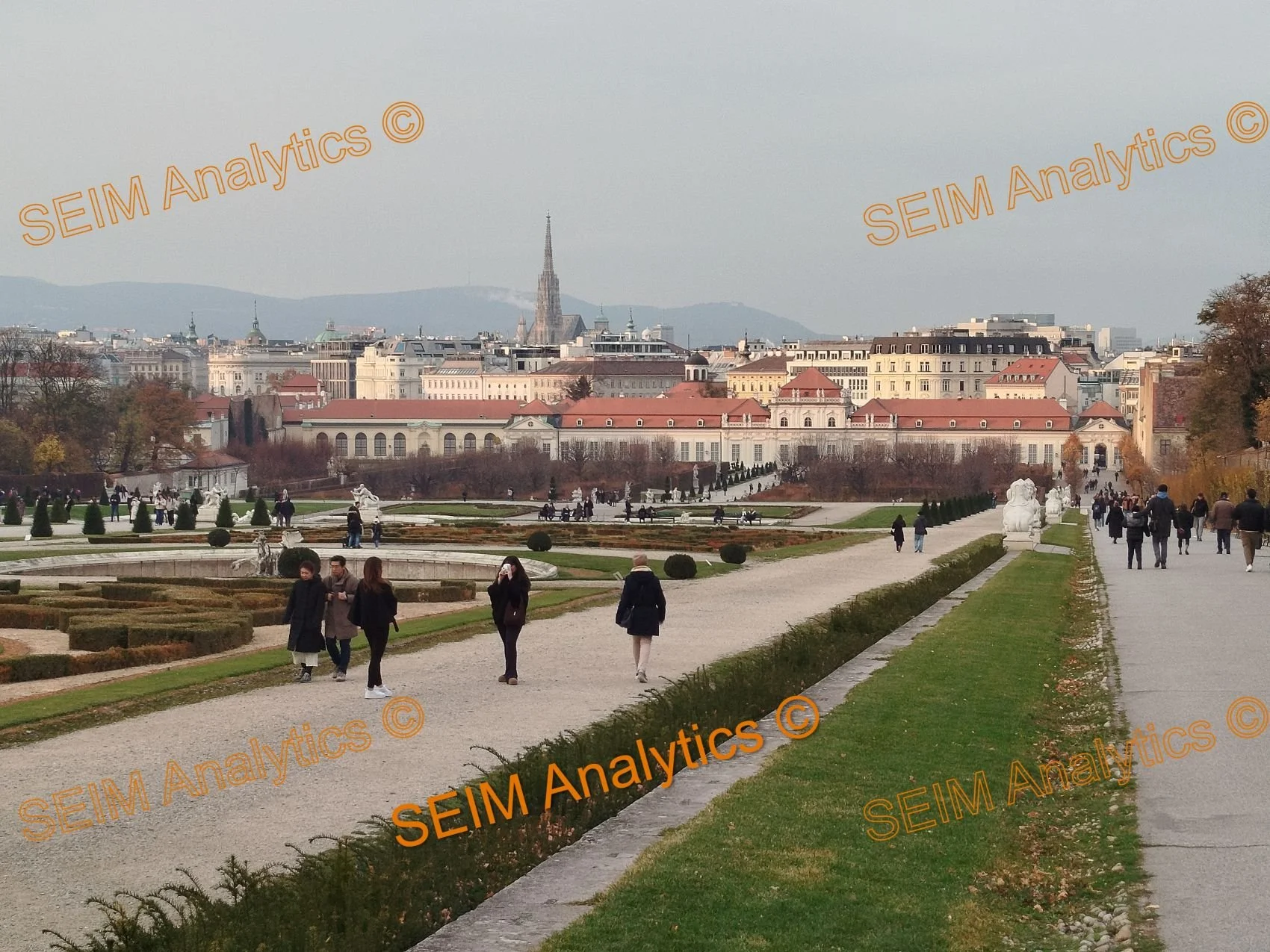
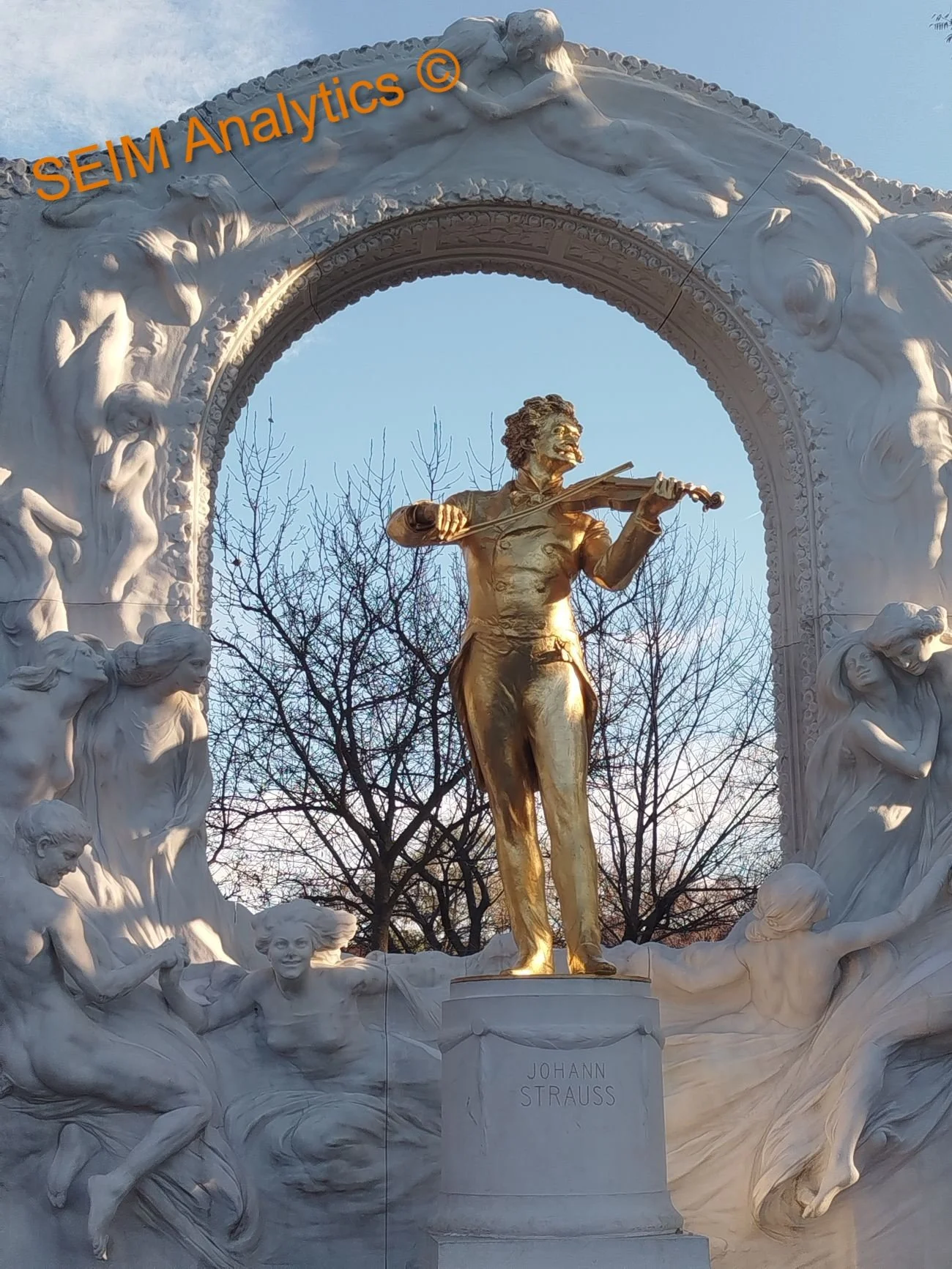
From Belvedere, Vienna, the city of diplomacy
VIENNA:
A range of educational institutions and Eastern Europe focused institutions are based in Vienna, like University of Vienna (the alma mater of Dr. Seim), Central European University (CEU), the Eastern Europe-focused Vienna Institute for International Economic Studies (WIIW), Institute for Danube and Central Europe (IDM), International Institute for Peace of Hannes Swoboda (IIP), Renner Institute, Friedrich Ebert Stiftung Vienna, Institute for Human Sciences (IWM), and the renown Diplomatic Academy of Vienna. Neighbouring countries are represented through the Polish Academy of Sciences, the Czech Center, the Hungarian Cultural Institute.
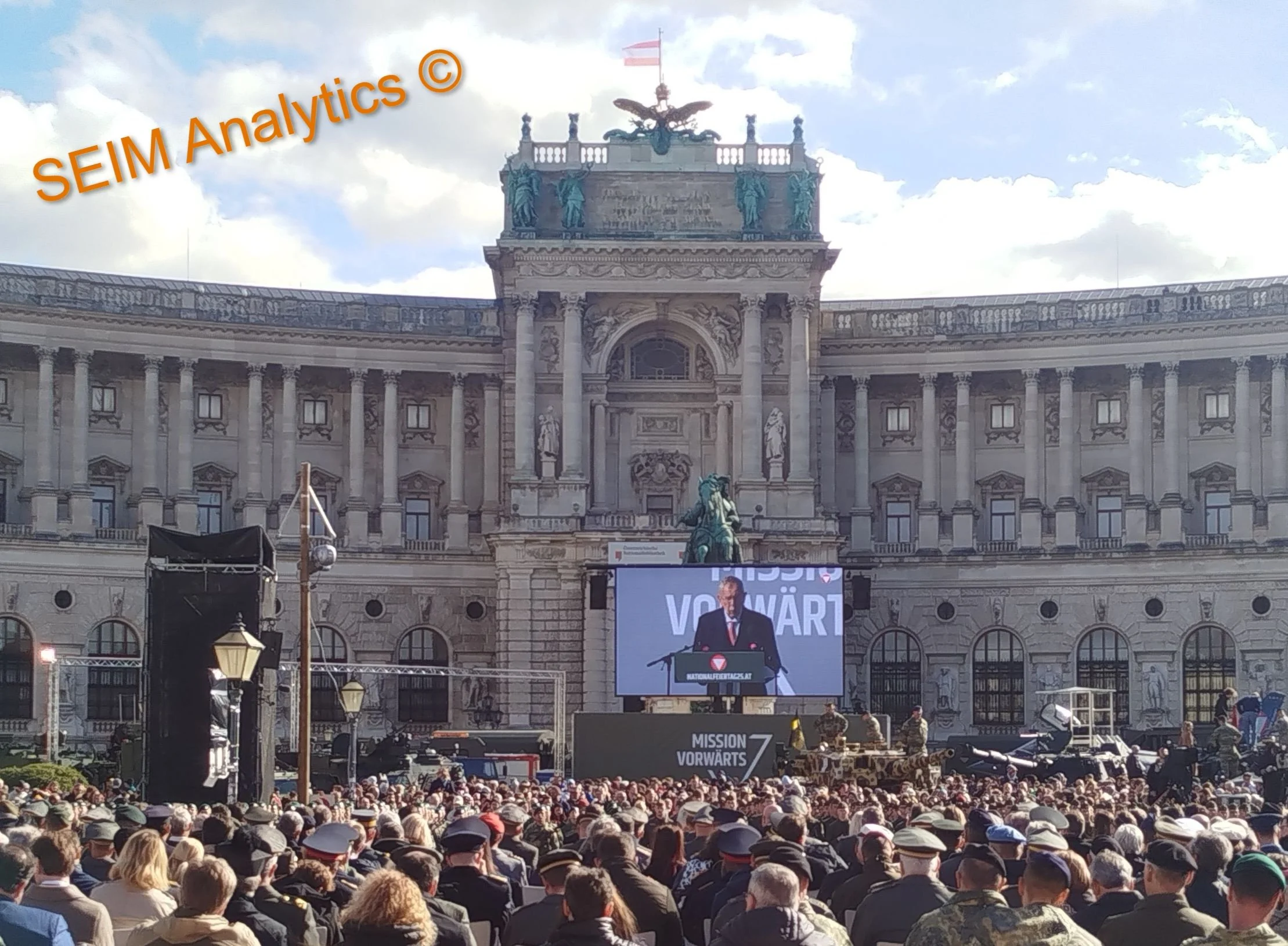
President Van der Bellen at the Austrian National holiday 26 October 2025. The day marks Austria’s neutrality since Staatsvertrag in 1955.
POLAND:
SEIM Analytics has continued attention toward Poland. Yearly visits 1995-2001 and renewed yearly visits from 2012 to 2025 to all parts of the country have enabled a deep insight into the first troublesome, but currently mostly successful economic transformation of Poland, a country that has regained its prominent place in Europe, but often faced existential threats to its own security, being absent from the map from 1795 to 1918. See a complete list of towns and regions visited under Photo Sale Poland. These documentary and research visits also include the sometimes backward or growth-lagging regions, not only the touristic cities and attractions.
Educational-academic relations with Poland:
Summer course July-August 2000 at the Jagiellonian University in Cracow about Galician history (Poland, Ukraine).
Participation in December 2012 at the academic conference "Nationalism and Identity in Cross-national Perspective” arranged by the Polish Academy of Sciences in Warsaw with a paper about nationality policies in Tito’s Yugoslavia - The Yugoslav Case: Federalism and Nationalism in Kardelj’s Yugoslavia.
Participation at conferences and events at the Polish Academy of Sciences - Vienna Branch (2024/25).
Polish politics:
SEIM Analytics follows domestic Polish politics and elections, and Poland’s role in the conflict in Ukraine.
An analysis of the Polish parliamentary election 2007 was published in the independent daily Norwegian newspaper Klassekampen on 27 October 2007.
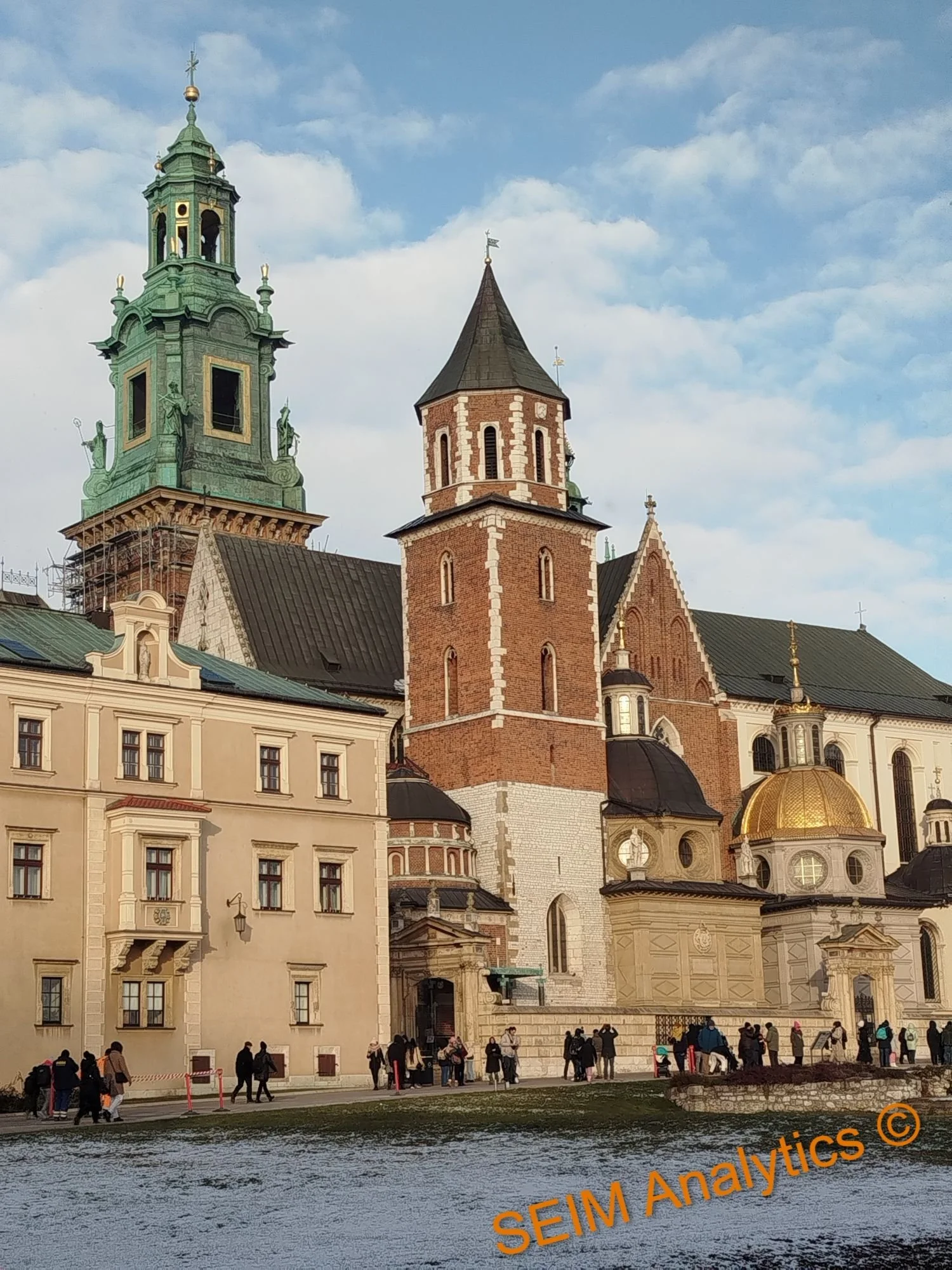
From the Wawel Royal Castle, Cracow. Built in the 14th century, but expanded later on.
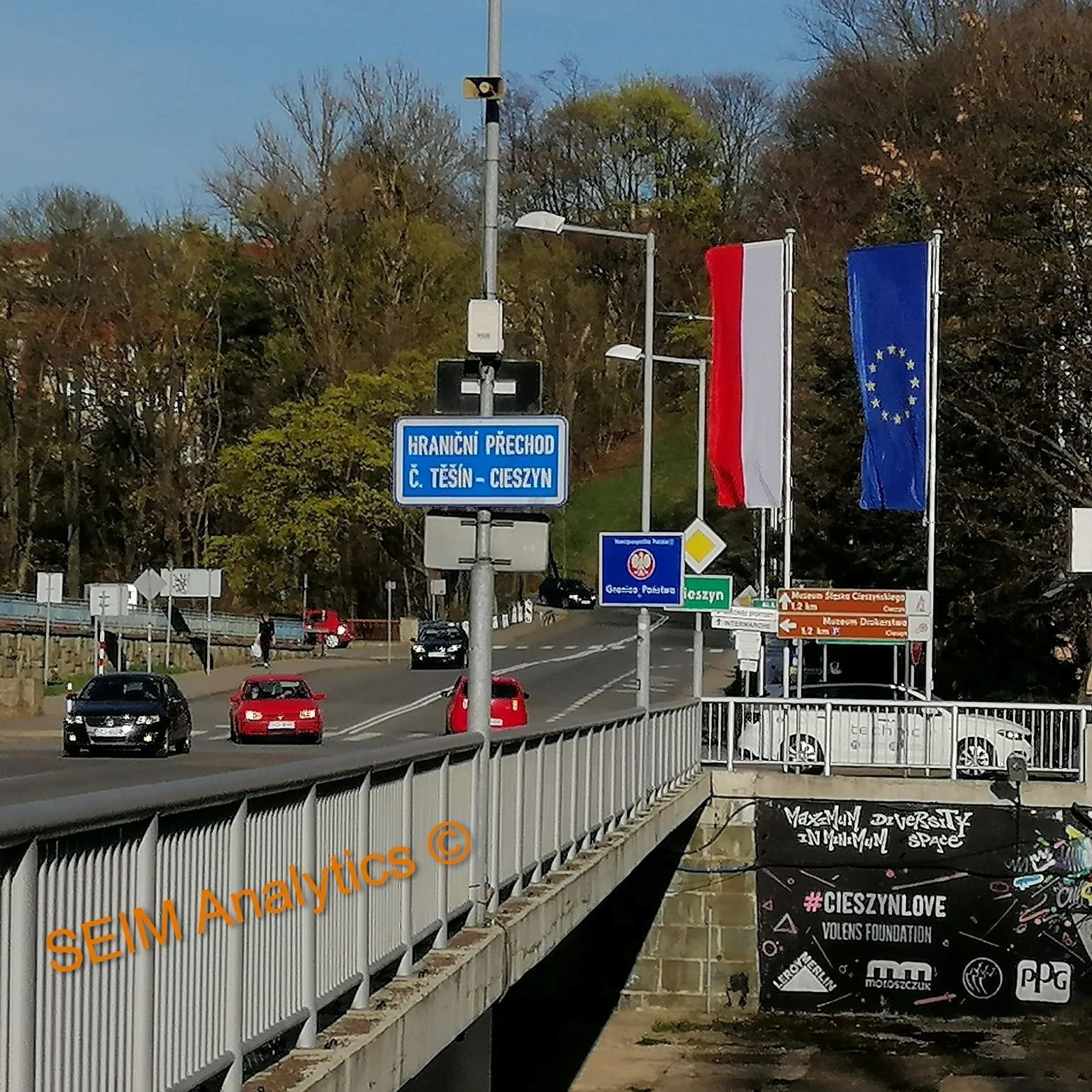
Also Central Europe had its recent internal border disputes. Both Poland and Czechoslovakia in 1918-19 claimed Cieszyn/Tešin Silesia leading to border conflict in 1919 and 1938 (Polish annexation). Today, after EU accession, Cieszyn (PL) and Český Těšín (CZ) cooperate closely and form a “twin city”, with open borders.
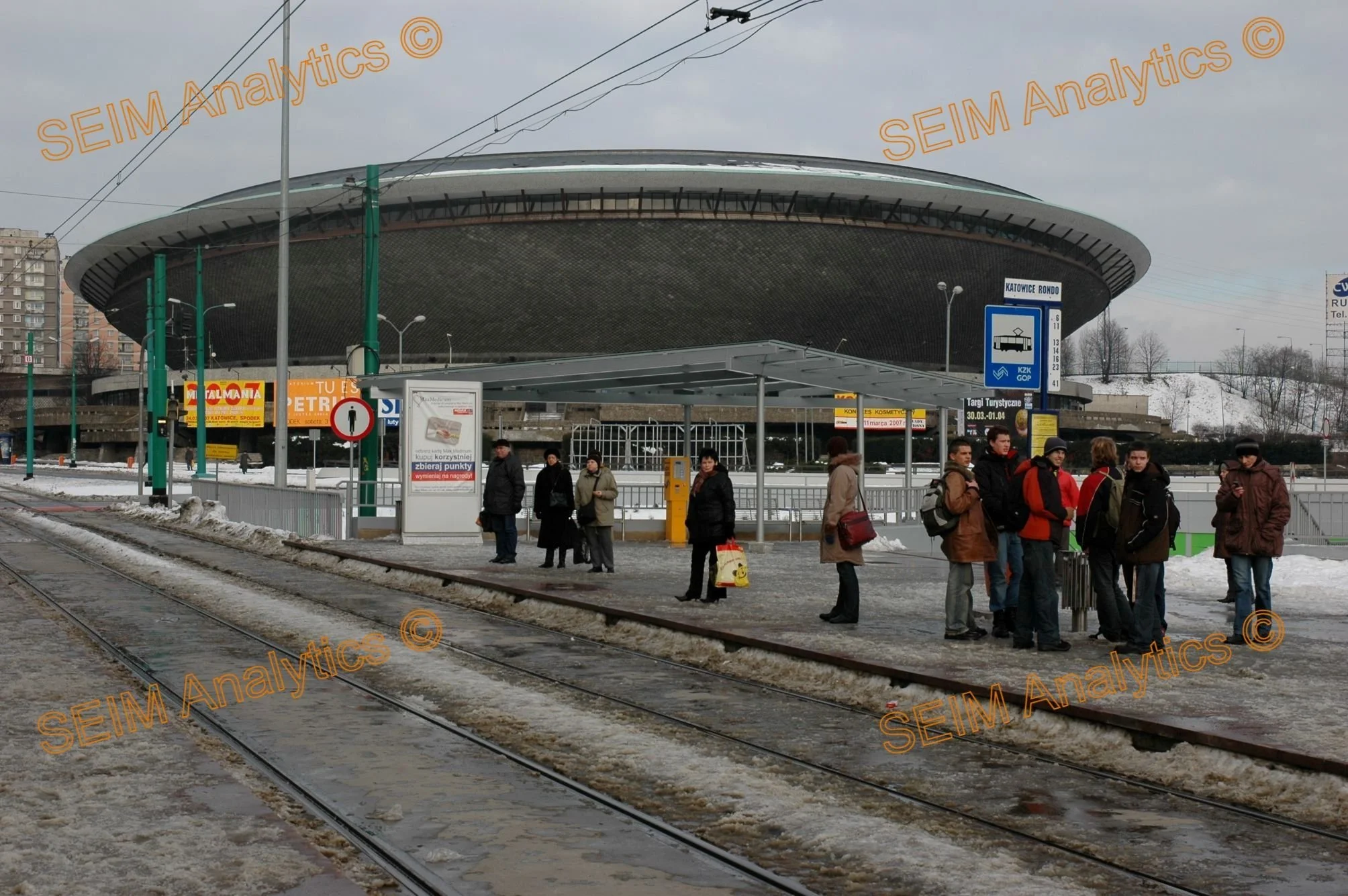
After the Velvet Revolution of 1989, Czechia combined rapid political democratization with extensive economic reform, including privatization, liberalization, and integration into Western institutions. It developed one of the most stable market economies in Central Europe. SEIM Analytics is following this post-communist transformation since the 1990s with regular visits to all part of Czechia. This includes post-industrial areas (Most, Usti nad Labem, Ostrava, Prerov), as well as rural areas explored through numerous bike trips in Moravia. Although, the debates over domestic inequality and regional disparities continue to shape its politics, Czechia remains a post-communist success story, characterized by strong institutions and a high degree of social cohesion. Yet, some trends pinpoint to increased political polarization: See the blog entry of SEIM Analytics on the 2025 parliamentary elections analysing this.
Educational-academic relations with Czechia:
Language summer schools in Prague and České Budějovice in 2004 and 2006.
Paper presentation: The Bosnian civil war as a constitutive identity event. At the “Balkan Express” conference of the Charles University, Prague (3-4 June 2016).
Paper presentation: The muted and stigmatized: A case study of ethnic cleansing of Bosnian Serbs in Herzegovina in 1992. At the “Balkan Express” conference at the Faculty of Humanities, Charles University, Prague (1-2 December 2017).
See a list if towns and regions visited under Photo Sales Czechia
CZECHIA:
SEIM has been visiting and photographing Slovakia during field trips, historical events (e.g., political demonstrations), and years of persistent economic transition from the 1990s, but also seen the regional divergencies in this transformation. A particular interest is Slovak elections, history, and bi-lateral relations to neighbouring states. Go to Photo Sale Slovakia for further details on visited towns and landscapes of this beautiful but still less-known country.
Educational-academic relations with Slovakia:
Summer school in Slovak language in Comenius University Bratislava in 2003
SLOVAKIA:
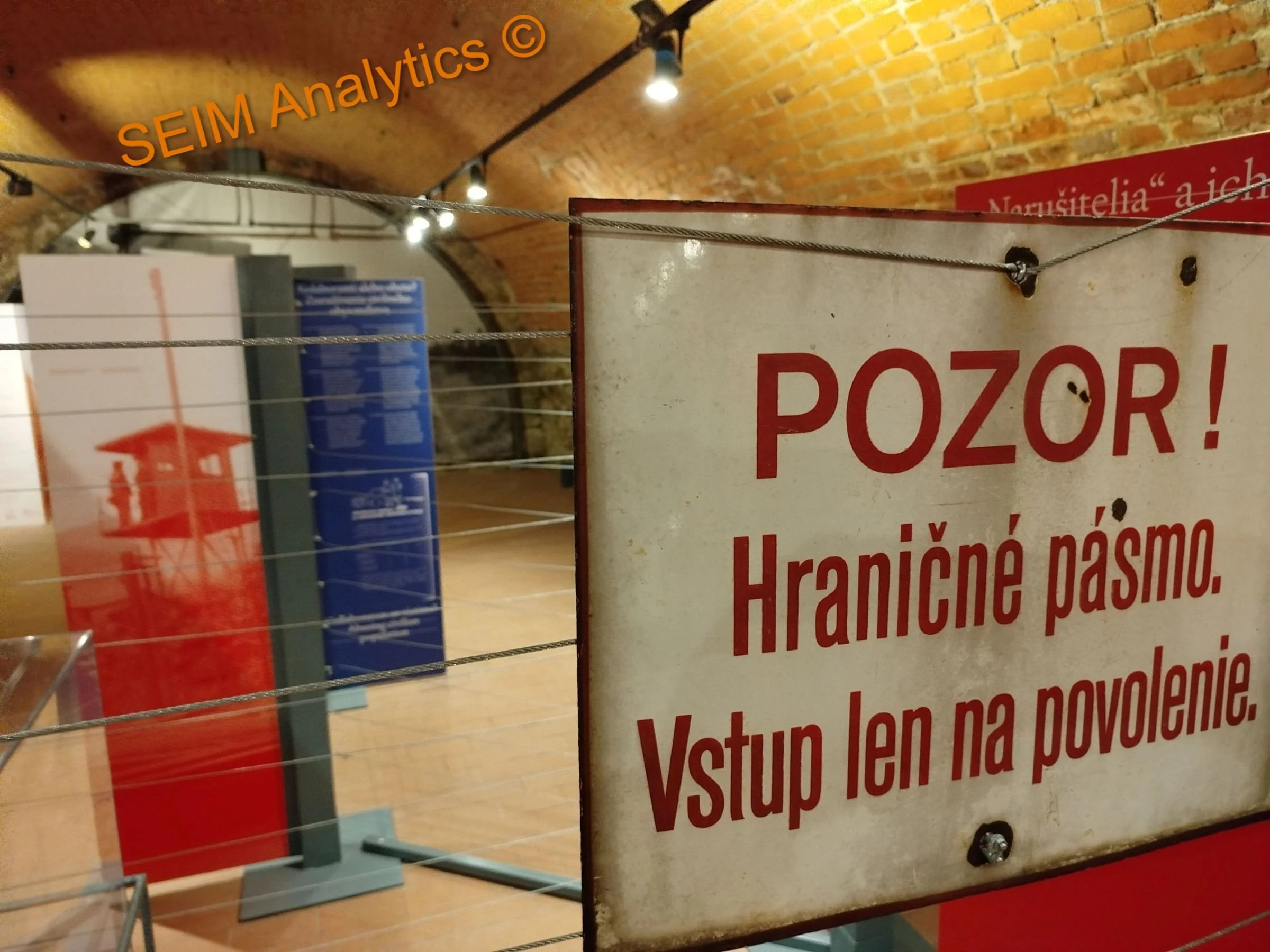
Communist time border signs: From the exhibition about the Iron Curtain, Devin Castle, Slovakia.
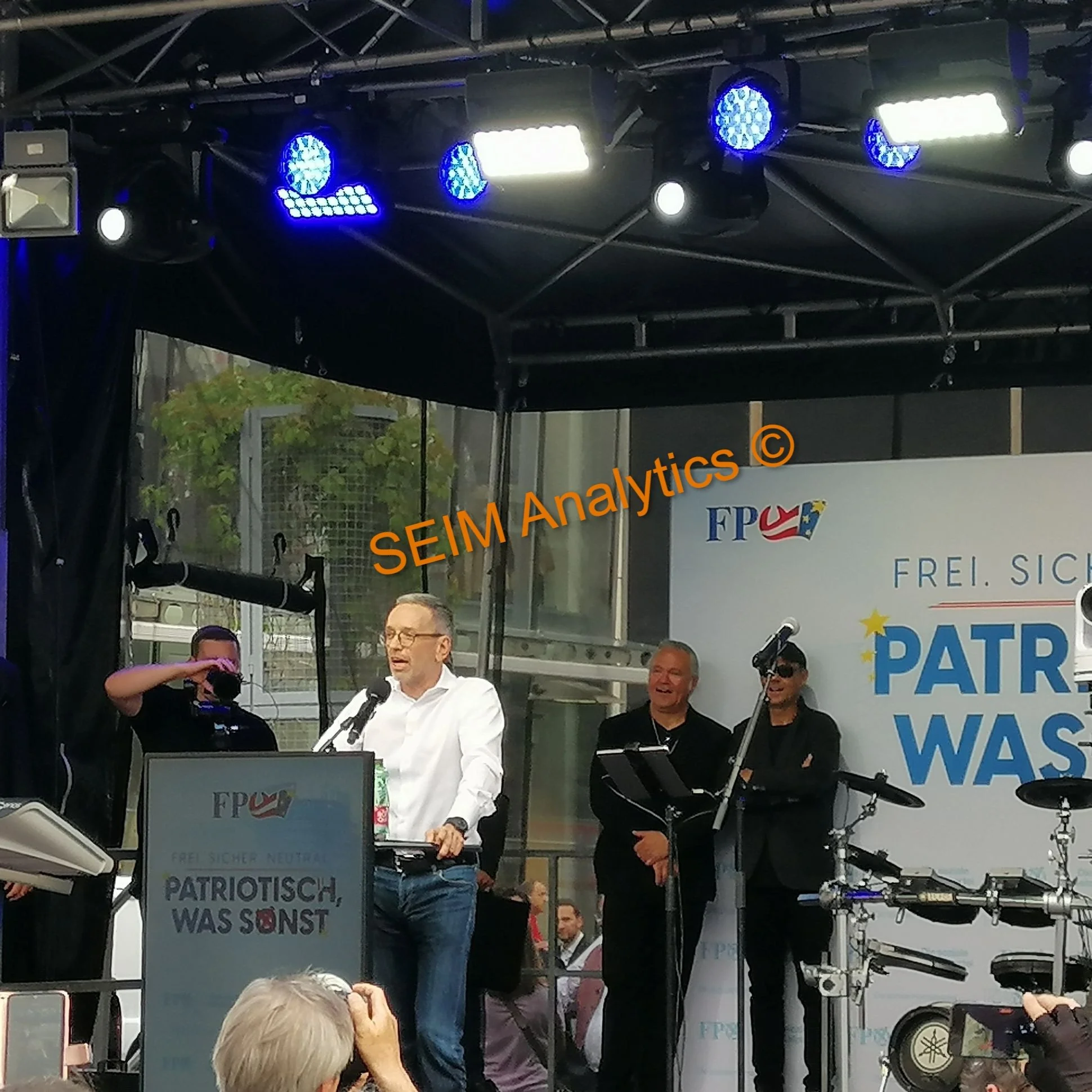
Hungary has been a key professional focus since the mid-1990s, explored through frequent visiting, researching, photographing, and bike trips. A particular interest is Hungary’s sometimes painful history, the 1848/49 Hungarian revolution and civil war, the 1920 Trianon Treaty that “drastically reduced its territory and population, World War I+II, the Soviet invasion in 1956, and the first cumbersome years of economic transition in the 1990s. Of particular interest is Hungary’s independent political path, nationalist turn, and Hungary First policies after Orban re-took power in 2010 – traits that might be put in context with some of these historical ordeals. SEIM Analytics follows Hungary’s relations to EU, but even more its bi-lateral relations with non-EU states and territorial entities such as Republika Srpska, Serbia, Russia, Ukraine, and Central Asia (Hungary in 2018 becoming an observer in The Organization of Turkic States). Go to Photo Sale Hungary for further details on two dozen visited towns and landscapes in Hungary.
Educational-academic relations with Hungary:
19th century Hungarian national ideologies are analysed in the Cand.Philol. degree thesis in Humanities at the University of Bergen (2002) “The Emperor’s best soldiers” – Serbian, Croatian and Hungarian nationalism and the processes of national integration in the Austrian Military Border in the second half of the 19th century.
Guest researcher and visiting fellow at Europe Institute in Budapest in 2003. On 28 February holding the seminar lecture, Der serbische und kroatische Nationalismus in der Geschichte Ungarns des 19. Jahrhunderts.
Summer school of Hungarian language at Debrecen University (2003).
HUNGARY:
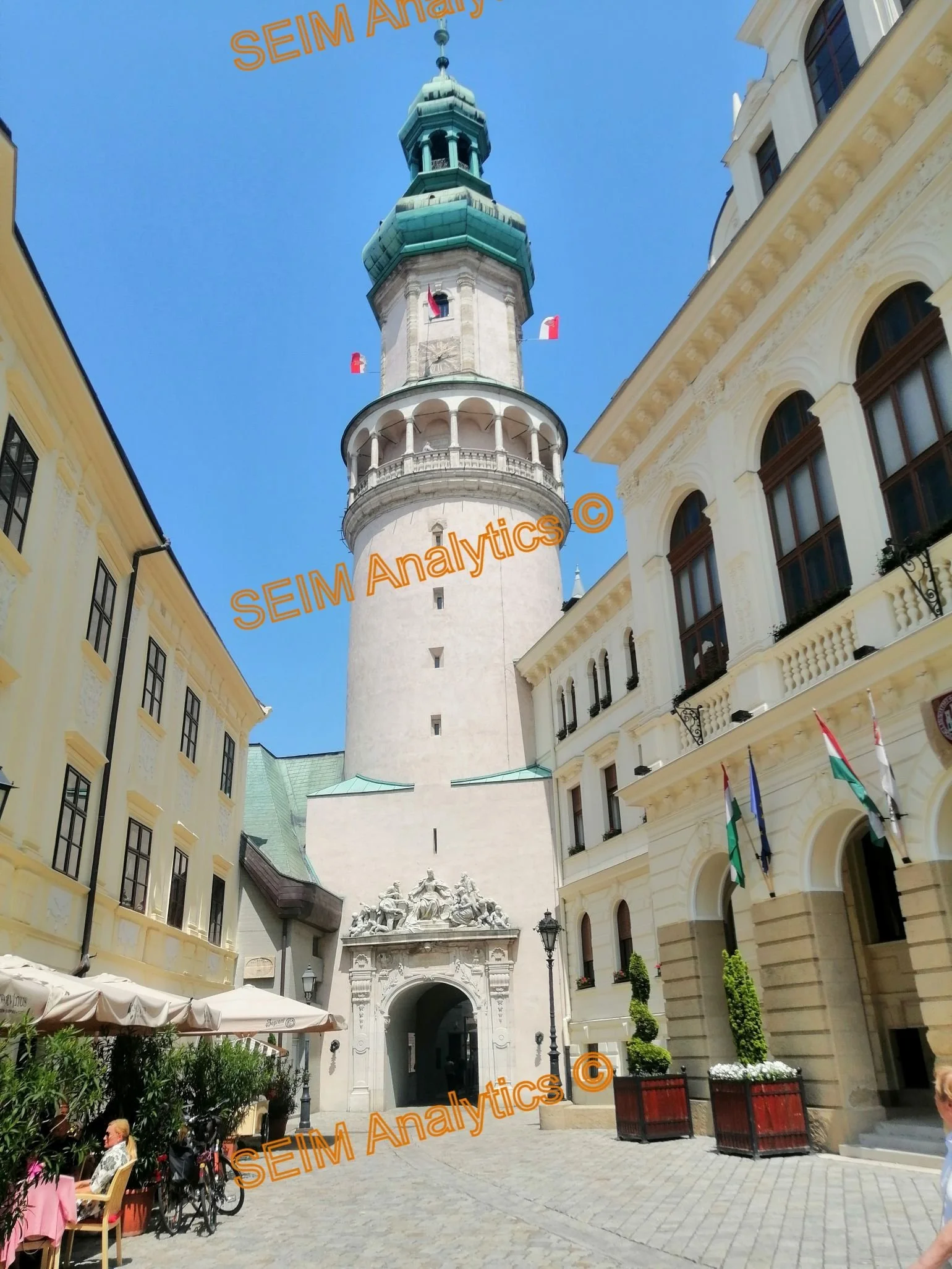
Sopron voted in the 1921 plebiscite to remain in Hungary instead of joining Austria, so it is labelled “the most loyal town” (Civitas Fidelissima, a title granted by the national parliament, or A leghűségesebb város). The phrasing is entrenched in Hungarian national memory and school narratives, but the motives for the vote were also economic rationality and other factors.
From SEIM Analytics News/Blog: newest assignments, reports, and engagements related to the East Central Europe (from 2025) >
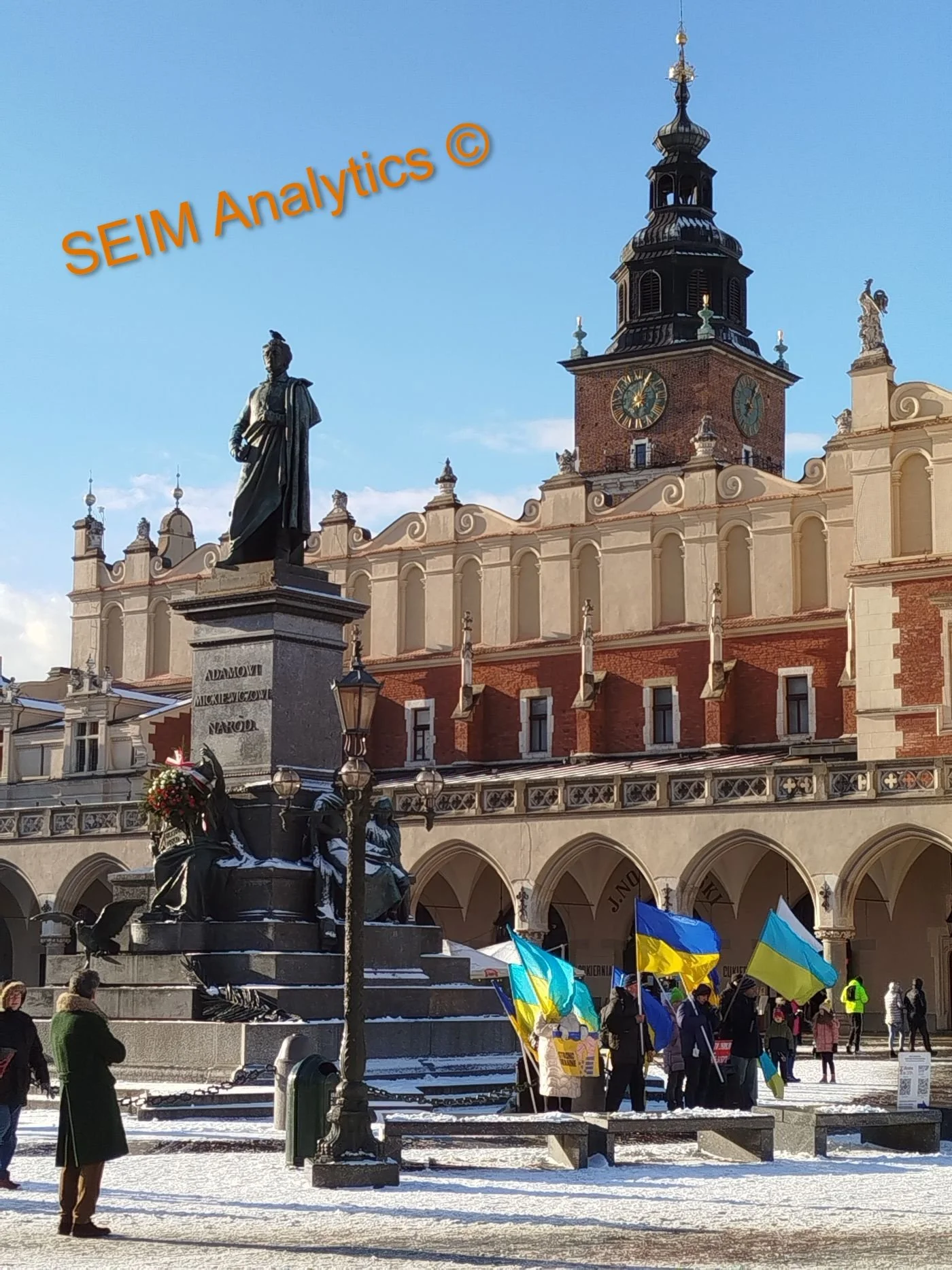
Despite historical legacies with expulsion from Galicia and Volhynia in World War II, Poland has been persistent in its support to Ukraine. Here a pro-Ukraine event in Cracow in 2023.