
From Pisa and Livorno over Cinque Terre and La Spezia to Genoa - a Trip through Liguria’s History and Rough Landscapes
30 August 2026
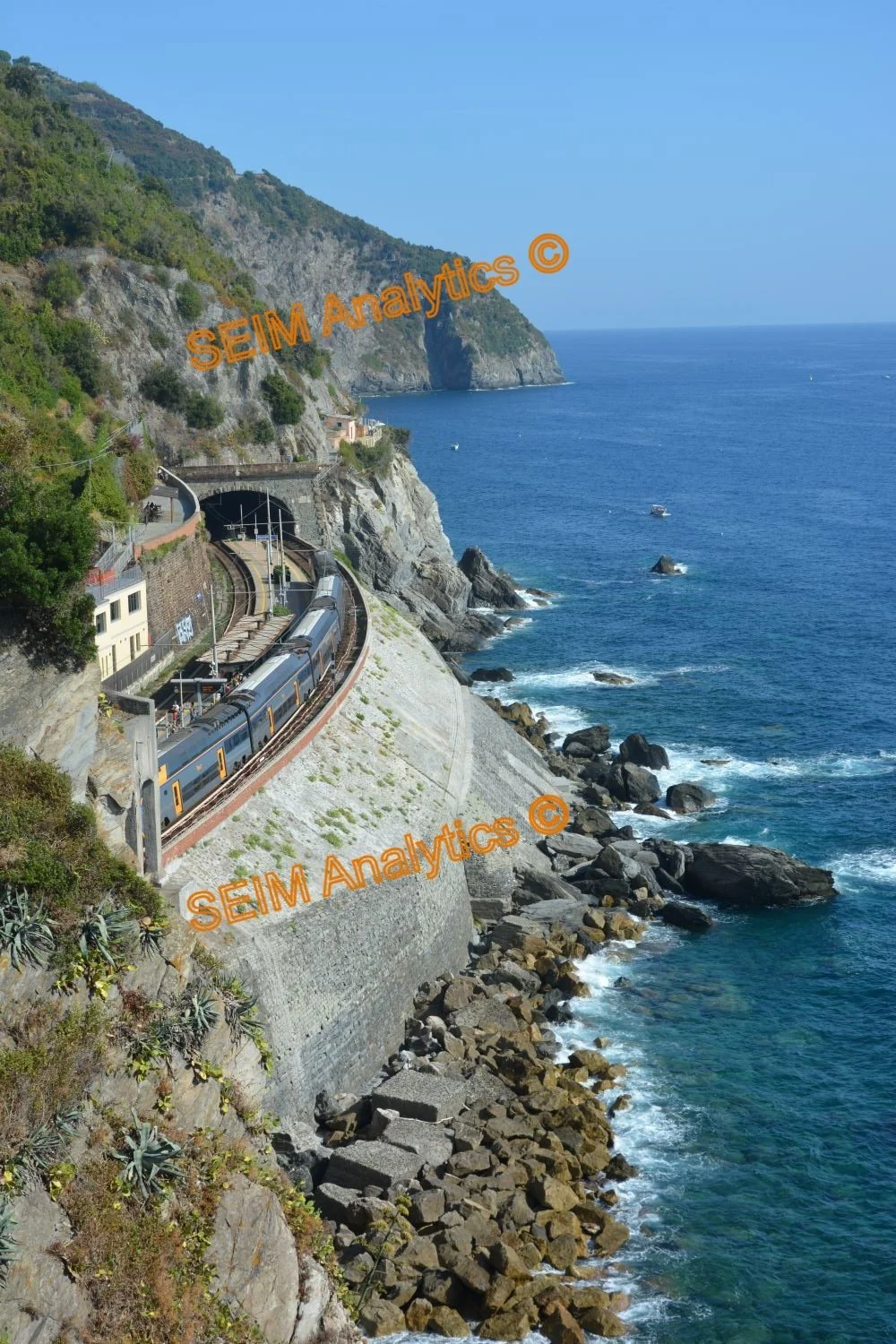
FIELD REPORT: The Liguria coastline is a great mix of culture, history, and natural beauty. With this field report from the Italian province of Liguria, SEIM Analytics identifies some of the region’s particularities, touristic and hiking potential, historical richness, and historical connections to Eastern Europe.
SEIM Analytics is a consultancy that explores and researches Southeast and Eastern Europe that Italy is connected to through its interwoven history with the Habsburg Empire, but also through Venice’s historical influence in the Eastern Adriatic. That influence was seen in Istria, Spalato (Split), Zara (Zadar), Sebenico (Šibenik), the Bay of Kotor, the Adriatic islands Curzola (Korčula), Lesino (Hvar), Pago (Pag), the Greek Ionian islands, and the profound Venetian presence in Crete.
Also Liguria’s capital Genoa had close trade connections and colonies in the Eastern Mediterranean, but also through Constantinople to the Black Sea, Crimea, Trabzon, and Caucasus. Dubrovnik (Ragusa) was a bridge between Italy and the Balkans, especially with Serbia.
After the expulsions of the Italians from Dalmatia and Istria during 1943-1945, and afterwards (probably more than quarter of a million people), Italians are no longer present in the Balkans as a sizable autochthonous group. Yet, after the fall of communism, Italian investments and economic engagements in the Balkans and Eastern Europe are sizeable.
Two-ways impacts: Meanwhile, while there is Italian influence in the East, there are Albanian villages and Greek influence in southern Italy, Croat villages in Molise centred in Acquaviva Collecroce (hrvatski Kruč) since the 15th century, and a Slovenian minority that historically inhabited Trieste, Gorizia, and parts of Friuli-Venezia Giulia. A Serbian Orthodox Church is in the centre of Trieste, built in 1868 but with roots back to establishing of the Serbian community in Trieste in the 1750s.
EXPLORING THE LIGURIAN COASTLINE
A recommended way to explore Liguria and Genoa through a multi-town one-week journey could commend with an afternoon flight to well-connected Pisa Airport that is only 1.5km from Pisa train station, from where one can be heading north to La Spezia (a 1-hour train ride). Yet, also Pisa, and neighboring Livorno and Lucca, are obligatory to visit. All three towns are in Tuscany, but are closely interconnected to Liguria.
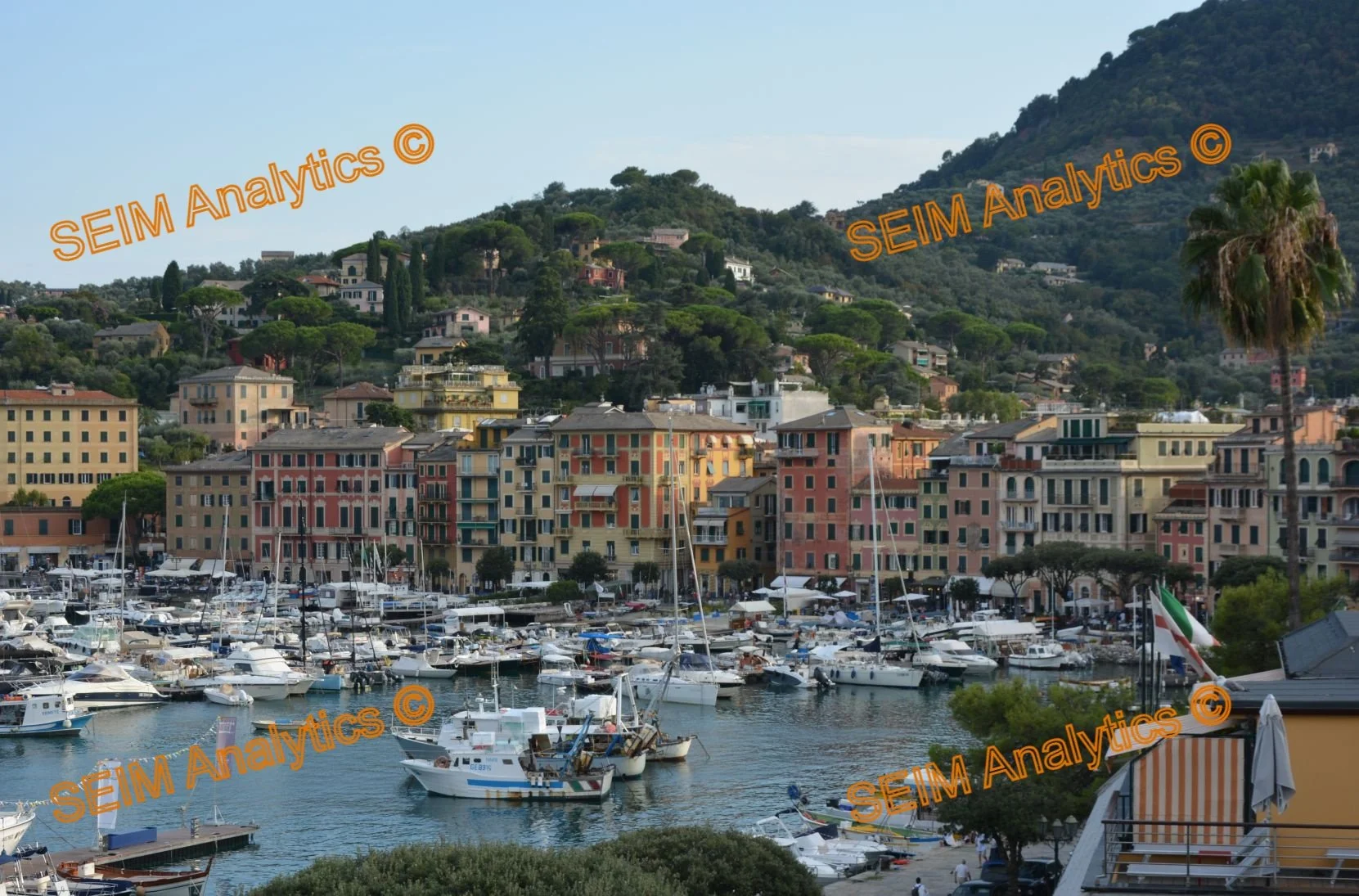
La Spezia is a good starting point for daytrips to Cinque Terre, the most spectacular art of the Ligurian coastline. On the way to Genoa, stop over in Santa Margherita Ligure or/and Portofino, before some days to explore Genoa which is probably one of Italy’s most underrated cities.
PISA OLDTOWN
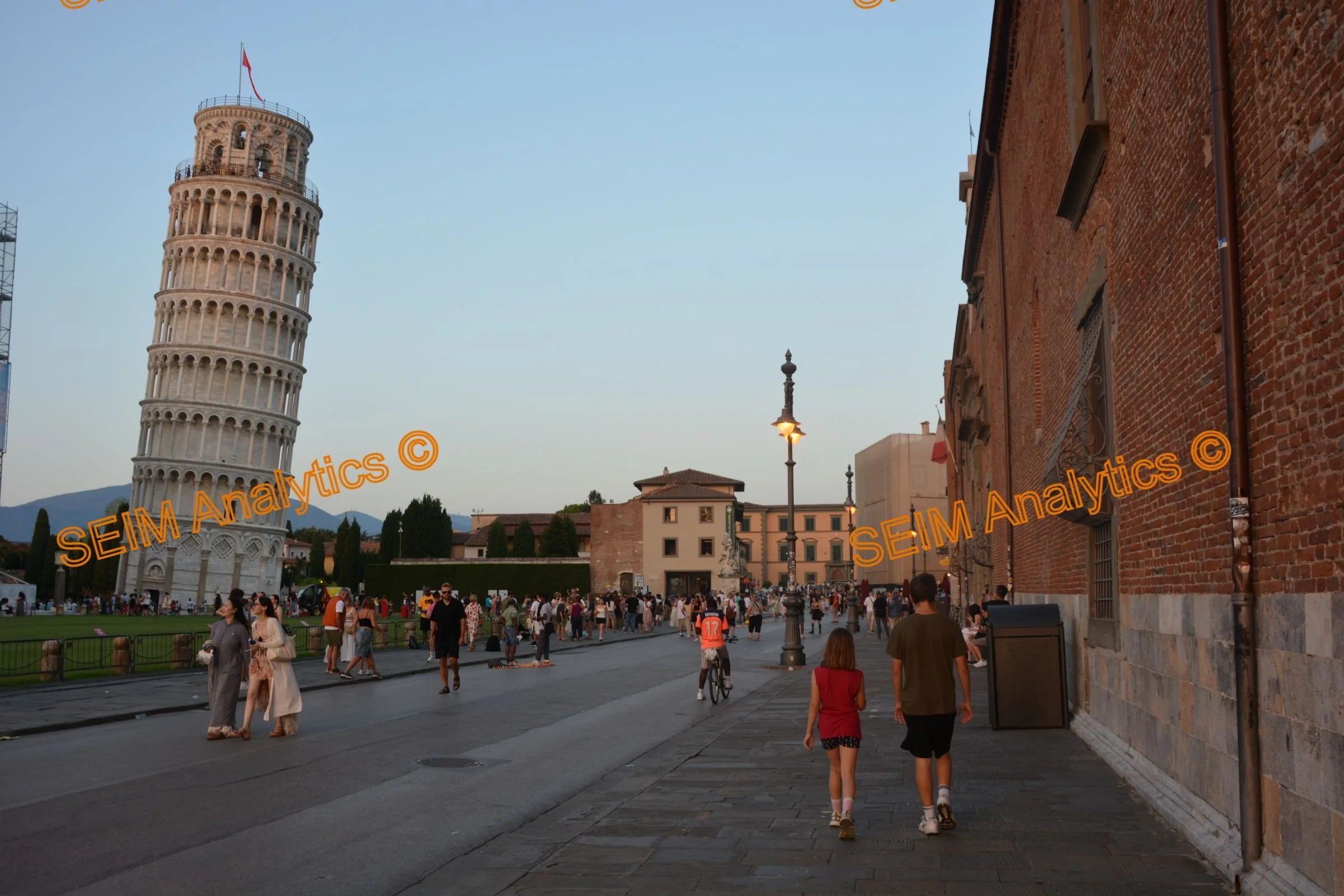
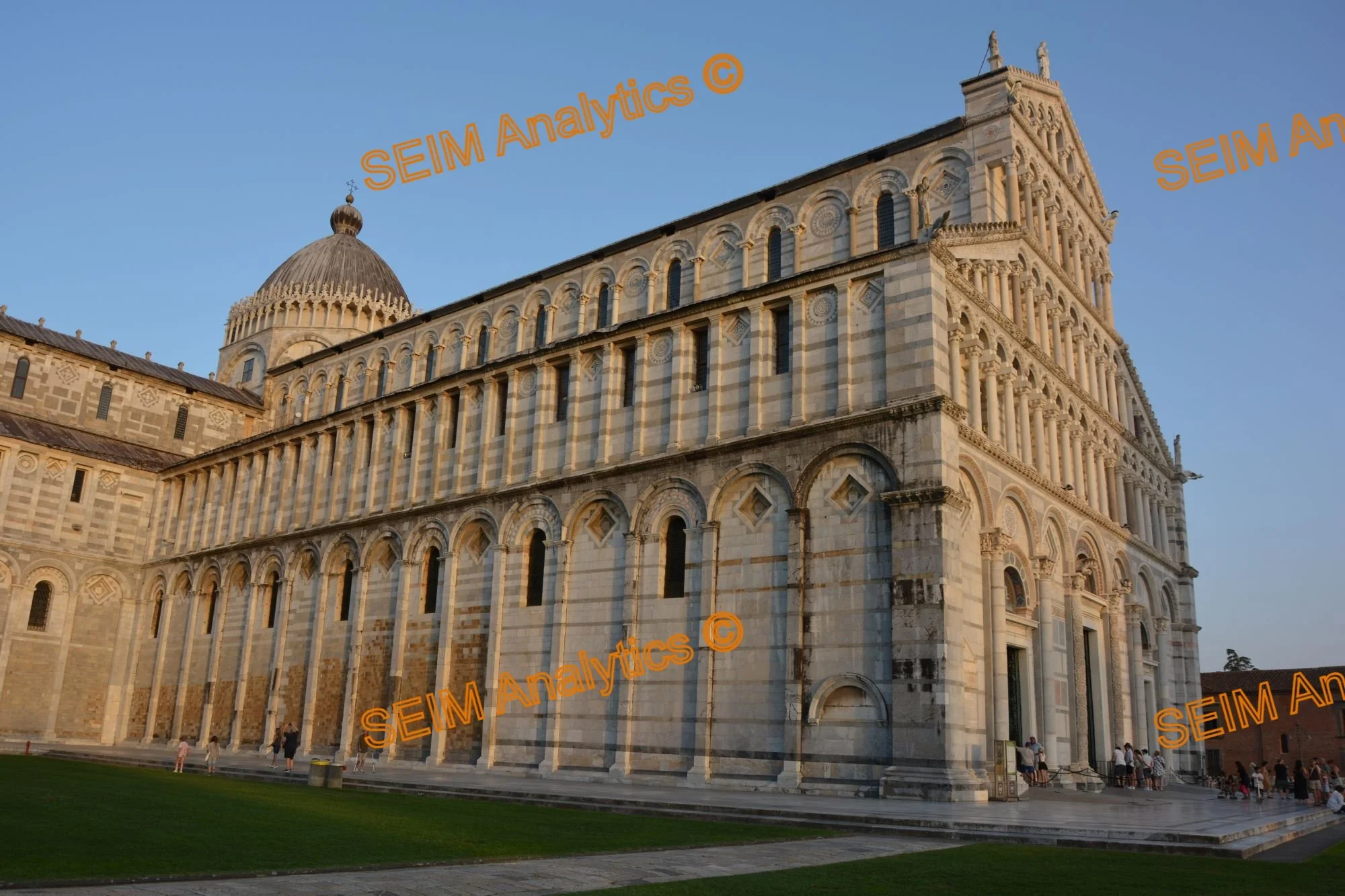
In Pisa, which has some 89.000 inhabitants, walk along the Arno River, the Borgo Stretto Street, Piazza del Cavalieri, and explore the student bars and restaurants in the oldtown, a few blocks away from the leaning tower with its 251 steps to climb. Also, see Piazza dei Miracoli and the University of Pisa, which founded in 1343 by Pope Clement VI is one of the oldest universities in Italy. It has Europe's oldest academic botanical garden, Orto botanico di Pisa, founded 1544.
In the 11th and 12th century, Pisa was one of the most prominent commercial and military allies of the Byzantine Empire. The Pisan fleet was instrumental for the crusaders in taking Jerusalem in 1099. It was historically quite connected to Genoa and Florence, but from 1060 in competition to and in war with them. In the late 12th century Pisa was also engaged in the Eastern Adriatic, signing pacts with towns like Split, Pula, Brindisi, Zara (Zadar) to defy the influence of Venice, a battle it lost by 1206. Before 1280, Pisa grew big on trade with Byzantium, before Pisa let Venice take over also this trade. Defeats against Genoa started Pisa’s decline, and Genoa’s rise. In 1284 Pisa lost decisively to a Genoese fleet during the Battle of Meloria, when Pisa’s maritime power came to an end. Then, Pisa lost control of Corsica to Genoa, that was formalized by Genoa’s annexation in 1347. Moreover, when Pisa’s port drained out due to sediments from the Arno River, Pisa’s access to the sea was hindered and its power diminished further, instead taking over a cultural role with its university.
LIVORNO:
At the second half of the 16th century, the House of Medici and the Republic of Florence developed Livorno as an important free port ten kilometres away from Pisa. It soon became the main port in Tuscany. Livorno’s Venezia Nuova district, beside the port, is well worth a visit. Developed in the 17th century, the neighborhood is crossed by a network of canals and connected by numerous bridges, reflecting the Venetian expertise and labor brought in to build in this watery environment. Its distinctive architecture combines merchants’ houses and warehouses with impressive military structures, most notably the Fortezza Nuova and Fortezza Vecchia. The latter incorporates the much older Quadratura dei Pisani, a roughly square Pisan fortification dating from around 1377. The district can also be understood in the broader context of Livorno’s remarkable Renaissance urban design: in the late sixteenth century, Bernardo Buontalenti conceived the new fortified city as an “ideal city,” enclosed within a pentagonal system of walls and bastions. Venezia Nuova was subsequently developed as an expansion of this fortified city.
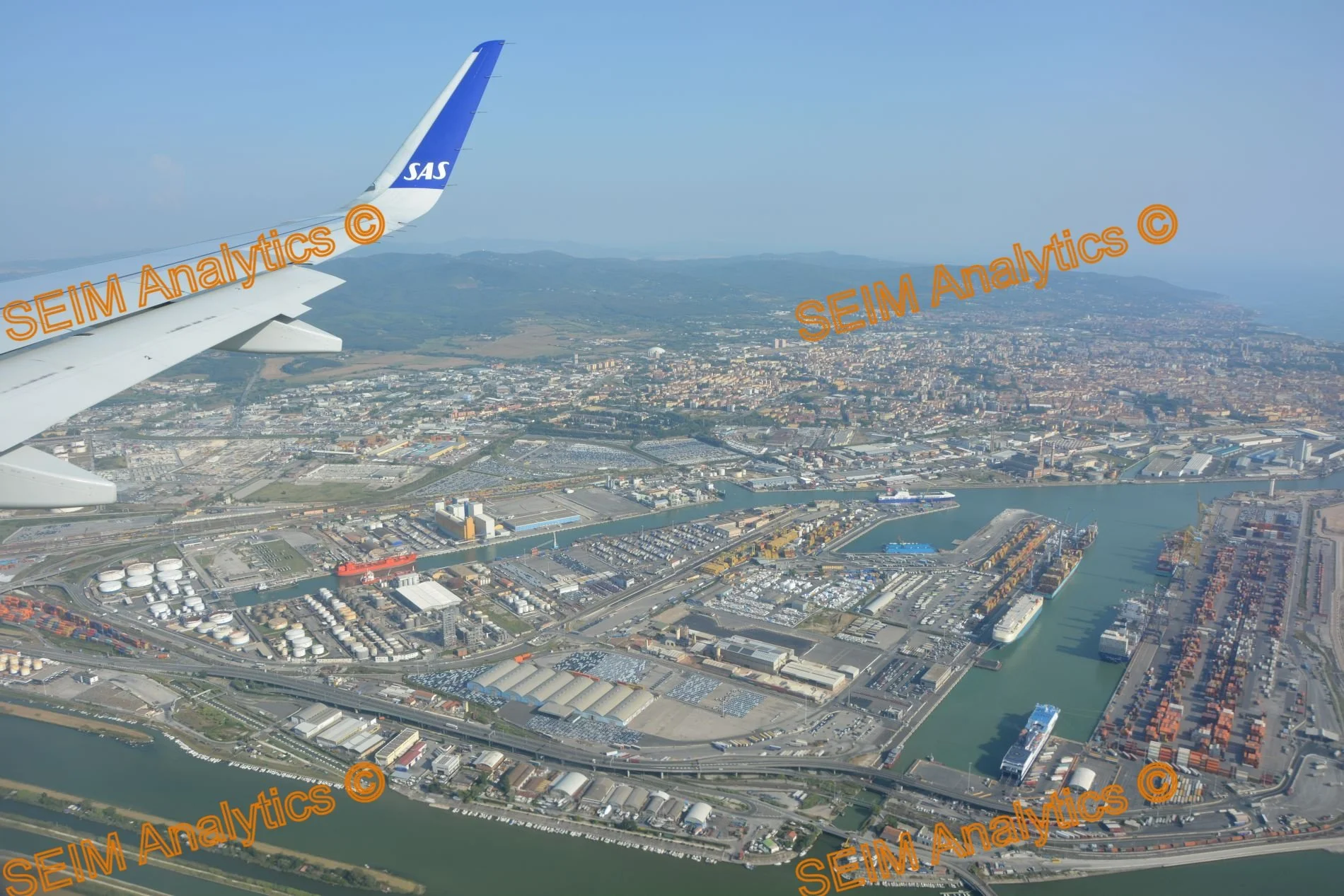
Livorno harbour and town upon arrival at Pisa Airport
LUCCA is a wonderful neighbouring town of equal size but in the shadow of Pisa and it’s leaning tower, but maybe that is also to its fortune. Lucca’s preserved historic center and almost intact Renaissance city walls have kept its authentic charm.
LA SPEZIA
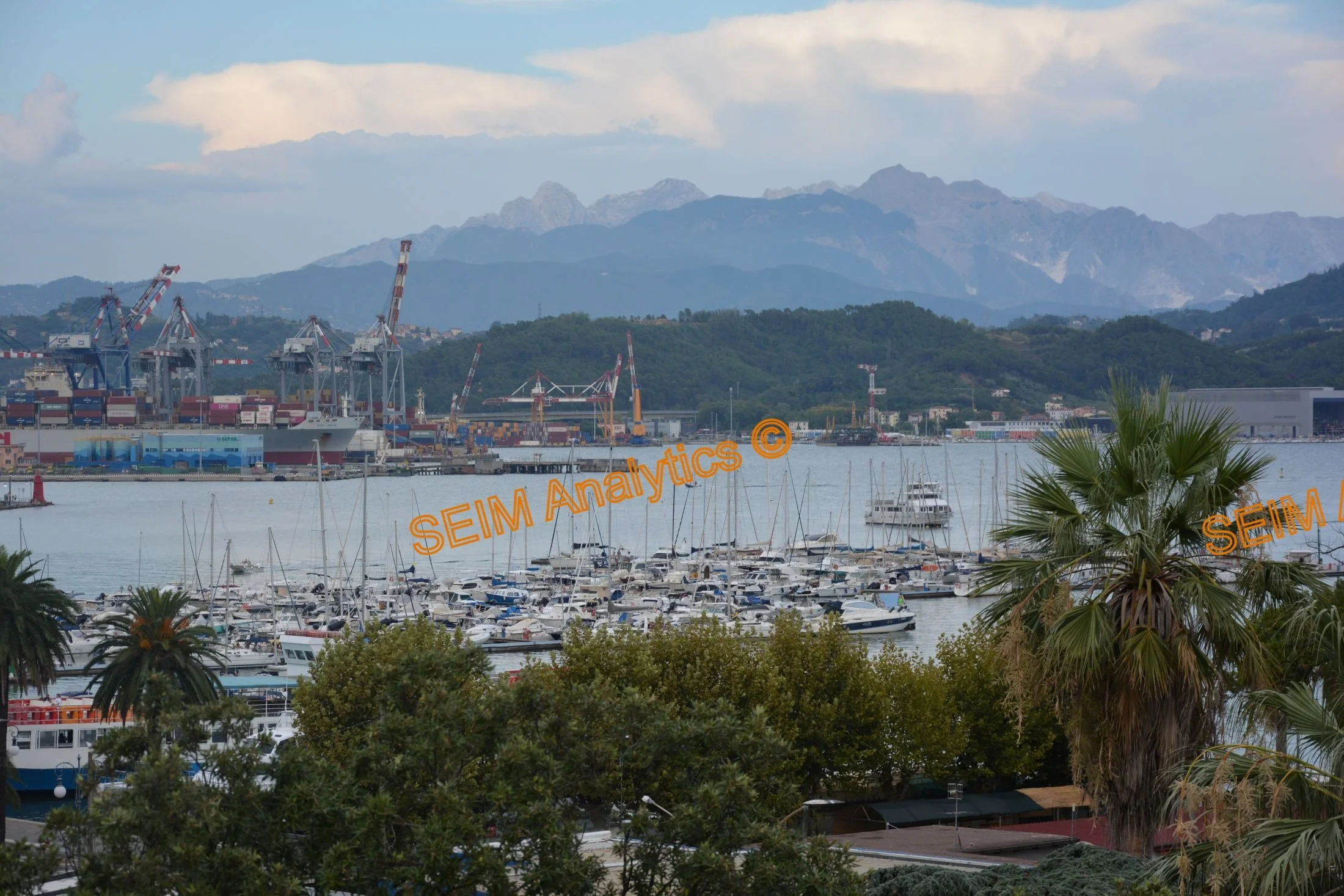
To its advantage, La Spezia is not a target for tourists. It is a modern town of some 93.000 inhabitants and a good starting point for exploring Cinque Terre, which is often cramped with too many tourists and where communications can be challenging. La Spezia is a normal Italian town with an authentic Italian flair where the coffee is still reasonably priced. It is the main Italian naval base and navy navigation school, but also houses a cruise port, shipyards, and various industries. A visit to the Castle of San Giorgio is among novelties for historians, but the town itself has a modern urban layout, with numerous Art Nouveau villas. With free summer concerts in the Garibaldi Park, one can experience authentic Italian society, also when walking the long molos in the harbour area in the evenings. From the Garibaldi Square there are boats to Cinque Terre, and suburban busses to Porto Venere and San Terenzo/Lerici.
SAN TERENZO, some 50 min southeast of La Spezia, is a good option for beaches, like Venere Azzurra and Baia Blue, and nice evening walks and dining around the main piazza below its old fortress. Also extending or walking to nearby LERICI is an option. This town and its castle were the object of numerous conflicts between Genoa and Pisa, before in 1497 it eventually came under Genoese control.
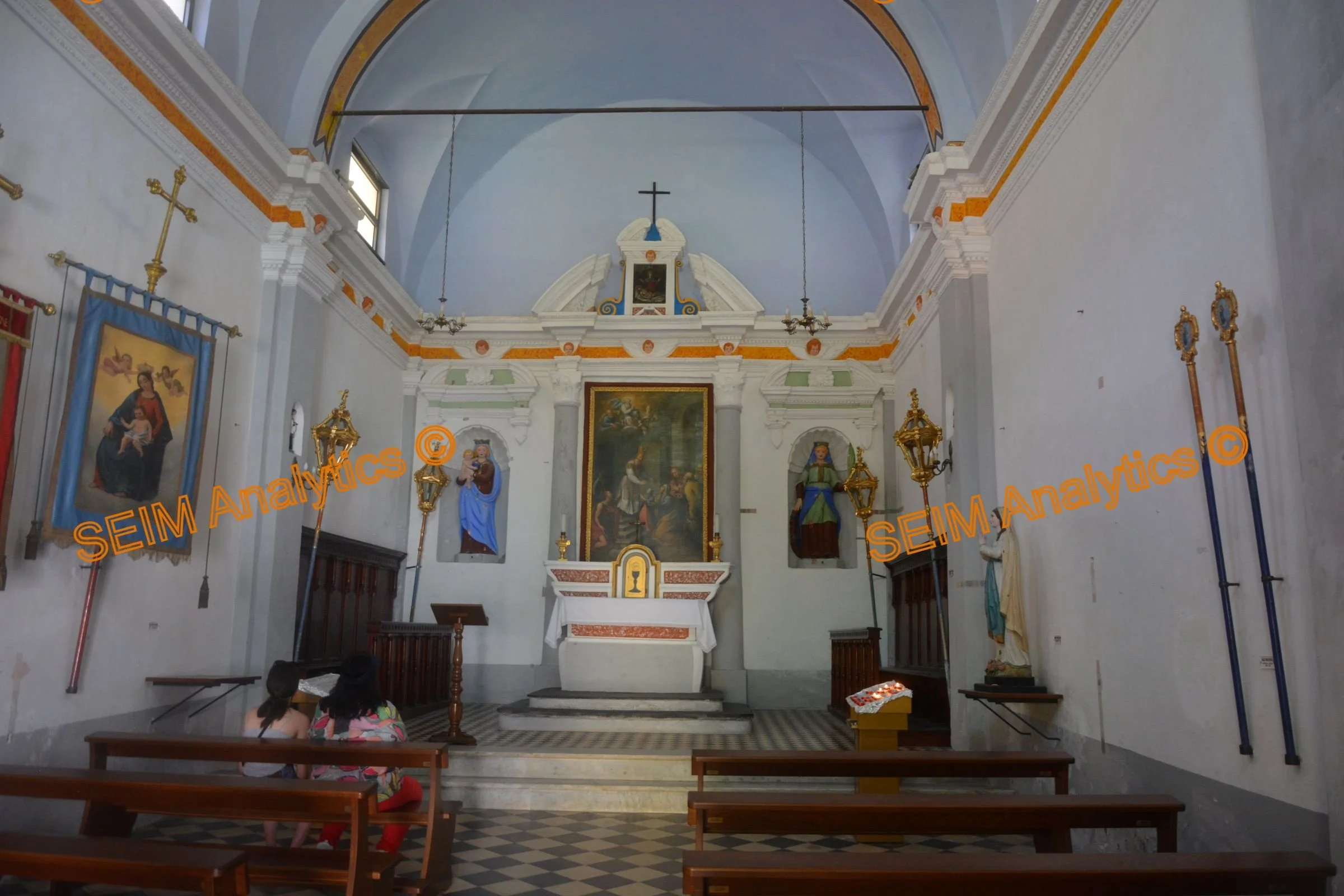
PORTO VENERE: One hour southwest of La Spezia, easily accessible with bus, are the colorful houses of Porto Venere, which is de facto part of Cinque Terre’s rough coastal terrain. On these dramatic cliffs, visit the Church of St Peter, which has Palaeo-Christian roots. Here is also the collapsed Lord Byron Cave from where in 1822, two years before the death of this romantic poet and revolutionary in Greece, he swam to San Terenzo on the other side of the La Spezia gulf. On 17 August, Porto Venere hosts the popular White Madonna procession through its streets. Its municipal arms seen everywhere is the red and white St. George cross, as this charming town was part of Genoa since the early 12th century until French occupation in 1797.
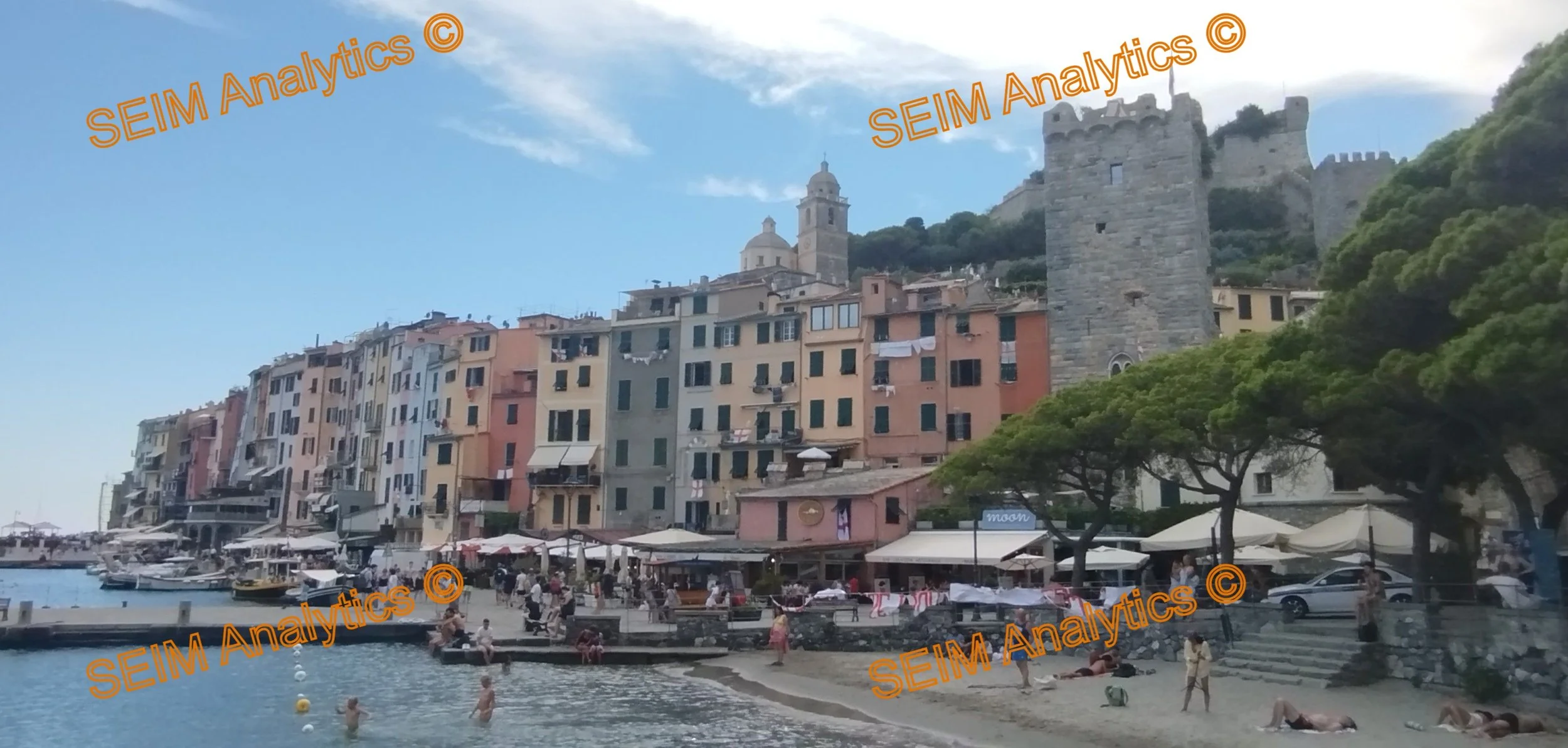
Porto Venere’s colorful houses
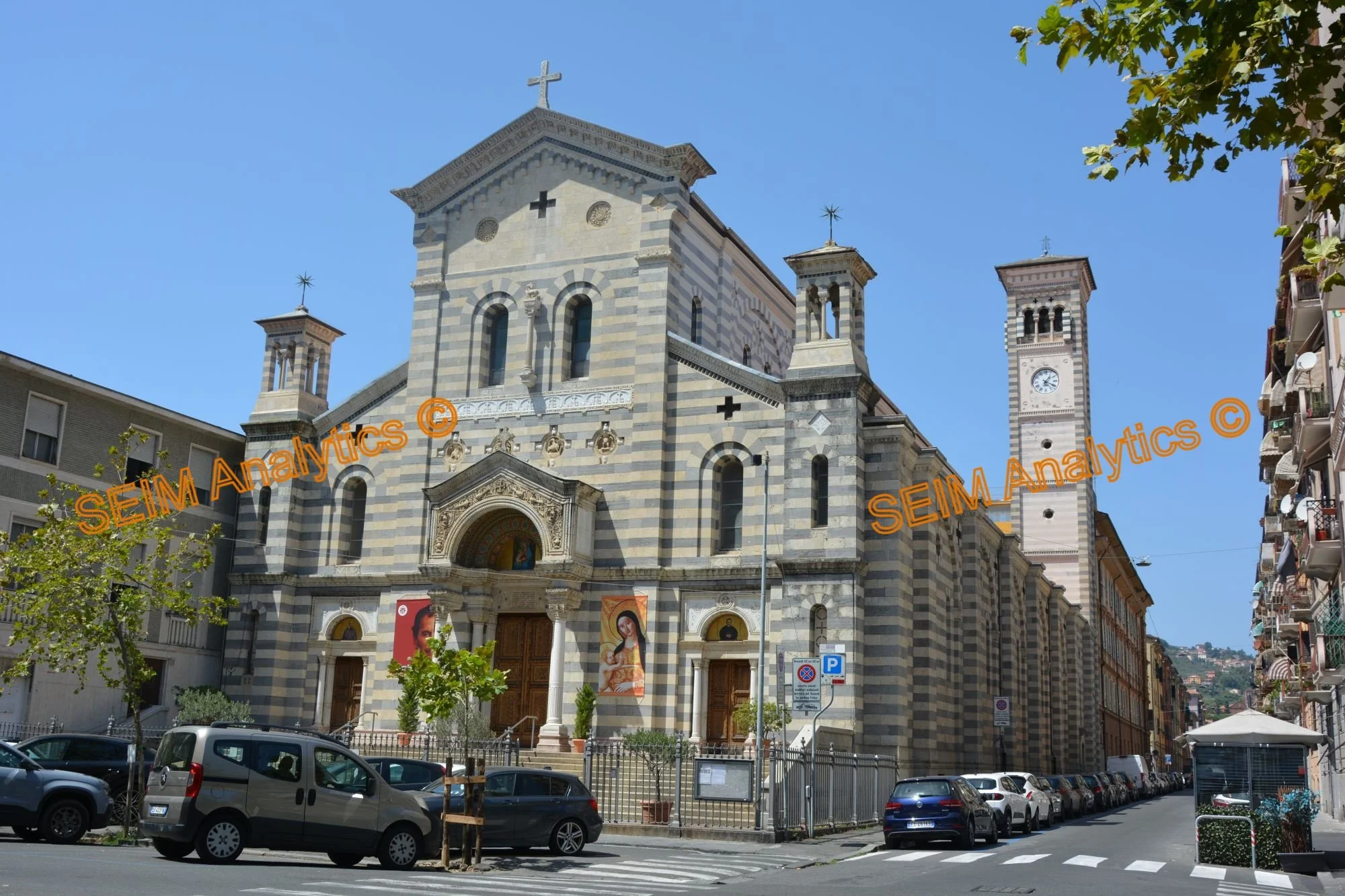
Photos below: La Spezia harbour and town
CINQUE TERRE
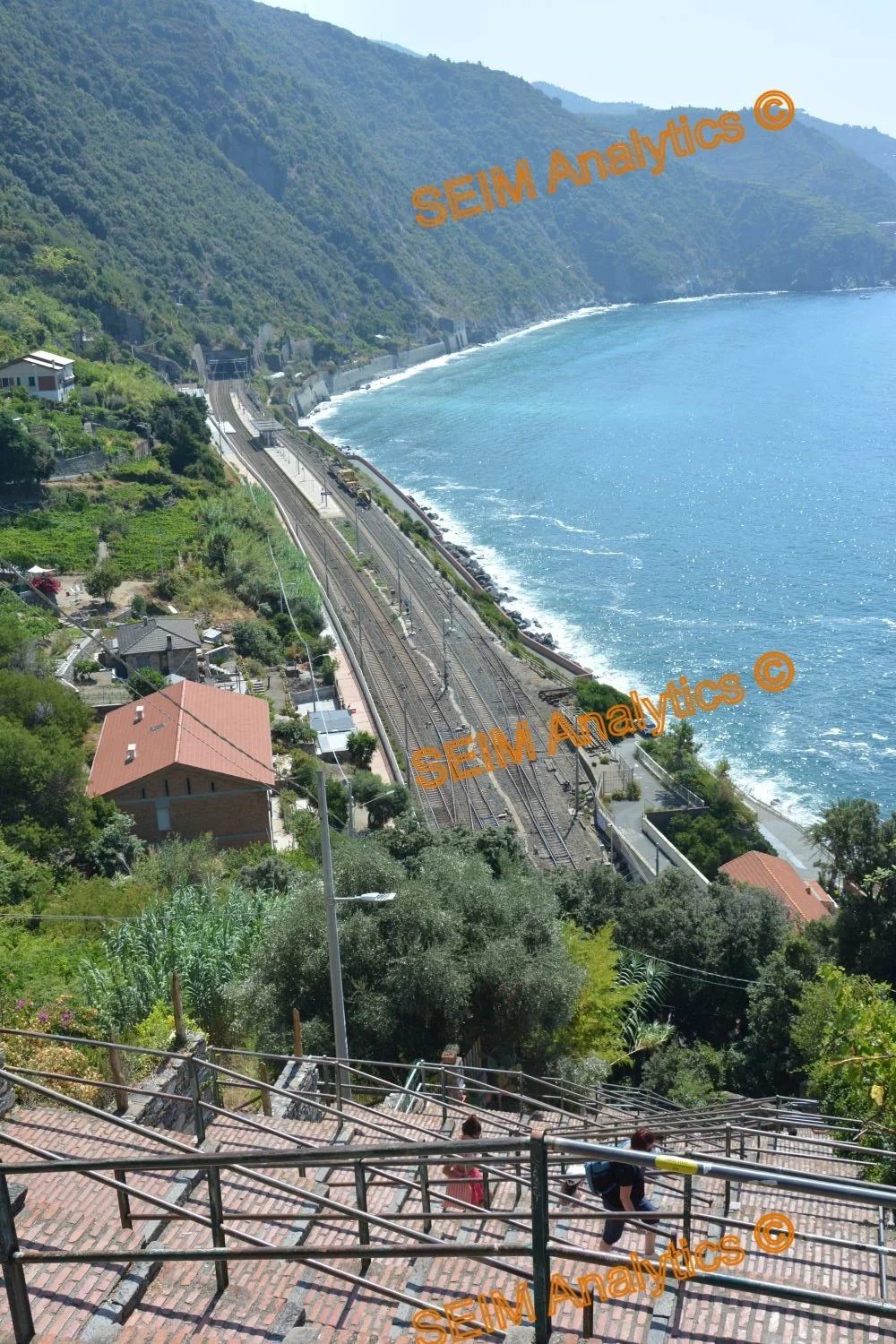
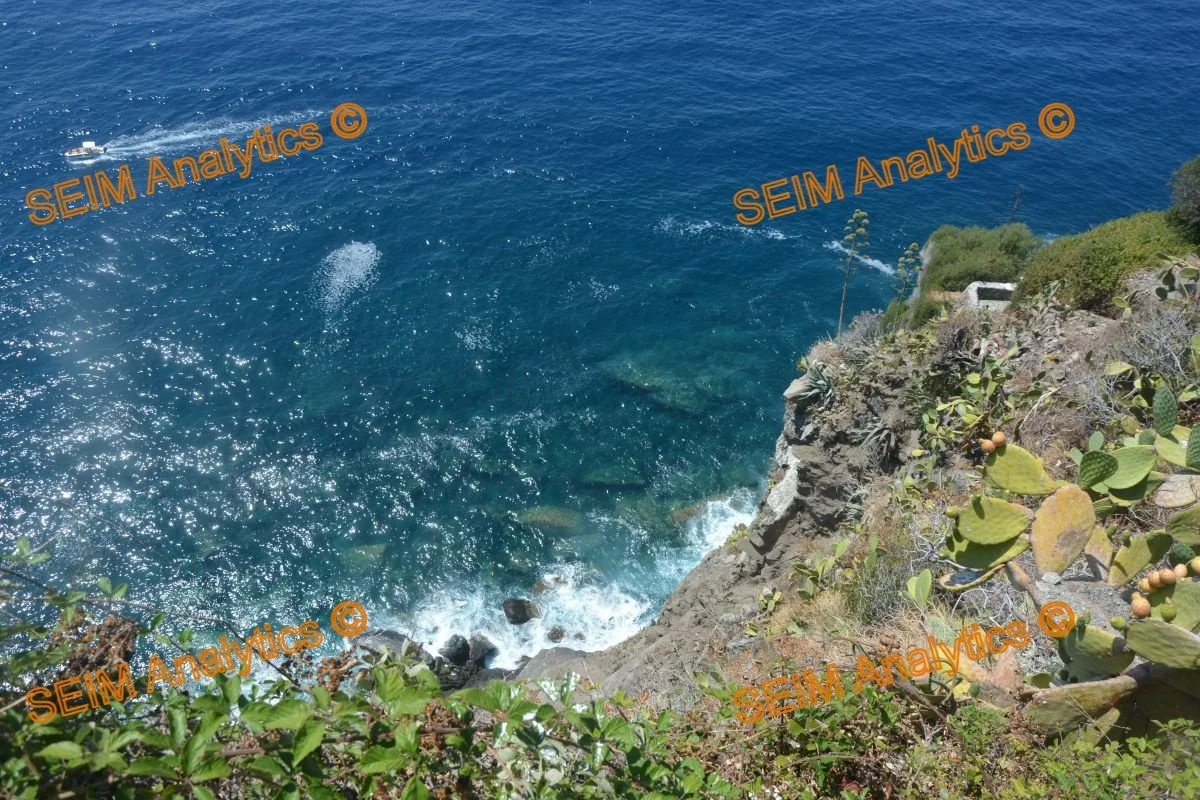
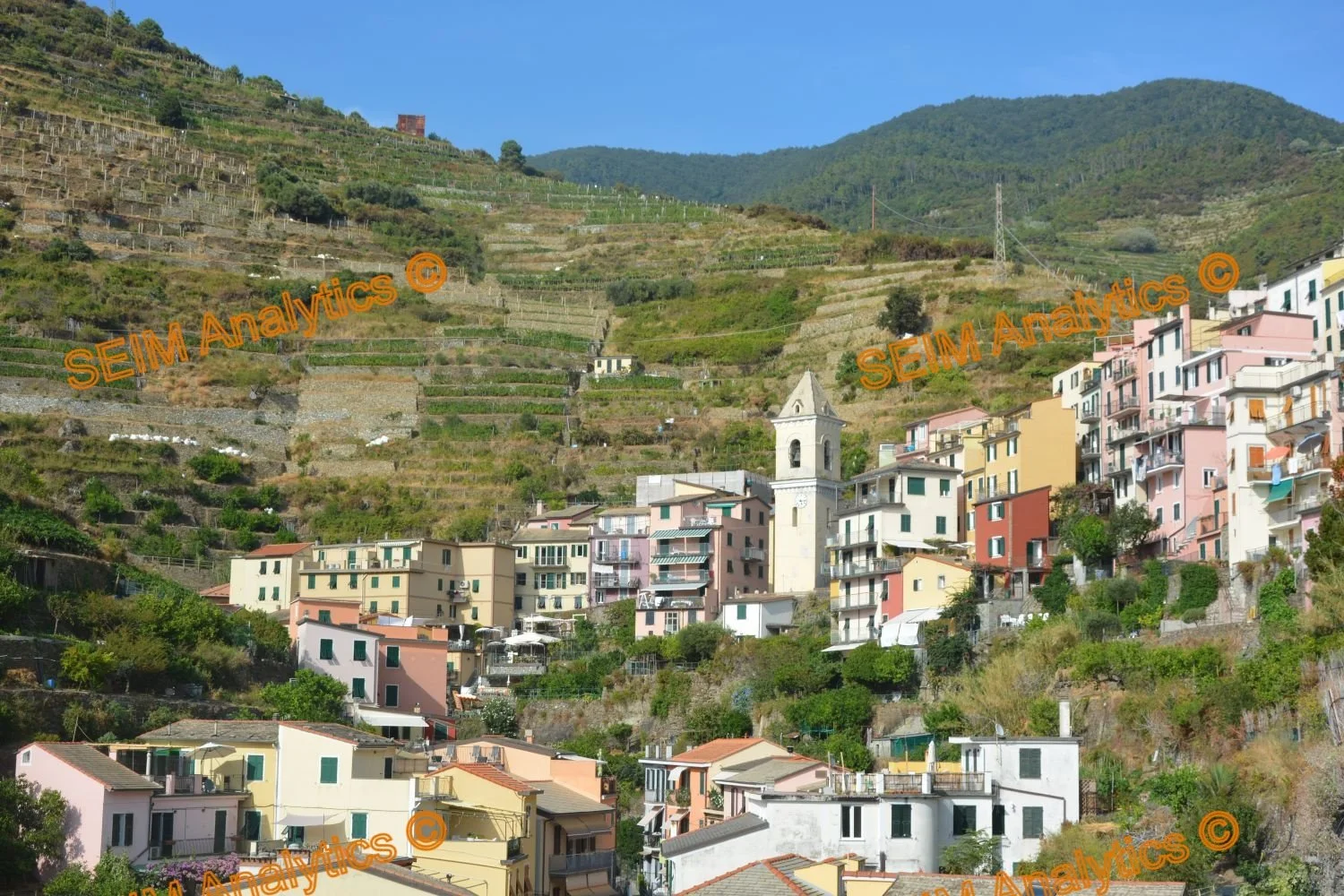
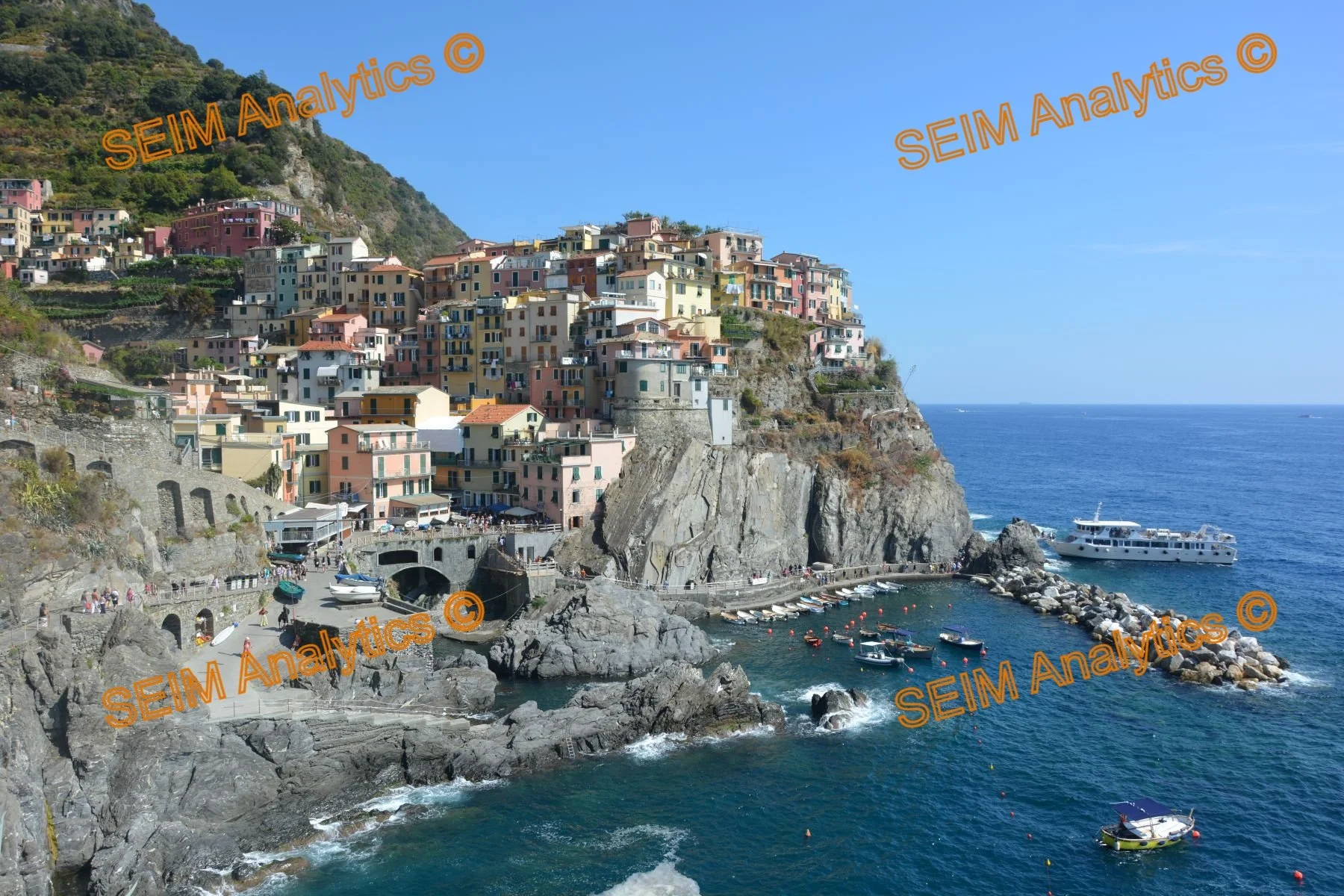
Cinque Terre is Liguria’s Amalfi Coast, but slightly less known. It consists of the five picturesque coastal villages of Monterosso, Vernazza, Corniglia, Manarola, and Riomaggiore. Tourism in Cinque Terre has been rising sharply since the 1970s. The region was added to the UNESCO World Heritage Sites in 1997. While long-distance trains do not stop in the villages, but sometimes in Monterosso, the regional train from La Spezia is the preferred option to reach these villages, while cars are not advised. In Corniglia be also prepared for a 382 step walk upward from the train station to the village, which unlike the other four villages is not situated directly on the sea. There are also boats that take visitors in between the villages. Vernazza waterfront piazza and natural harbour overlooked by its castle is among the pearls, but all of these villages have romantic charm and classic photo viewpoints. Yet, in the summer season, accommodation is expensive and some locals are complaining about over-tourism and crowds.
These scenic Cinque Terre villages were established as fishermen villages, and agriculture developed in the terraces, including viticulture. Good vines are produced in the terraced hills between Volastra and Manarola, but also grappa and limoncino. Alternatively, try the ice cream in Corniglia produced with local honey. Its defensive towers can be traced to the Republic of Genoa to protect against attack from Turks. While an economic decline unfolded from the 17th to the 19th century, the region started recovering when La Spezia was turned into an arsenal in 1861 and into a navy fleet base, when also railway links were established.
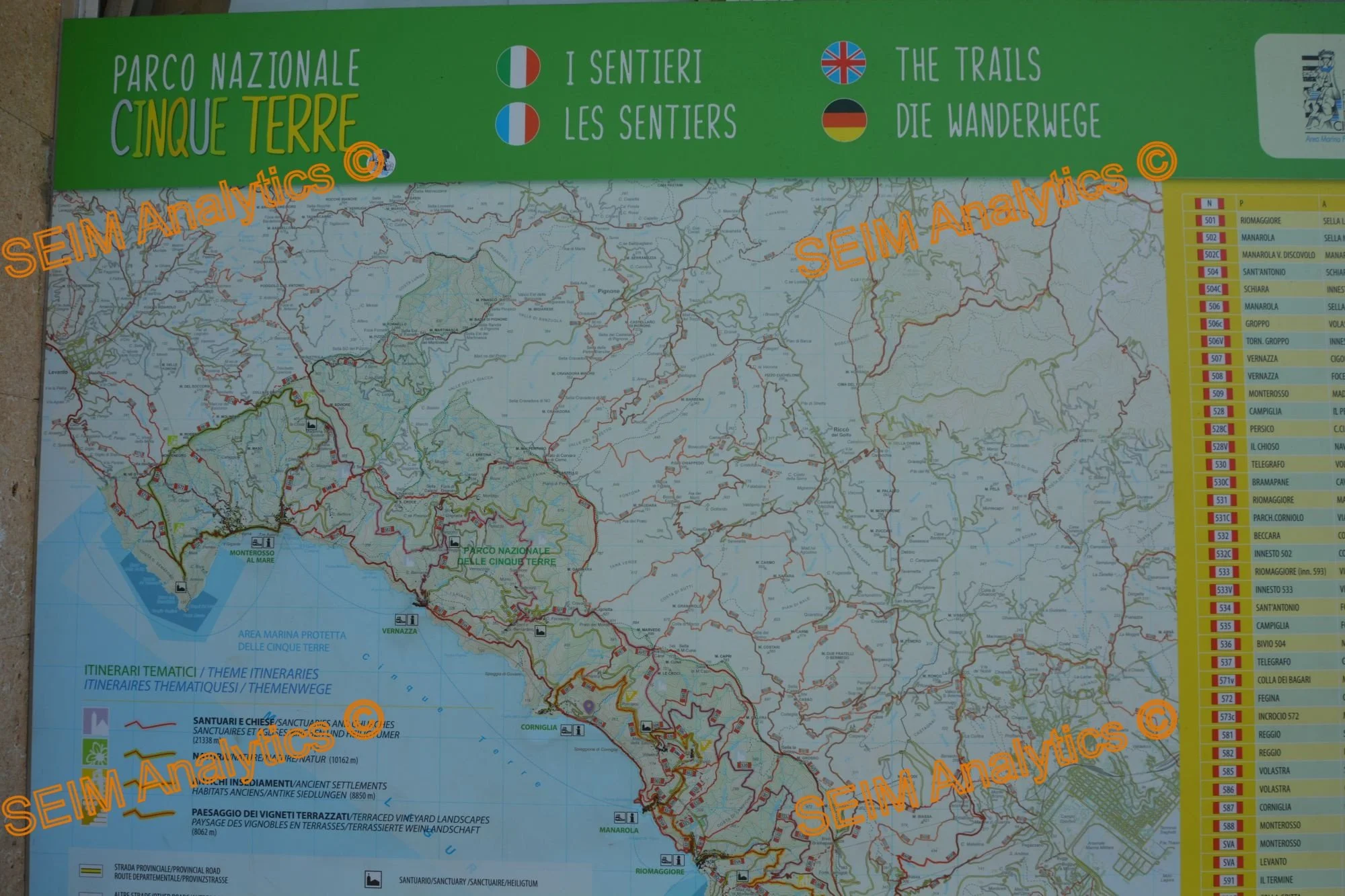
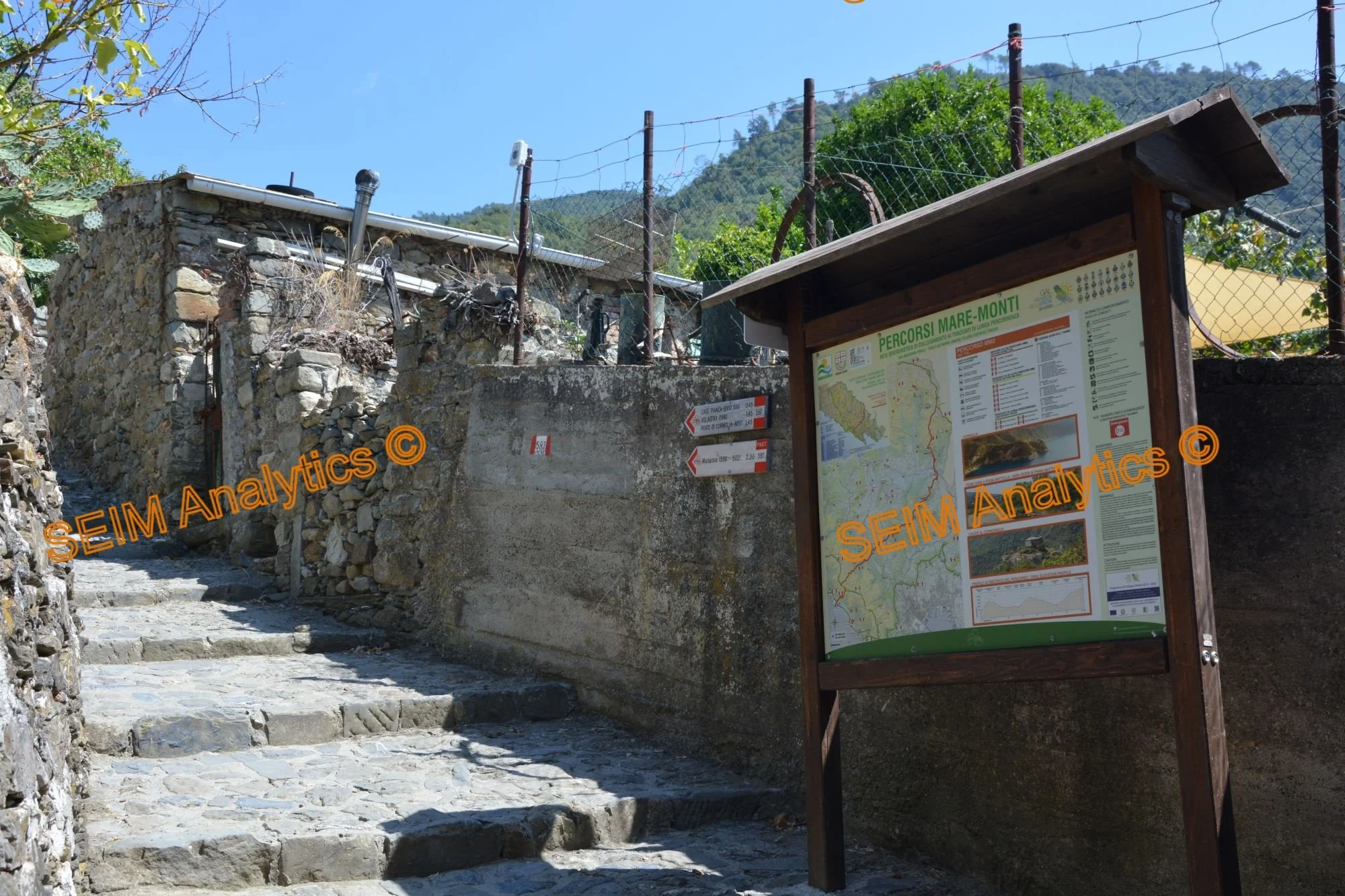
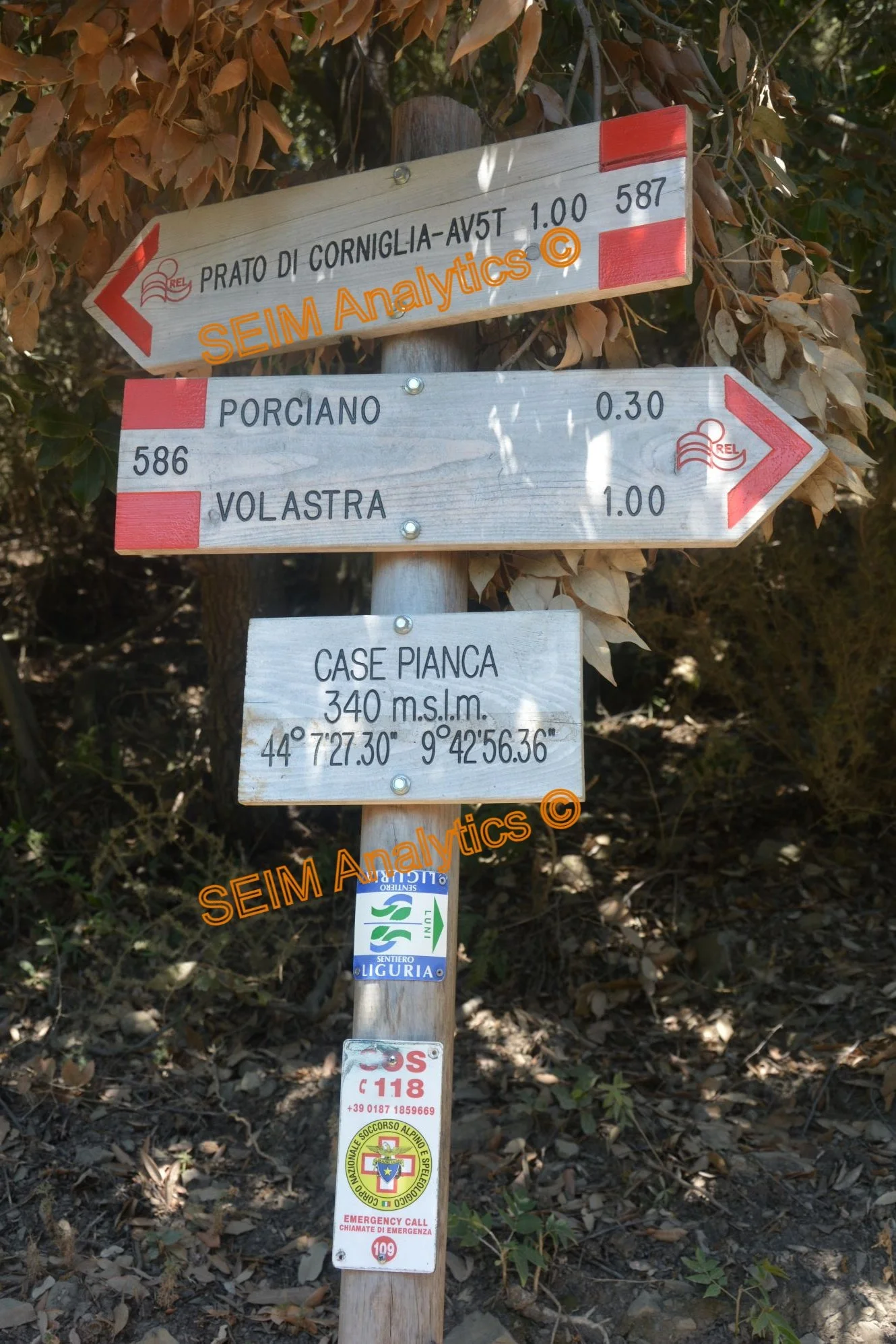
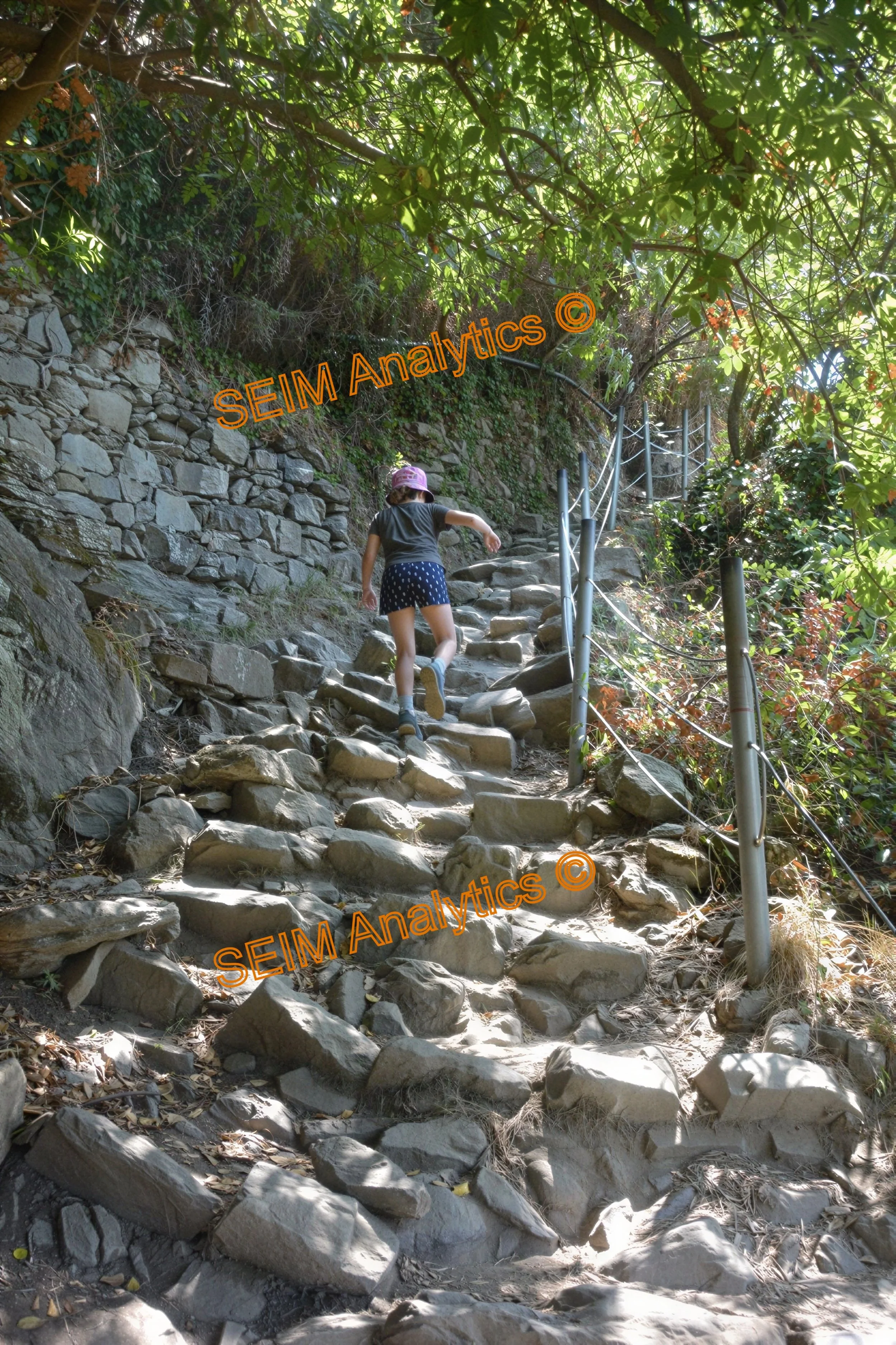
FOR MOUNTAINEERS and HIKERS: Explore the scenic blue trail route (Sentiero Azzurro) that goes between the five villages along the coast. Some sections are closed due to landslides, like the Corniglia-Manarola route, that therefore (2026) does a deviation (route PN5T) many hundred meters uphill to the Volastra village before returning in scenic trails to Manarola. Relatively good physical condition and footwear is needed, as well as water, especially in the summer heat. Read more about hiking possibilities and possible fees on the Cinque Terre National Park authority and the Cinque Terre tourist information.
A more comprehensive hike is doable in the nearby Western Apennine Mountains with Monte Cusna and Monte Prado, the two best high-mountain targets from La Spezia. Explore these routes with mountain lakes through Club Alpino Italiano — CAI - the national Italian Alpine Club, or its La Spezia section (CAI La Spezia) whose website has trail/cartography, hiking activities, and hiking programs in an area less frequented and sometimes wilder than the Alps. For swimmers, in Cinque Terre, Monterosso with its sand beaches and Porto Venere are the best options.
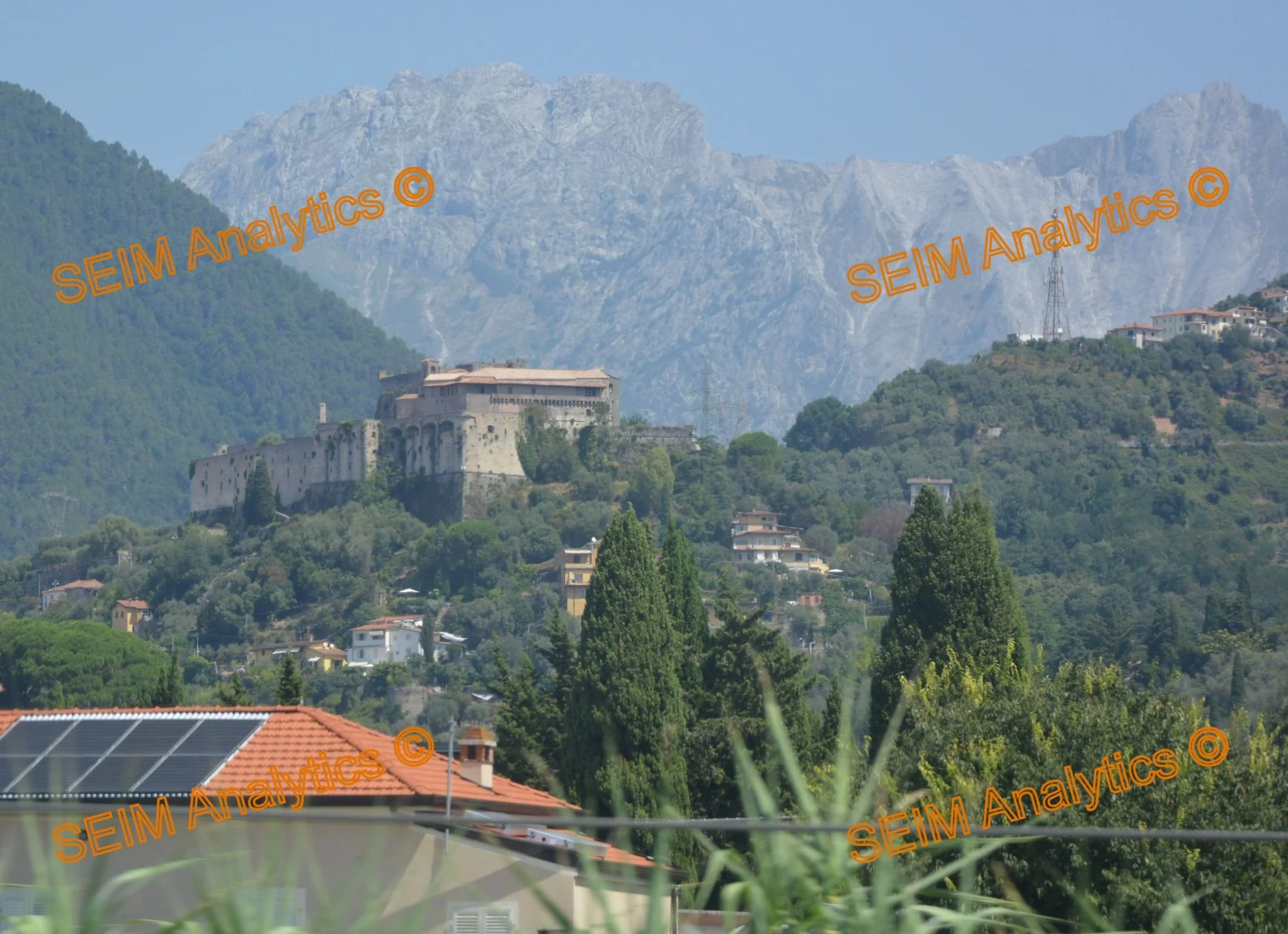
GENOA
The sixth-largest city in Italy is Genoa, which is reached with fast and comfortable Frecciarossa trains (1:15 h) from La Spezia, or from Milano or Nice. Its two train stations (Principe and Brignole) are both good for disembarking towards its large and mostly intact Middle-Age oldtown, where the many narrow alleys (caruggi) open up into small squares with cafes and community churches. Genoa’s convenient 8-station metro line connects these train stations and the oldtown in between.
The most famous museum of Genoa is probably the Aquarium of Genoa. Yet, to understand Genoa, SEIM Analytics would recommend the less expensive Genoa Galata Maritime Museum that tells the history of Genoa in an informative way, including about Christopher Columbus being born in Genoa in 1451.
Genoa played a leading role in the history of commerce and trade in Europe, becoming one of its largest naval powers and among the wealthiest cities with a solid financial sector. The port of Genoa and its shipyards have brought trade, commerce, people, and wealth to the city and the Genoa maritime republic for centuries, greatly contributing to its cultural and historical heritage and architectural treasures, like its Renaissance and Baroque palaces. One is the Doge's Palace, the seat of government for the Republic which origins date to 1284, but now has a neoclassical reconstruction. In Genoa one can learn about the innovative ‘’Rolli system,’’ a list of the richest Genoese families’ mansions that were being used for foreign dignitaries during state visits by drawing lots. 42 of these palaces are included on the UNESCO World Heritage List.
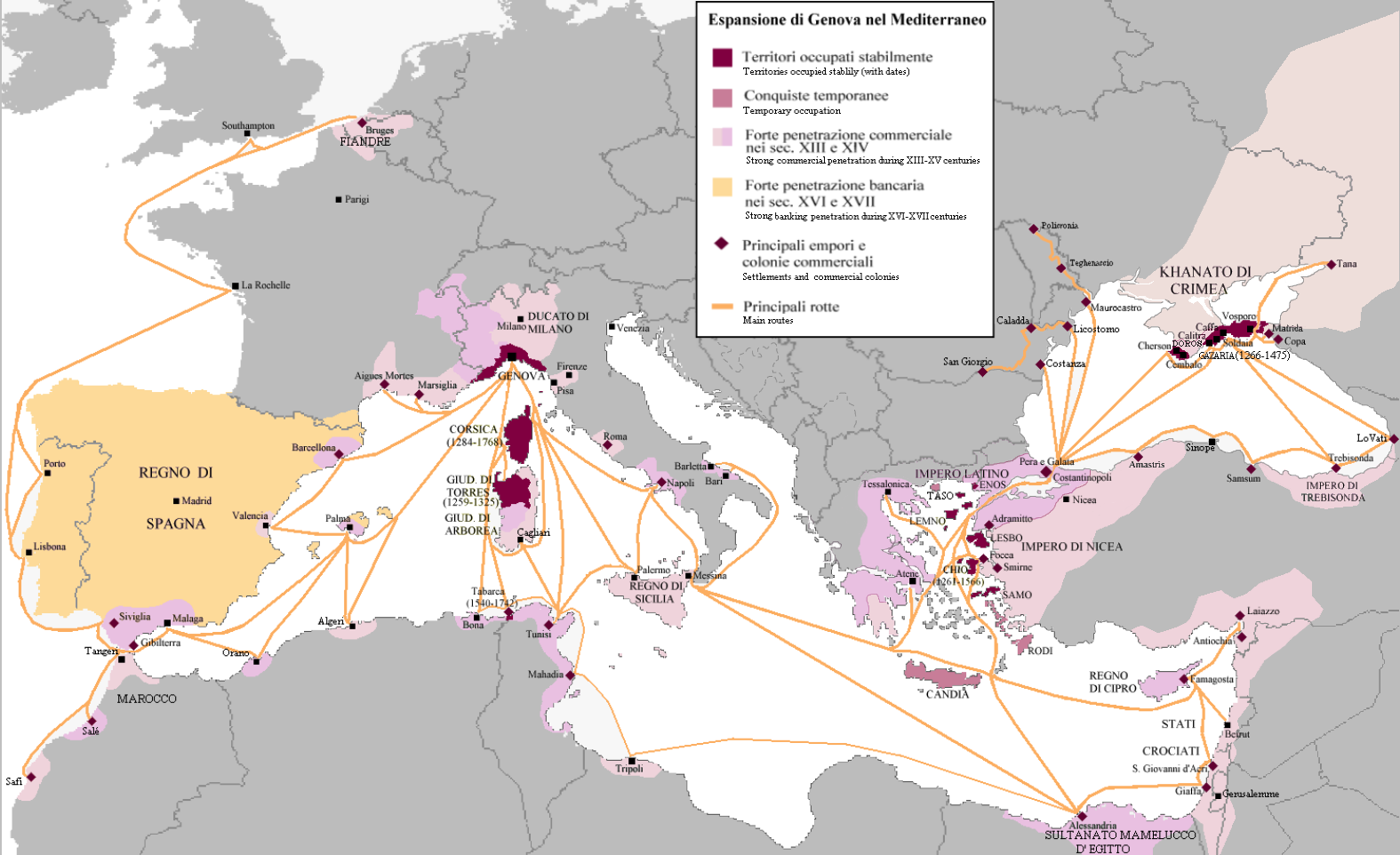
Expansion of Genoa around the Mediterranean and the Black Sea. Permission Details: GFDL e Creative Commons CC-BY-SA tutte le versioni (3.0, 2.5, 3.0, e 1.0), sono l'autore.
The Republic of Genoa established colonies and controlled territories in the Middle Ages around the Mediterranean & Black Sea coasts. Genoese merchants came to control a large portion of the trade in the Byzantine Empire. This led to commercial and cultural rivalry between Genoa and Venice through the thirteenth century. In this period, Genoa was in expansion, and after the 1284 Meloria battle, Corsica was ceded by Pisa to Genoa. Corsica stayed under Genoa until 1768 when the then rotten finances of the Genoese republic forced it to sell Corsica to France. From the 17th century, the Genoese Republic started a period of slow decline that continued through the 18th century. In 1796-97, Genoa was invaded and occupied by Corsica-born Napoleon. The old Genoese elites were overthrown, and the short-lived Ligurian Republic was born under this military occupation, before in 1805 it was directly annexed by France.
Read more about SEIM Analytics on Corsica and its shifting identities HERE!
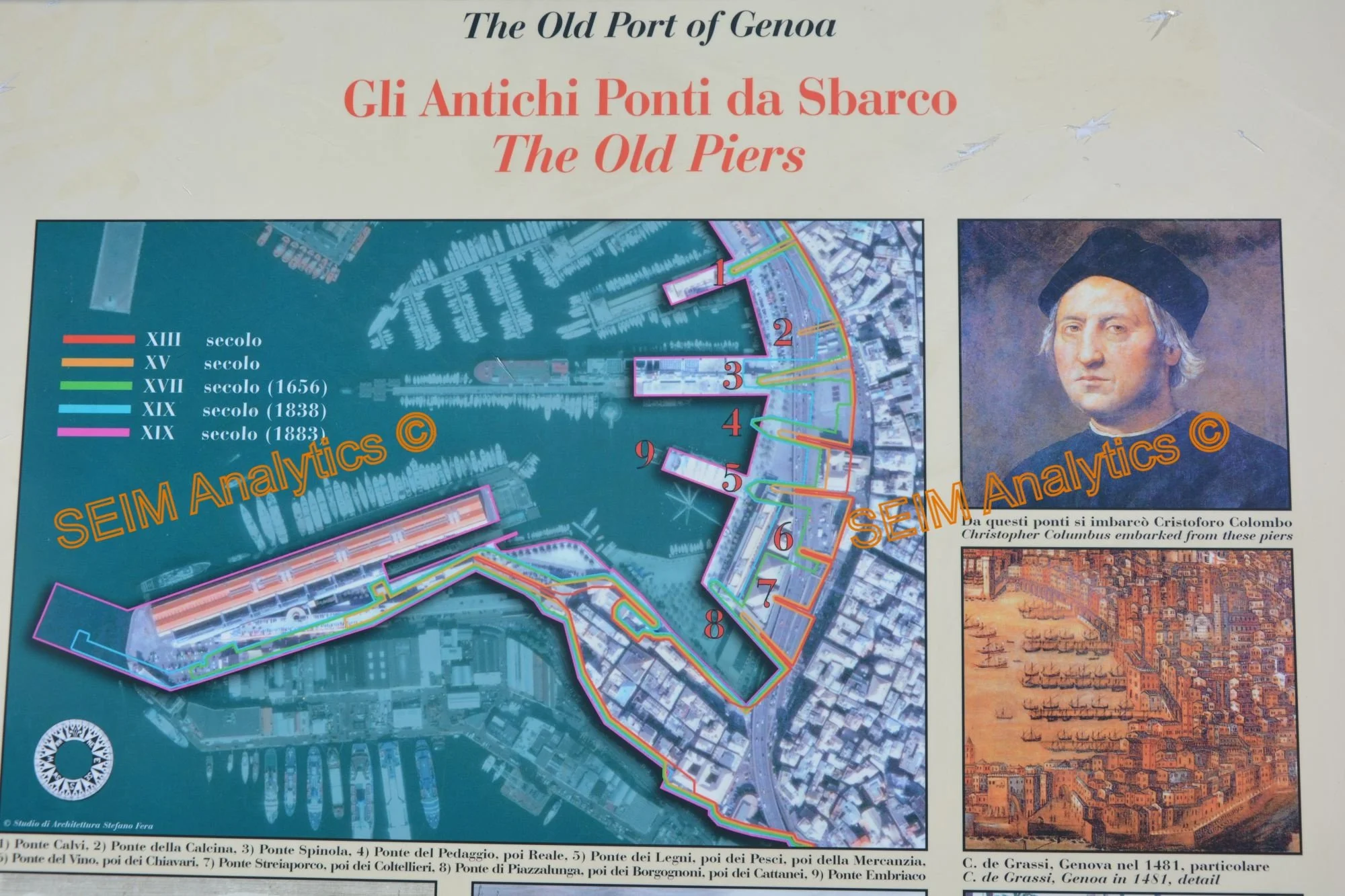
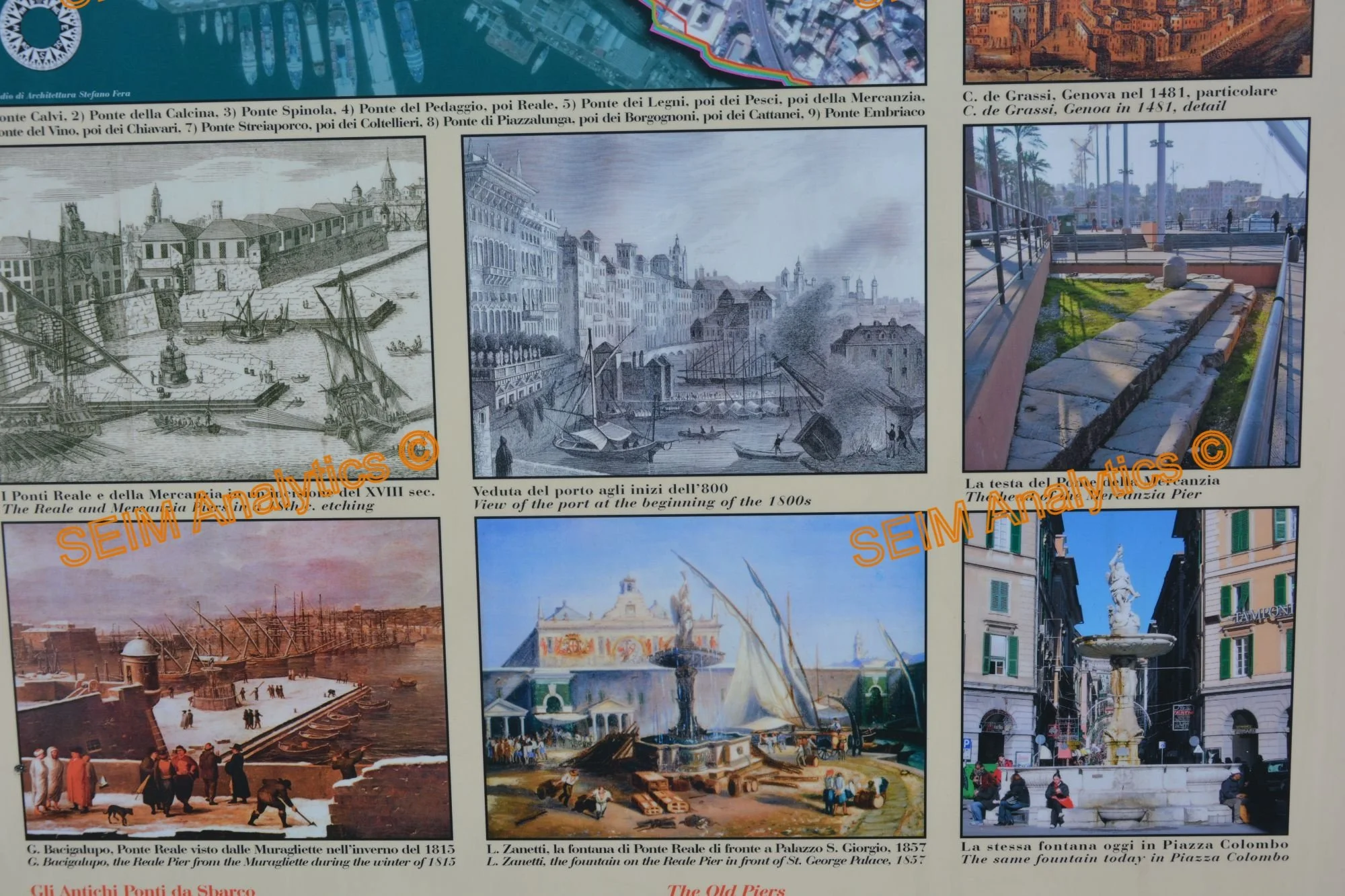
Genoa’s port: In the 19th century, Genoa consolidated its role as a major seaport and an important steel and shipbuilding centre. Also, railways lines connected Genoa to other important political and industrial centers. Yet, in the 19th and 20th century, Genoa was also a key port for emigration to America. Currently, Genoa is being developed as a key port in the European Union, and it is its 12th largest. Genoa's port supports the European TEN-T freight network, connecting maritime trade with the North Sea and the industrial heart of Europe via the Rhine–Alpine route through northern Italy and Switzerland. Transformation and rehabilitation projects are underway, like the Levante Waterfront, as well as Genoa 2030, a development and urban renewal plan. From the Genoa harbour, there are good ferry connections to Corsica, Sardinia, Livorno, and Barcelona. Although its heavy industries, like steel, is phased out, Ligurian industry has diversified into high-quality and high-tech products, electrical engineering, and petrochemicals, but it keeps its shipbuilding and ship repair sector.
To see the oldtown in Genoa, take the Castelletto Ponente lift that leads to Spianata Castelletto where a perfect view opens over the rooftops of Genoa. Also visits to Palacco Rosso and Palazzo Bianco is a good idea for art exhibitions. The latter is Liguria's main art gallery. The many churches of the Old Town are also worth visiting, ranging from Romanesque and Renaissance to the so-called Genoese Baroque and even Neoclassical styles. If choosing only one, go for the Genoa’s San Lorenzo Cathedral. Large portions of Genoa’s defensive walls remain today, so that Genoa has longer walls than any city in Italy.
Also try the Zechi - Righi funicular that takes one to the top of the hill with a nice view over the larger Genoa area. From here hikes are opening up inlands. If not in hiking mood, try here at Righi station the excellent pizza served in meters (!!) at Montallegro Restaurant
Alternatively, try the famous Genoa pesto sauce at an oldtown restaurant.
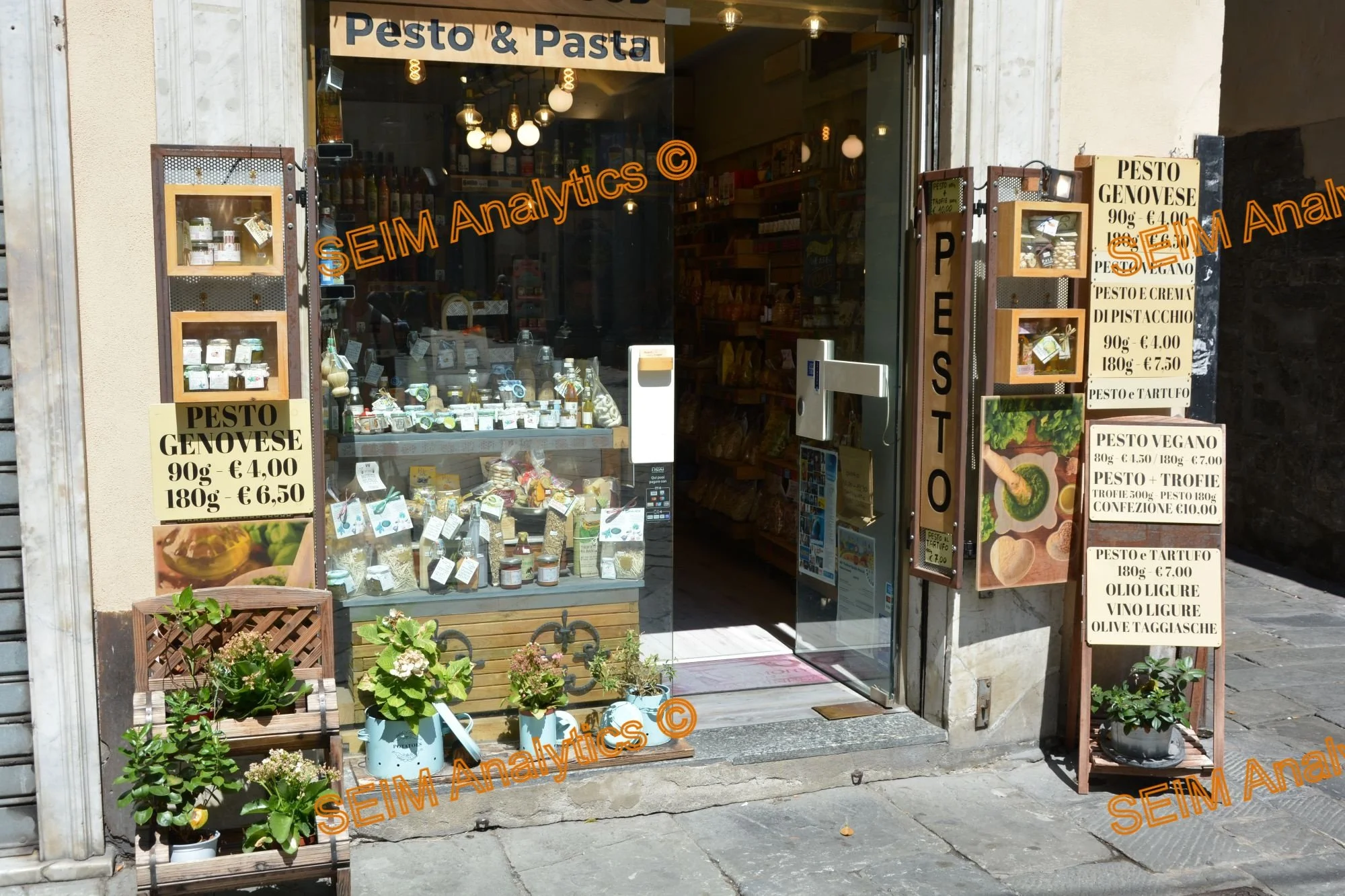
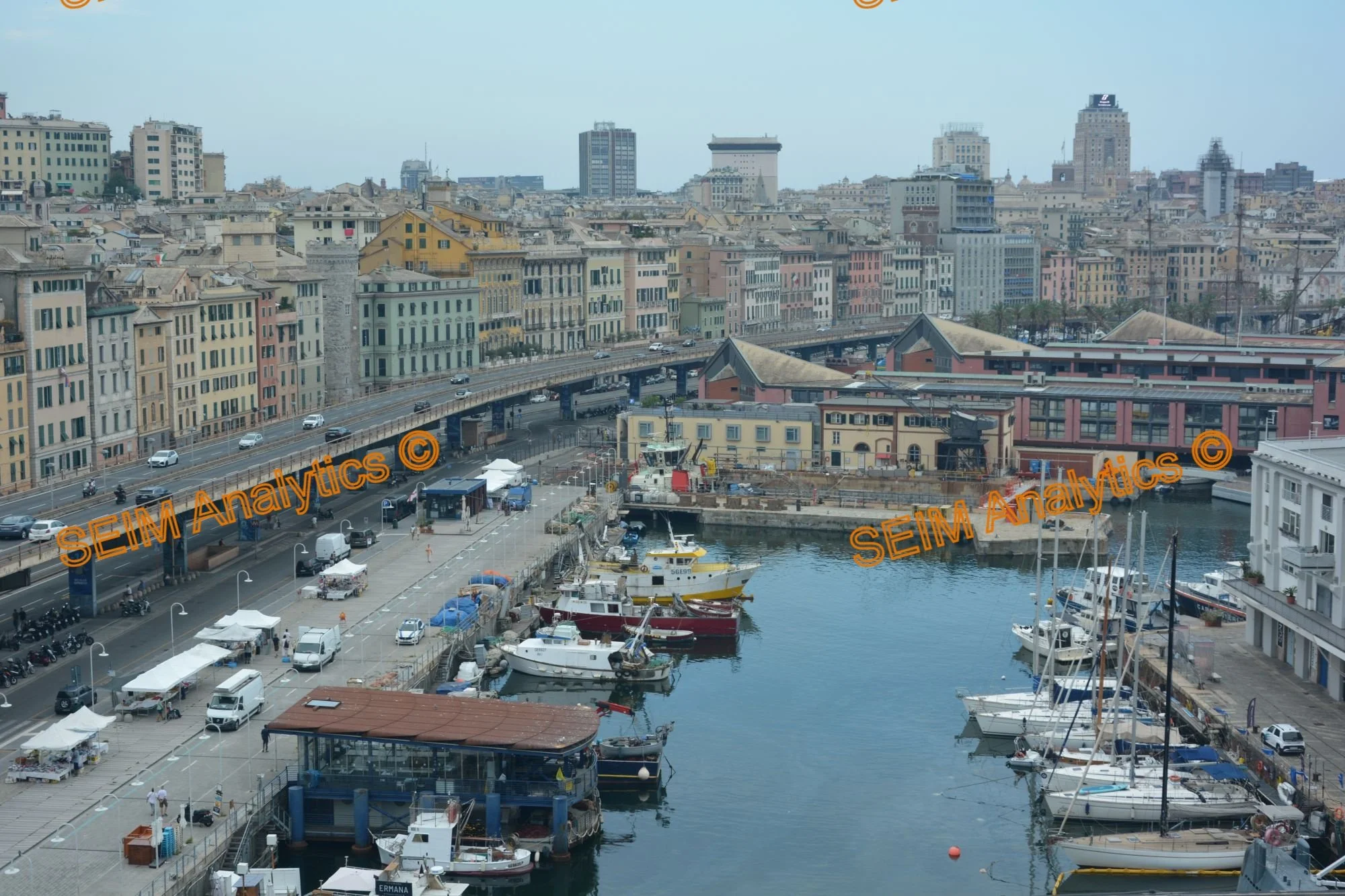
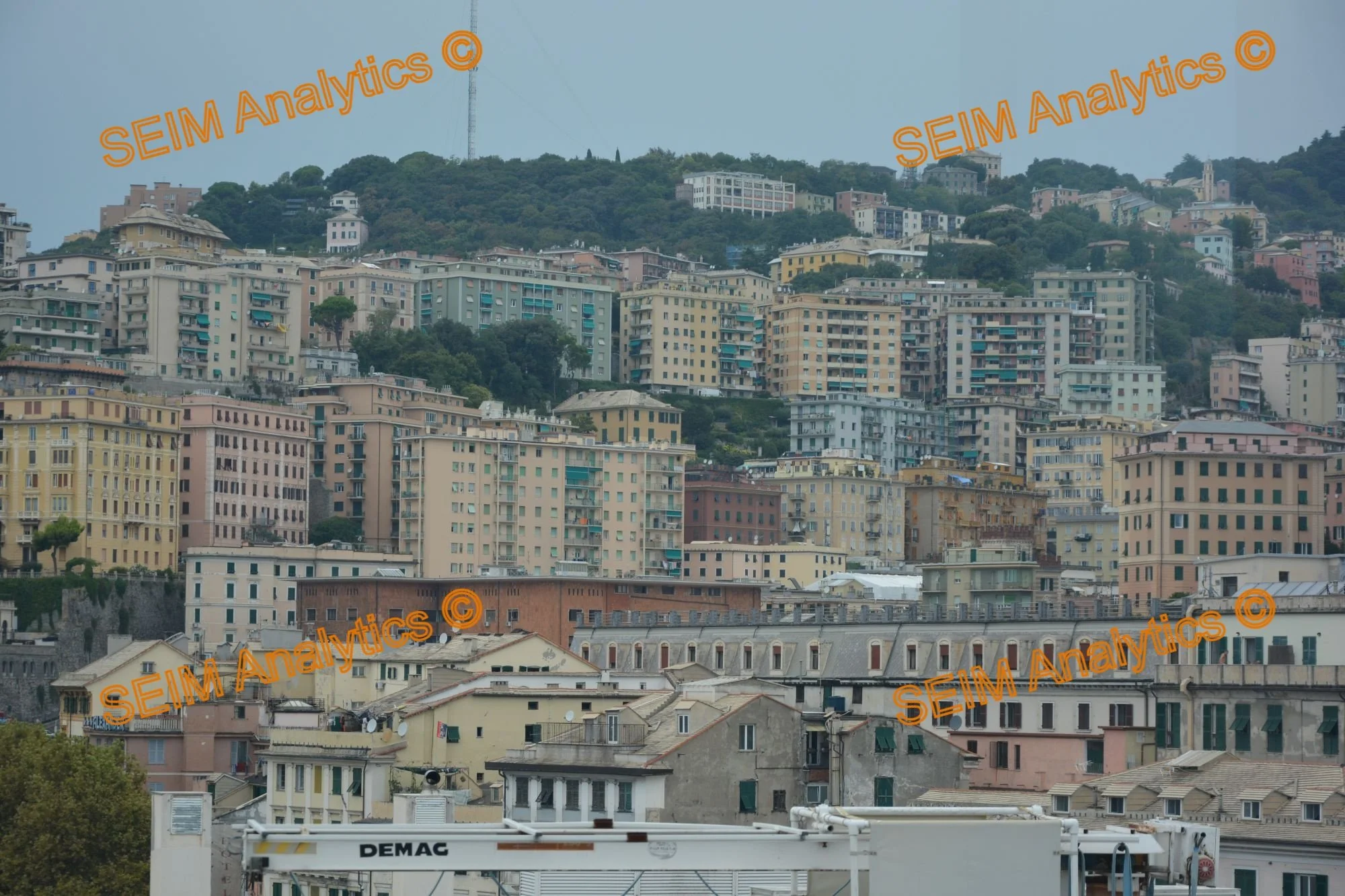
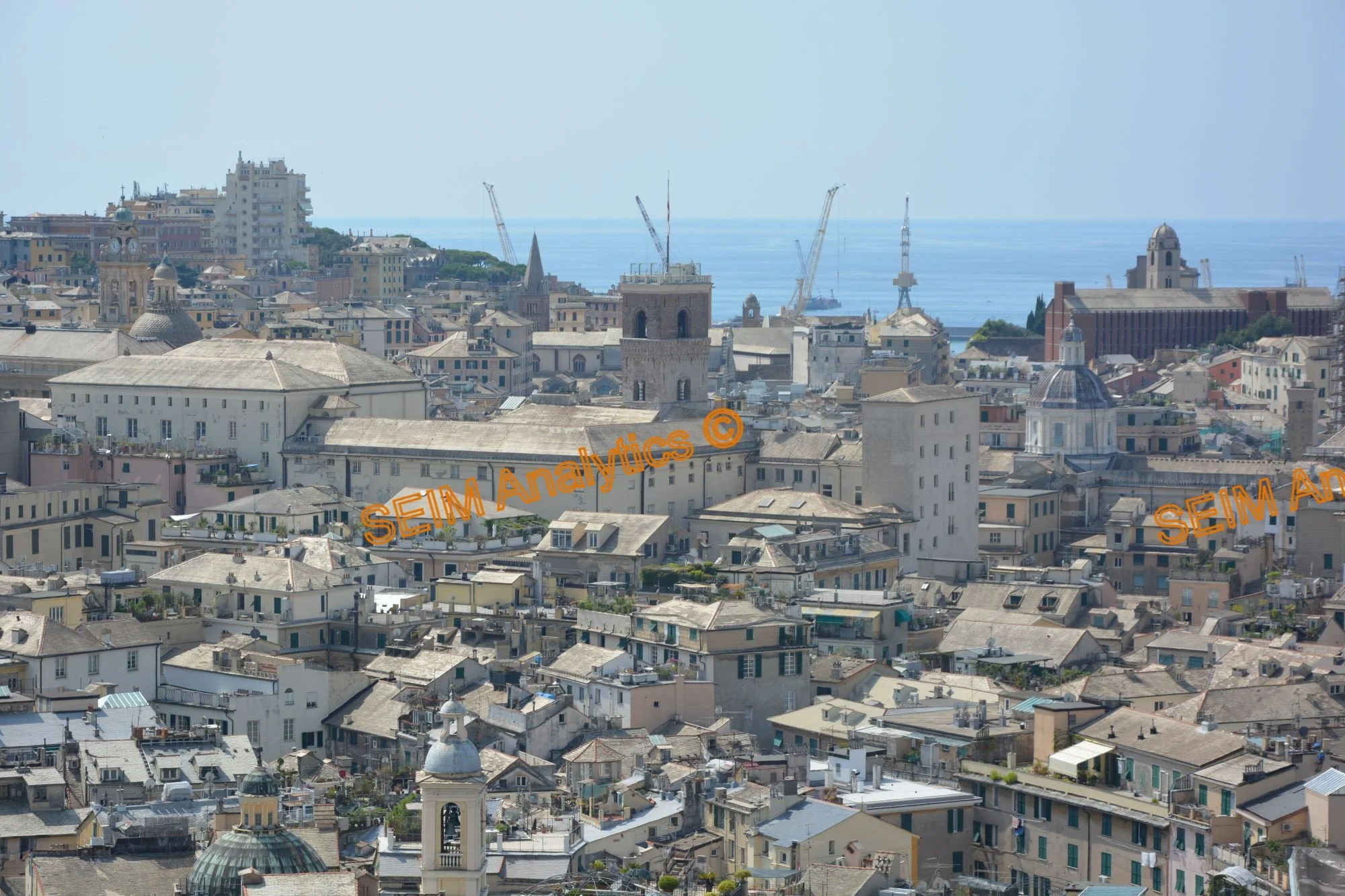
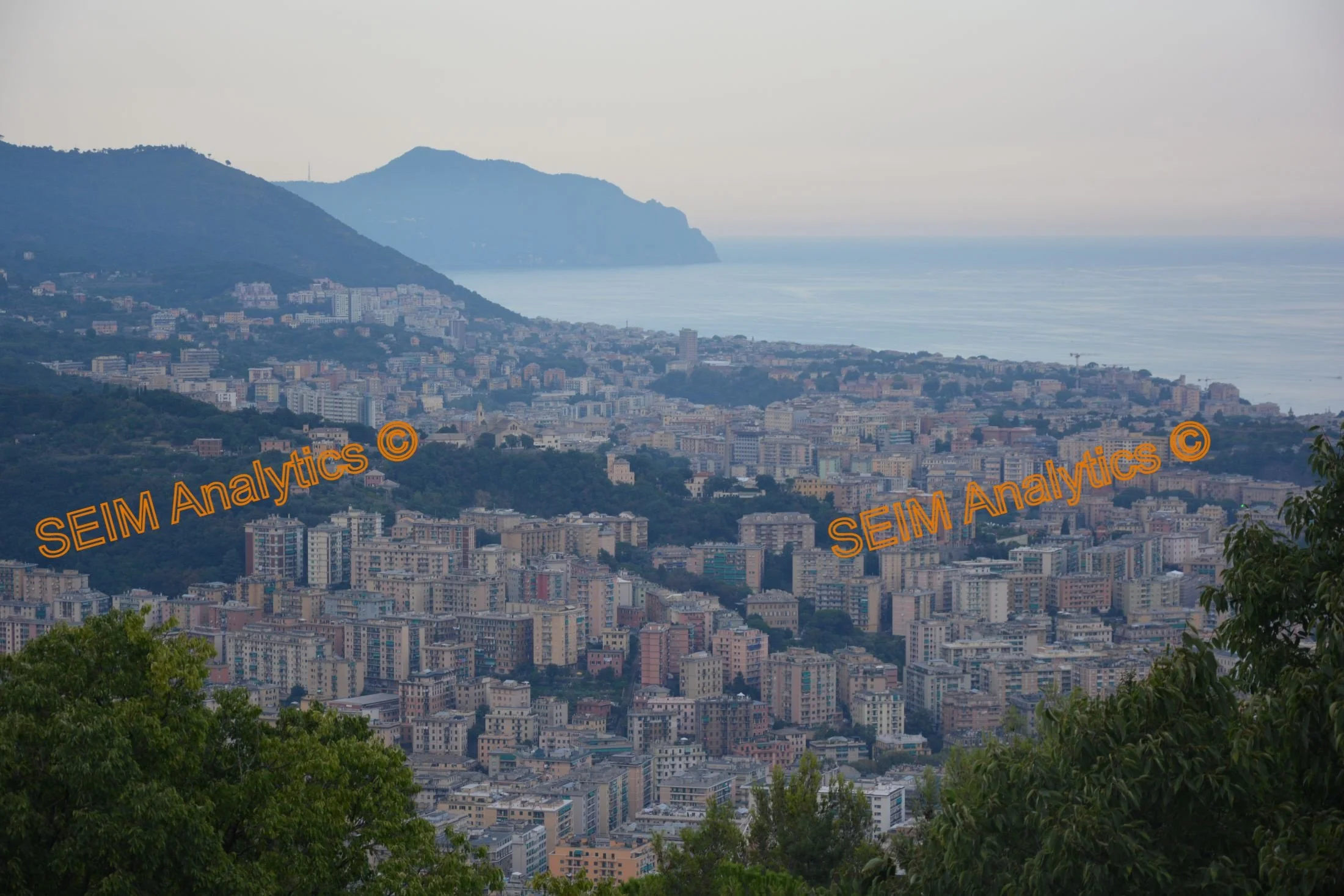
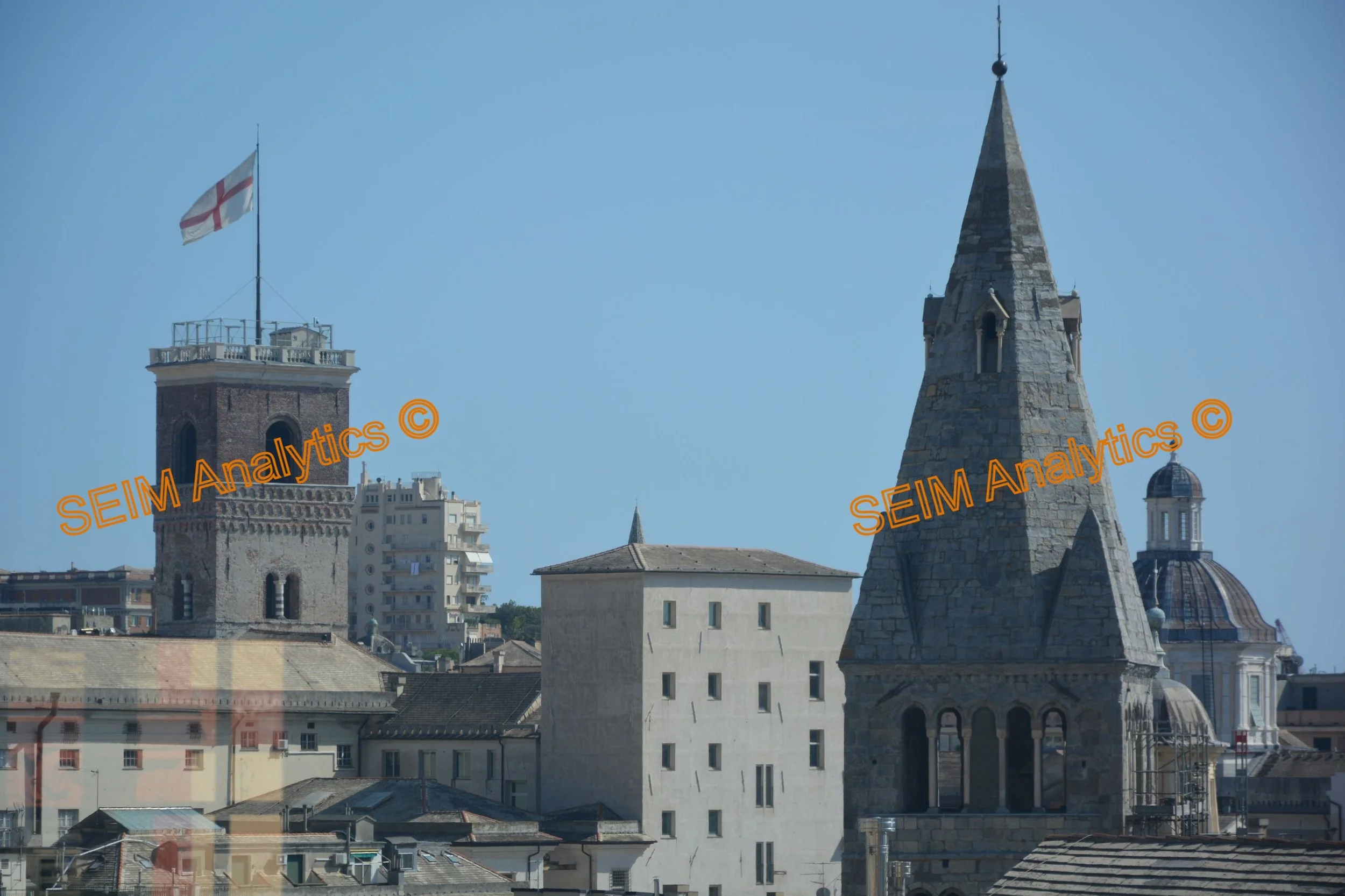
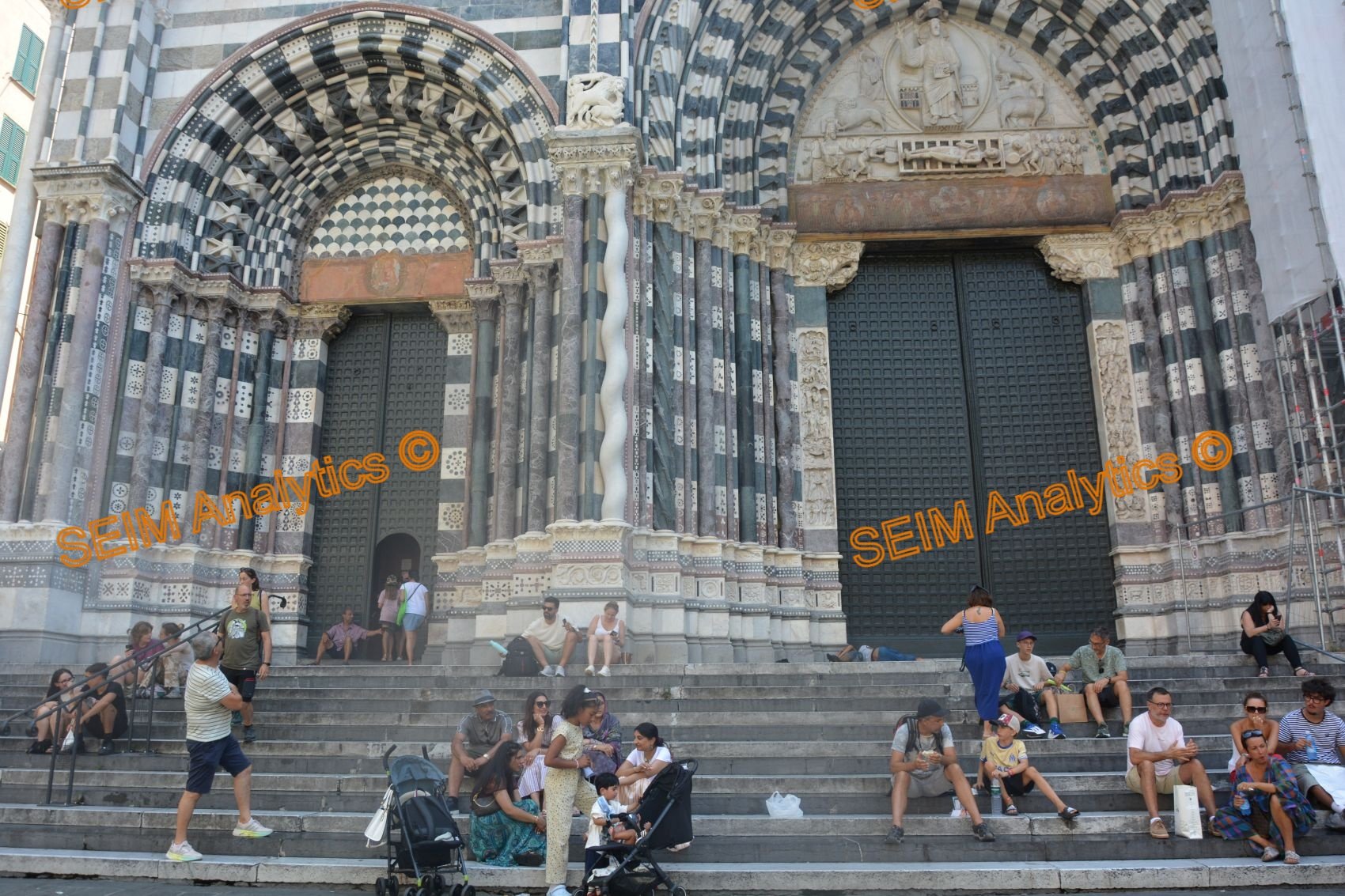
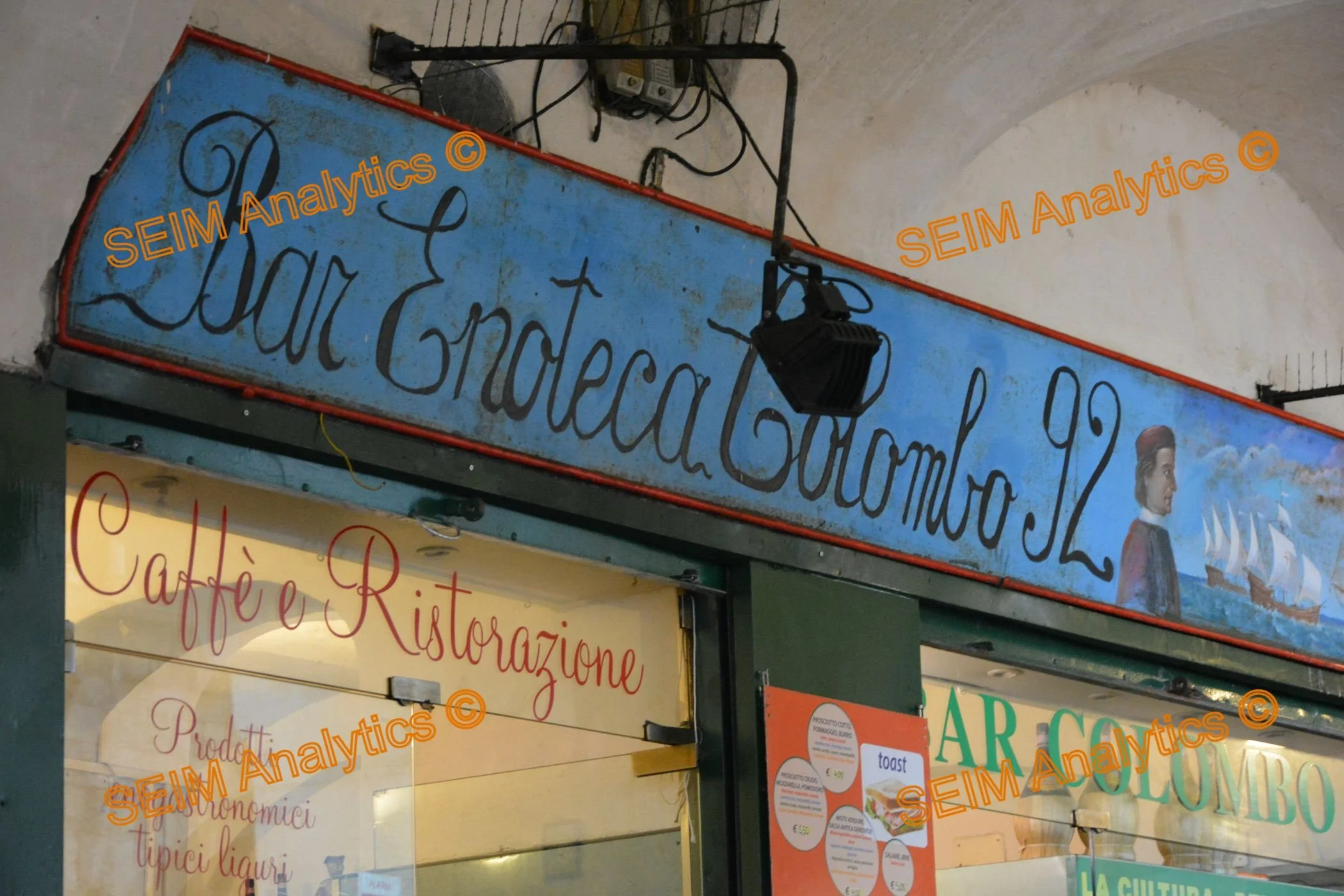
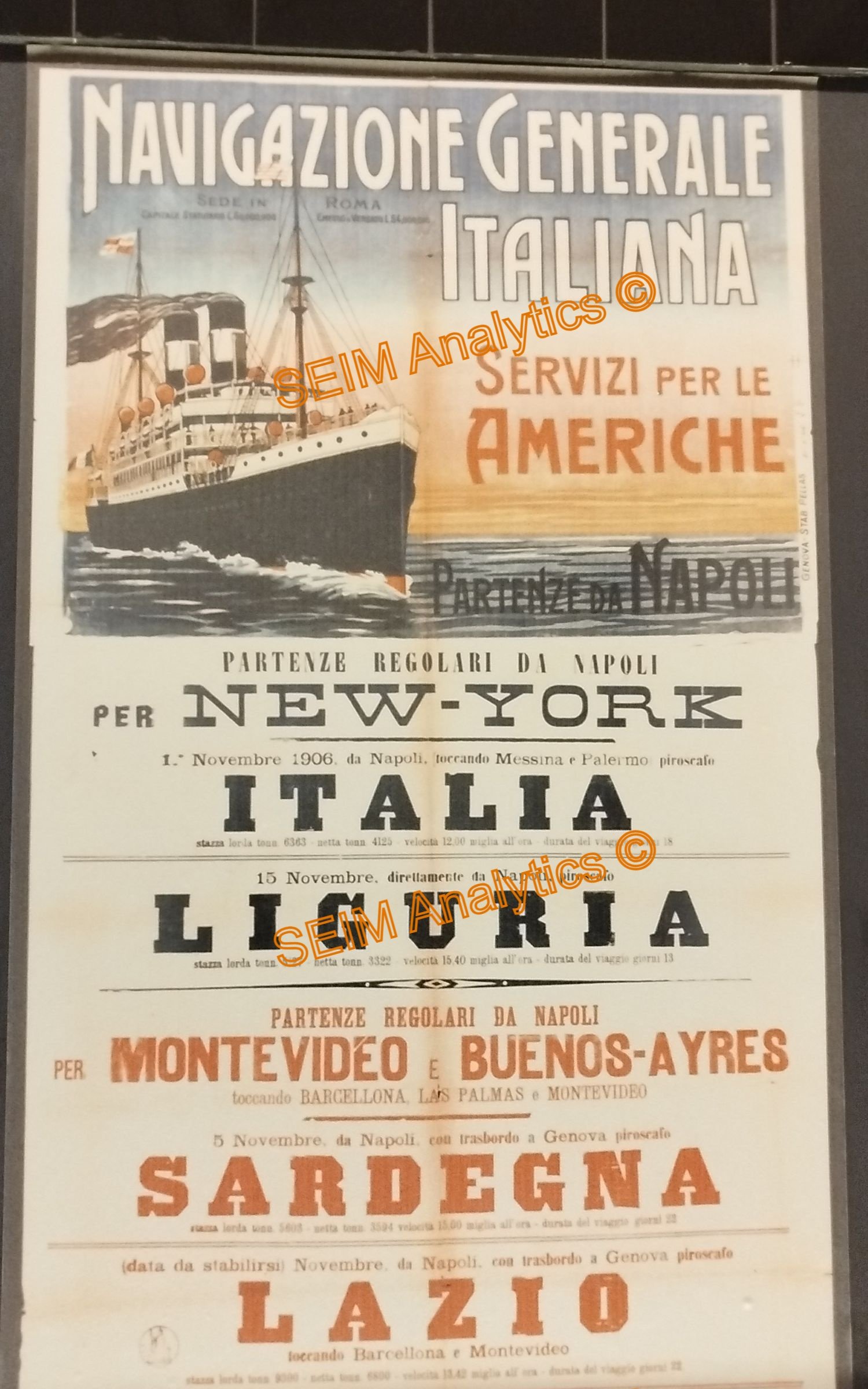
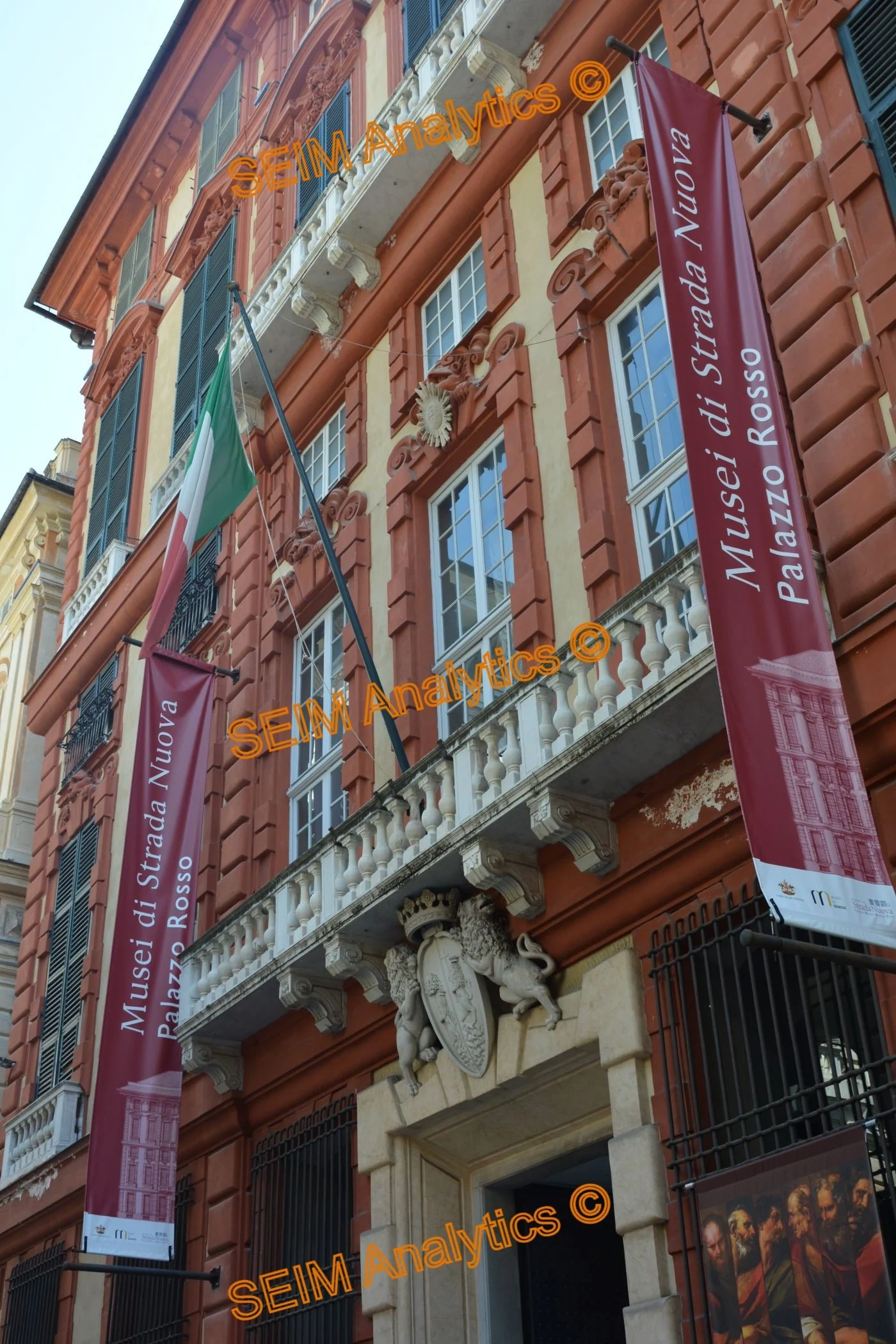
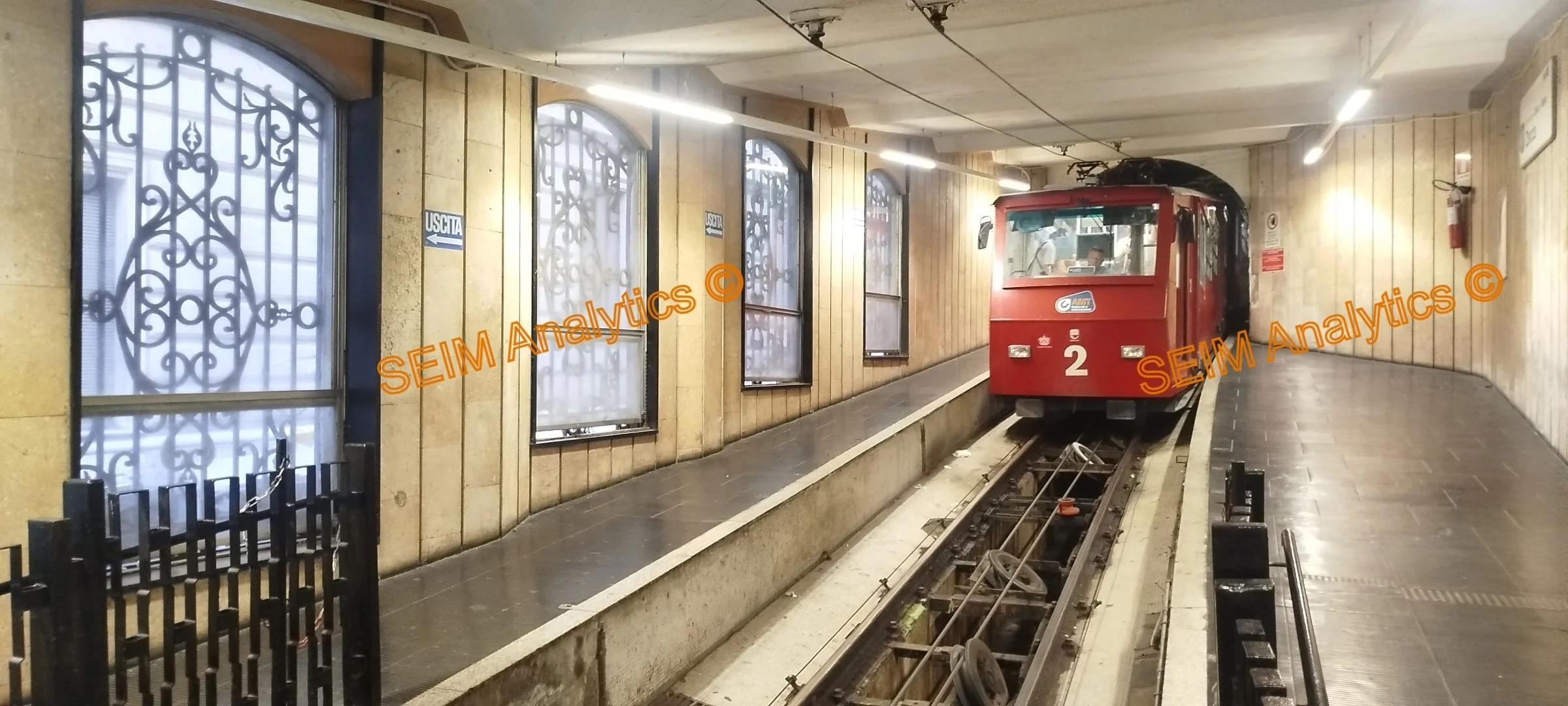
The small streets in Genoa old town called caruggi ('alleys') can give associations to Napoli. Some of them are frequented by prostitutes and youth from different corners of the world and might appear potentially intimidating to some visitors. In the dark hours, therefore stay to the more frequented streets in Genoa historic oldtown. The harbour side, the Porto Antica waterfront, is indeed a fascinating mix of cafés, people, and shops.
From Genoa a short train ride eastwards leads to Camogli and Santa Margerita Ligure that opens up exploring the Portofino peninsula and hiking the Portofino Regional Park, for instance to 10th century San Fruttuoso abbey, which cannot be reached by car. Or one can simply remain in Santa Margerita, which offers town beaches, and many restaurants and nice town walk options. A closer beach alternative in Genoa, is Bogliasco and the small beach at Boccadasse, a former fisherman village.
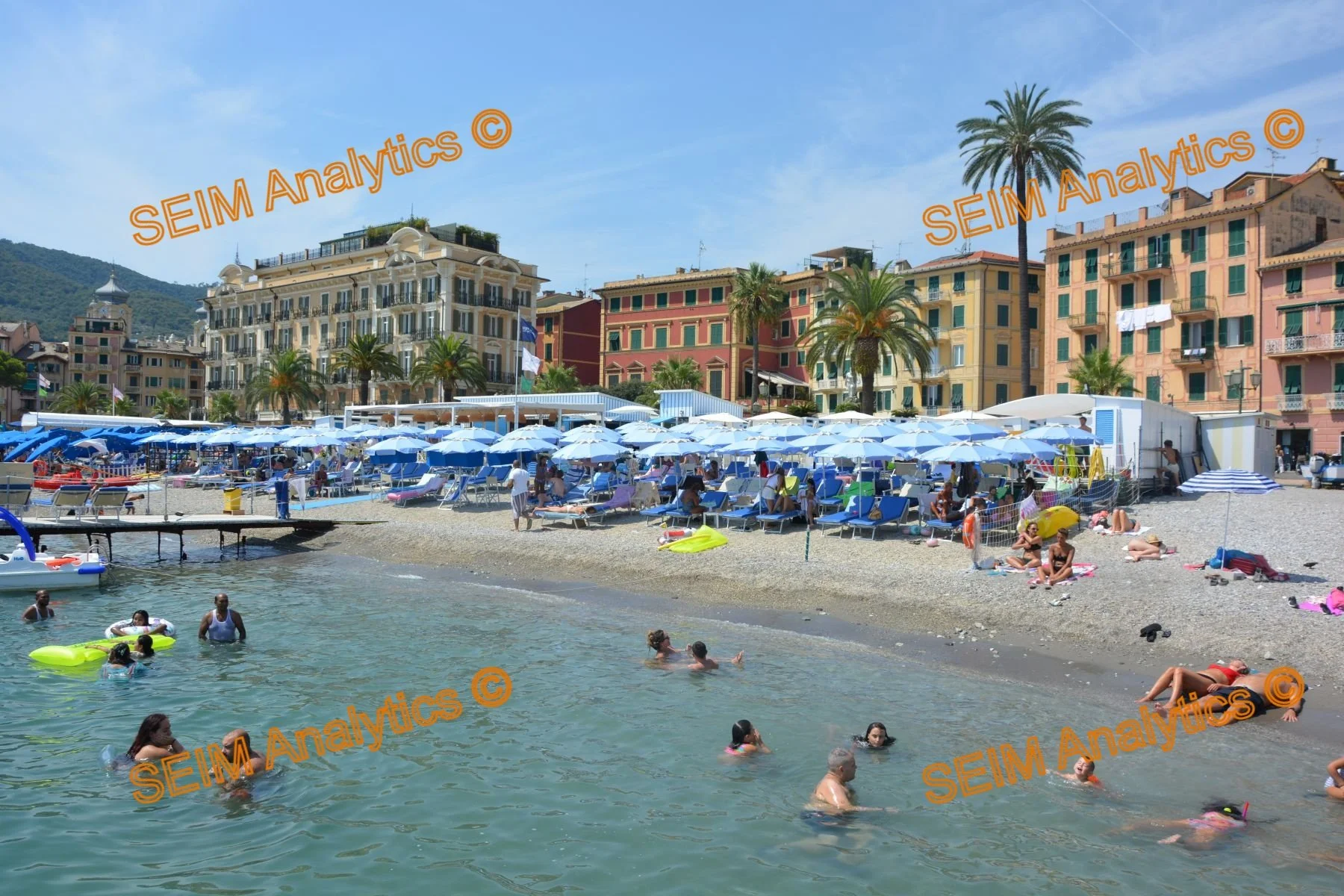
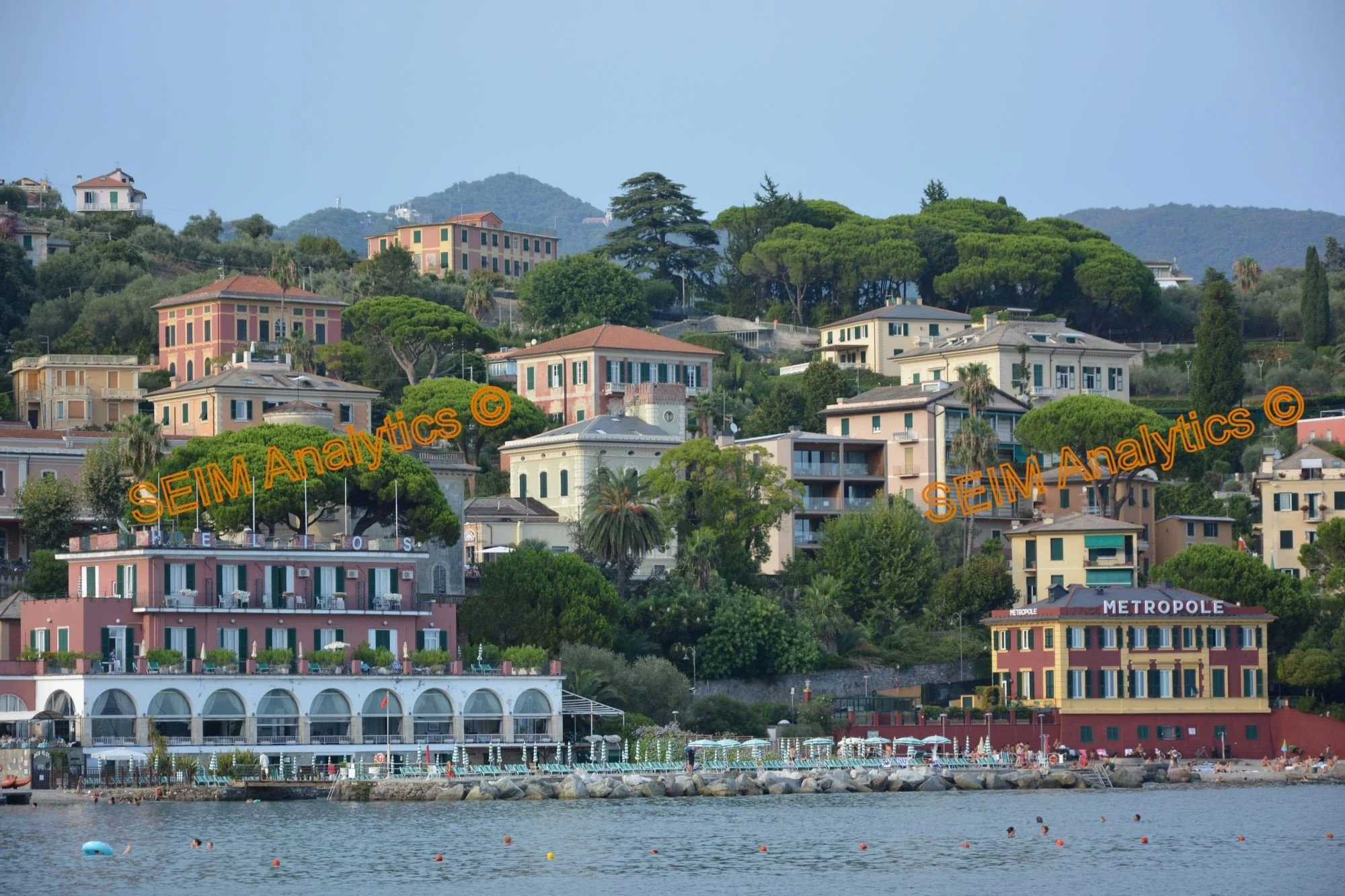
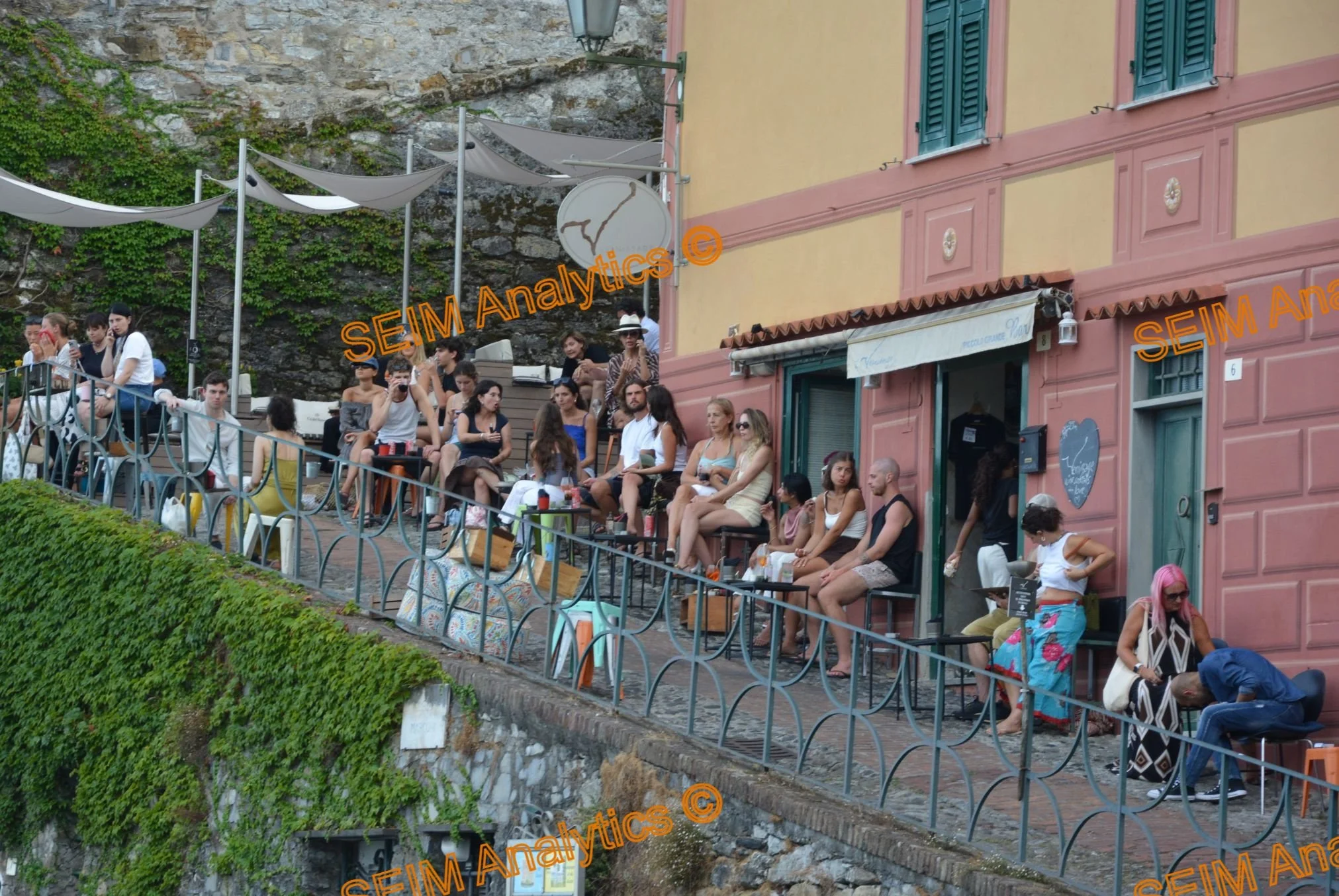
Challenges in Liguria: Although much positive can be said about Liguria, much of its farmland and coast has disappeared into concrete the latest decades as its coastline has been heavily urbanized. The region struggles to some degree with its economic development, although its ports are important. In fact, despite Italy's extensive Western coastline, Western Italy has relatively few satisfactory commercial ports. La Spezia and Genoa at the Ligurian Sea, and Livorno and Napoli by the Tyrrhenian Sea. Even its waters are not very rich for fishery, being enclosed and nutrient-poor, with its limited tidal range and relatively low biological productivity when comparing with the Atlantic. The historian Fernand Braudel in The Mediterranean and the Mediterranean World in the Age of Philip II discusses the sea, coasts, climate, resources, communications, and the constraints imposed by geography in the Mediterranean. Demography is another major challenge, as Liguria has one of Italy's oldest populations and very low birth rates.
Braudel and his broader idea that geography, climate, communications, resources, and the physical environment form a slow-moving framework within which societies, like the Mediterranean, operate was a key source of inspiration for Dr. Seim’s doctoral dissertation on the outbreak of the 1992 civil war in Bosnia.
Yet, essential Italy remains the Italy of the communes, as it was in the Middle Ages, with its Campanilismo - parochalism or municipal loyalty that always has been strong, as David Gilmour claims in his book The Pursuit of Italy (p.396-97). This is reflected in the described historical rivalry between towns like Pisa, Lucca, and Genoa, and in the more mundane forms these identity rivalries take on today.
Italy and Liguria photos: SEIM Analytics offers photos from these Ligurian towns, Cinque Terre, La Spezia, Genoa, but also from all over Italy, including the mentioned towns of Lucca, Livorno, Florence, Pisa, Venice, and Trieste. See Italy Photo Sale page for a full overview or Contact SEIM Analytics HERE!
Copyright SEIM Analytics ©