
From Bastia over Corte to Ajaccio - a Trip through Corsica’s History and Shifting Identities:
14 July 2026
FIELD REPORT of SEIM Sports and Travel :
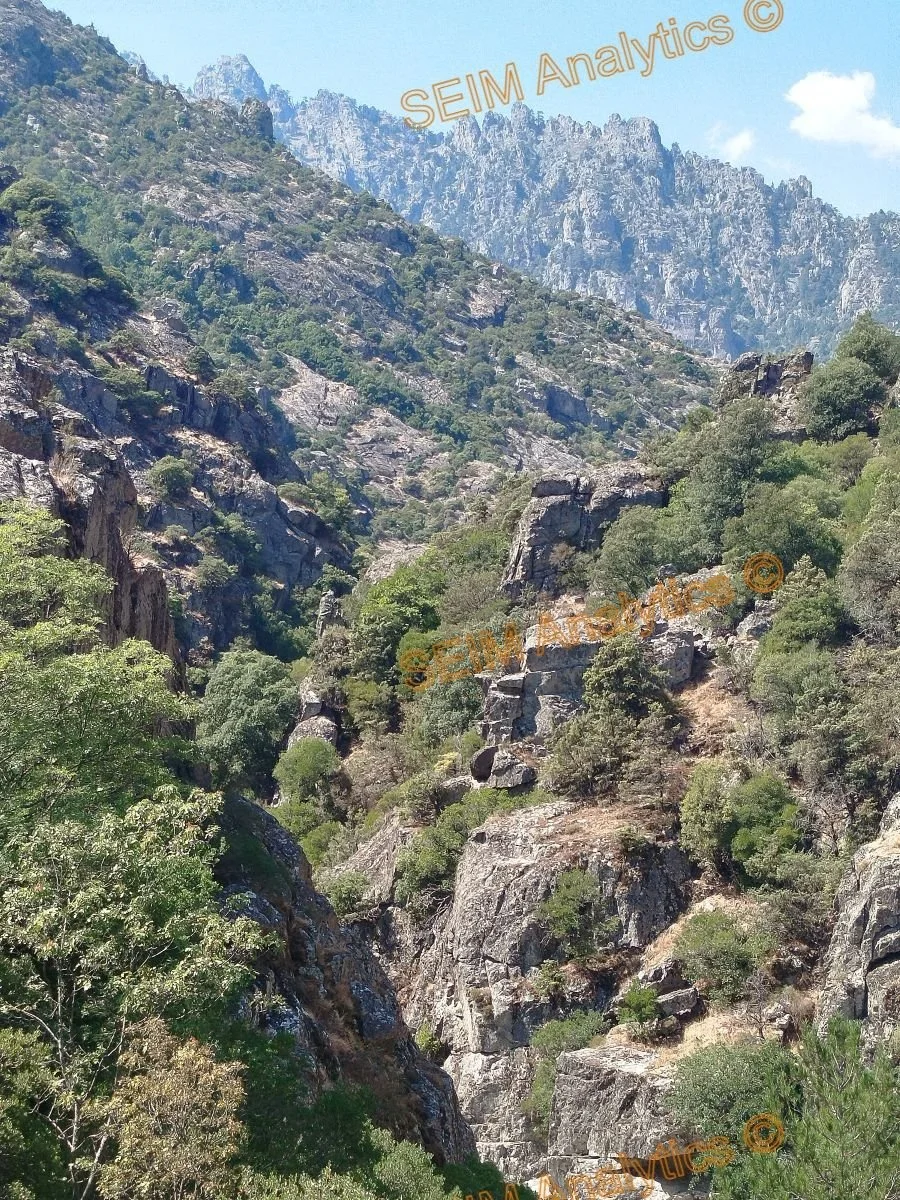
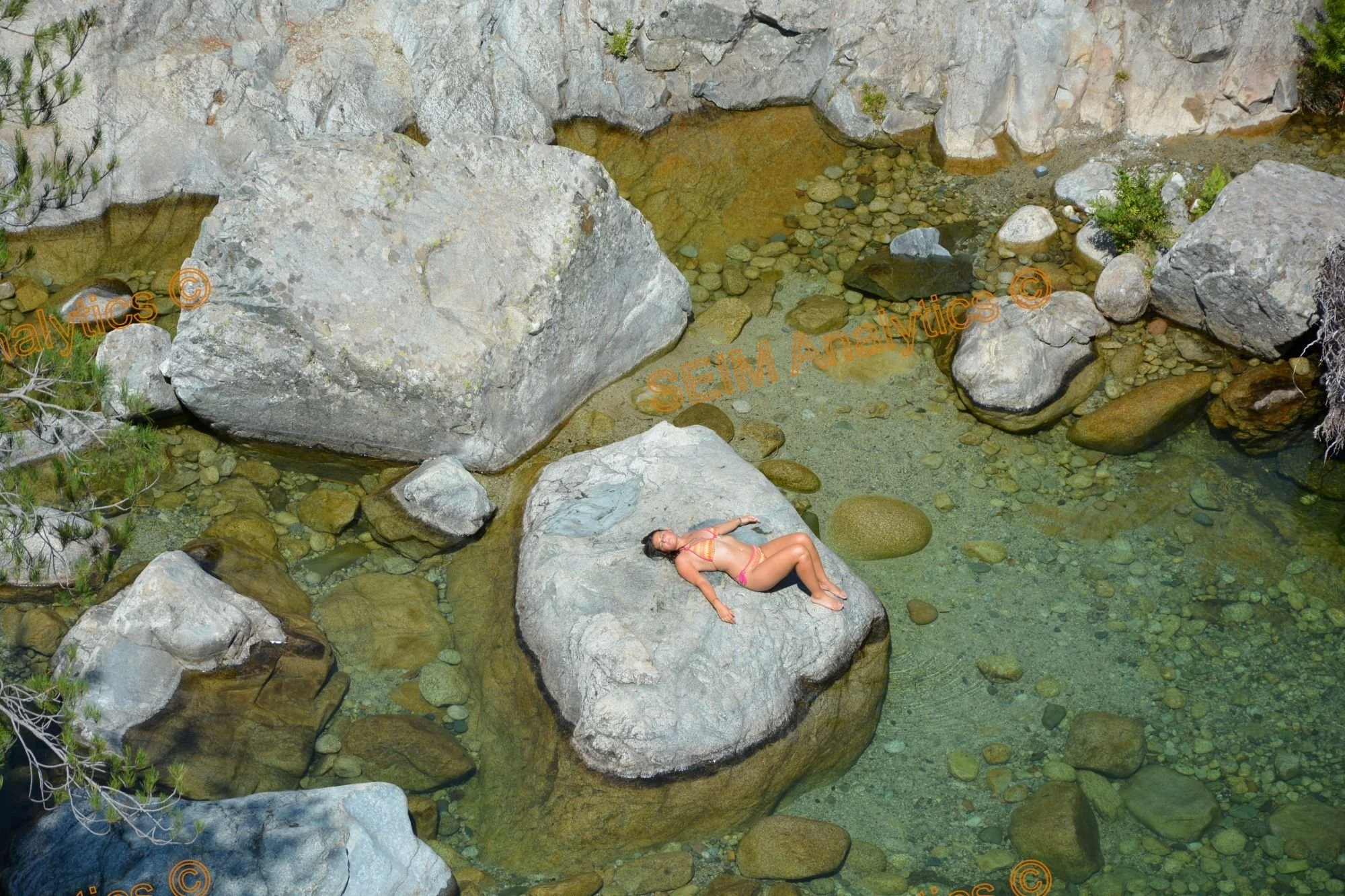
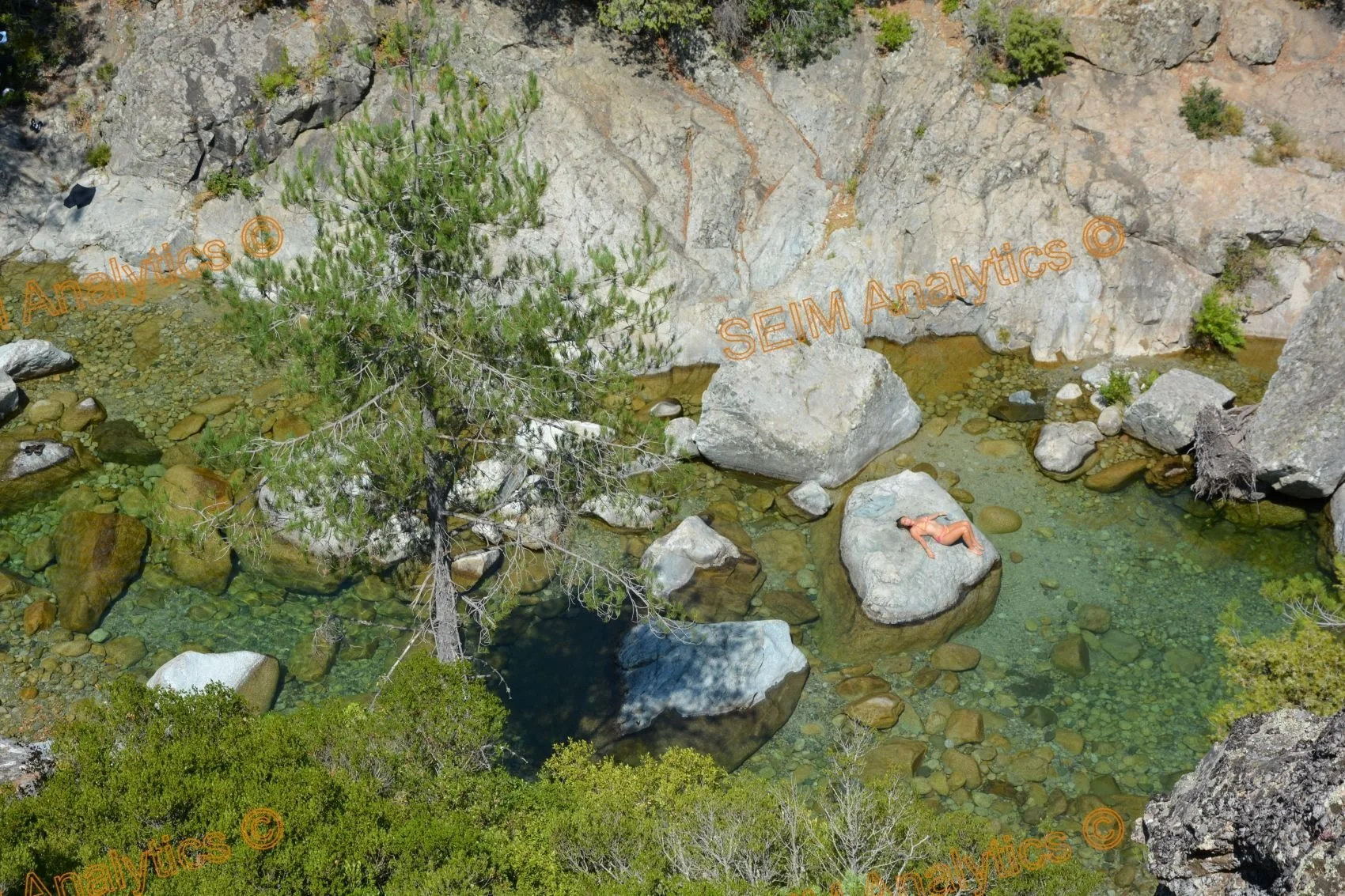
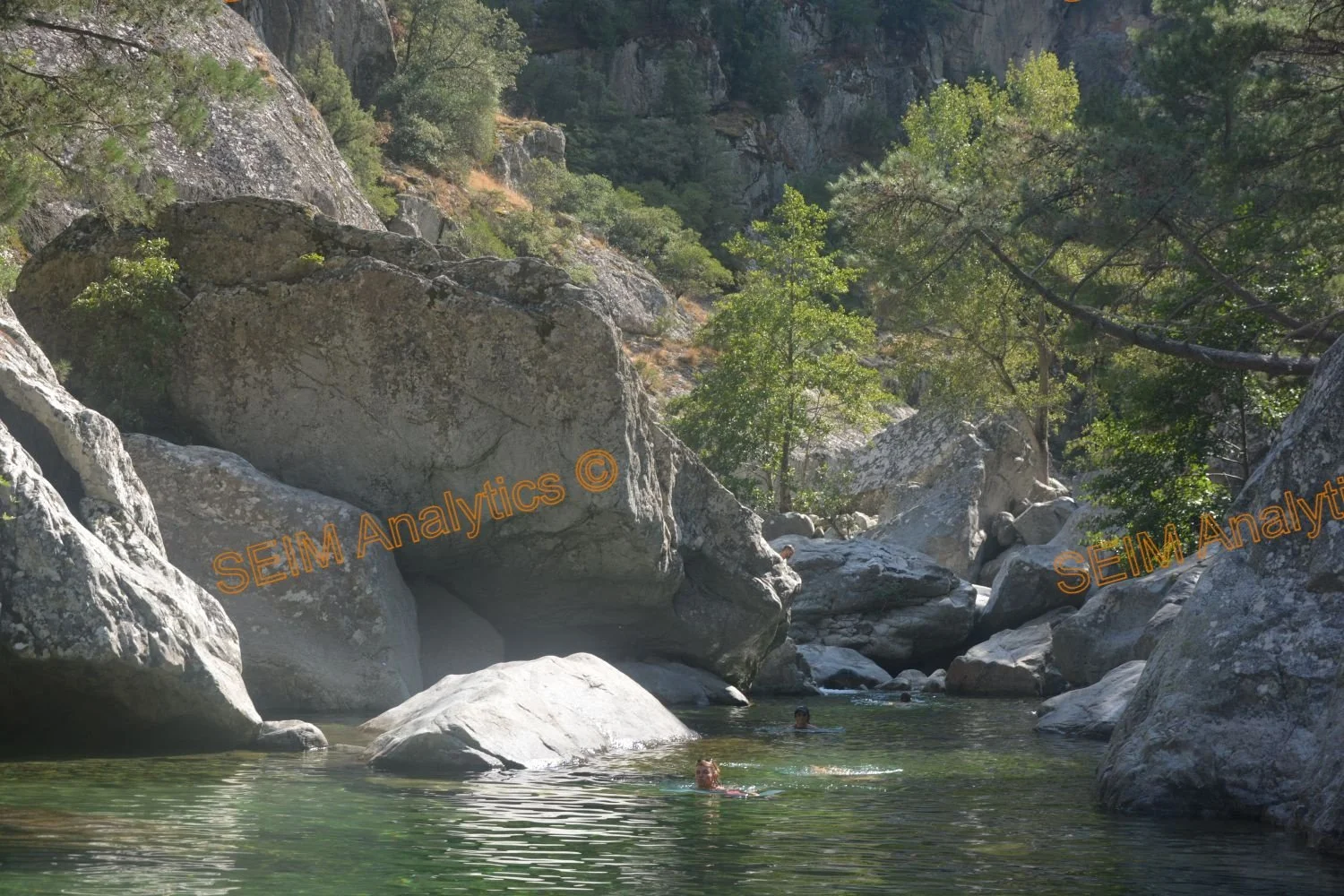
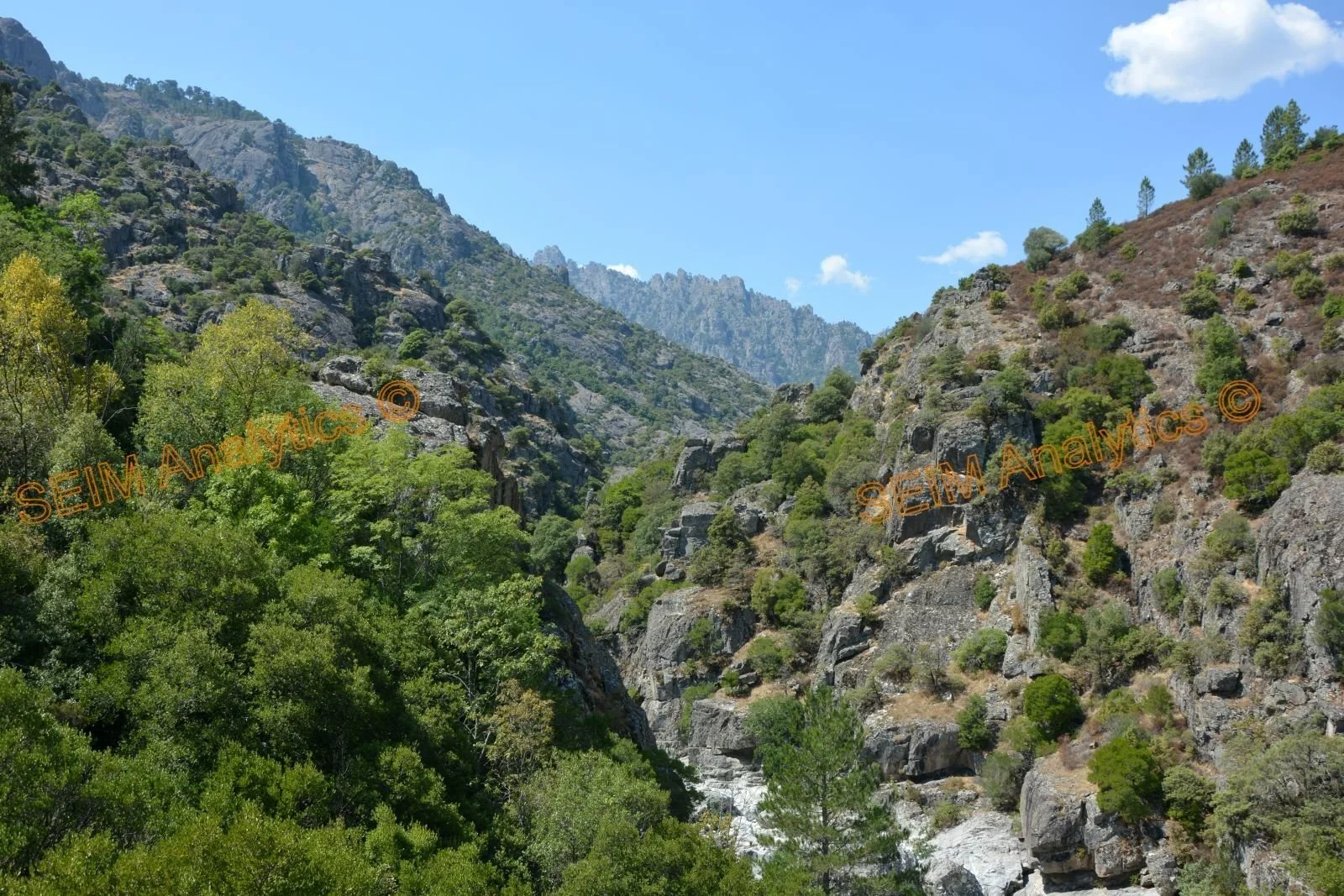
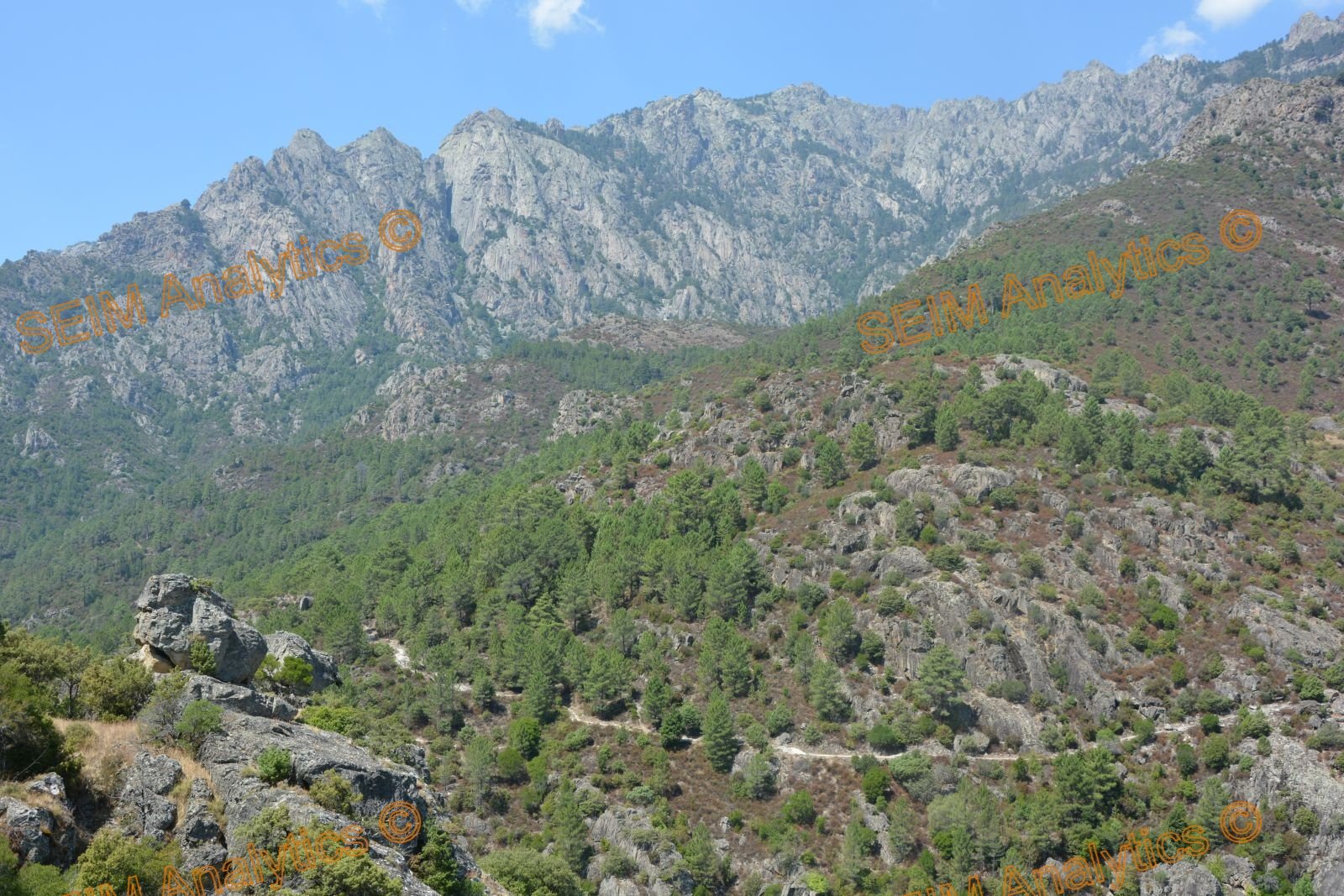
Tavignano Gorge by the Corsican town of Corte, a true hidden paradise -
SEIM Analytics is a consultancy that explores and researches Southeast and Eastern Europe. With this field report slightly outside its core geographical focus, the opportunity was seized upon to identify some of Corsica’s regional particularities, identity politics, and to inform readers about the island’s touristic potential and aspects of interest for fellow mountaineers.
SEIM Analytics brings this field report from Corsica and the gorgeous Tavignano gorge for FREE. Your donations to cover costs for this blog and this field trip are warmly welcome. Click to go to donation page!
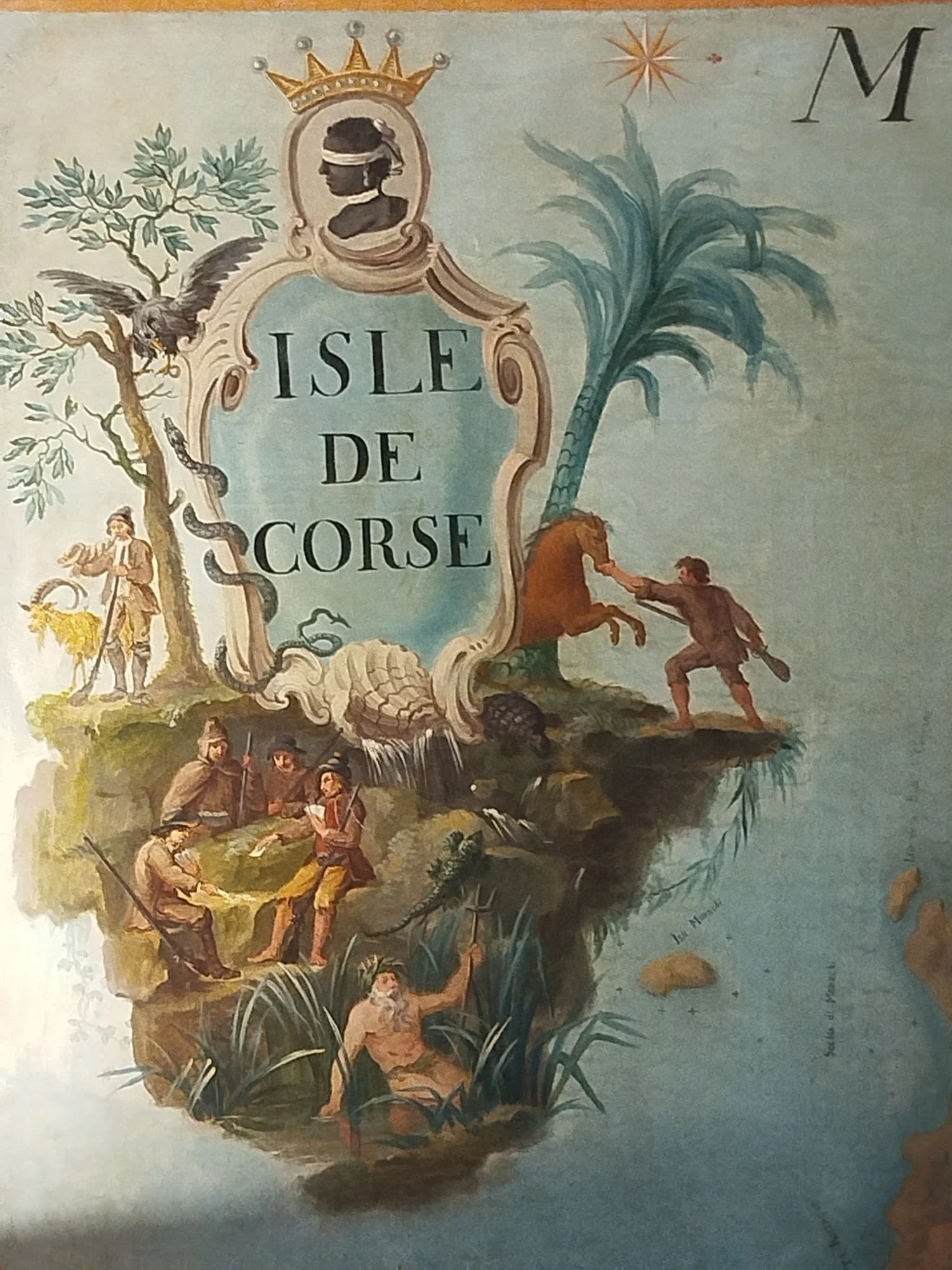
Photo: Credits to the Napoleon Museum exhibition, Ajaccio
A recommended way to get to know Corsica in one week is a multi-town journey that includes:
1. The more French-aligned town Ajaccio in the southwest.
2. The scenic (2-hour) train trip to Corte for cultural tourism and mountain hiking.
3. The same train to Bastia (also up to two hours) where there are good ferry connections to Livorno and Genoa in Italy.
Corte is a historic town in the mountains of central Corsica known for its strong Corsican identity. Its narrow streets are overlooked by its citadel (built in the 15th century). The statue of Pascal Paoli who in 1755 proclaimed the Corsican republic with Corte as capital is occupying the most prominent square, and the university close to the train station is named after him. The Corsican republic had its own parliament, currency, and one of the first democratic constitutions in Europe. The Musée de la Corse (Corsica Museum) inside the citadel, has exhibitions about Corsican history, culture, traditions, and identity quests, and it also covers the political struggles of the island. It shows how Corsica went from being an island for the intellectual elite and artists, to become a major tourist destination from the 1950s.
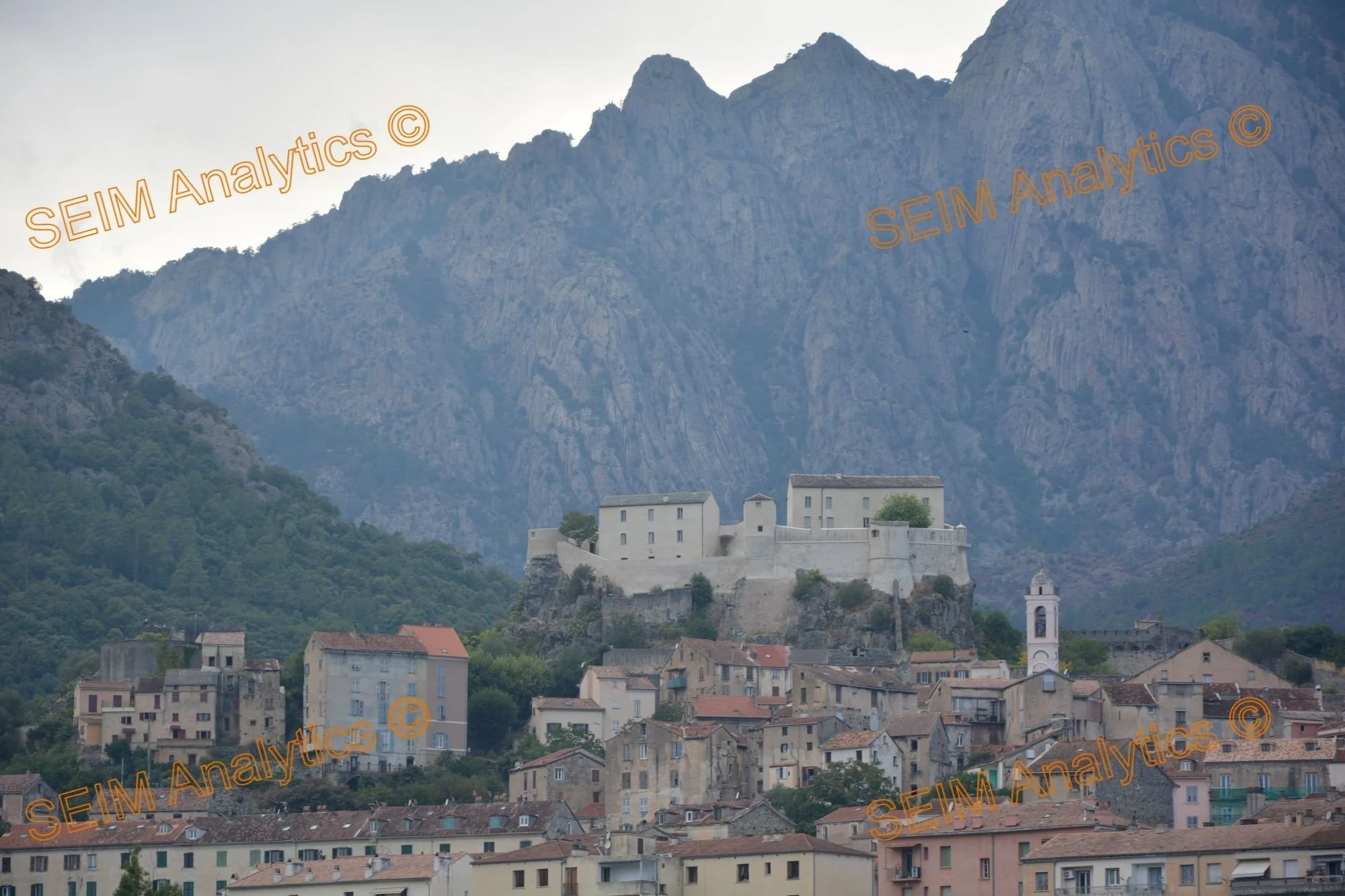
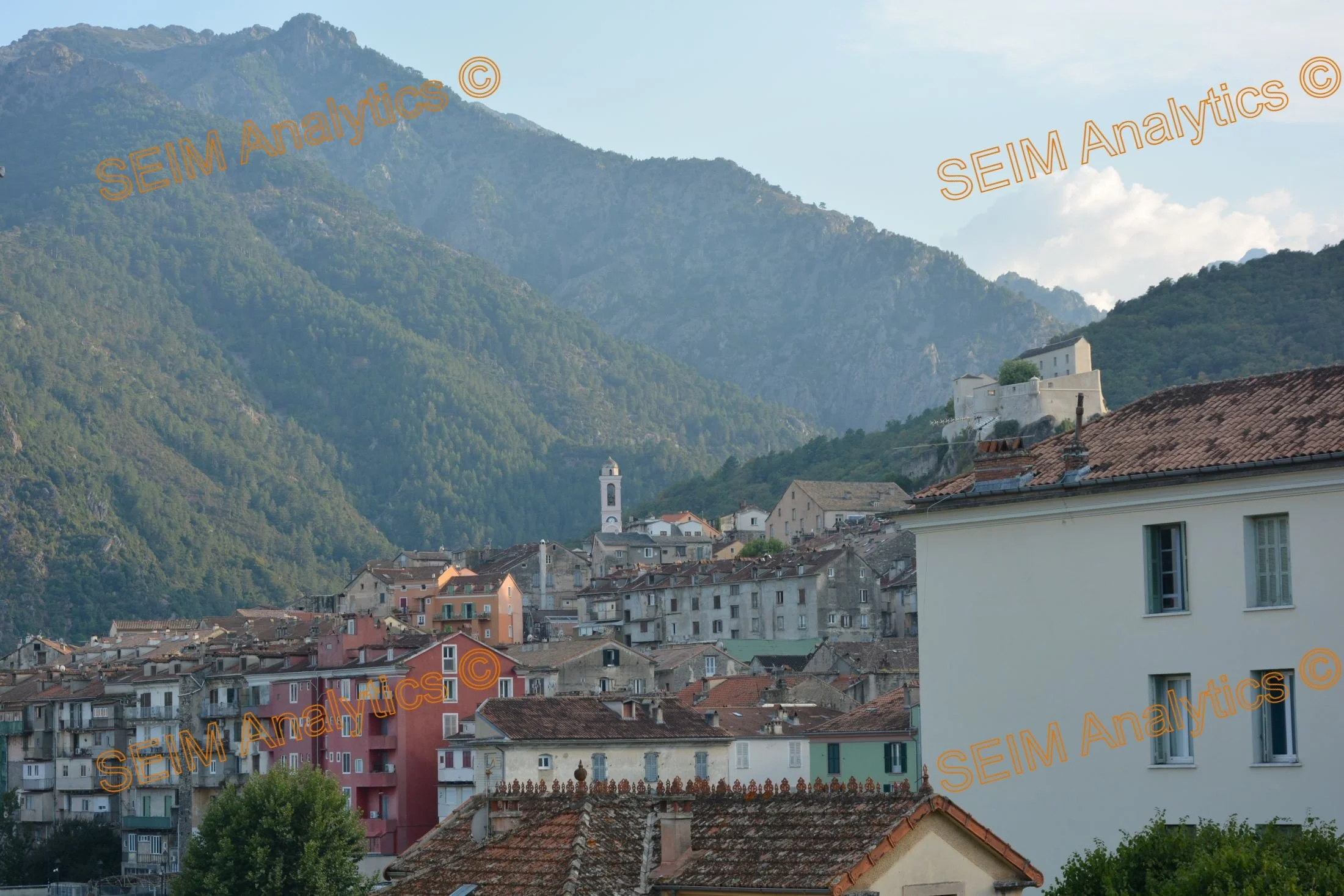
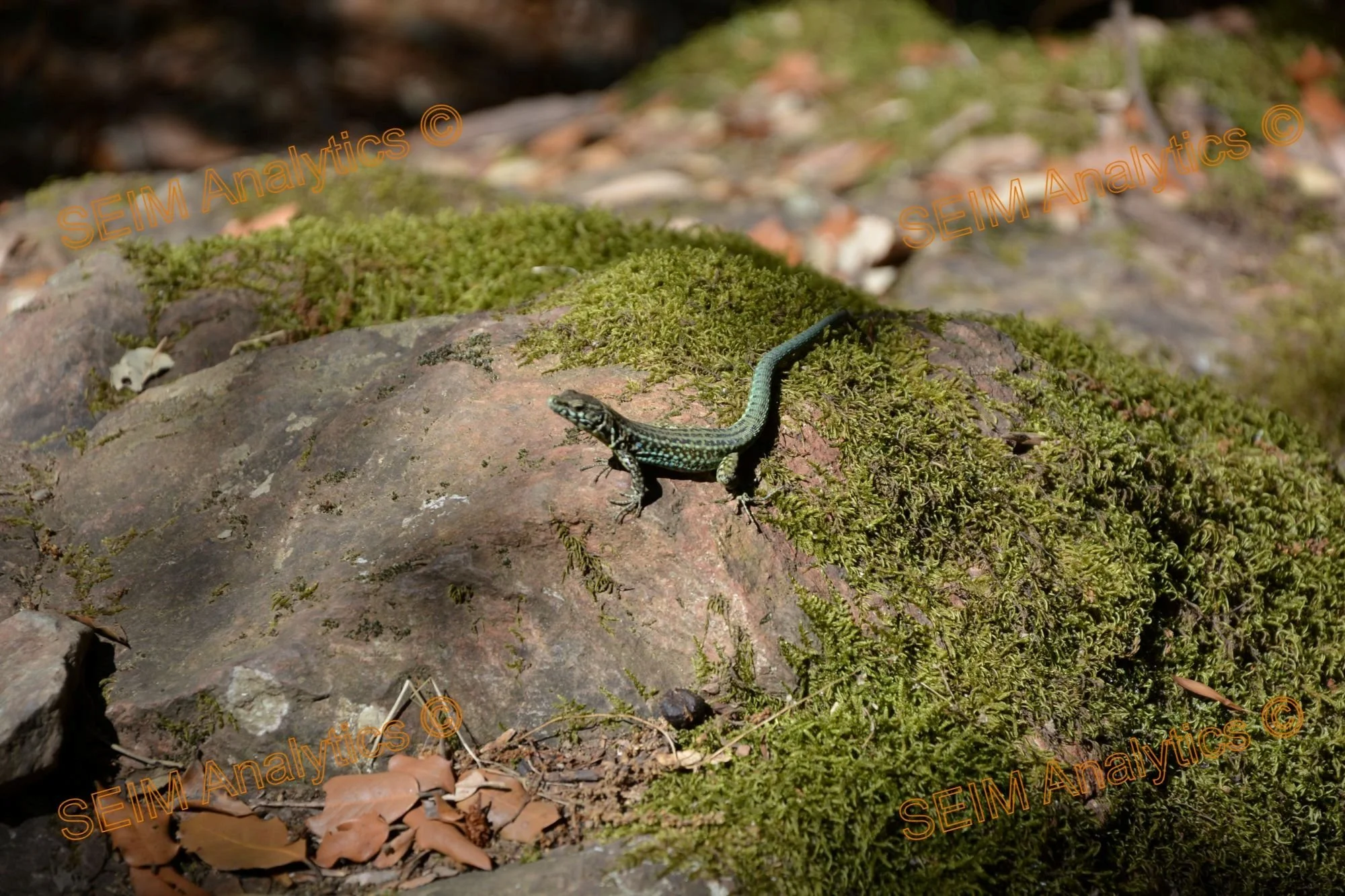
While stopping in Corte two magnificent hiking routes are possible. The Corsican interior, unlike neighbouring island of Sardinia, has magnificent mountains and valleys, with peaks up to 2,700 m. While Restonica Valley is the most common route for hiking, SEIM Analytics would recommend the less known and less frequented Tavignano Gorge, a true hidden paradise. This majestic valley is easily accessible from the gates of Corte oldtown, and hiking routes can be adjusted to needs, stamina, and motivation. It is also perfectly forgivable on a hot summer day to discontinue a planned longer hike, for hours of swimming in crystal-clear Tavignano river and natural pools, only 30-60 minutes from Corte, where one can dive and swim between the rocks and caves at paradisical spots. One can also continue to the Russulinu bridge and refreshing natural pool there. Although the scenic but narrow and sometimes challenging Restonica Valley also has natural pools and alpine lakes (the Melu and Capitellu at 1,700–1,900 m.), it is more crowded in the summer. The Tavignano Gorge has a quieter forested trail that follows the old mule track into the gorge and is less demanding than parts of the Restonica trail. Both have beautiful pine tree forests, and clear mountain streams.
The higher peaks of Corsica can be accessed via the GR20, a demanding but scenic long-distance route that crosses Corsica from north to south.
Thus, a Corsica vacation by the sea, can be perfectly combined with two days of hiking in the interior. Experiencing Corte gives a deeper perspective on Corsica, its identity and history.
From Bastia over Corte to Ajaccio - a trip through Corsica’s history and shifting identities:
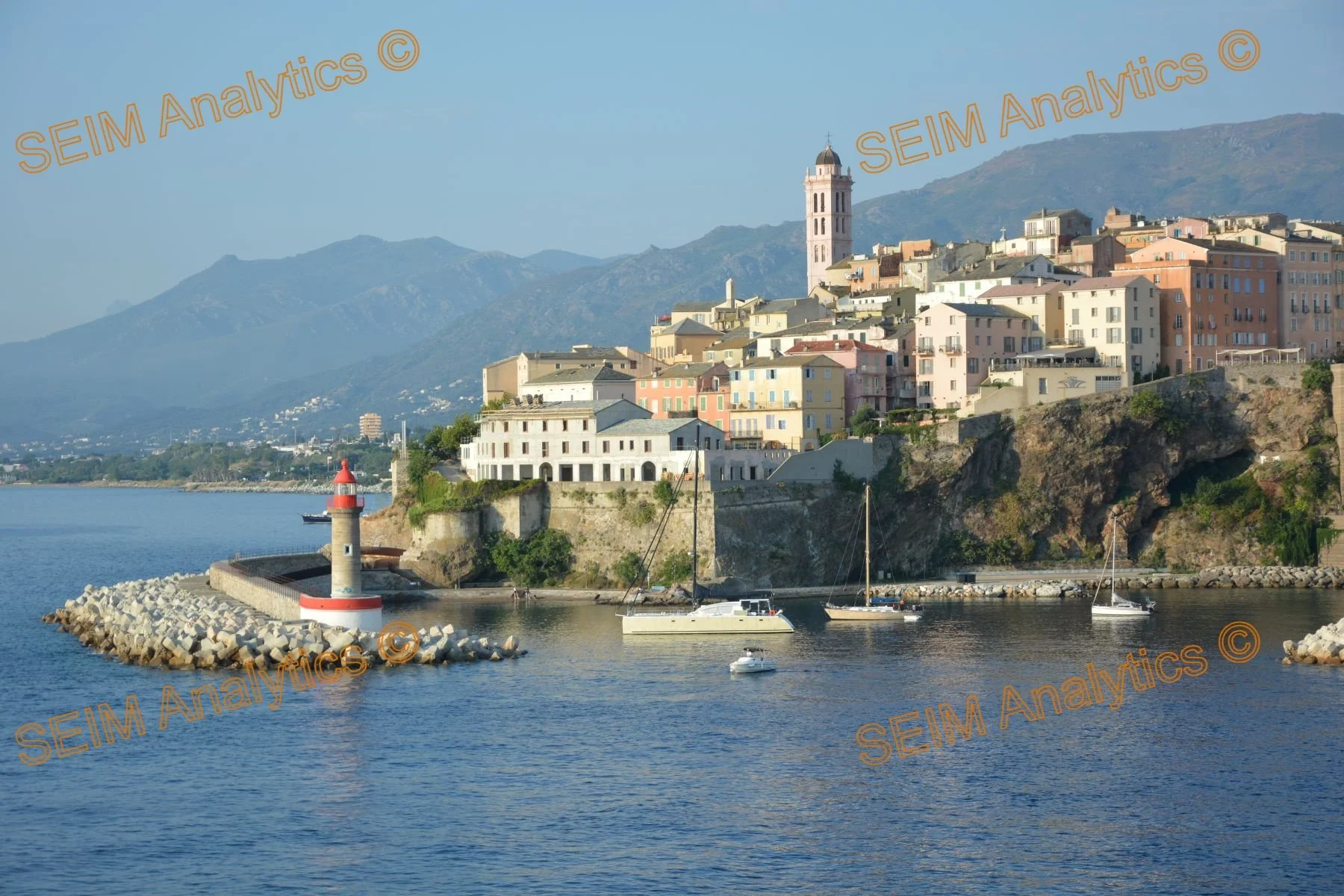
The town of Bastia in the northeast is more related to Italy (historically to Genoa). It was once under Pisa until its defeat in 1284 to the Genovese navy at the battle of Meloria. Genoa founded colonies like Calvi and the bastia (fort) that became the future town of Bastia and Genovese settlers moved to Corsica. After a period under Aragon from 1297, Corsica was under Genoa until 1768 when the rotten finances of the Genovese republic forced it to sell Corsica to France. So apart from Corte, a perfect explorative week of Corsica could also include:
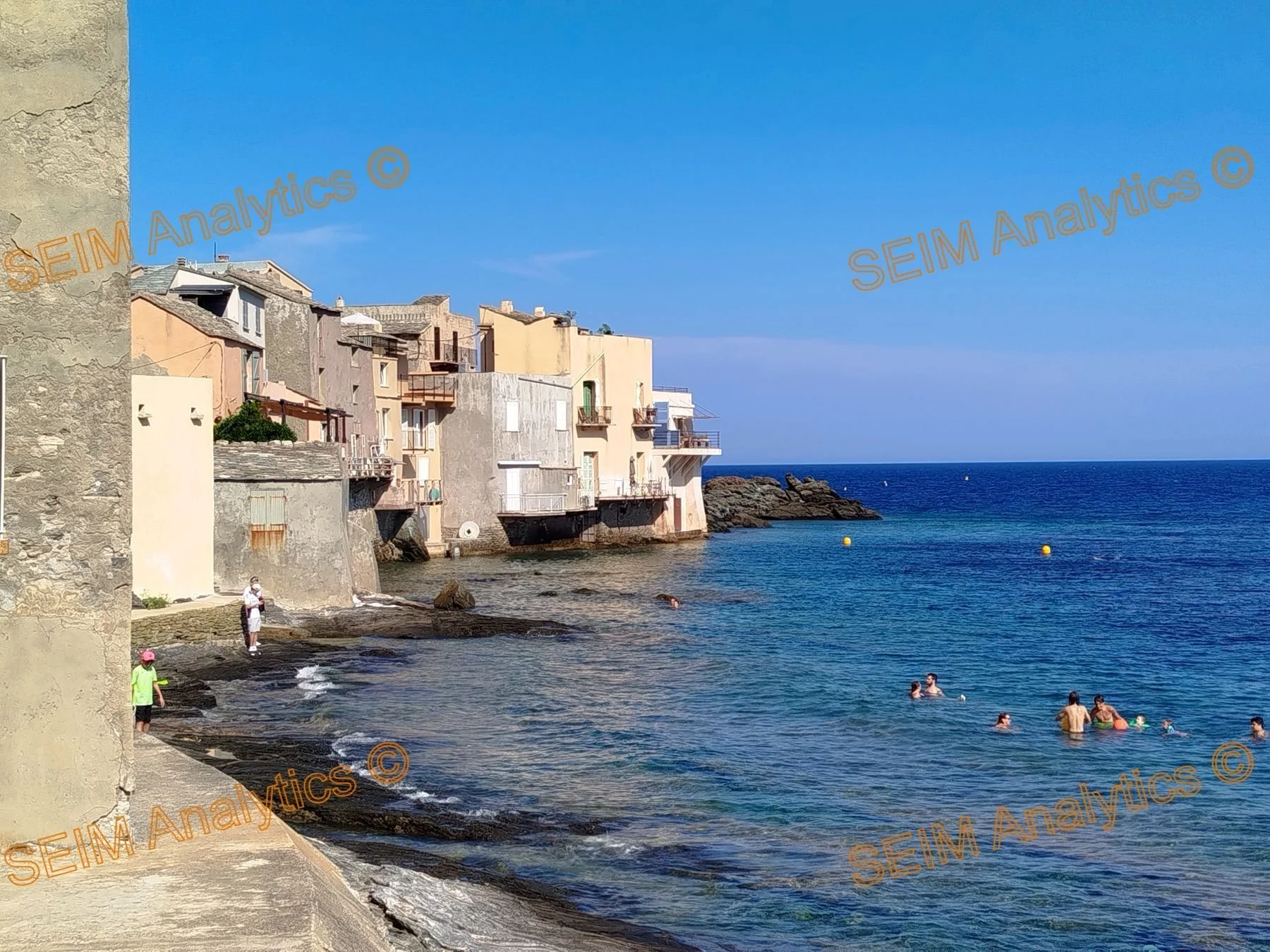
Bastia City Museum and the Bastia Cittadella tell the history of Corsica in an informative way. A day trip northwards with bus line C leads to nice smaller beaches at Grisgione, Miomo, and Lavasina and the fisherman village Erbalonga. The lagune Biguglia by the airport in the South is also an option. A flamingo colony inhabits these shallow waters.
Photos below: Bastia town and the fisherman’s village Erbalonga 40 min north of Bastia.
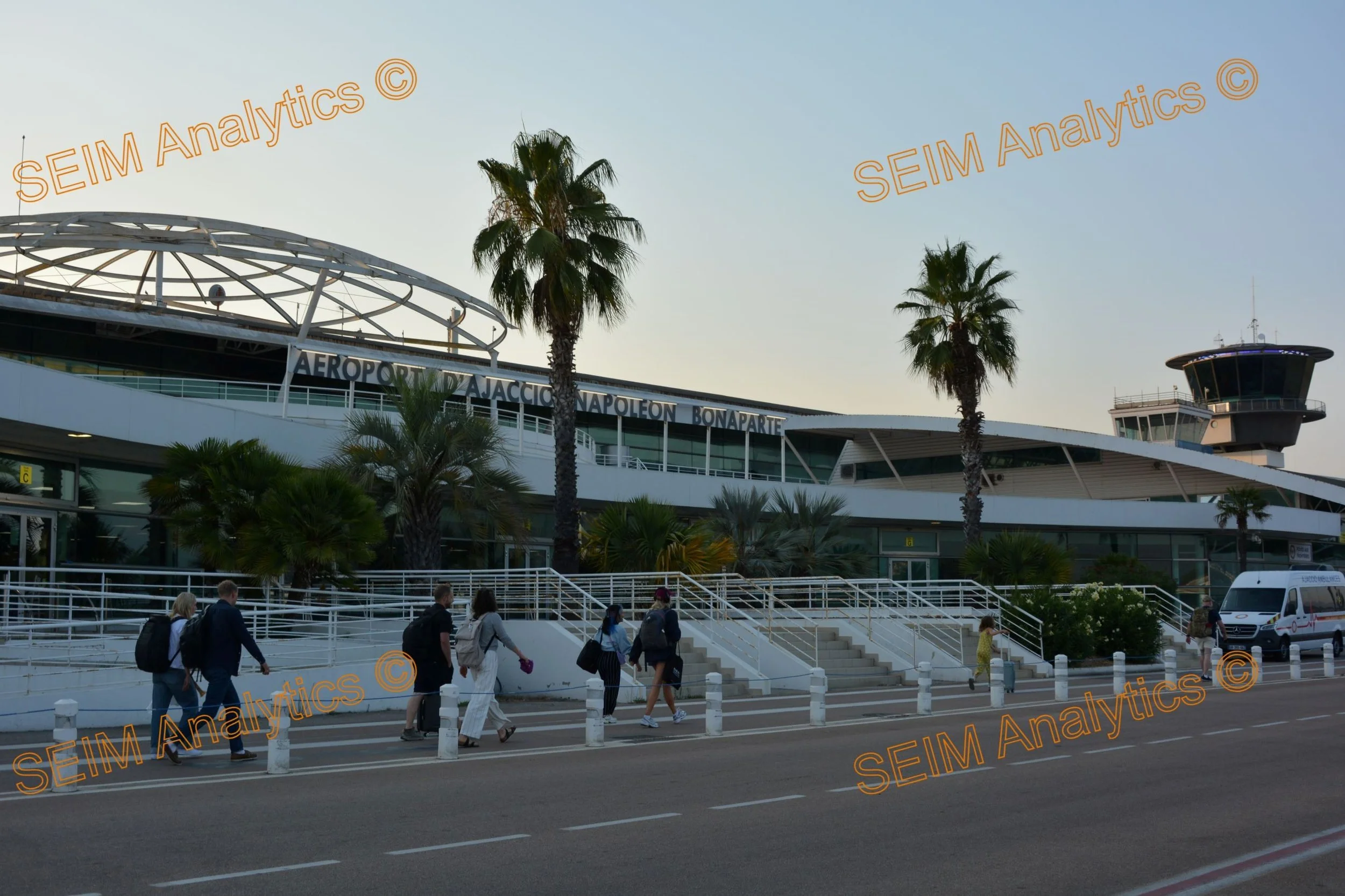
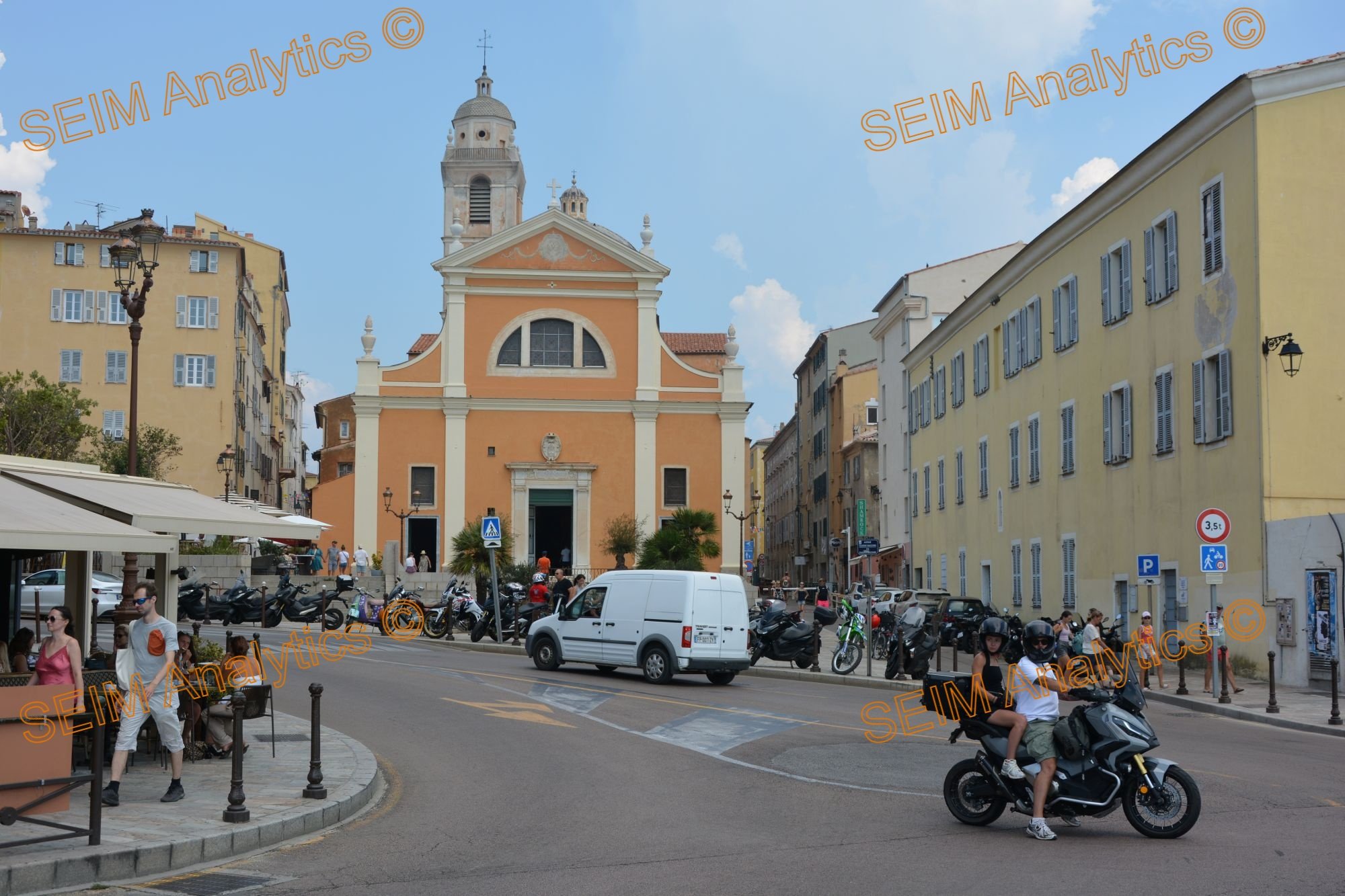
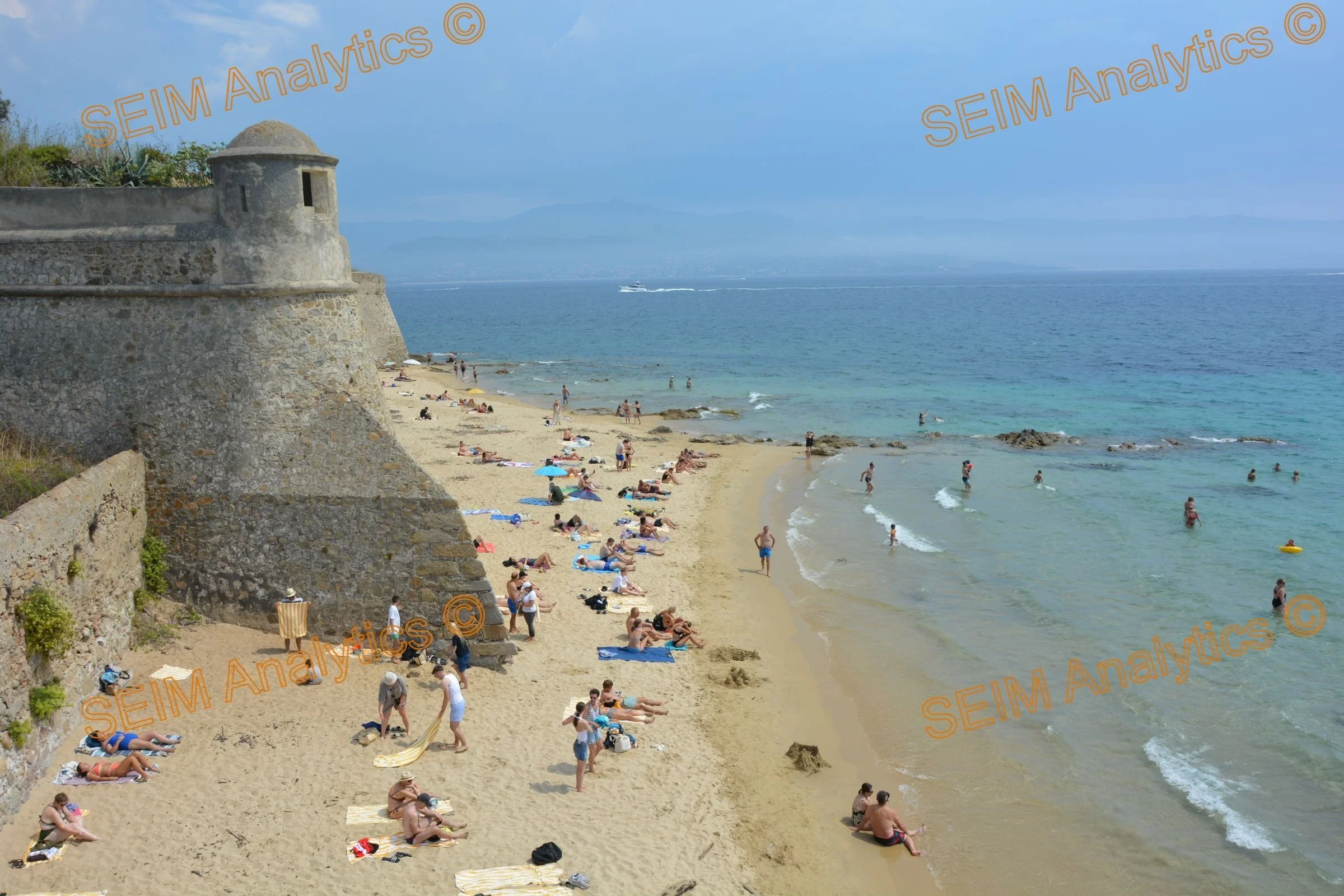
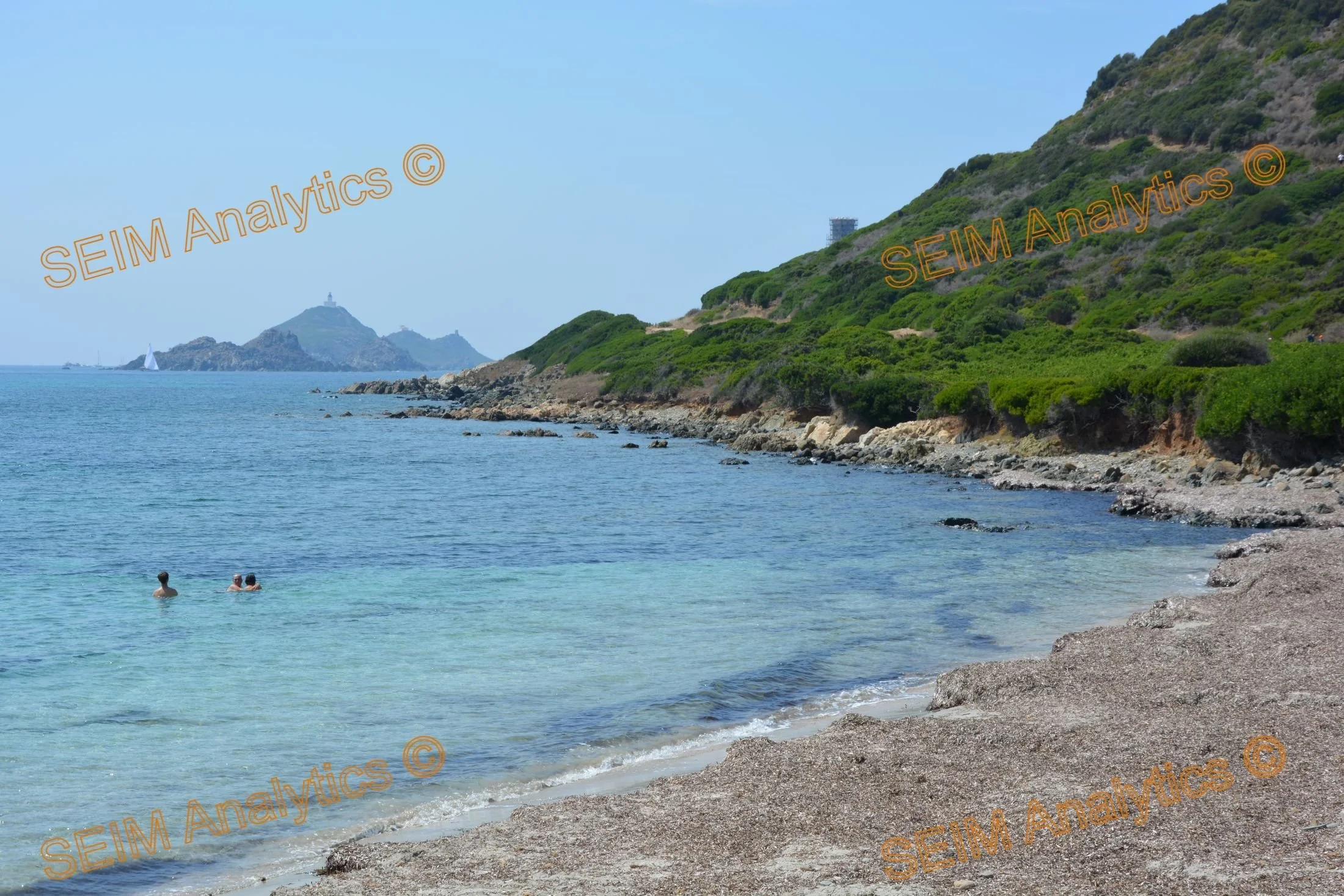
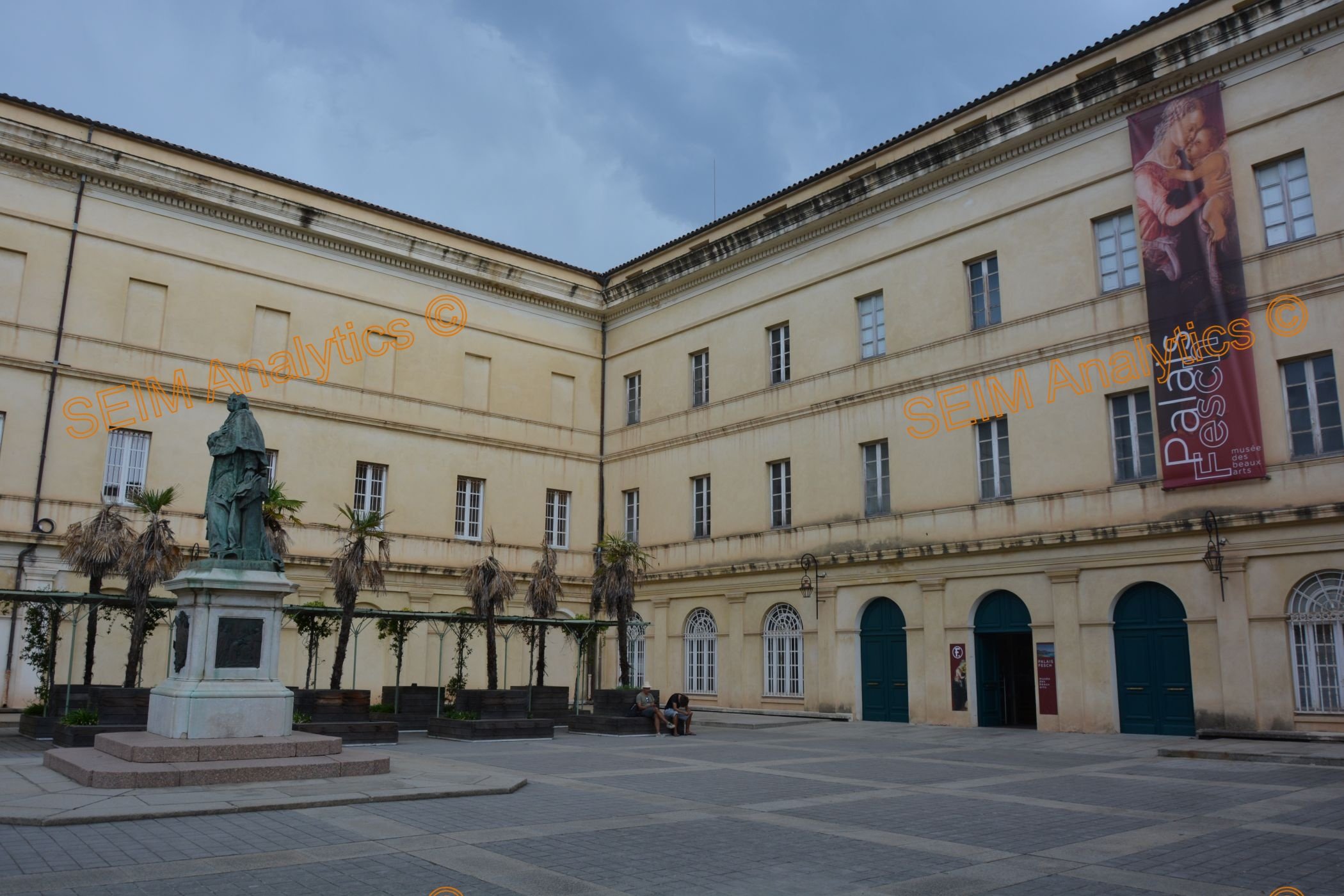
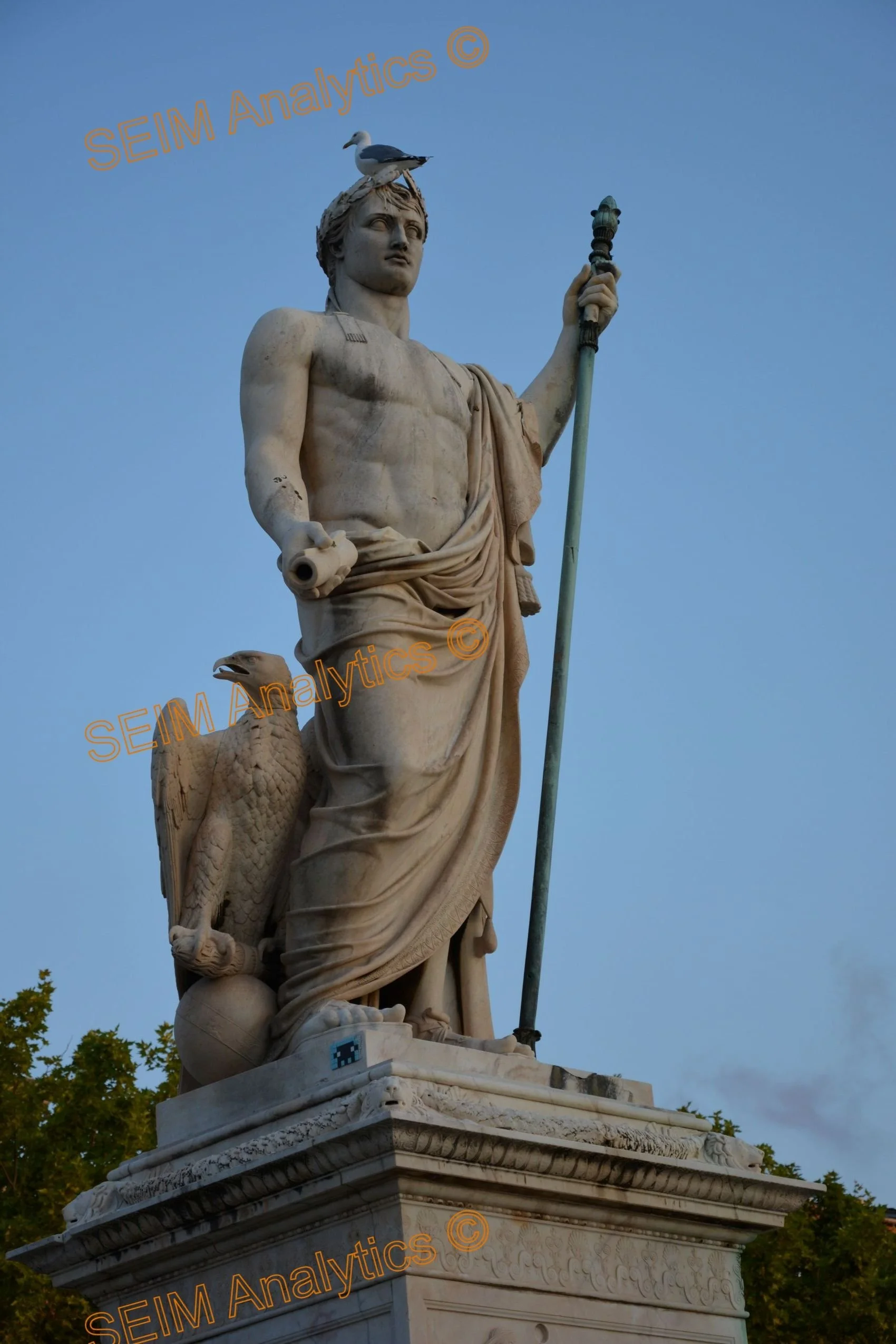
Ajaccio: Ajaccio was the birthplace of Napoleon Bonaparte (1769) one year after Genoa ceded Corsica to France, which was followed by a Corsican rebellion against France under Pascal Paoli. Under France, Ajaccio became the political capital of Corsica (1811). In Ajaccio, one can visit Napoleon’s family’s home, a popular museum today. Moreover, Museum Palais Fesh is a popular destination with its rich collection of Italian renaissance art and baroque paintings. Otherwise, recommended is the bus line 5 to Iles Sanguinaires nature reserve, and the beaches along the way, like Macumba.
Also, Bonifacio in the south of Corsica is a popular destination, and the red wines of Porto-Vecchio are recommended. With car even more opportunities open up on this island which is a great mix of culture, history, and natural beauty.
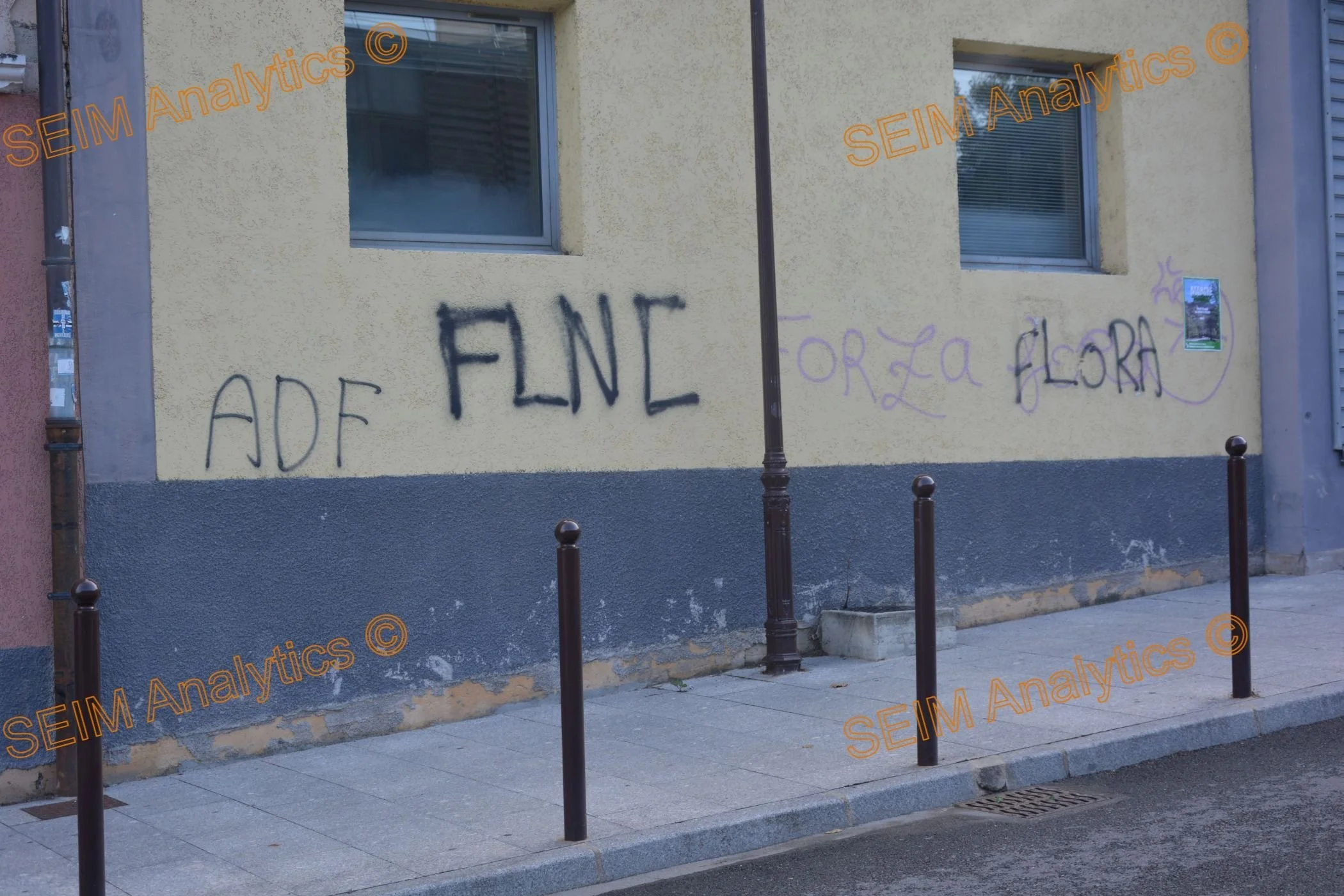
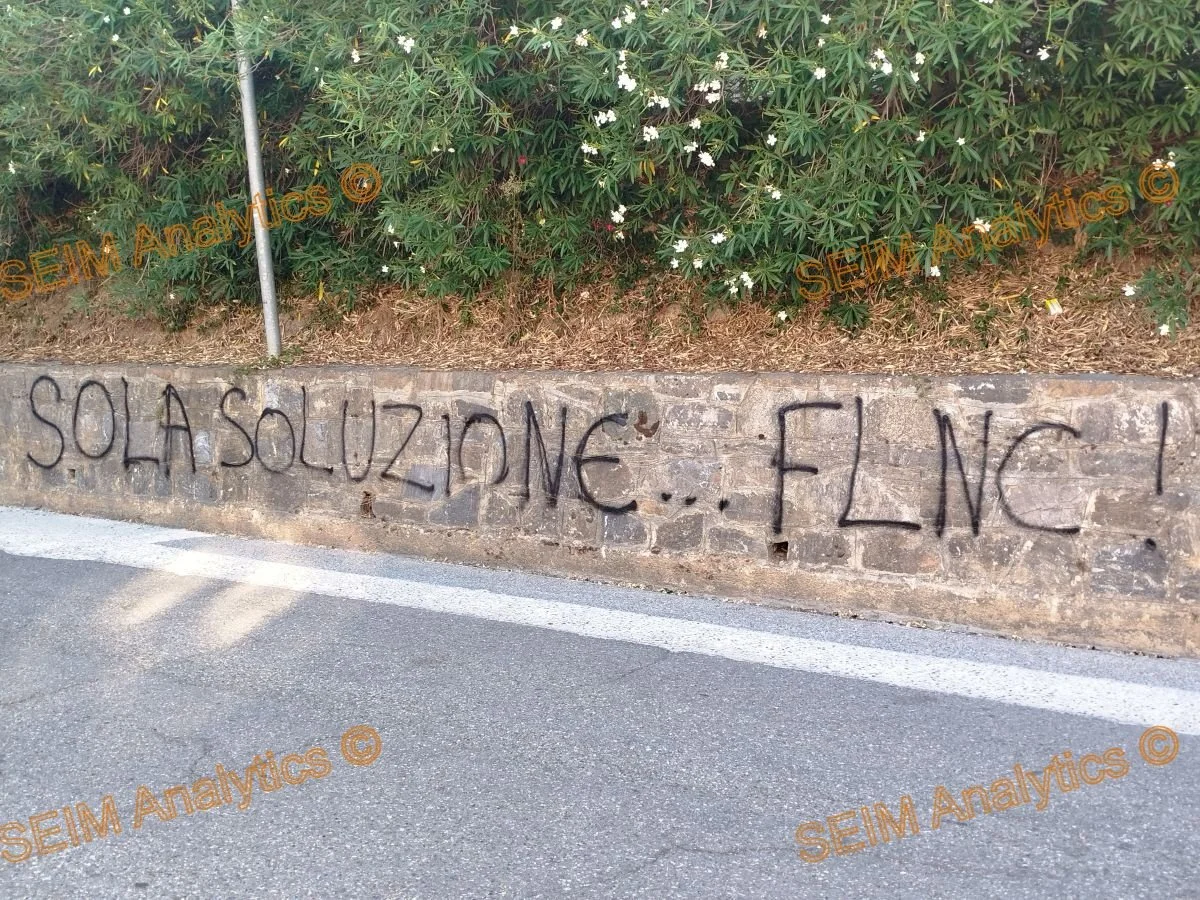
From 1976 the independence movement FLNC (Front de Libération Nationale Corse) was active for some decades and was responsible for some bombings, assassinations, and attacks on government buildings. It unilaterally stopped all activities in 2014 and declared a complete ceasefire. FLNC graffiti can be seen at many places in Corsica, including at the walls below the citadel of Corte (see photo). Corsican nationalism continues politically through parties like Pè a Corsica.
As a researcher of political separatism and independence movements, with rich experience from research and work in Yugoslavia (Bosnia, Republika Srpska, RSK/Croatia, Kosovo-Metohija, Donetsk/Donbass, Moldova/Transnistria, Georgia/Abkhazia & South Ossetia, Armenia/Aserbaijan & Nagorno-Karabakh, Sri Lanka/Tamil Eelam, and perpetual civil wars in Myanmar) the past FLNC in Corsica has some interest for SEIM Analytics, but is also a different political and historical context than the other mentioned cases.
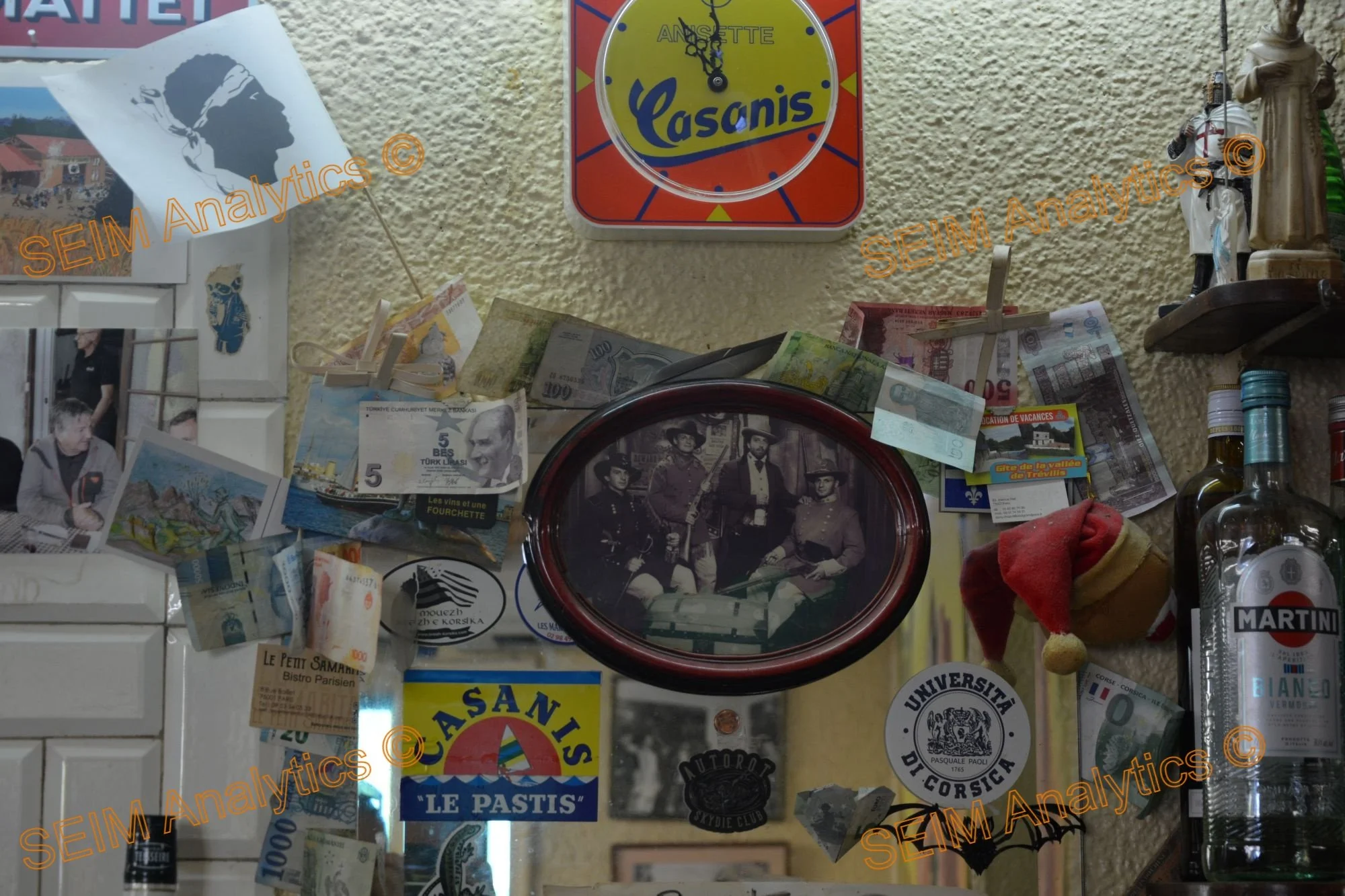
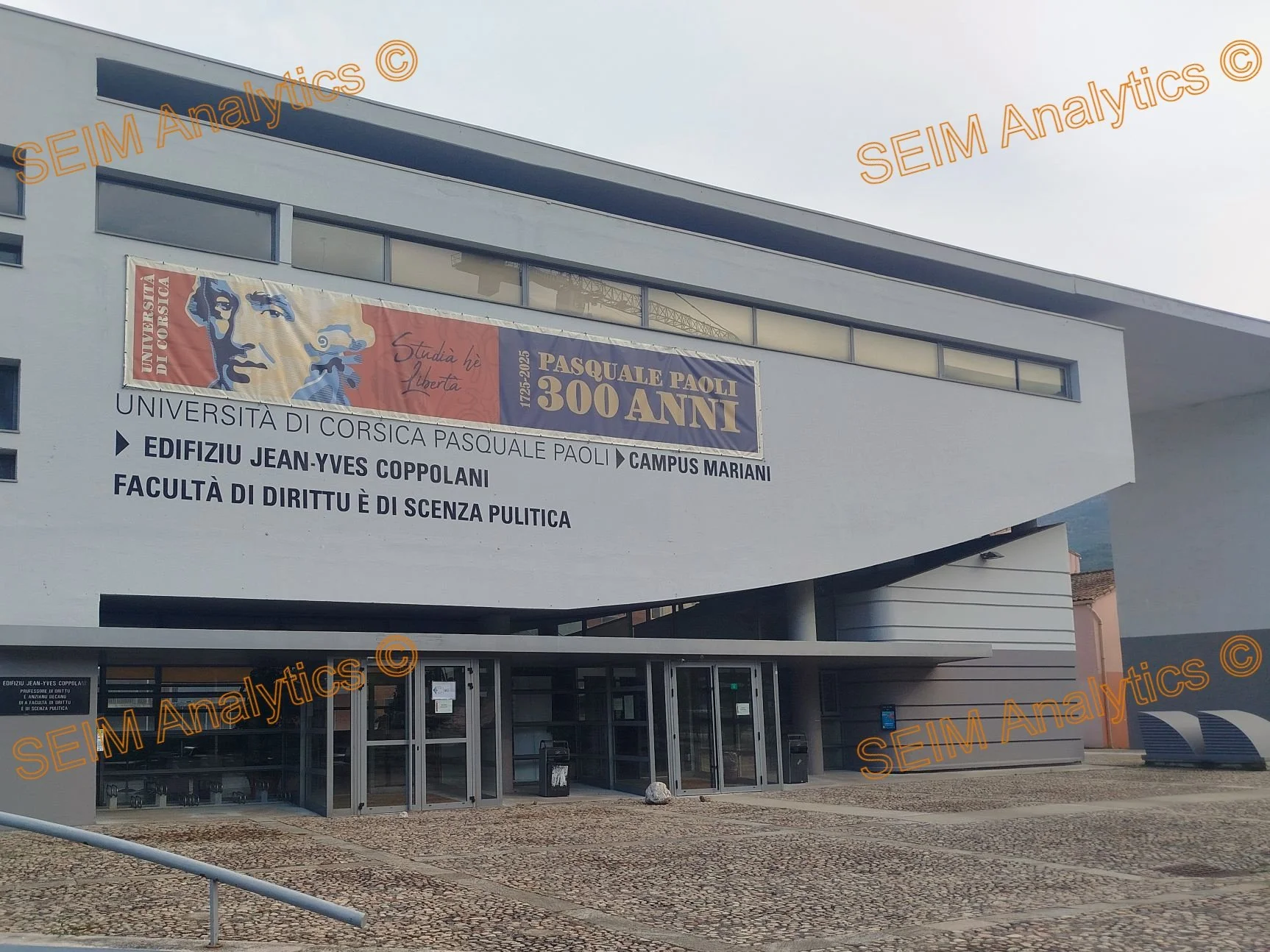
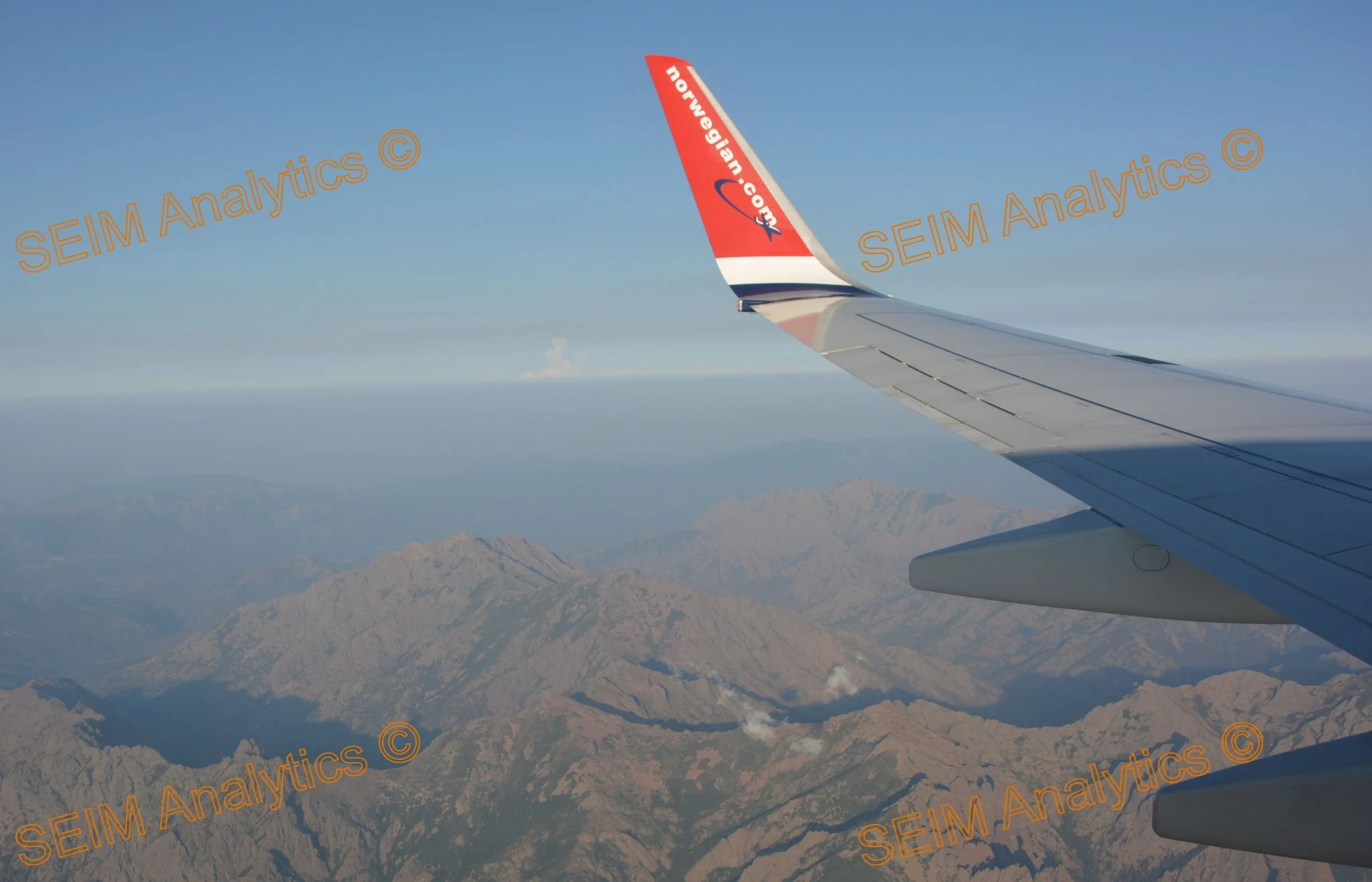
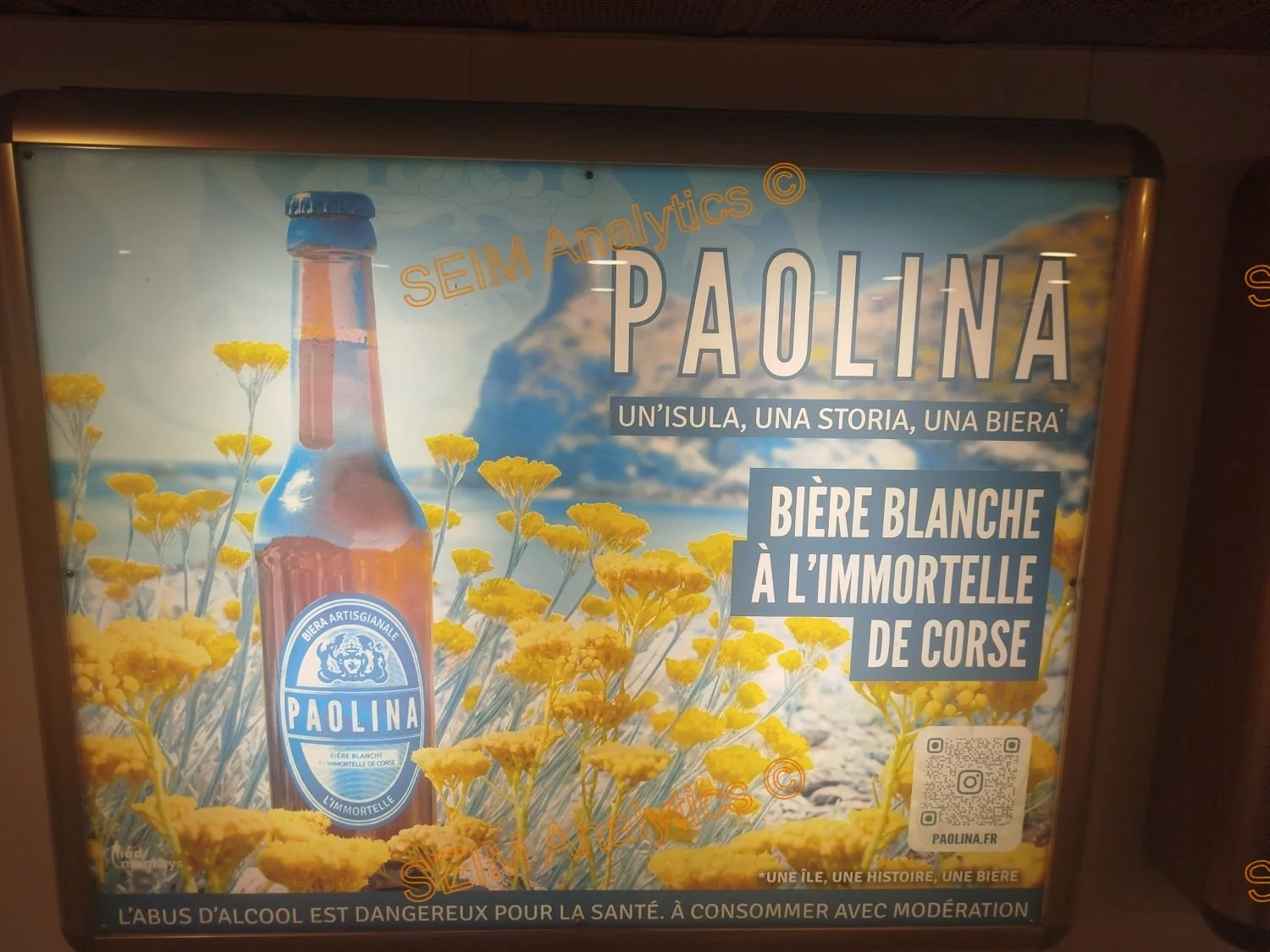
Corsica photos: From France, SEIM Analytics offers photos from Ajaccio, Corte, and Bastia at Corsica, as well as from Strasbourg (2023 trip). For full photo overview: Go to Photo Sale page.
More information in sports and hiking at Corsica on the homepage of Compagnie Régionale des Guides et Accompagnateurs en Montagne de Corse, the Corsica Alpine Association.
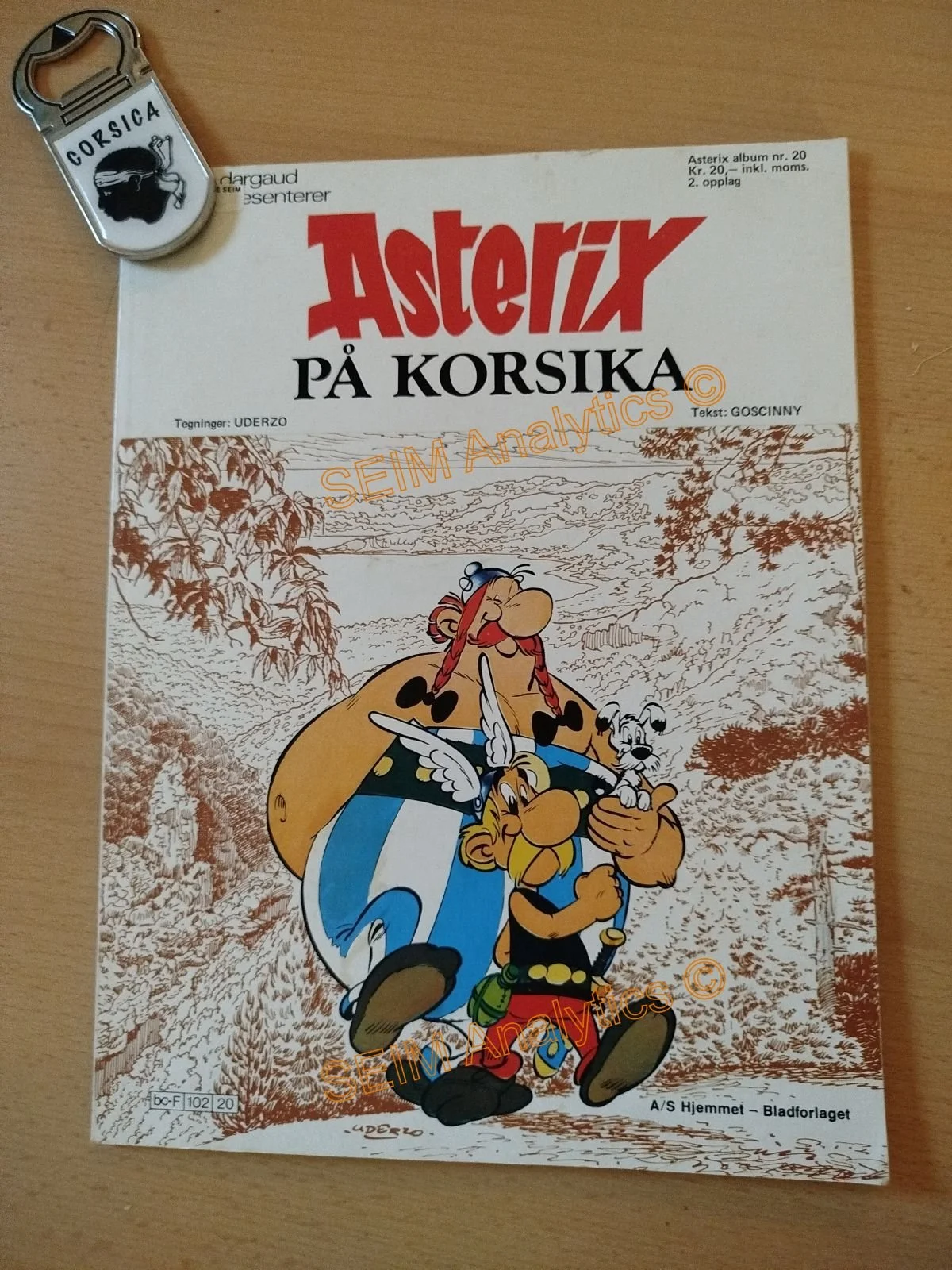
Photo below: A beginner’s guide or introduction to Corsica could start with Asterix in Corsica (Astérix en Corse) the 20th volume (1973) in the Asterix comic book series, created by writer René Goscinny and illustrator Albert Uderzo, but a less known volume in English-speaking countries. The comic humorously portrays Corsican customs, with a plot rich with themes of vendettas, fierce family pride and honour, and resistance fighters in the mountainous terrain of the island.
Copyright SEIM Analytics ©
SEIM Analytics brings this field report from Corsica and the gorgeous Tavignano gorge for FREE. Your donations to cover costs for this blog and this field trip are warmly welcome: