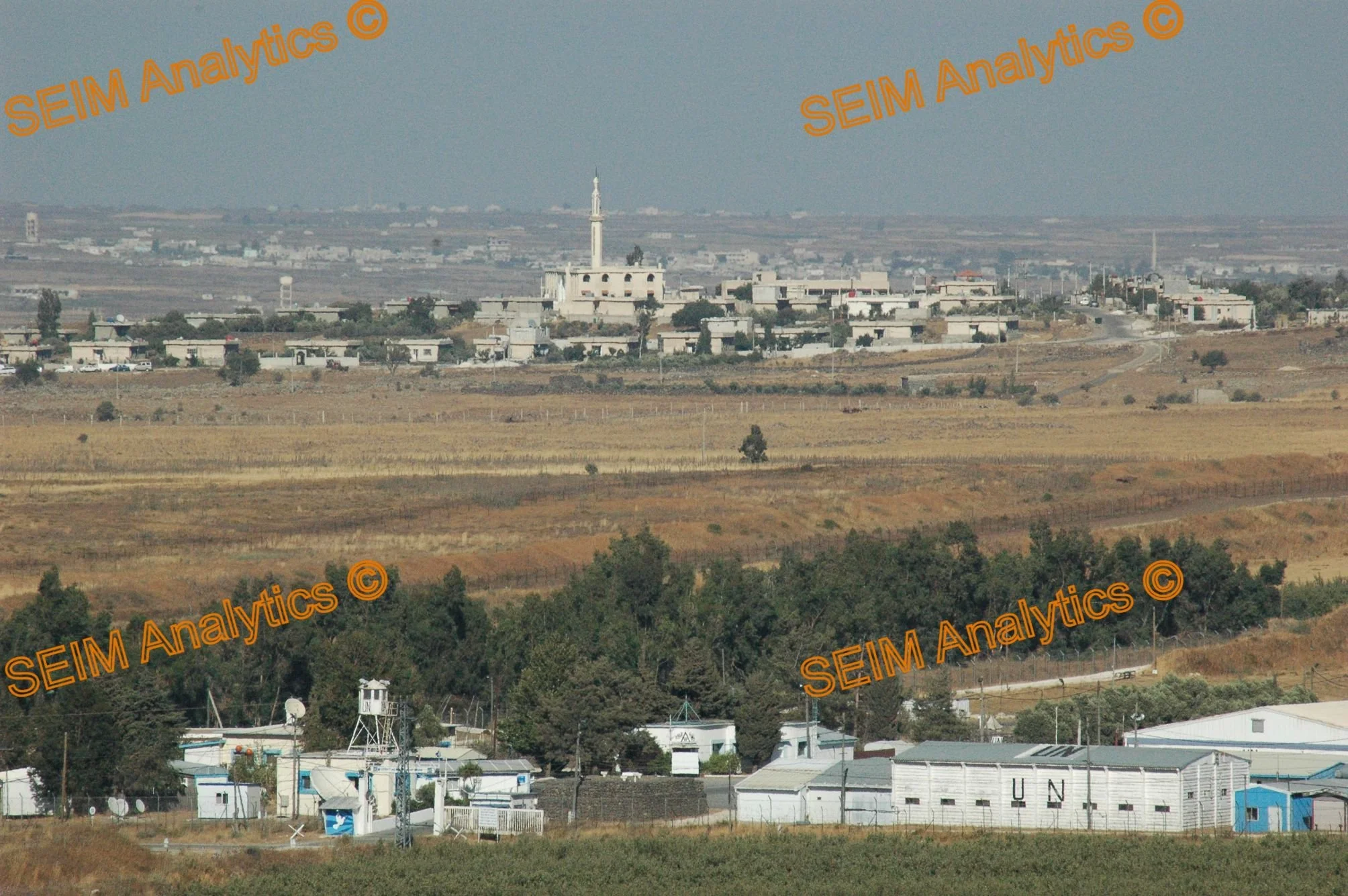
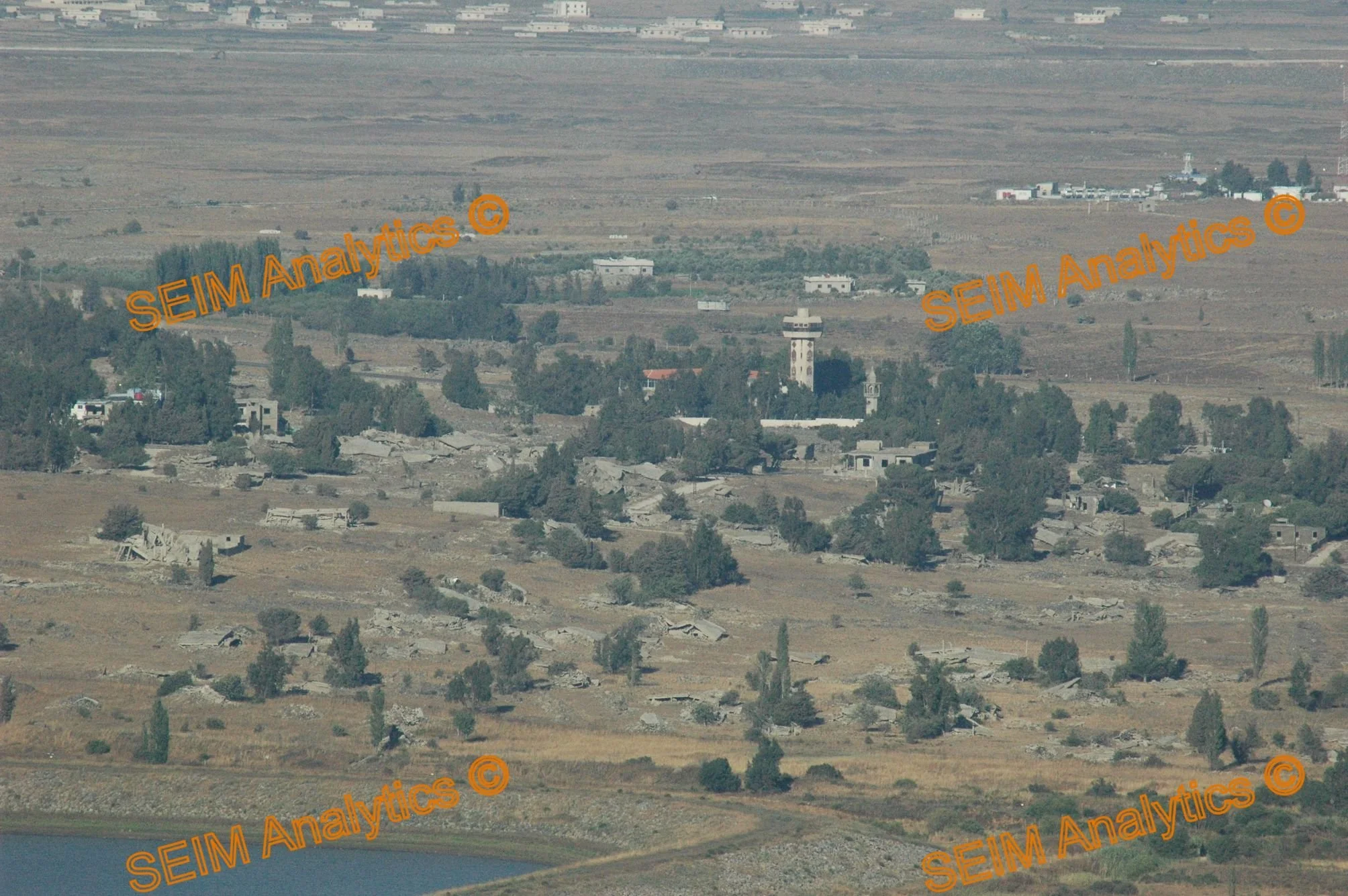
Decommissioned tank at the Golan Hights facing Syrian Quneitra (2008)
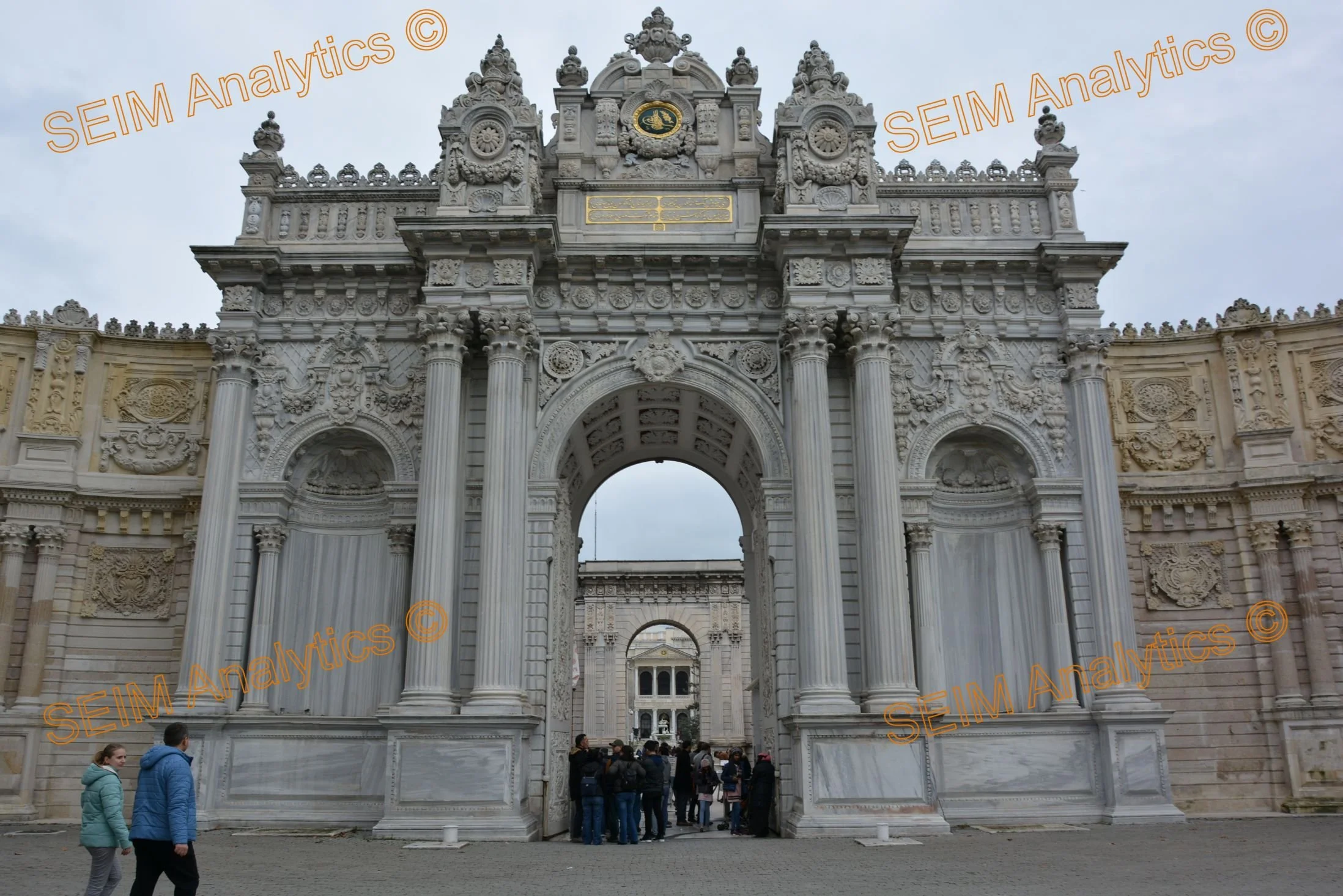
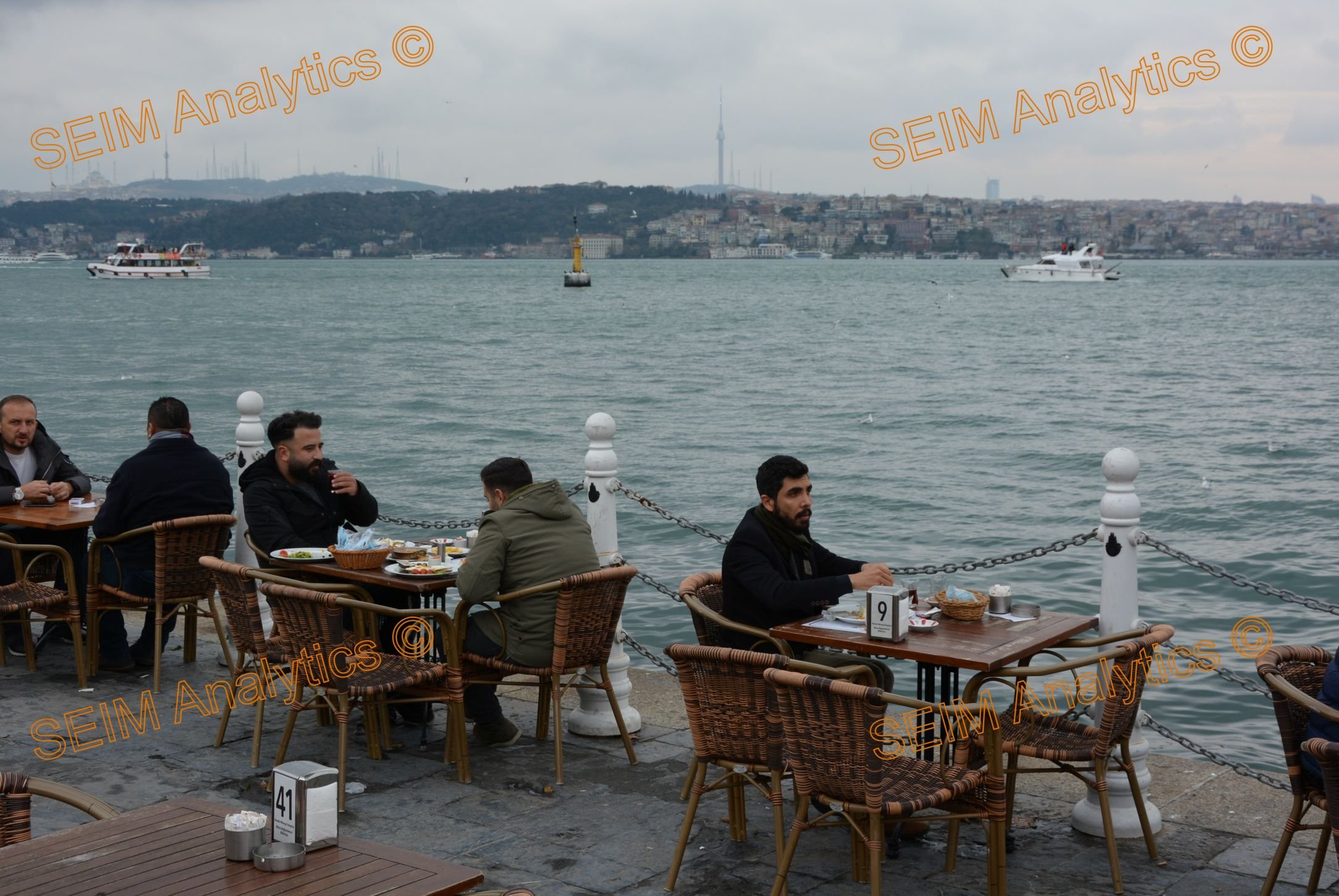
Dolmabache Palace, Istanbul
SEIM & the MIDDLE EAST:
SEIM’s expertise extends to conflicts and politics in the MIDDLE EAST, especially Israel, Türkiye, Syria, Iraq/Iran, Yemen, and Libya. Emphasis is on conflict analysis, history, election analysis and democratization, energy politics, and geopolitical issues.
Some references:
Articles and commentary in March 2011 in leading Norwegian daily newspapers Bergens Tidende and Dagbladet on the brewing conflict and war in Libya, SEIM advising Western non-intervention as Libya could fall apart - as it did. This later facilitated the continued migration crisis to Europe, especially from 2015. Norwegian scholar Terje Tvedt has sometimes been credited with foresight here, but Seim’s articles also predict correctly. (The Norwegian government-appointed commission to perform “Evaluation of Norwegian participation in the Libya operations in 2011” in 2018 among other concluded that the intervention contributed to the fall of Muammar Gaddafi’s regime, but did not resolve Libya’s underlying structural problems. Instead, the country slid into instability, multiple power centres, and conflict. The commission therefore concluded that Norway could have done more in terms of post-conflict planning as the aftermath of the regime change was insufficiently addressed.)
SEIM followed the proxy war in Syria from the start to its calming down in 2017 and becoming a frozen conflict from 2020. In 2011 correctly predicting Assad’s survival on power, the strategic impact of Russia and Hezbollah, and the Aleppo military turnaround in 2016. See articles in Klassekampen… and as a guest at the independent political blog Steigan.no twice.
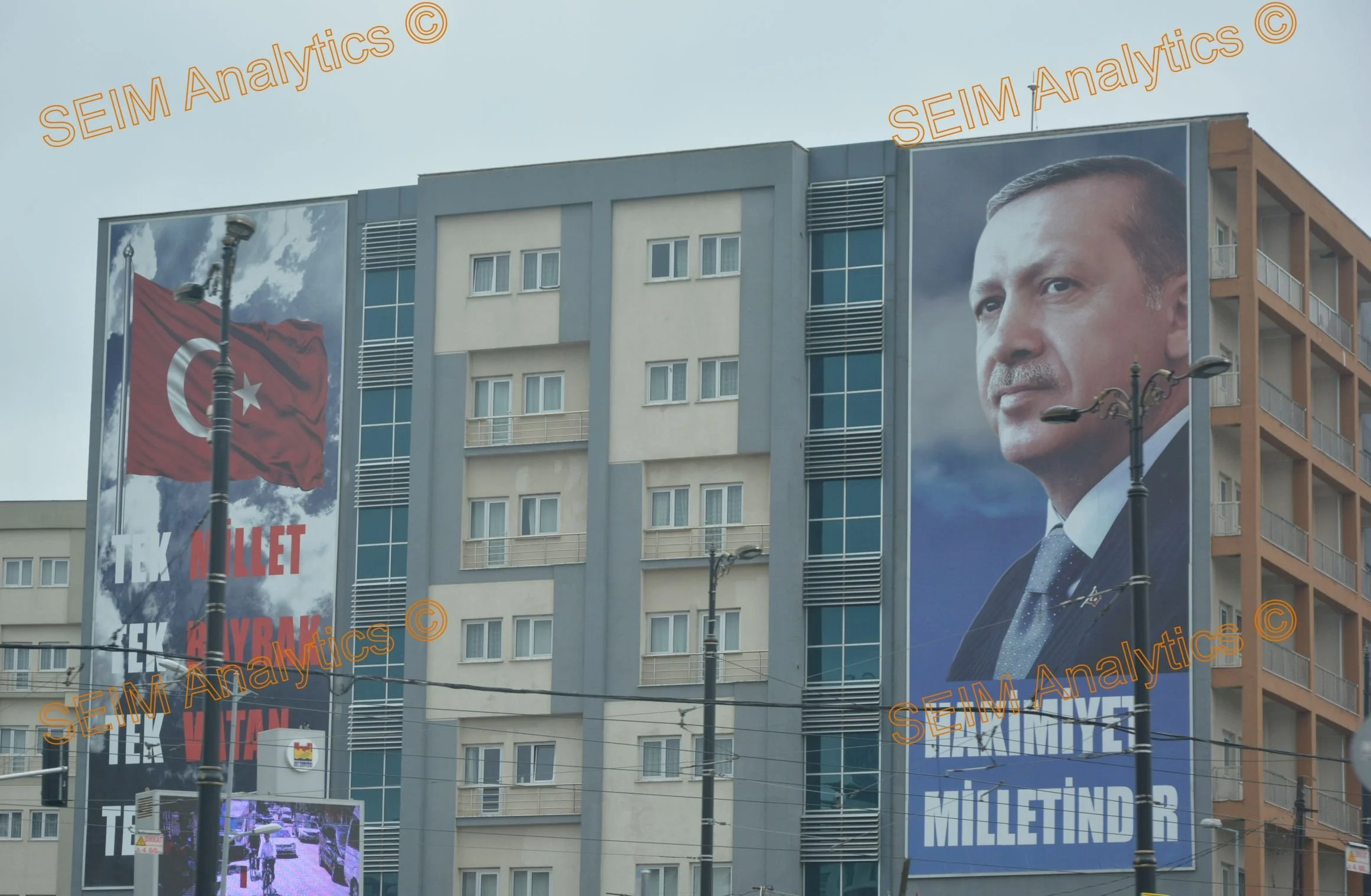
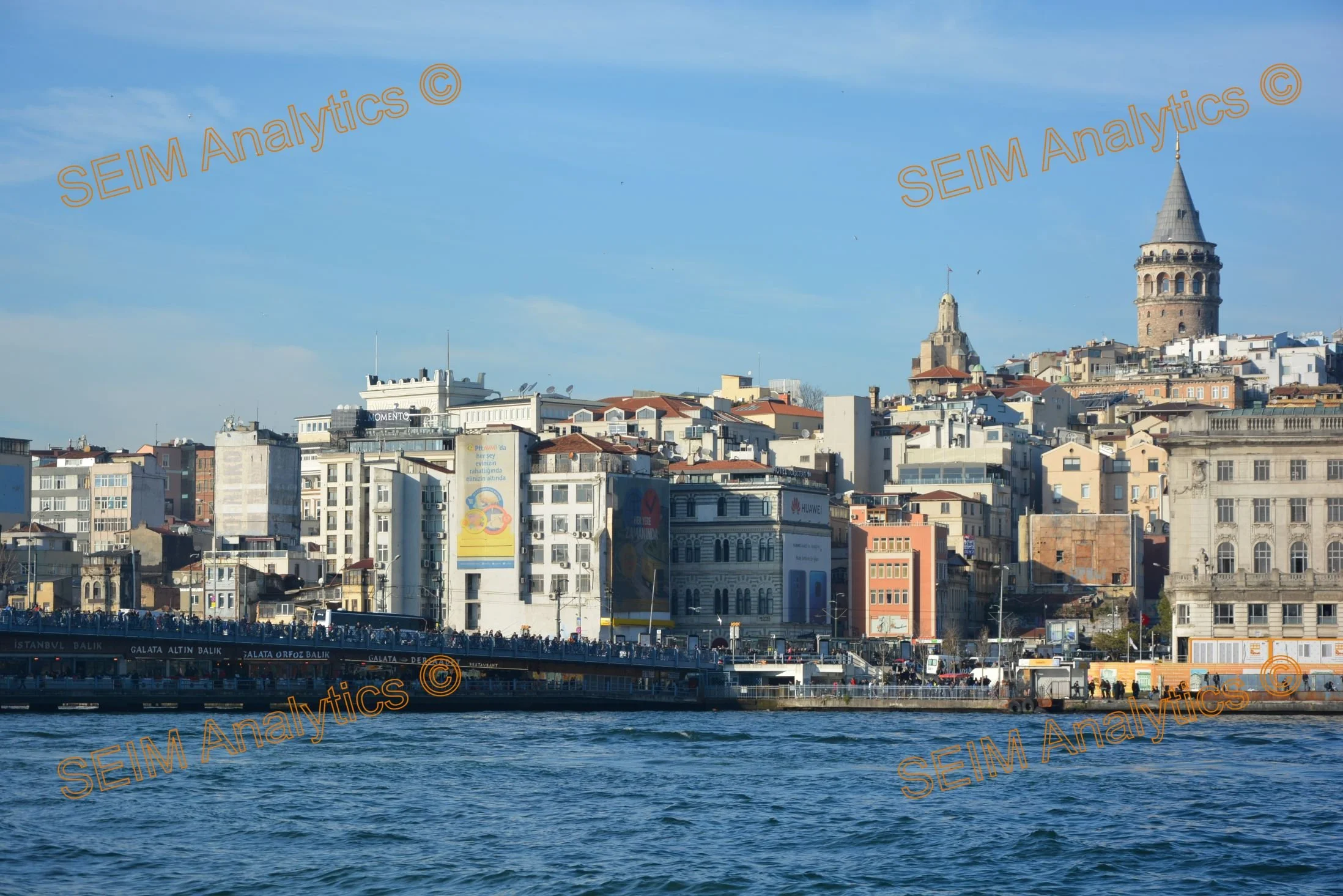
As a consultancy on Southeast and Eastern Europe, SEIM Analytics recognizes the important geostrategic position of Türkiye in the region and in the Black Sea region, the Balkans, South Caucasus, and Central Asia. The war in Ukraine has amplified Türkiye’s geostrategic position. During spring/summer 2018, Seim worked on the Black Sea Coast (Sinop, Samsun, Ordu, Giresun, Trabzon, Rize, Tokat, Amasya, Yozgat, Çorum, Sivas) as long-term regional OSCE/ODIHR election observer for the general elections in Türkiye that summer. In this election, one year after the disputed 2017 referendum, when OSCE-report was rather negative, the re-election of the incumbent president, Recep Tayyip Erdogan, happened with 52.5% of votes and 87% turn-out. This assignment was a great opportunity for a privileged insider view also on Turkish domestic policies and society.
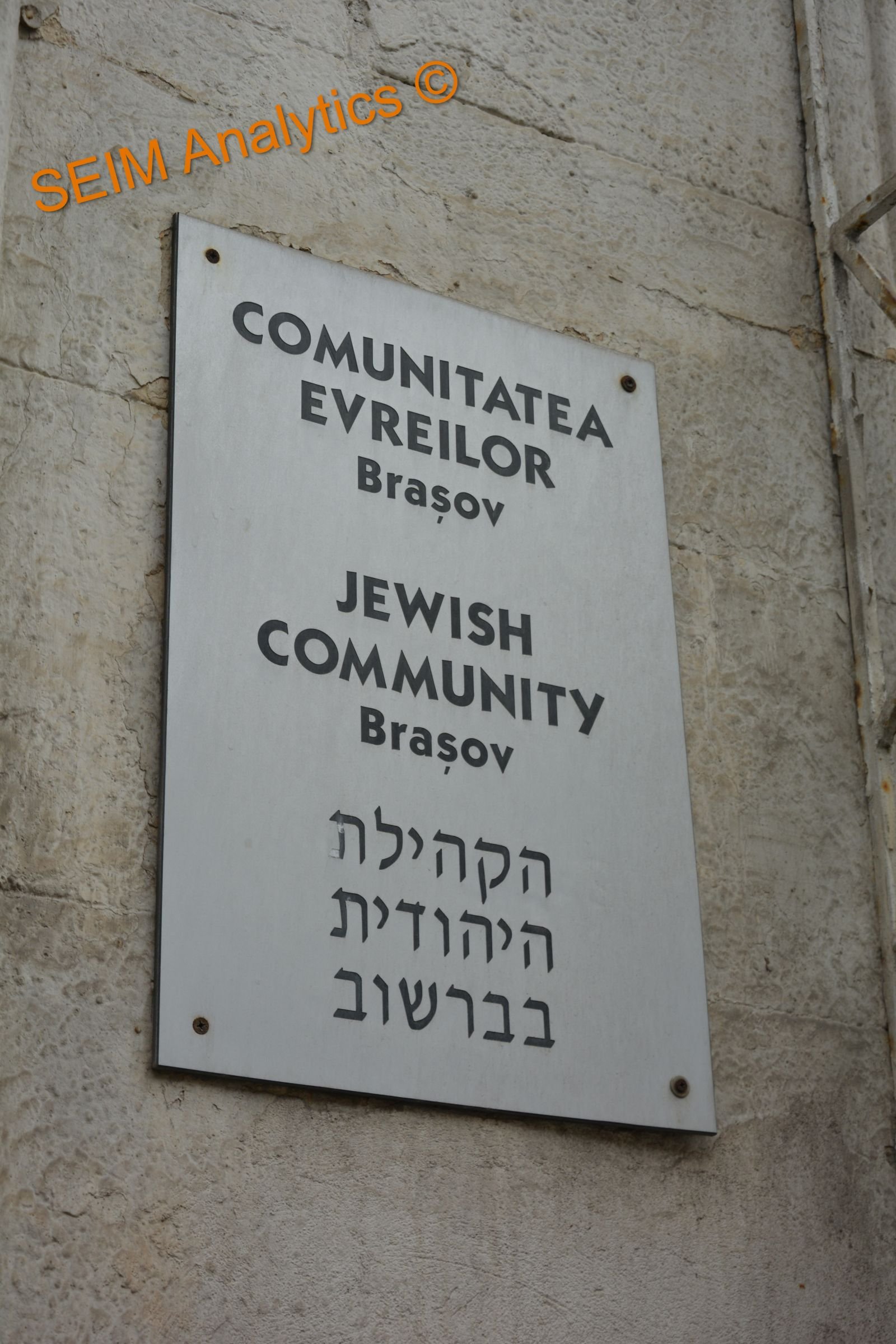
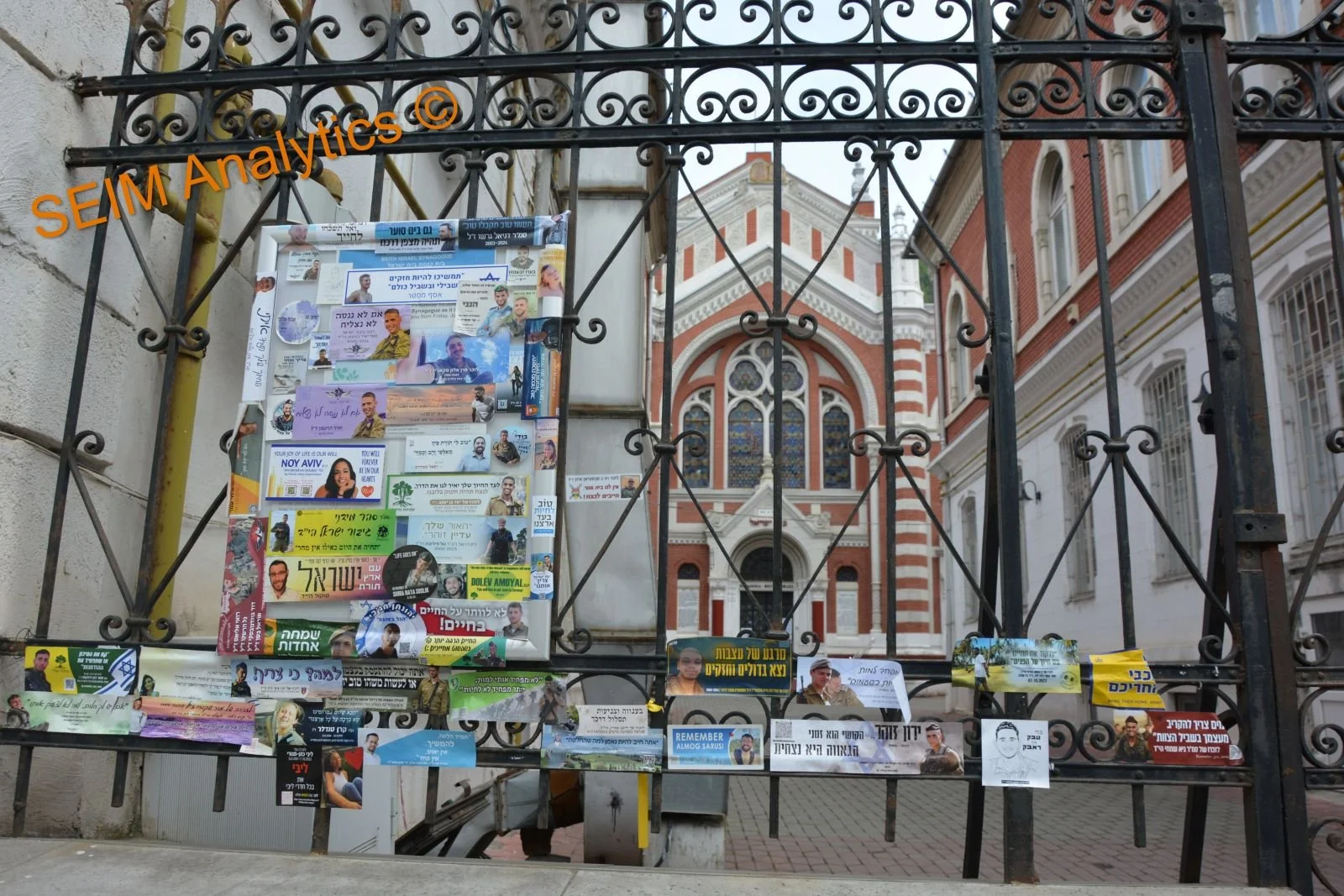
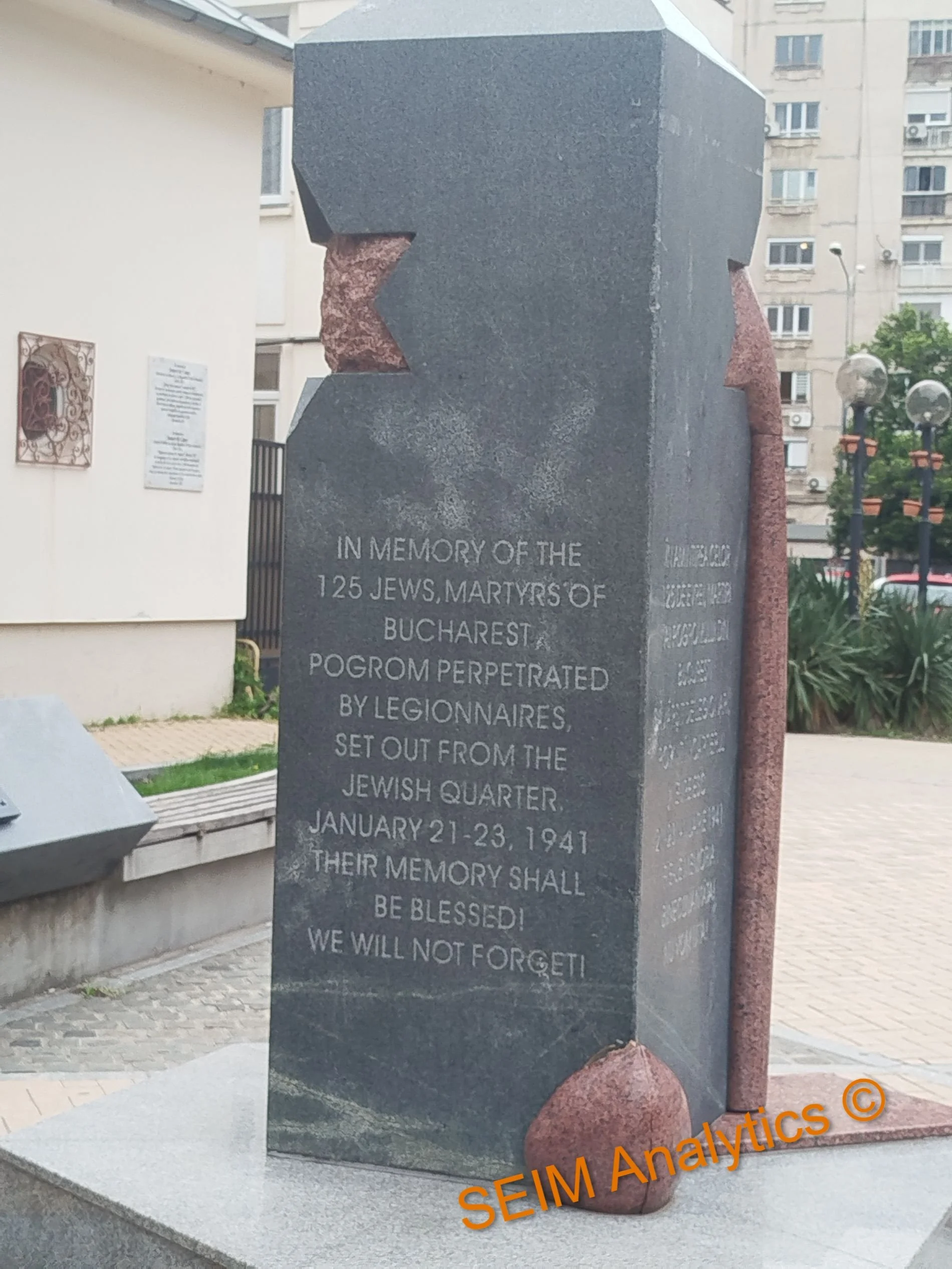
SEIM Analytics has targeted focus on the Jewish history of Southeast and Eastern Europe. The Jewish community was integral to the area, but the population was decimated in the Holocaust, which also had local actors (the Croatian Ustasha, the Romanian fascists, etc). The links between Eastern Europe and Israel remain strong.
Education related to history of the Ottoman empire (on the Balkans) and modern Türkiye, and the history of Israel and contemporary developments in the region.
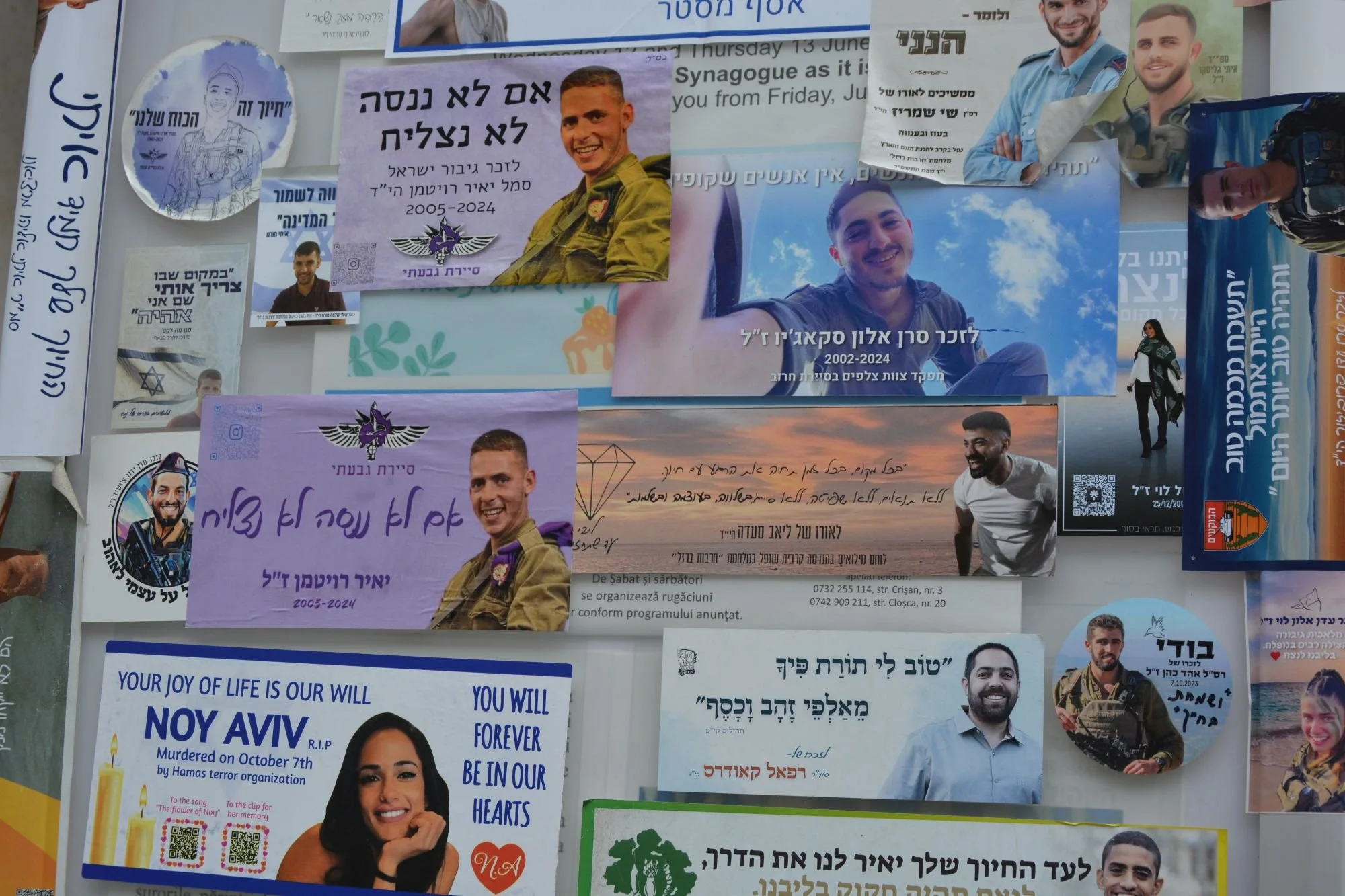
SEIM’s formal educational background with the region: Middle Eastern and Israeli studies in Jerusalem.
2007: Hebrew University Jerusalem, Rothberg International School: Summer School of Middle Eastern Studies, courses:
The Emergence of the Modern Middle East
Contemporary Iraqi Society
The Shia Islamic Revolution of Iran.
(Excellent grades received: A, A+, A+)
2008: Hebrew University Jerusalem, Rothberg International School: Summer Institute of Israeli Studies:
Emergence of Modern State of Israel
The Concept of Self-Defence in Zionism and Israeli Reality
(Excellent grades received: A+, A+)

Golan Hights, Majdal Shams, road signs, Israel.
From SEIM Analytics News/Blog: newest assignments, achievements, and engagements with the Middle East (from 2024) :
TÜRKIYE - ANALYSIS & ADVISORY: SEIM Analytics reflecting on the role of Türkiye in Europe’s security architecture and in regional conflicts. (14 October 2025)