SEIM’s academic productions and lectures: Downloads
-
“The Road to War in the Bosnian Municipality of Kotor Varoš in 1992: A Microhistory” (2022)
-
“The Muted and Stigmatized: A Case Study of the Ethnic Cleansing of Serbs in Konjic in 1992”
In Dana Bittnerova & Mirjam Moravcova (eds.), Balkan Express: Invisible, Overlooked, Forgotten. Dil. IV.: pp. 145-185. Faculty of Humanities at Charles University, Prague, 2019.
-
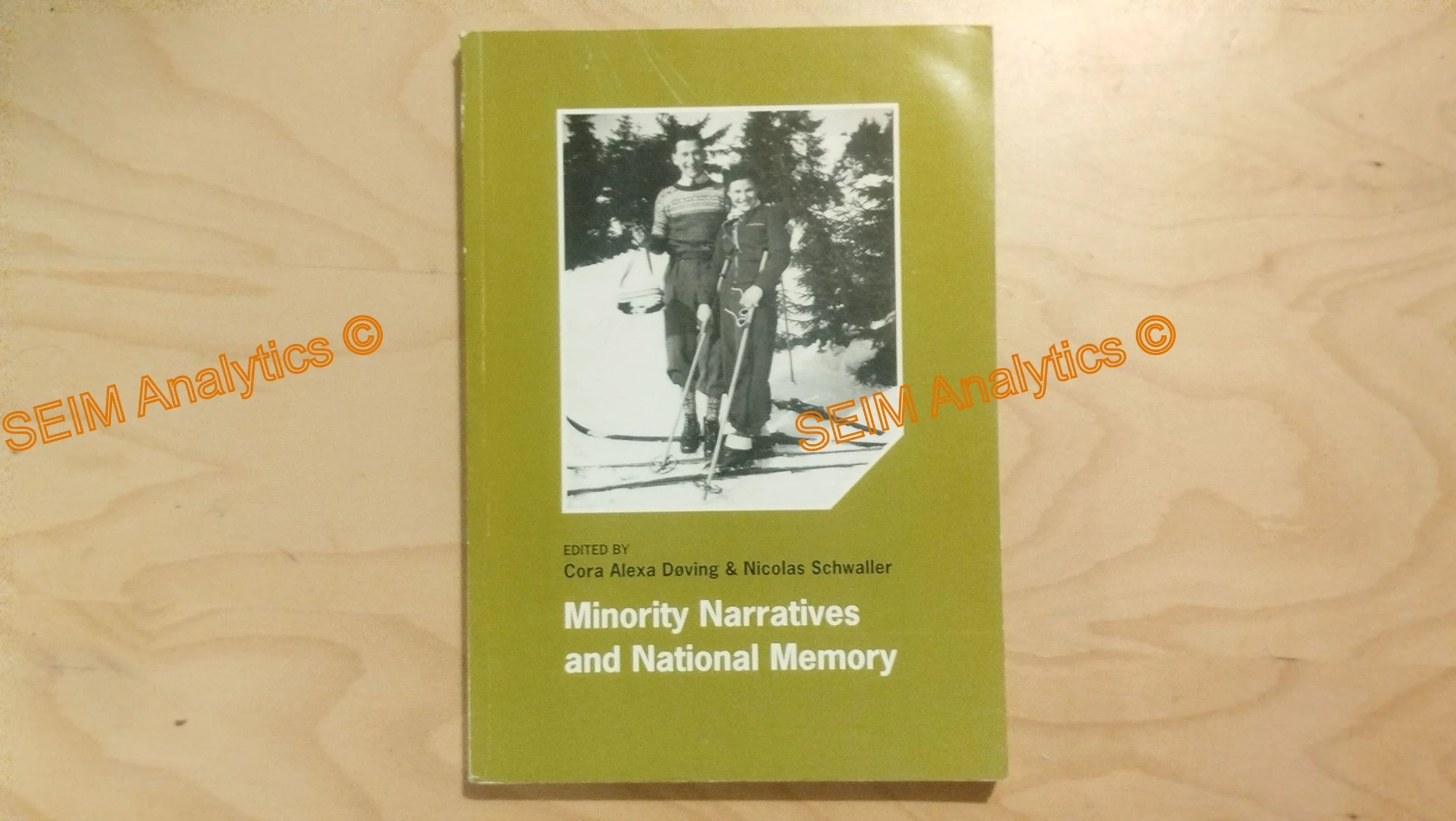
“Including Croatia’s Serbs into Croatian school textbooks”
In Cora Alexa Døving & Nicolas Schwaller: Minority narratives and National Memory. pp. 211-223. Unipub, Oslo, 2010.
-
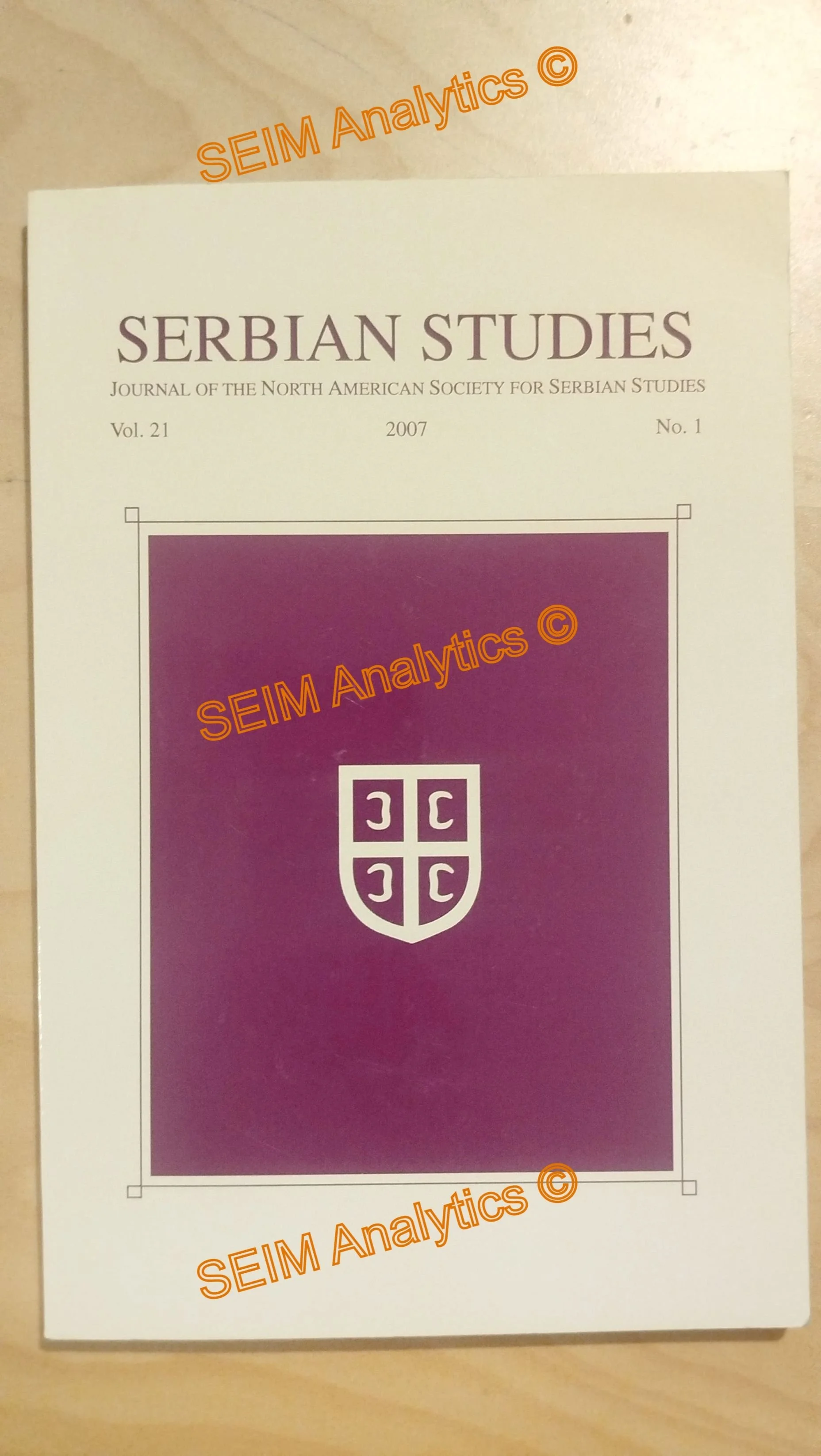
Including the Serbs of Croatia into Croatia's History Writing
in Serbian Studies: Journal of the North American Society for Serbian Studies, Volume 21, Number 1, 2007 (November 2009), 2 (1),: pp. 55-67. Web: https://muse.jhu.edu/article/369270/pdf
The central objective of this article is to trace the ideological background of the frequent exclusion of the Serbian minority in Croatia from Croatian history books. Croatian avoidance or non-recognition of its Serbian history is sought-after in relation to the development of the Croatian state-nation ideology in the nineteenth century. In tracking the ideological background for exclusion the explanations appear not to be purely local ones, but to be closely linked to developments of nineteenth-century European nationalism and national ideologies. This paper analyzes some key modern historical events and processes that have influenced the relationship between Croats and Serbs in Croatia. The topic is exemplified through examination of history textbooks for high schools in Croatia. The article suggests strategies to support for achieving inclusion and identifies the main obstacles in this regard, but methodologically it concentrates on bringing about awareness of the background of exclusion as a necessary step in fostering inclusion.
-
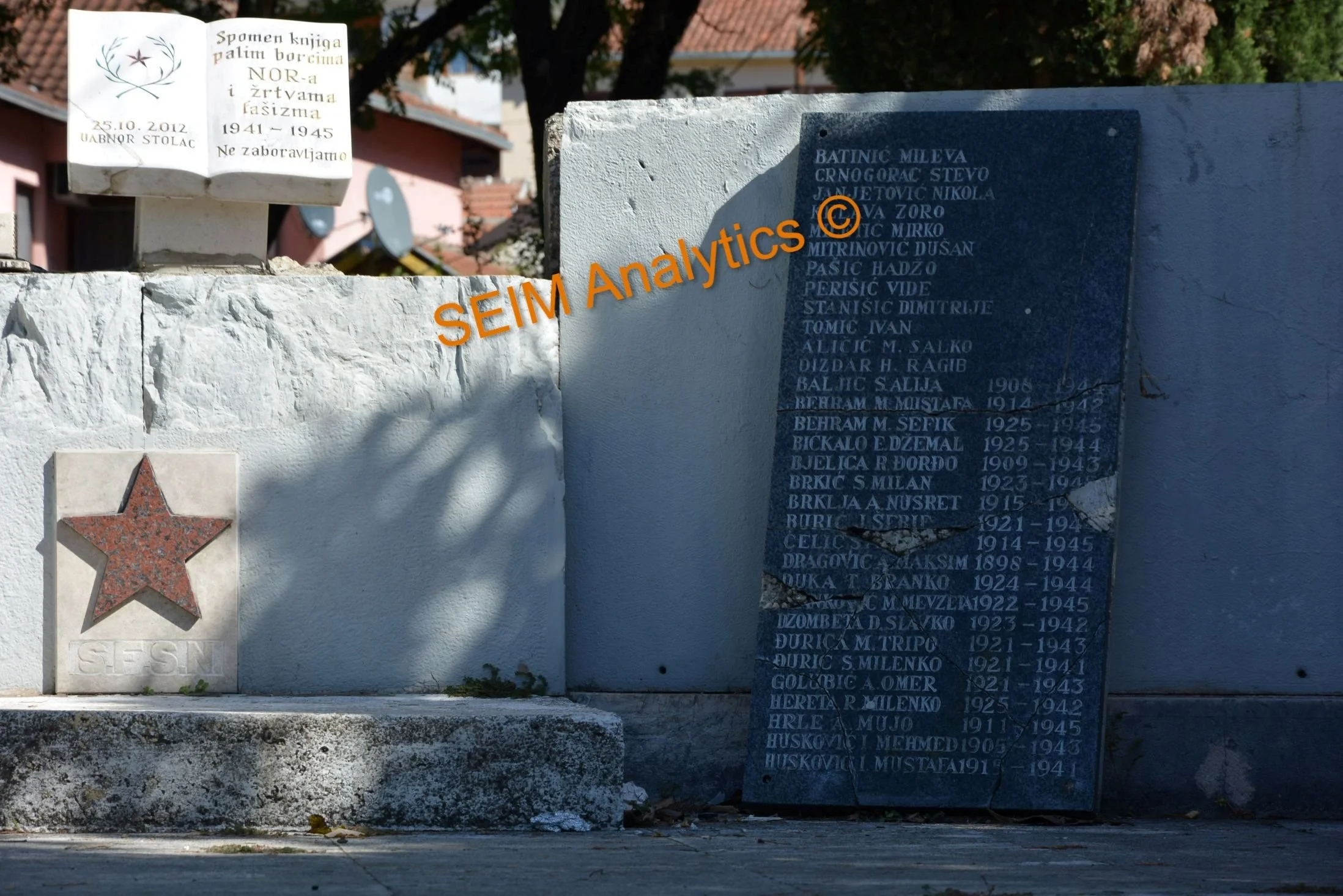
“The Bosnian Civil War as a Constitutive Identity ‘Event’ – The Bosnian Muslim Case"
In Dana Bittnerova & Mirjam Moravcova (eds.), Etnické komunity - Hrdinové, šibalové a antagonisté Balkánu. Dil. III.: pp. 377-398. Faculty of Humanities at Charles University, Prague, 2017.
The Bosnian Muslim war leader, Alija Izetbegović, had a key role in capturing the previous political empowerment of Bosnian Muslims during communism for the sake of his own-led effort of Bosnian Muslim nation-building through Bosnian independence and state-building in the 1990s. The (resultant) war helped bring about a consolidation and advancement of a politically expressed Bosnian Muslim (or Bosniak) national identity.
The article discusses how the Bosnian civil war (1992-95) was a decisive and formative identity and nation-building event for all three national groups in Bosnia, but particularly for the Bosnian Muslims. This war can be characterized as a key “event” of series of disputed “events” which are determining contemporary identities in Bosnia and beyond. They are used to create stories from which each national groups can derive identity and can build internally shared social memory. But simultaneously the lack of any common interpretation in Bosnia of these events, or respect for each other’s explanations and narratives, are hindering reconciliation and is making Bosnia a failed state.
The article analyzes how identity cleavages are related to the competing monochrome historical narratives about the war in post-war Bosnia. It gives examples of the interdependence and relational dynamics of identity formation in Bosnia.
The article concludes that the war had a constitutive role for national identity and this effect was particularly noteworthy and important in the case of the Bosnian Muslims. Yet, their “nationness” was still a contingent event, among other related to Yugoslav nationality policies and the federal territorial organization during Tito.
-
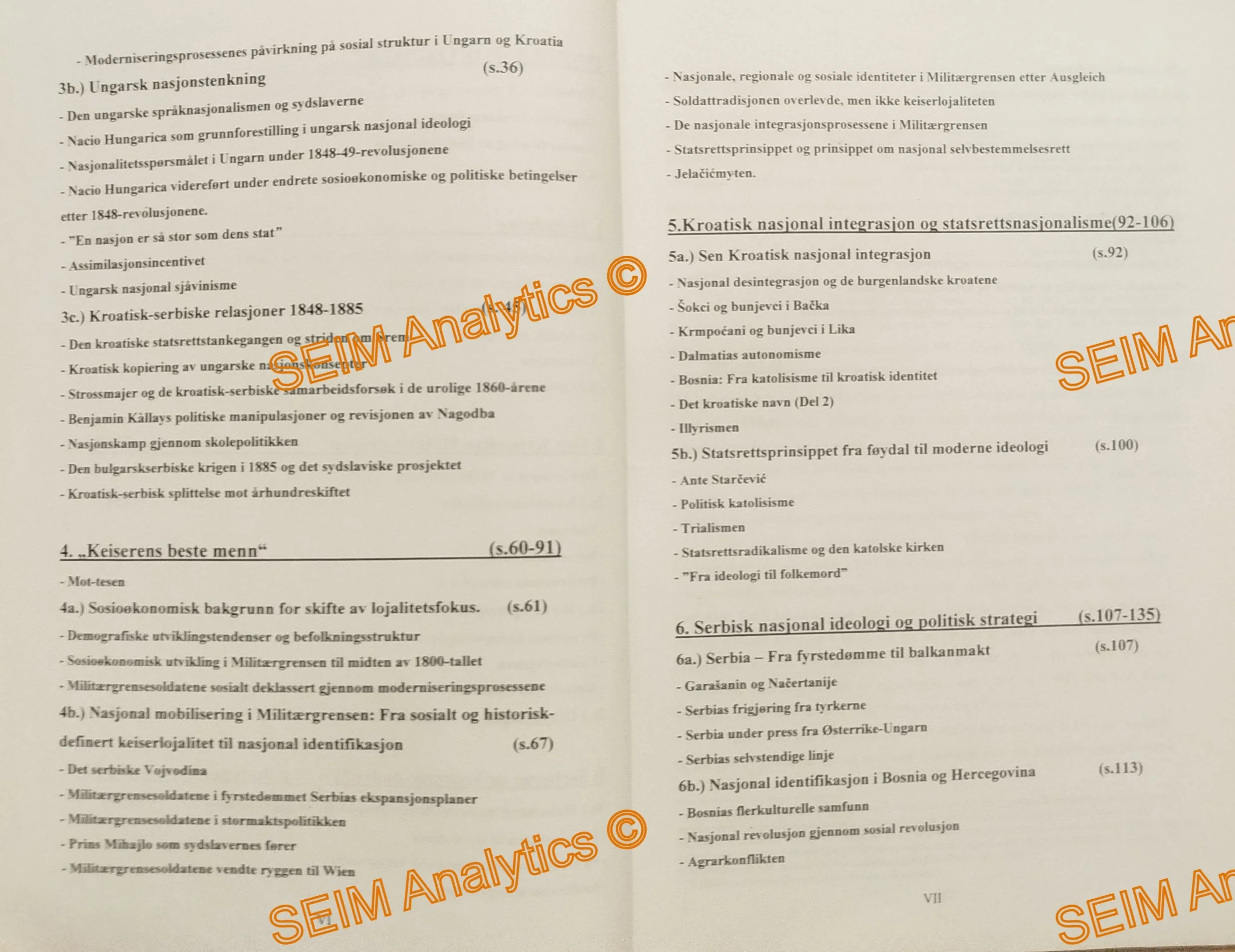
“The Emperor’s Best Men” - Serbian, Croatian and Hungarian nationalism and the processes of national integration in the Austrian Military Border in the second half of the 19th century (Norwegian title translated)
The main topic of this research work of 155 pages is national and social identities in the Austrian Military Border in Croatia-Slavonia from the national-liberal revolutions in 1848-49 to the abolishment of the Military Border institution and territory in 1881.
A key feature in the region was the relative good and persistent bonds of loyalty of the Border soldiers to the Emperor in Vienna as a result of tax privileges in return for military service. The work demonstrates how the rise of Serbian, Croatian, and Hungarian national movements in the second half of the 19th century impacted the traditionally harmonious relationship between the Orthodox and Catholic population of the Border regions.
This research work was awarded with the excellent grade 2,2 (laudabilis) at the University of Bergen, with which Seim was awarded the Norwegian Cand.Philol. degree, which is somehow similar but not equivalent with an MA, but more comprehensive as it included 6 years of university studies altogether.
This work is currently available in Norwegian only. An English translation might be produced.
-
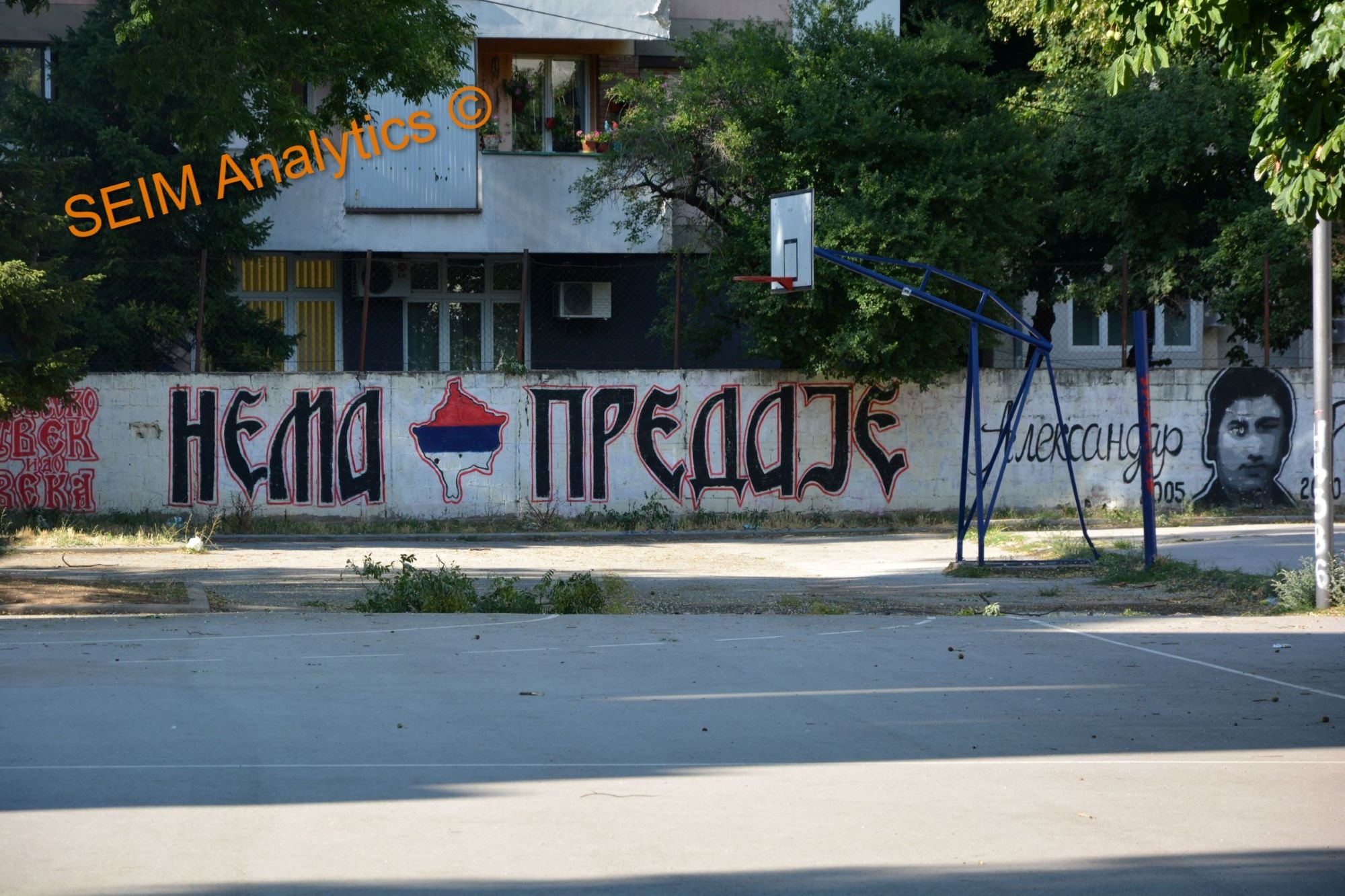
Kosovo Book Review Article in Nordisk Øst-Forum
Seim reviewed the book “What happened in Kosovo 1998-99 – A documentation” by Josef Martinsen in Nordisk Øst-Forum 3/2011.
Among other, Seim concluded that this book does not describe the events of those years properly and does not hold adequate scholarly standards.
-
Election related reports - see Election Expert section
Read more about SEIM’s election reports in the Election Expert Section!
These 18 reports from work assignments/secondments for OSCE-ODIHR, European Union/EEAS, and The Carter Center were delivered to The Norwegian Centre for Human Rights at the University of Oslo, NORCAP: The Norwegian Refugee Council, and a final report drafts to The Carter Center, Atlanta. They cover elections in SEIM Analytic’s targeted geographical areas of analytical focus and professional competence, namely and predominantly Southeast and Eastern Europe, Central Asia, and South Asia.
These internal reports are usually forwarded MFA, internal teams, and other stakeholders.
-
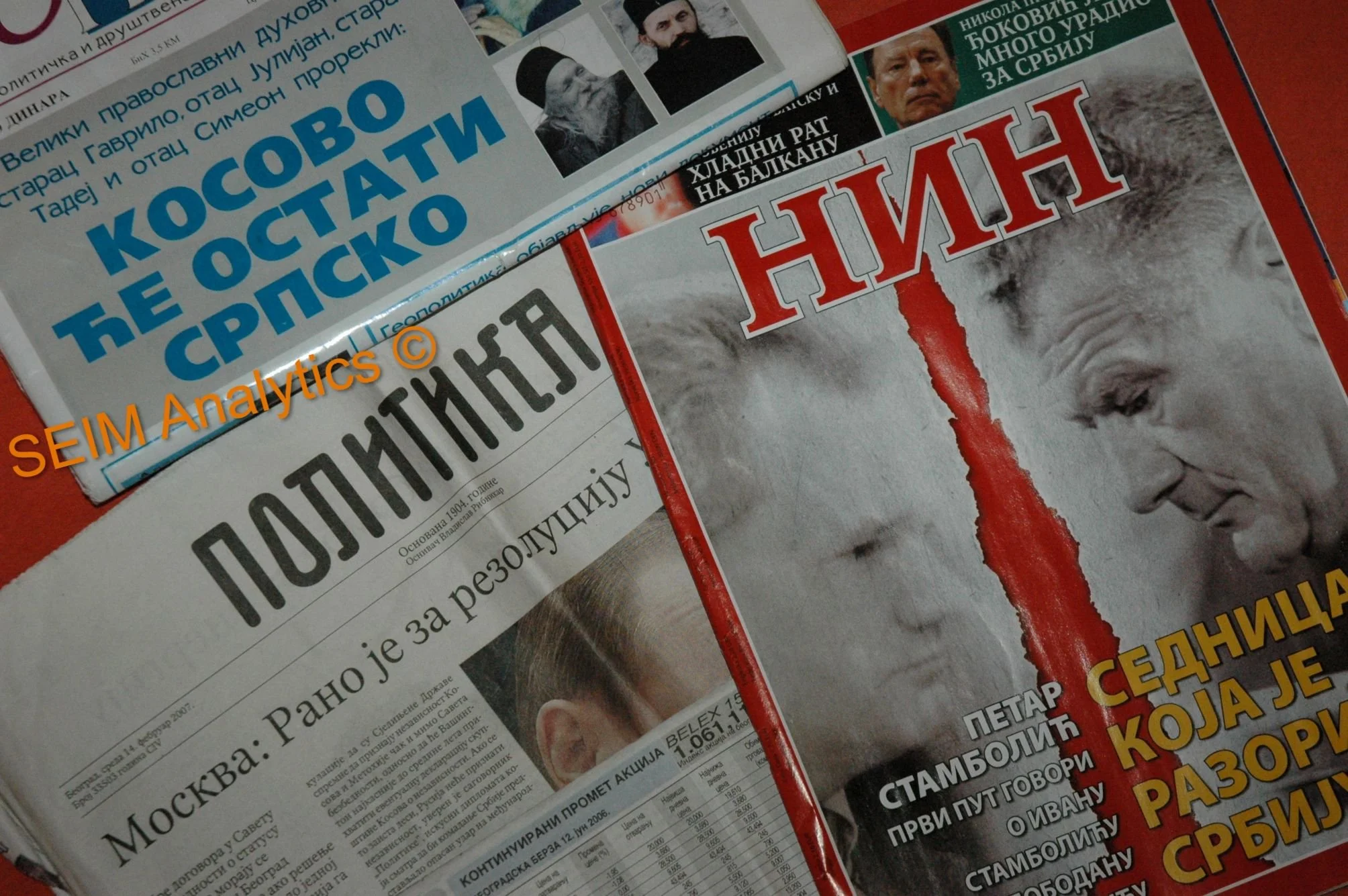
Newspapers comment - see Media publication page
Since 1995, Seim has frequently explored and shared analyses of Central/Eastern Europe by some 50 times publishing a variety of analyses and commentary about post-war Yugoslav politics and society (Serbia, FYROM/North Macedonia, Bosnia-Herzegovina, Montenegro, and Croatia) in Norwegian newspapers, and twice in newspapers in Denmark and Serbia. Seim has also written about elections and politics in USA, Poland, Czech Republic, Ukraine, Libya, Syria, and the Middle East.
Click below to see a sample of this newspaper commentary, analysis, and field reports:
Public lectures or presentations - a selection :
- Presentation of doctoral dissertation (in English) - “The Road to War in the Bosnian Municipality of Kotor Varoš in 1992: A Microhistory. - Research tasks, methodology, challenges, and conclusions” (Center for Southeastern European Studies, (CSEES), University of Graz, 26 November 2024).
- Presentation of doctoral dissertation (in Serbian) – “Put ka ratu u bosanskoj opštini Kotor Varoš 1992: Mikroistorija. - Istraživački zadaci, metodologija, izazovi, zaključci i rezime doktorske odbrane” (Philosophical Faculty, University of Banja Luka, 11 June 2024).
- Paper presentation: The muted and stigmatized: A case study of ethnic cleansing of Bosnian Serbs in Hercegovina in 1992. At the “Balkan Express” conference 1-2 December 2017 (Faculty of Humanities, Charles University, Prague).
- Paper presentation: The Bosnian civil war as a constitutive identity event. At the “Balkan Express” conference of the Charles University (Prague, 3-4 June 2016).
-Paper presentation: The Yugoslav Case: Federalism and Nationalism in Kardelj’s Yugoslavia at the CONSIRT-conference "Nationalism and Identity in Cross-national Perspective”
http://nationalismandconflict.wordpress.com/abstracts/ (Warsaw, 10-12 December 2012).
- The Historical background to the Kosovo conflict. Holocaust Centre in Oslo, 3 March 2011.
- A two-hour lecture "China and post-communism in Eastern Europe" at East China Normal University in Shanghai on 26 October 2010.
- Croatia and EU: A two-hour paid lecture for a Swedish governmental institution related to Riksdagen, 24 April 2010, Stockholm.
- The Ukrainian presidential elections 2009-10, Case Study Crimea. Presentation for about 30 EU parliamentarians and OSCE/ODIHR (Simferopol, Ukraine, 16 January 2010).
- Der serbische und kroatische Nationalismus in der Geschichte Ungarns des 19. Jahrhunderts. Seminar at Europa Institut in Budapest on 28 February 2003.